Improving Attention Span Through Technology
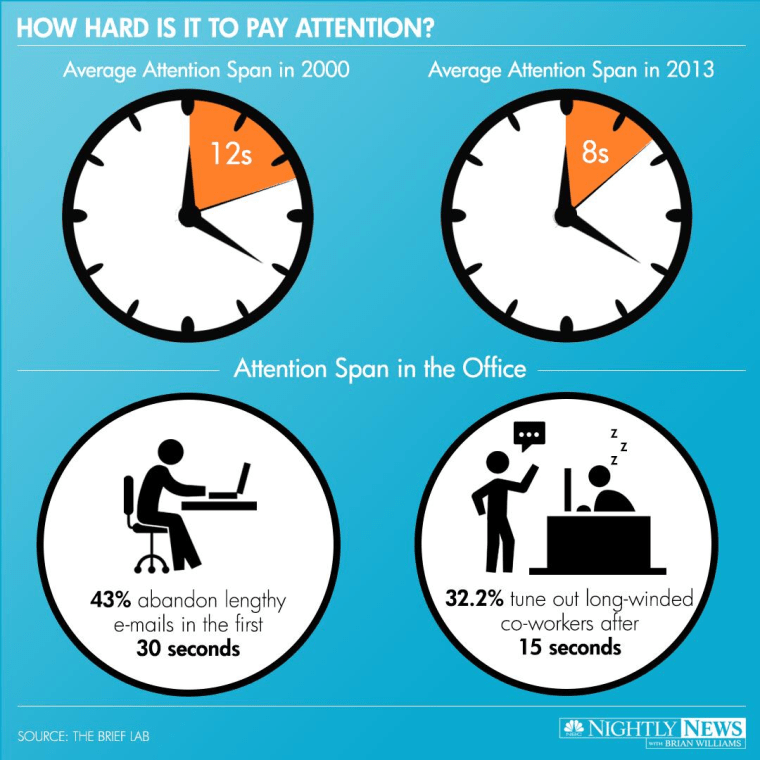
The ability to focus and maintain attention has become a significant concern in today's digital age. With the widespread use of technology, our attention spans have been declining, leading to difficulties in multitasking, learning, and productivity. However, there is hope in harnessing technology to improve attention span, making it possible to achieve greater focus and cognitive control.
Understanding the Impact of Technology on Attention
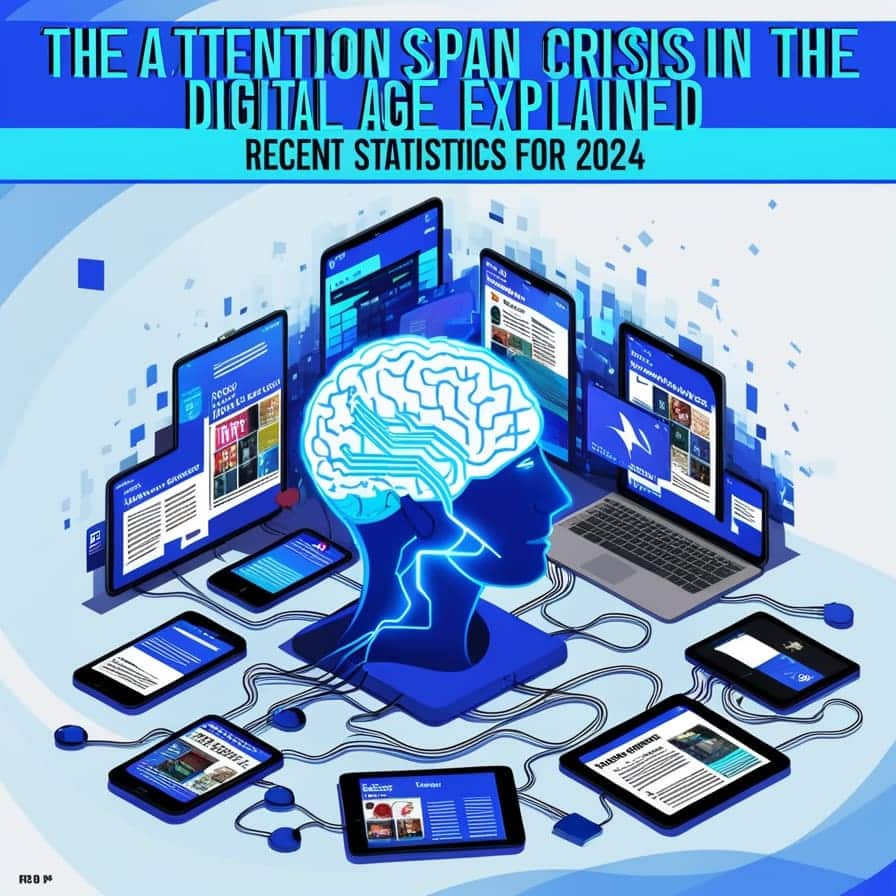
Research suggests that prolonged exposure to digital media and constant notifications from devices can reduce attention span and negatively impact cognitive abilities. The constant stream of information and the pressure to stay connected have led to the development of "continuous partial attention," where individuals switch between multiple tasks without fully engaging with any one of them (Niehaus 1998)
Technological Solutions to Improve Attention Span
Fortunately, technology can also be used as a tool to improve attention span. By leveraging various digital tools and strategies, individuals can enhance their ability to focus and engage with tasks more effectively. Some potential solutions include:
- Focus-enhancing apps and software: Tools like Freedom, SelfControl, and Focus@Will offer features that help minimize distractions, promote consistent focus, and optimize cognitive performance.
- Personal productivity assistants: Virtual assistants like Google Assistant, Siri, and Alexa can aid in tasks such as scheduling, reminders, and message management, freeing up mental resources for more important cognitive activities.
- Brain-computer interfaces (BCIs): Innovations like NeuroSky and BrainGate enable users to control digital devices with their thoughts, providing an innovative way to improve focus and cognitive abilities.
- Neurofeedback training: This type of cognitive training involves using electroencephalography (EEG) to provide real-time feedback on brain activity, allowing individuals to develop greater control over their attention and cognitive processes.
- Artificial intelligence (AI) and machine learning (ML) based tools: AI-powered tools like Cogmed, BrainHQ, and Peak offer personalized cognitive training programs tailored to individual needs, helping users improve focus, working memory, and attention span.
Strategies for Effective Use of Technology

While technology offers numerous opportunities to enhance attention span, it is essential to develop effective strategies for using these tools. Some recommendations include:
- Set clear goals and objectives: Before using technology, establish specific goals and objectives to guide focus and motivation.
- Limit distractions and multitasking: Create an environment that minimizes interruptions and encourages focused activity.
- Practice consistent and regular use: Develop a routine that incorporates technology-based tools to improve focus and attention span.
- Monitor progress and adjust as needed: Regularly assess performance, adjusting strategies and tools as necessary to optimize results.
Conclusion
Improving attention span through technology is a multidisciplinary challenge that requires understanding the impact of digital media on cognitive abilities, leveraging technological solutions, and developing effective strategies for use. By combining knowledge, tools, and habits, individuals can harness the power of technology to improve focus, productivity, and overall cognitive well-being.
References
- Castells, M. (1996). The Rise of the Network Society. Oxford: Blackwell.
- Niehaus, G. (1998). Measures of subjective well-being in international surveys. International Journal of Social Science Research, 3(1), 63-73.
- Twenge, J. M. (2001). The age of anxiety: the change in anxiety from the fall of Rome to the present. Publisher: Routledge.