Protecting Your Personal Data Online: A Complete Guide
Protecting your personal data online has become a critical concern in today's digital age. With the constant threat of cyber attacks, data breaches, and online scams, it's essential to take proactive steps to safeguard your sensitive information. In this article, we'll explore the importance of protecting your personal data online, discuss the risks associated with not doing so, and provide practical tips on how to keep your data secure.
The Importance of Protecting Your Personal Data Online
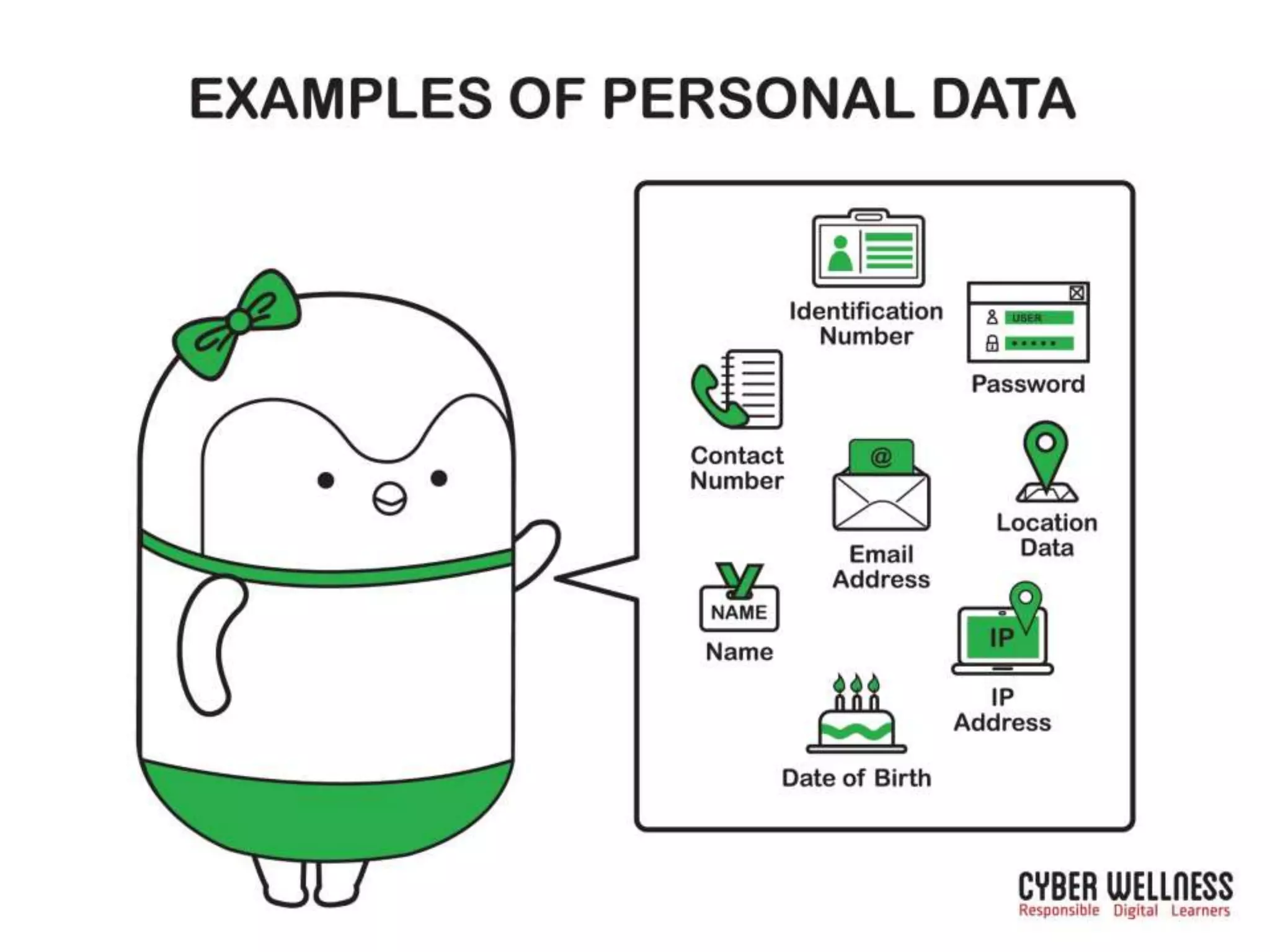
Your personal data is a valuable commodity, and hackers and scammers are always on the lookout for ways to steal it. Protecting your personal data online is crucial for maintaining your identity, preventing financial losses, and reducing the risk of online harassment. By taking control of your personal data, you can enjoy a safer and more secure online experience.
Why Protecting Your Personal Data Online is a Must
- Prevents Identity Theft: Protecting your personal data online can help prevent identity theft, a serious crime that can have long-term and devastating consequences.
- Reduces Financial Losses: Keeping your financial information secure can help reduce losses due to online scams, phishing, and other forms of cyber attacks.
- Protects Your Reputation: In the event of a data breach or online scandal, protecting your personal data online can help protect your reputation and maintain your credibility.
- Ensures Online Safety: By protecting your personal data online, you can browse the internet safely and securely, without worrying about online threats and risks.
Common Risks Associated with Exposed Personal Data
Exposing your personal data online can put you at risk of various cyber threats, including:
Cyber Attacks
- Phishing: Scammers can use your exposed personal data to trick you into revealing sensitive information or clicking on malicious links.
- Malware: Your personal data can be used to spread malware, which can compromise your device's security and lead to identity theft.
- Online Harassment: Exposed personal data can lead to online harassment, including stalking, bullying, and hate speech.
Risks with Online Data Sharing
- Accuracy and Security Issues: Sharing your personal data online can lead to accuracy and security issues, including data breaches and identity theft.
- Unintended Consequences: Your personal data can be used in ways you didn't intend, such as being sold to third parties or used for targeted advertising.
- Loss of Control: Once you share your personal data online, you may lose control over how it's used, stored, and accessed.
Practical Tips for Protecting Your Personal Data Online
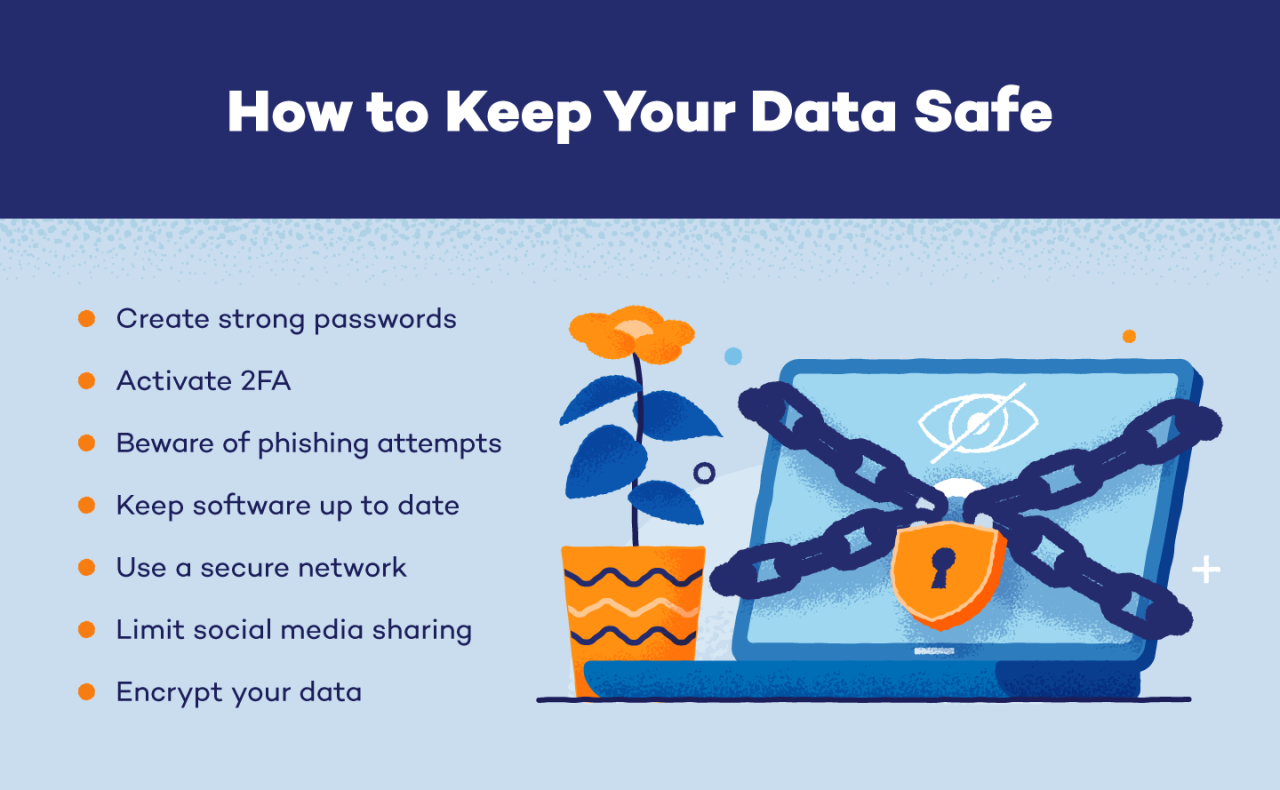
Protecting your personal data online requires a combination of common sense, good security habits, and awareness of the risks associated with online activity. Here are some practical tips to help you keep your data secure:
Use Strong and Unique Passwords
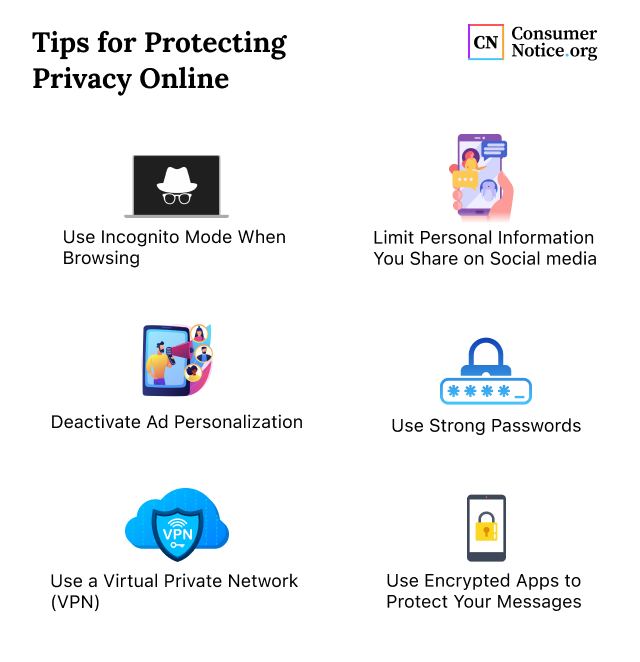
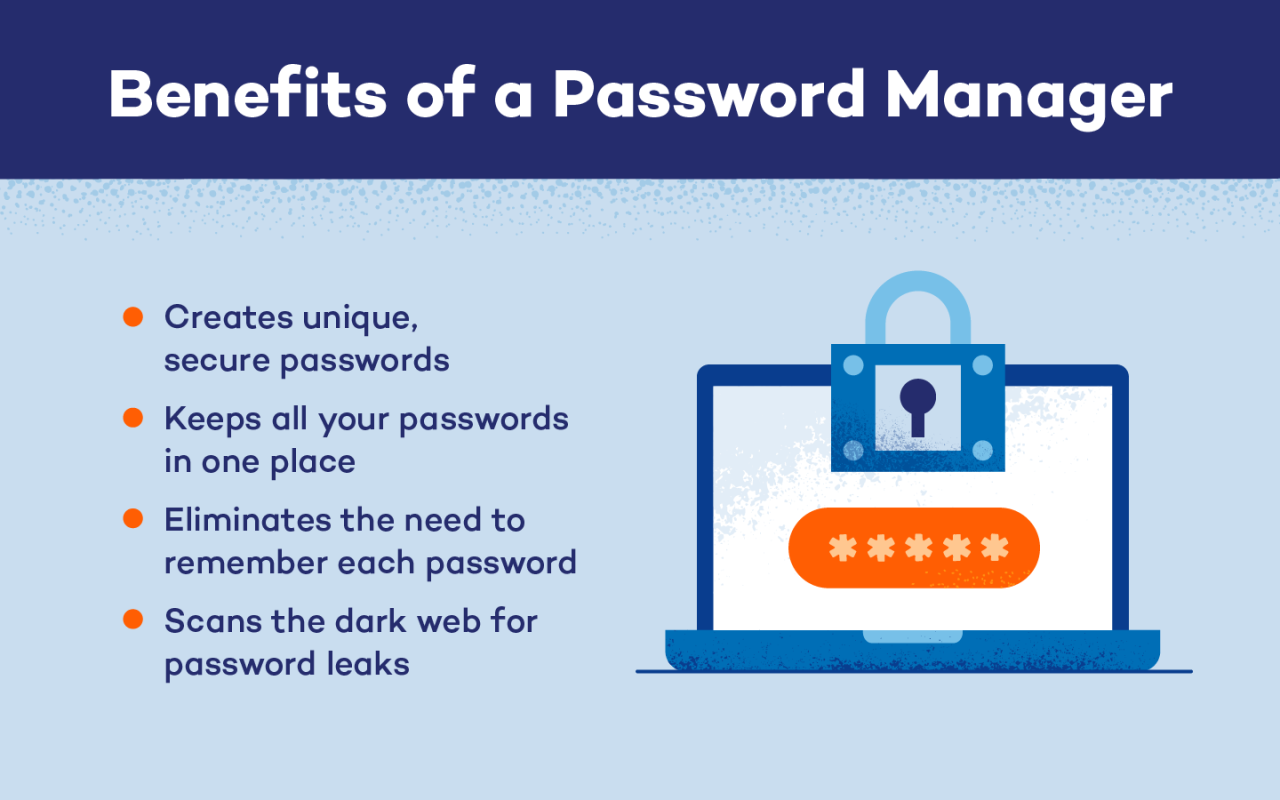
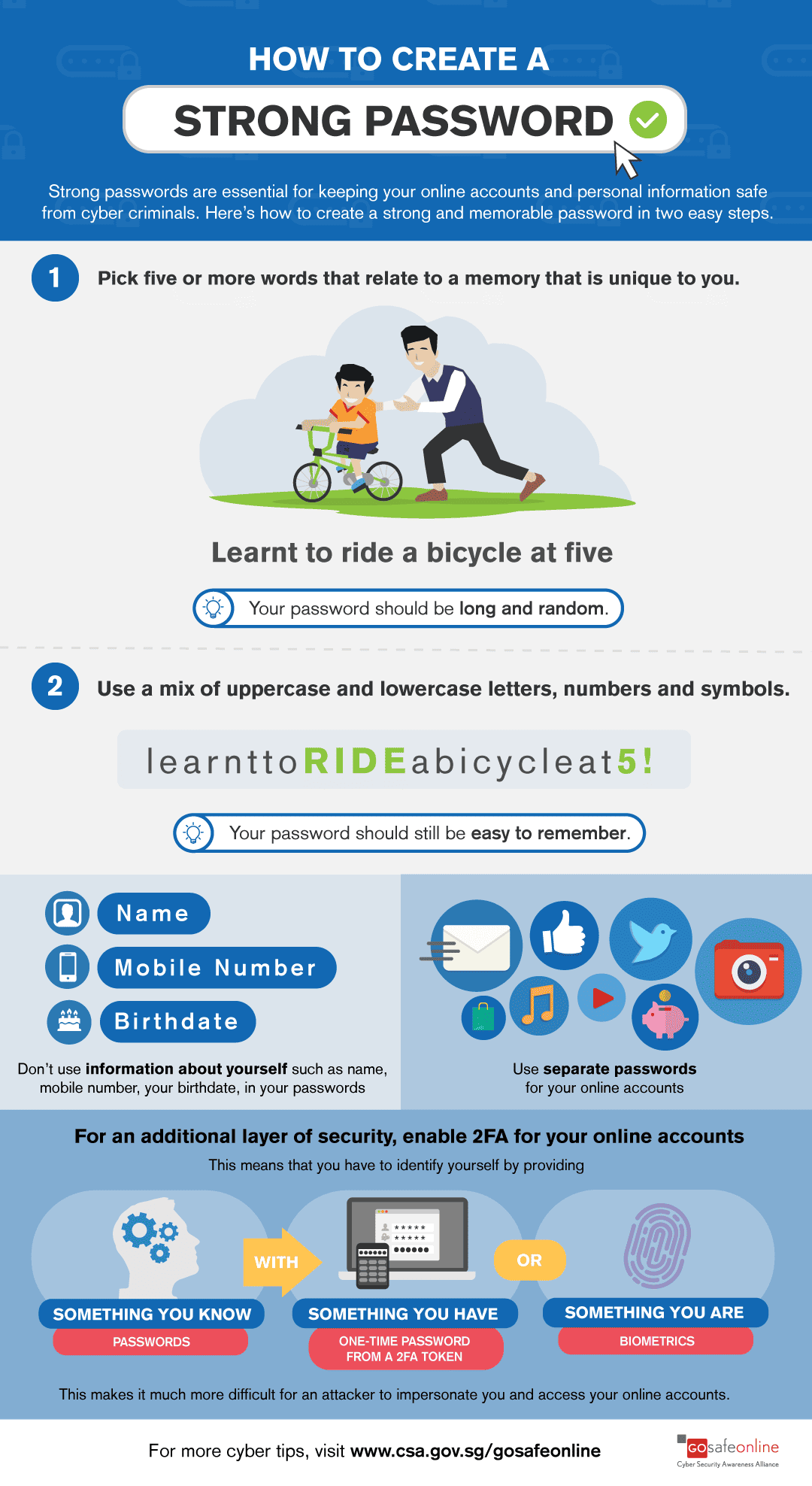
Using strong and unique passwords can help prevent unauthorized access to your online accounts. Consider using a password manager to generate and store complex passwords.
Enable Two-Factor Authentication
Two-factor authentication adds an extra layer of security to your online accounts, making it harder for hackers to access your data without your approval.
Monitor Your Credit Reports
Regularly monitoring your credit reports can help you detect any suspicious activity, including identity theft and online scams.
Use a VPN
Using a Virtual Private Network (VPN) can help encrypt your internet connection and hide your digital footprint, making it harder for hackers to track your online activity.
Stay Up-to-Date with the Latest Security Updates
Regularly updating your operating system, browser, and other software can help patch security vulnerabilities and prevent online attacks.
Be Cautious with Online Requests for Personal Information
Be wary of online requests for personal information, especially from unfamiliar websites or emails. Verify the identity of the requestor and ensure you're not being scammed.