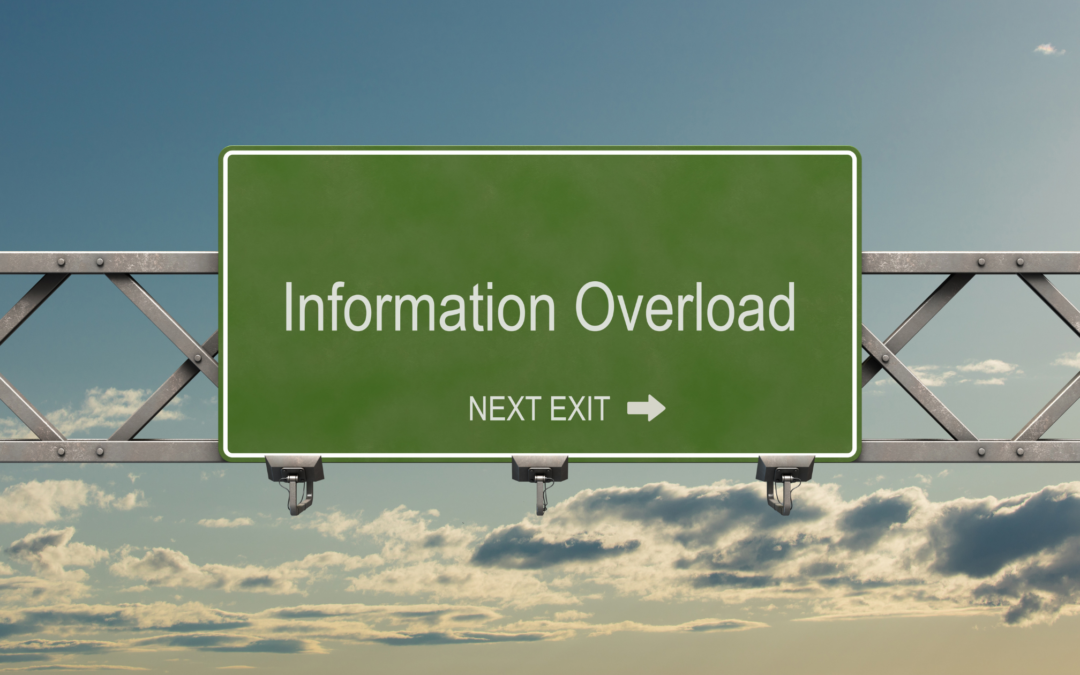
Information Overload in the Modern World: A Growing Concern
In today's fast-paced digital age, we are constantly surrounded by an overwhelming amount of information. The rapid growth of the internet, social media, and other digital technologies has led to an explosion of data, making it increasingly difficult for individuals to keep up with the pace of information. This phenomenon is known as information overload, a condition characterized by the intake of more information than one's brain or system can process, manage, or use effectively.Causes of Information Overload
So, what are the common causes of information overload in the modern world? There are several factors contributing to this issue. The proliferation of digital communication tools, such as emails, instant messaging, social media, news feeds, and online notifications, constantly push new information, making it challenging to keep up. Additionally, the vast amount of data available on the internet and digital archives provides access to an unprecedented volume of information, exacerbating the problem.A Brief History of Information Overload
Interestingly, information overload predates modern technologies. According to Ann Blair, the concept of information overload has its roots in pre-modern cultures, dating back to the accumulation of manuscripts, collecting, recording, and preserving information. In fact, one of the first social scientists to notice the negative effects of information overload was Patricia Clough, who explored the impact of information overload on human cognition and behavior in her work.Effects of Information Overload
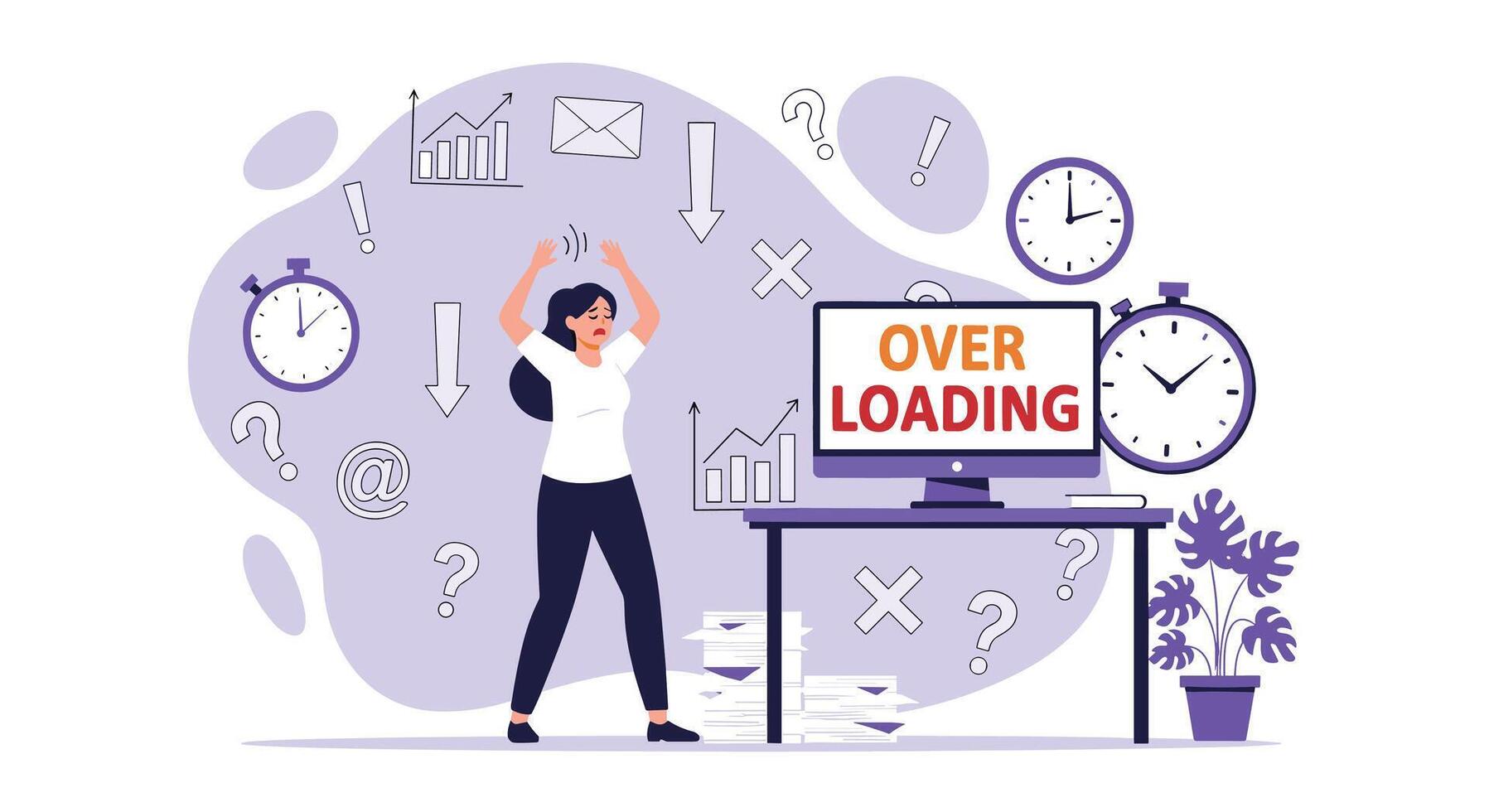
- Decreased productivity and efficiency
- Reduced attention span and focus
- Increased stress and anxiety
- Decreased cognitive function and decision-making skills
- Poor mental and physical health