LED Circuit Board Repair: A Comprehensive Guide
LED Circuit Board Repair is a delicate process that requires precision, technical expertise, and effective troubleshooting skills. Whether you are just starting out or an experienced technician, this guide will walk you through the basics of LED Circuit Board Repair, including identifying faulty components, replacing capacitors, and desoldering LEDs.
Understanding LED Circuit Board Repair
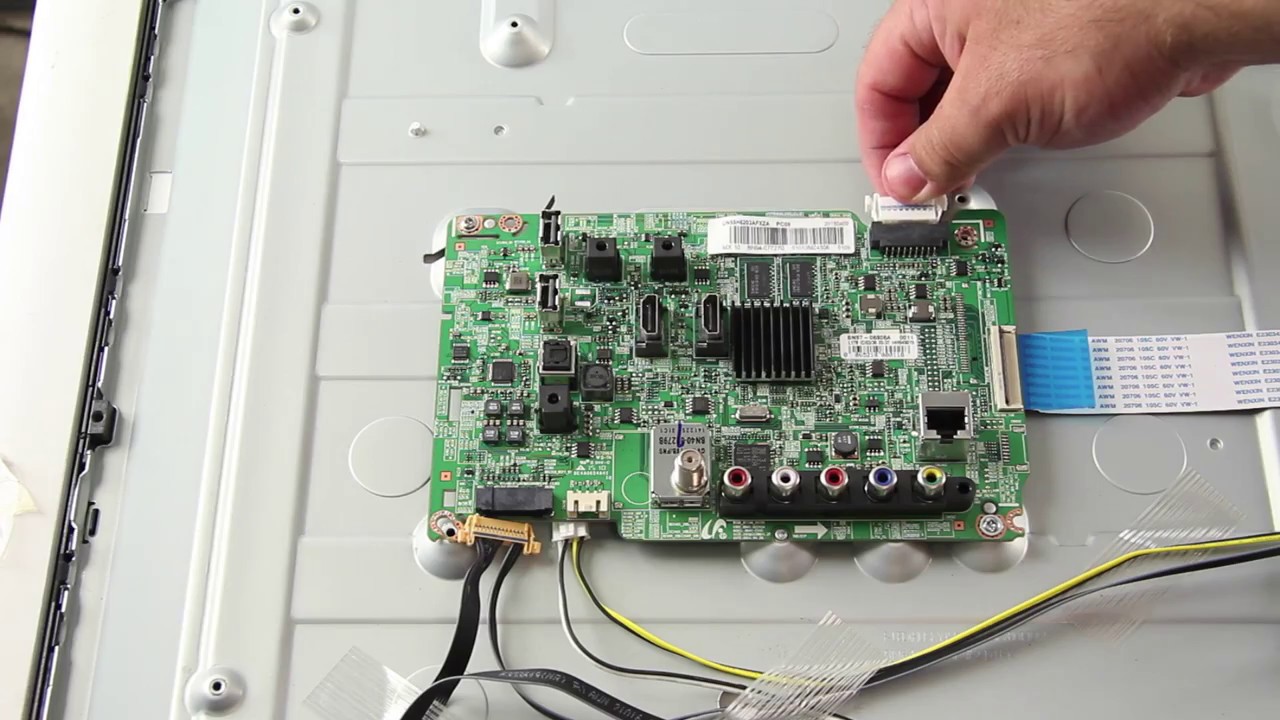
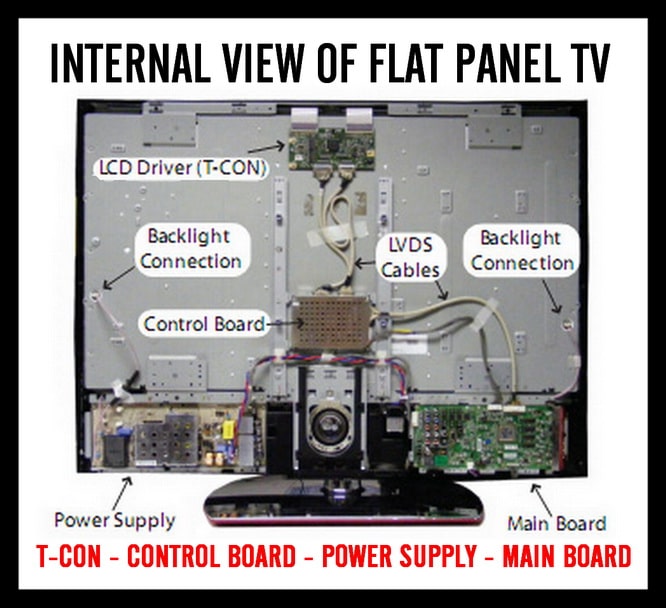
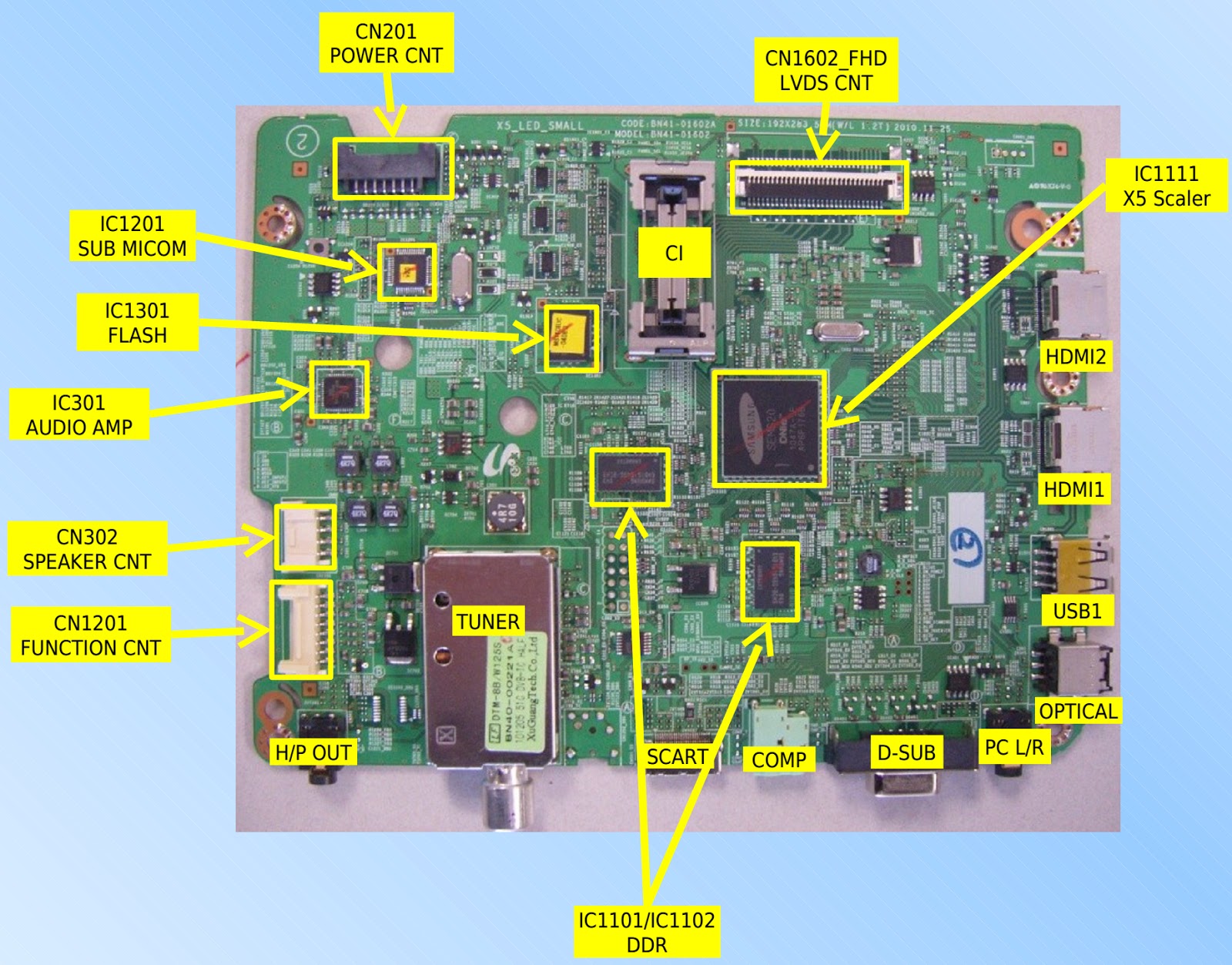
LED Circuit Boards are used in a variety of applications, from LED lights to TV displays. However, these boards can be prone to failure due to overheating, power surges, or poor design. When an LED Circuit Board fails, it can be frustrating and expensive to repair. But with the right knowledge and tools, you can learn to repair your LED Circuit Board and save money.
Identifying Faulty Components
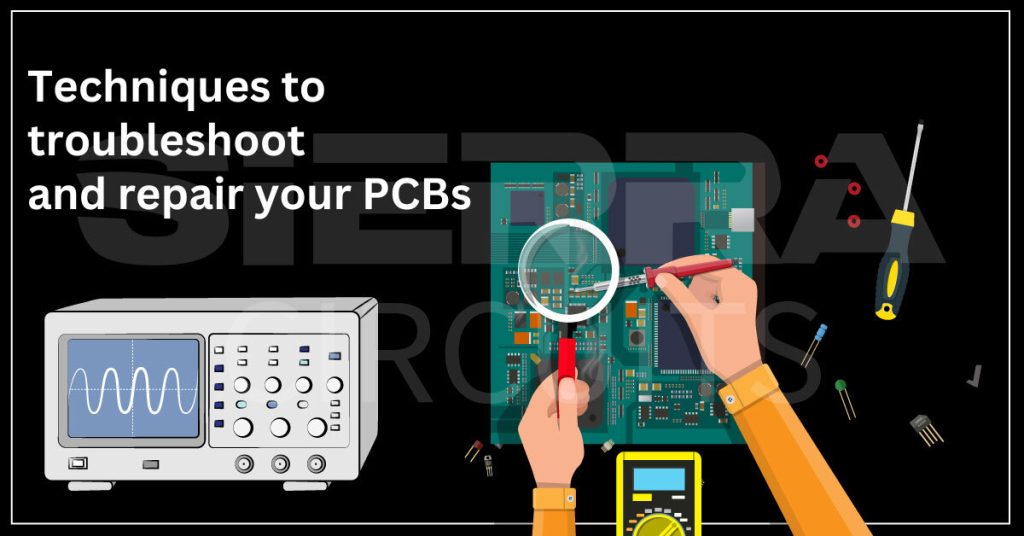
Before you begin repairing your LED Circuit Board, you need to identify the faulty components. This can be a challenge, especially if you're new to electronics repair. However, there are several signs that indicate a component is faulty:
- Bulging or leaking capacitors
- Short circuits
- Corrosion or oxidation on electrical components
- Dead or flickering LEDs
By identifying these signs, you can pinpoint the faulty component and begin the repair process.
Replacing Capacitors
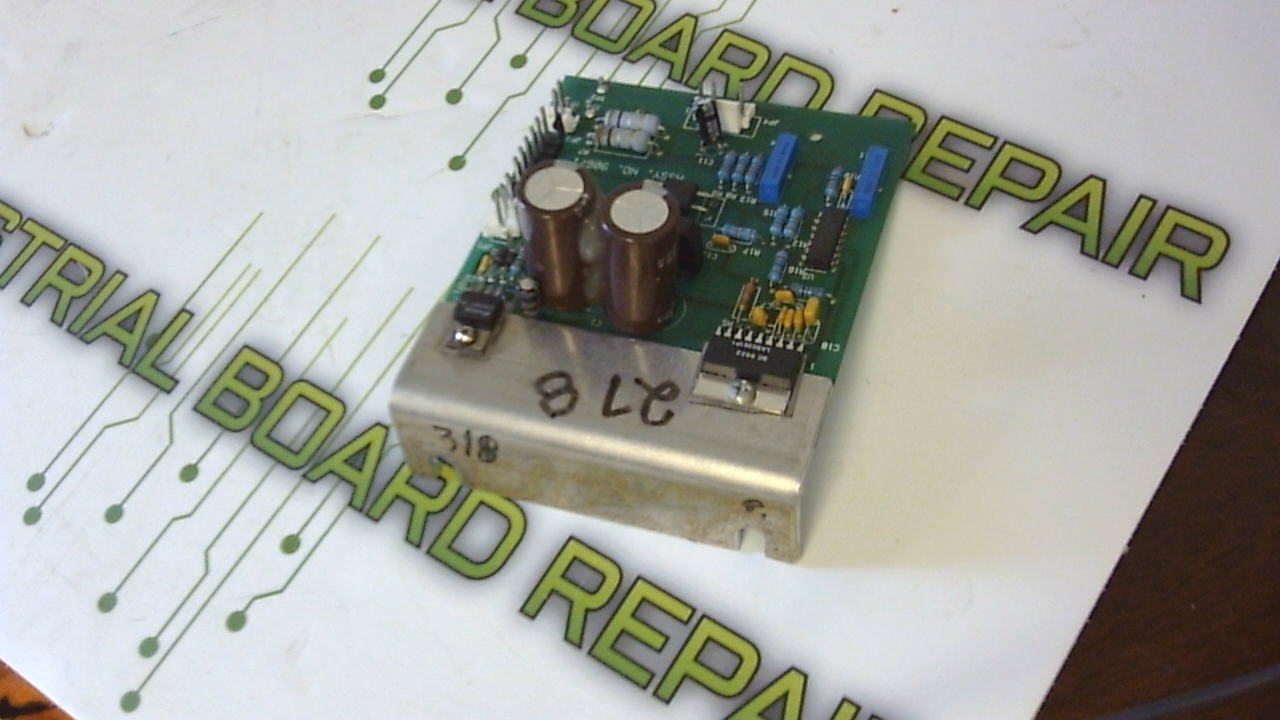
Capacitors are a common component in LED Circuit Boards. They help regulate the power supply to the LEDs and prevent overloading. However, capacitors can fail due to overheating or electrical stress. When a capacitor fails, it can cause the entire LED Circuit Board to malfunction.
To replace a capacitor, follow these steps:
- Identify the faulty capacitor
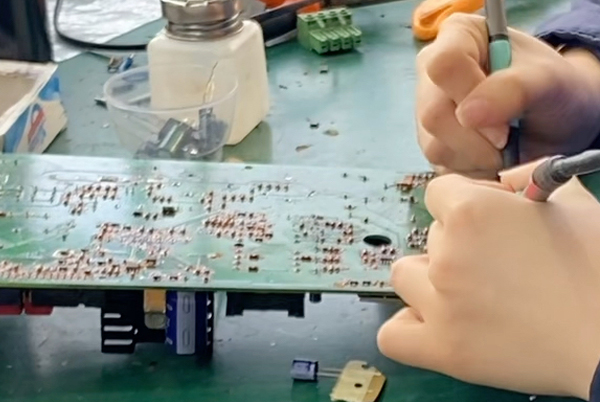
- Desolder the capacitor from the circuit board
- Install a new capacitor with the correct specifications
- Solder the new capacitor in place
Remember to use the correct soldering technique and tools to avoid damaging the circuit board or components.
Desoldering LEDs

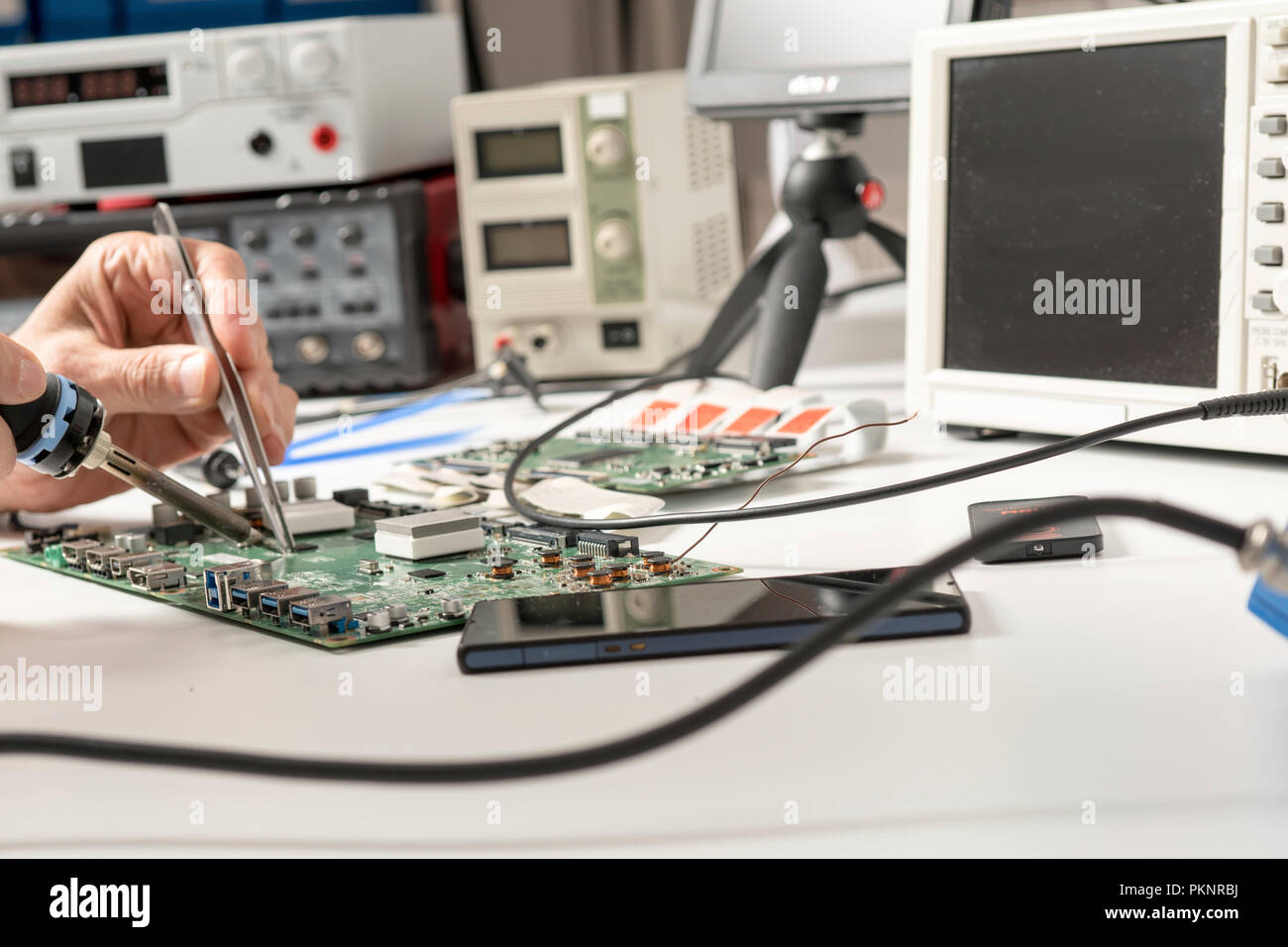
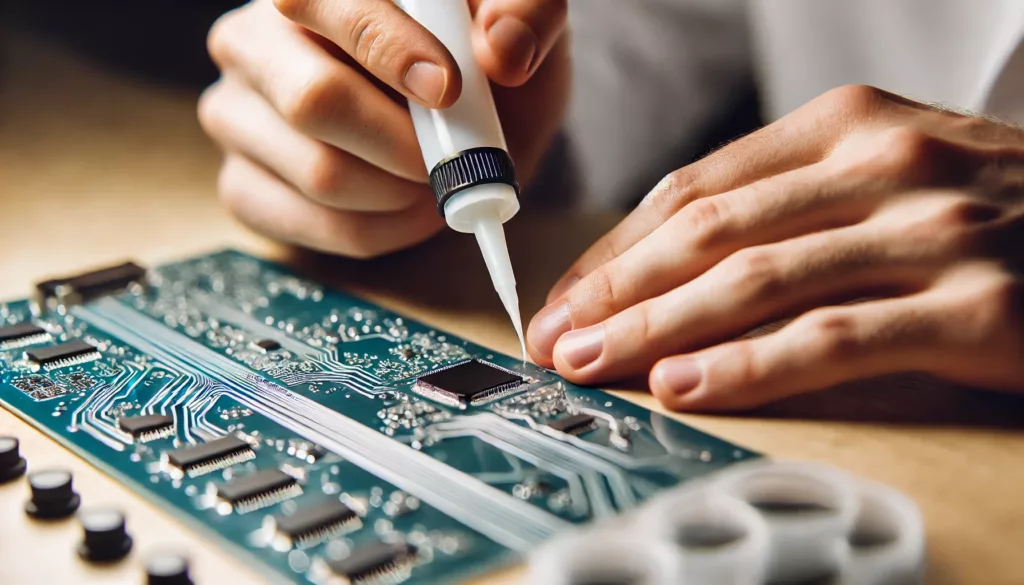
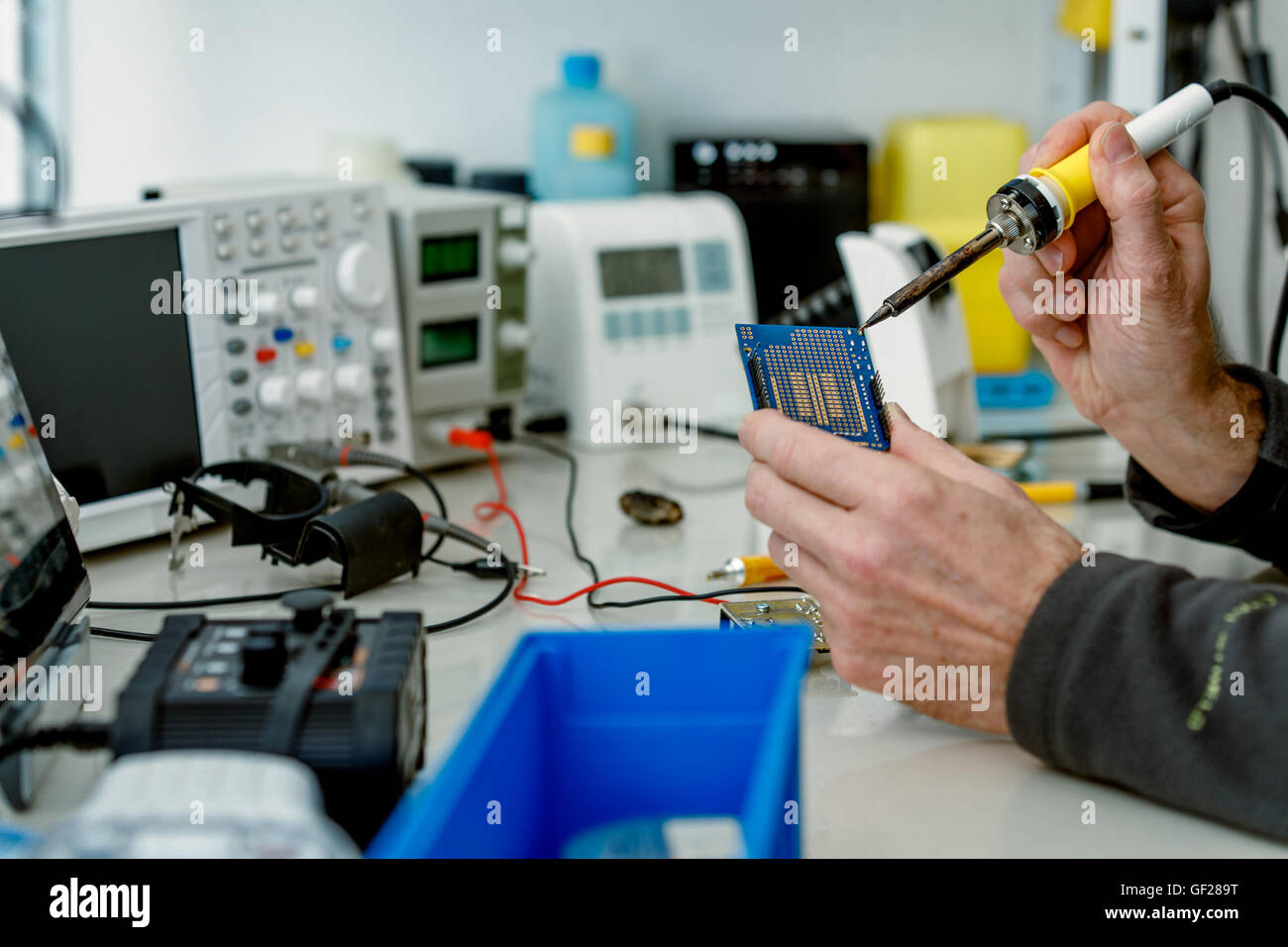
Desoldering LEDs can be a delicate process, especially if the LED is surface-mounted (SMD). To desolder an LED, follow these steps:
- Identify the LED you want to replace
- Use a desoldering wick or a solder sucker to remove the solder
- Carefully lift the LED off the circuit board
- Install a new LED with the correct specifications
- Solder the new LED in place
Remember to use a magnifying glass or a microscope to see the tiny components and solder joints.
Tools and Equipment
To repair an LED Circuit Board, you'll need a variety of tools and equipment, including:
- Soldering iron and solder
- Desoldering wick or solder sucker
- Magnifying glass or microscope
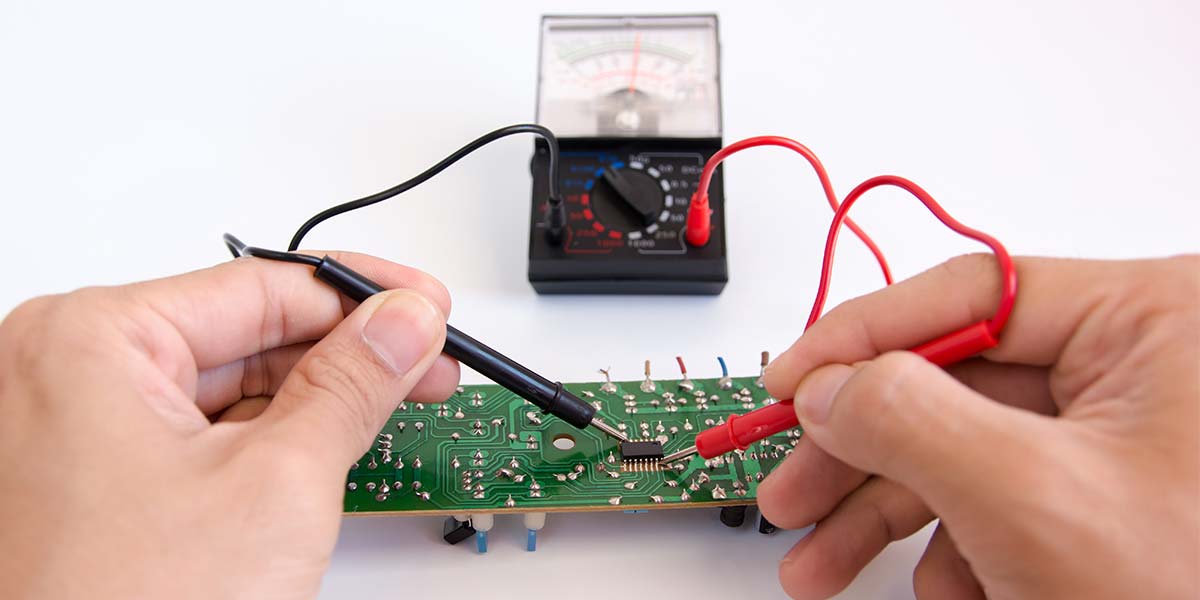
- Multi-meter or logic analyzer
- Component datasheet or manual
Make sure you have the correct tools and equipment before starting the repair process.
Conclusion
LED Circuit Board Repair is a complex process that requires precision, technical expertise, and effective troubleshooting skills. By following the steps outlined in this guide, you can learn to repair your LED Circuit Board and save money. Remember to identify faulty components, replace capacitors, and desolder LEDs with care and precision.
Resources
For more information on LED Circuit Board Repair, check out these resources:
- Popular Mechanics: Best Multimeter Choices for LED Repair
- Taste The Code: How to Easily Repair LED Panel Drivers in Just 5 Minutes
- 725Co: Expert Circuit Board Repairs for LED Displays