Can Dogs Take Ibuprofen for Sprains and Strains?
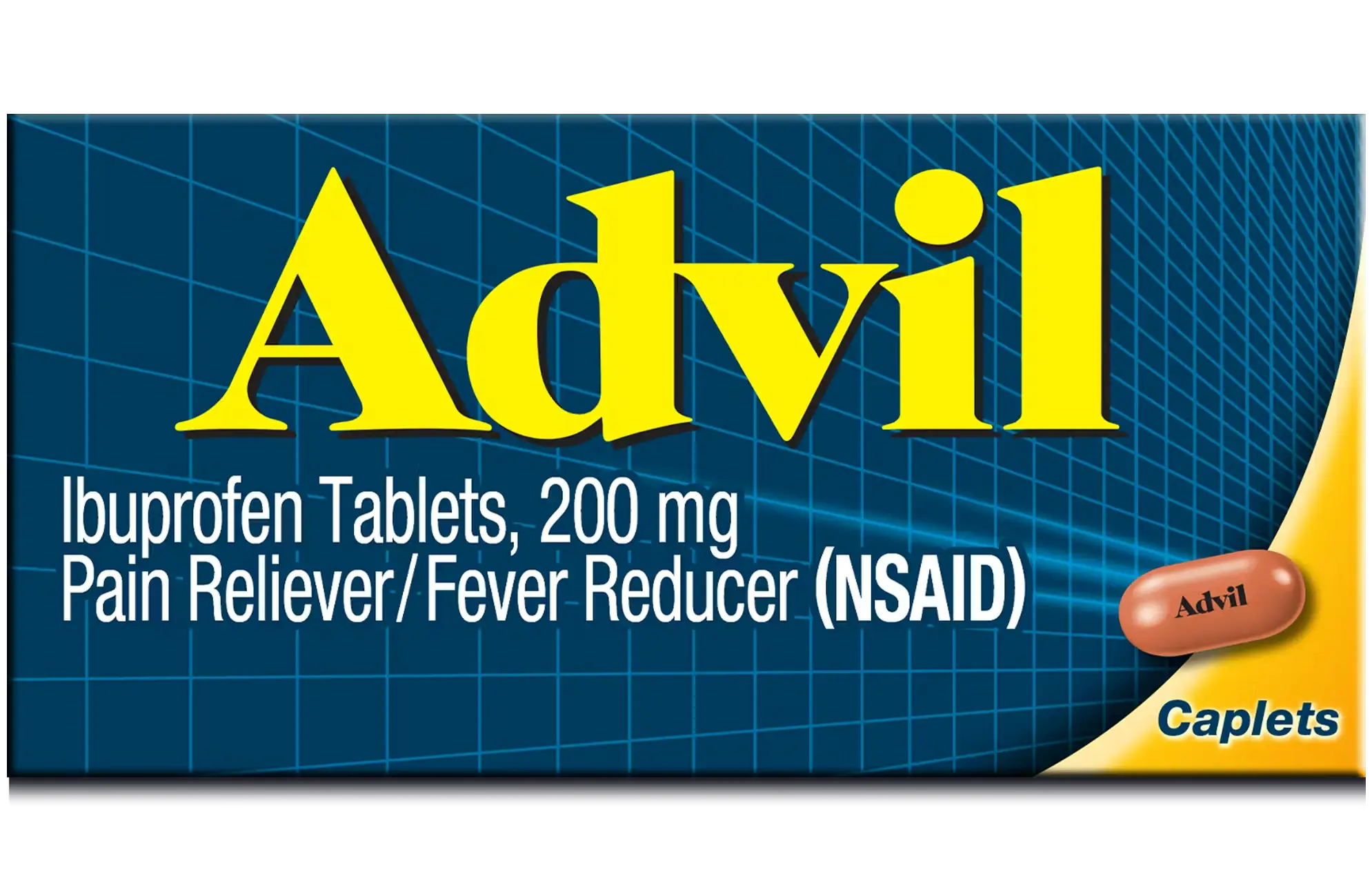
In this article, we'll delve into whether it's safe for dogs to take ibuprofen for sprains and strains. While human pain medications like ibuprofen may seem like a convenient solution to ease your dog's discomfort, they can be highly toxic and even life-threatening.
Understanding Sprains and Strains in Dogs
Sprains and strains in dogs are common injuries caused by overstretching or tearing of muscles, tendons, and ligaments. These injuries can occur due to various reasons, including playing, running, jumping, or accidents. Recognizing the signs of pain in dogs and seeking prompt veterinary care is crucial to prevent further complications.
The Risks of Giving Ibuprofen to Dogs
NSAIDs like ibuprofen are highly toxic to dogs and can cause severe kidney failure, liver failure, stomach ulcers, and bleeding, even in small doses. These medications can lead to rapid onset of toxic effects, including vomiting and lethargy. It's essential to avoid administering human medication to your pet without direct veterinary instruction.
Signs and Symptoms of a Sprained Leg in Dogs
A sprained leg in dogs can manifest through limping, whining, or slowing down. If you notice any of these symptoms, it's crucial to seek veterinary care immediately. Your vet will diagnose the condition and recommend appropriate treatment options, which may include prescription anti-inflammatory medications, cold packs, and rest.
Safe Alternatives for Pain Relief in Dogs

Instead of resorting to ibuprofen or other human pain medications, consult with your vet for safe and effective pain relief alternatives. Your veterinarian can prescribe canine-friendly medications, such as carprofen, meloxicam, or firocoxib, which are specifically designed for dogs.
Preventing and Treating Sprains and Strains in Dogs
Preventing sprains and strains in dogs requires a combination of proper care, regular exercise, and a balanced diet. According to the ASPCA, "a dog's body has a musculoskeletal system that can be injured while running, jumping, or playing, or even by taking a bad step in the backyard." Recognize the symptoms of sprains and strains, provide adequate rest and pain management, and follow your vet's advice to ensure your dog's full recovery.
Care and Recovery Tips for Sprained Dogs
- Provide crate rest to prevent re-injury
- Use cold packs to reduce inflammation
- Administer vet-prescribed anti-inflammatory medications
- Ensure proper nutrition, exercise, and rest
- Monitor their recovery progress and follow vet advice
Conclusion
When faced with a sprain or strain in your dog, seeking veterinary care is crucial. Do not take the risk of giving your dog human pain medication like ibuprofen without consulting your vet first. Stick to canine-friendly pain relief alternatives, and provide proper care and recovery tips to ensure your dog's full recovery. Your dog's health and well-being depend on it.