Preventing Ransomware On Cloud Storage
Cloud storage has become an integral part of modern digital lives, offering convenient and secure ways to store, access, and share data. However, the increasing reliance on cloud storage has also made it an attractive target for cybercriminals, particularly ransomware attackers. In this article, we will discuss the rising threat of ransomware in cloud storage, its implications, and most importantly, the strategies to prevent it.
The Rise of Ransomware in Cloud Storage
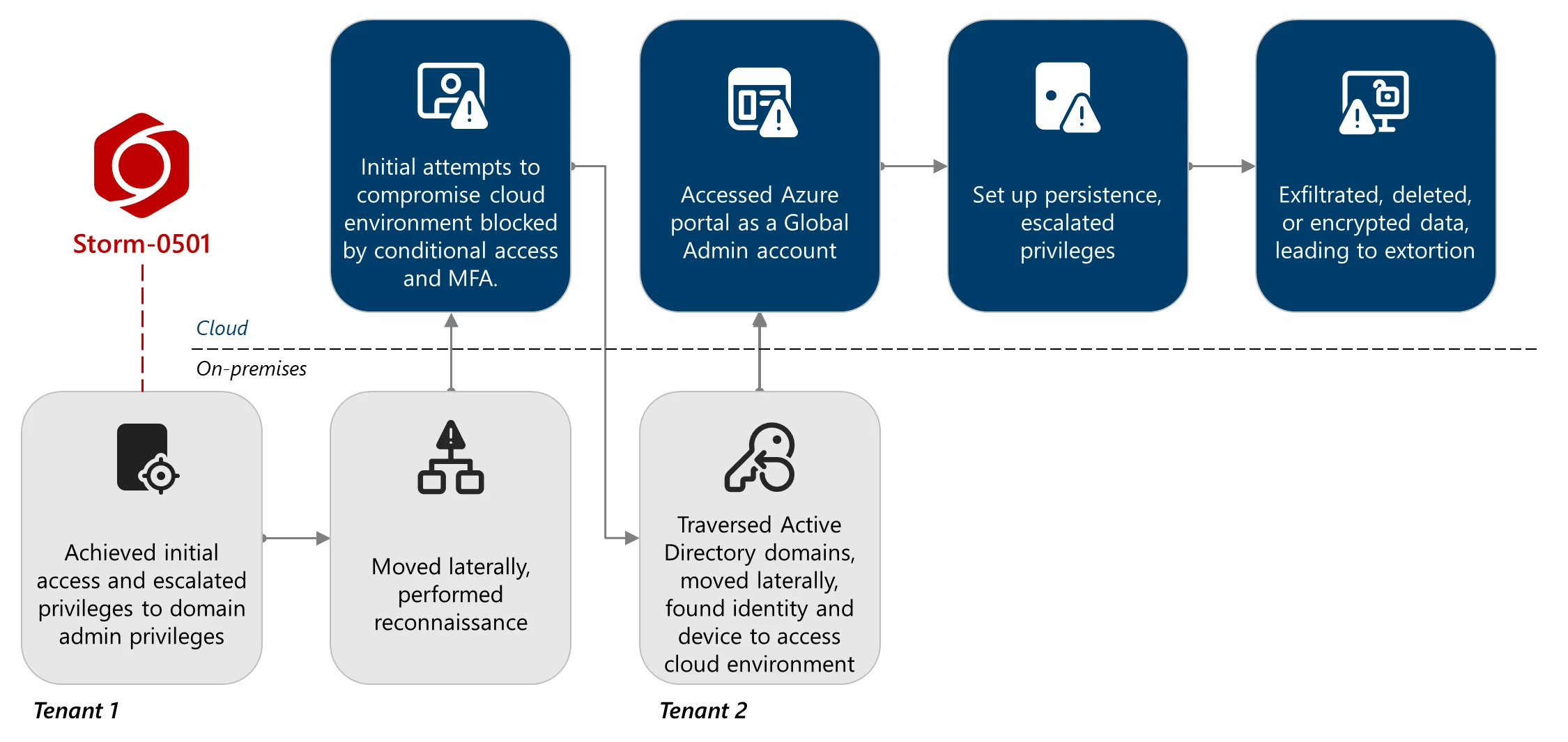
Ransomware has become a growing concern in recent years, and cloud storage is no exception. According to various reports, ransomware attacks on cloud storage services have increased significantly, with attackers targeting cloud-based data and systems by exploiting cloud-native features and APIs. The attacks often involve data exfiltration, deletion, and manipulation of cloud services, making them more sophisticated and difficult to detect.
Common Attack Vectors
Ransomware attackers often exploit cloud Storage accounts, Azure Storage accounts, and other cloud assets through various attack vectors, including:
- Compromised credentials
- Misconfigured storage
- Overly permissive permissions
- Security vulnerabilities
Best Practices for Preventing Ransomware in Cloud Storage
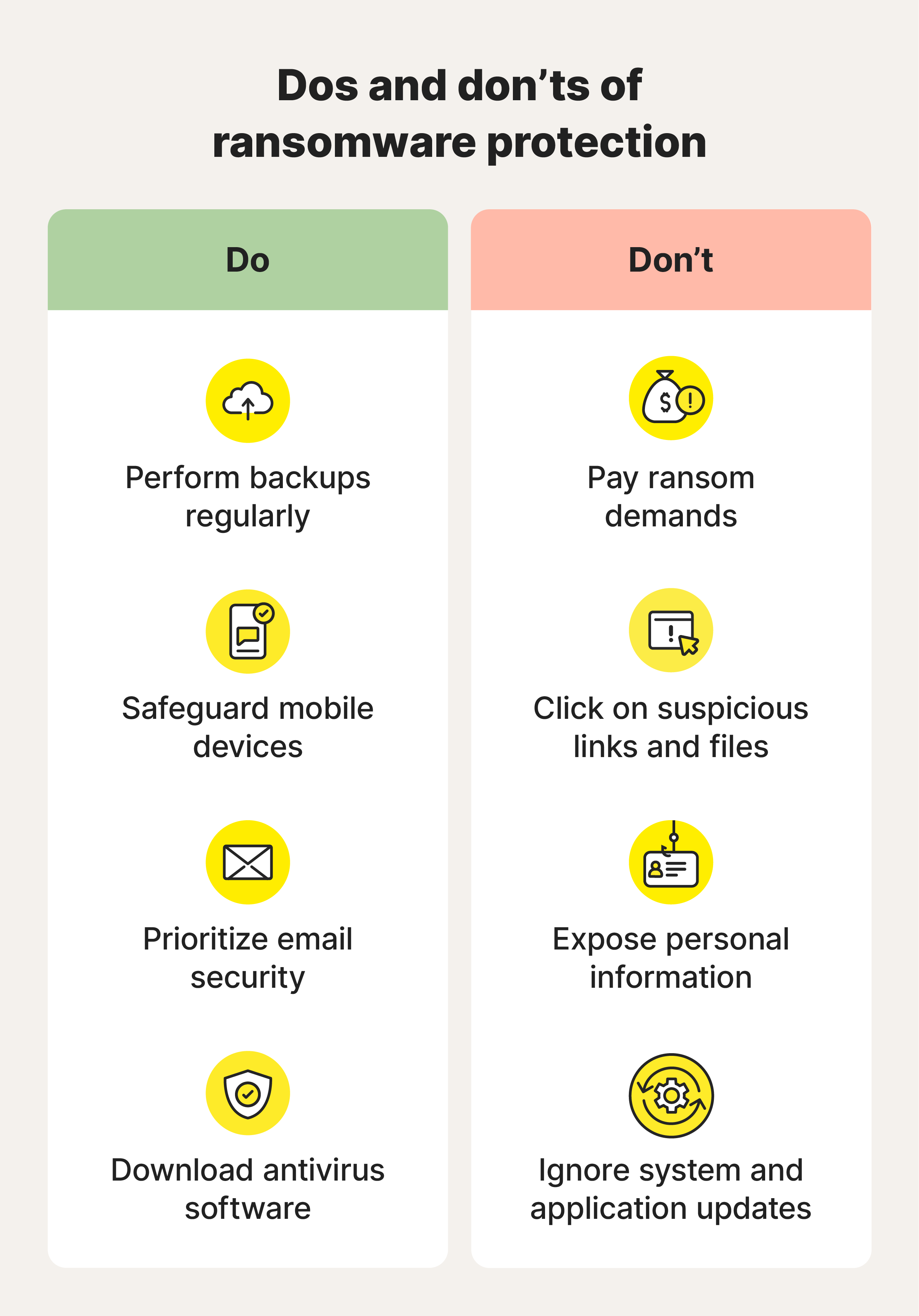
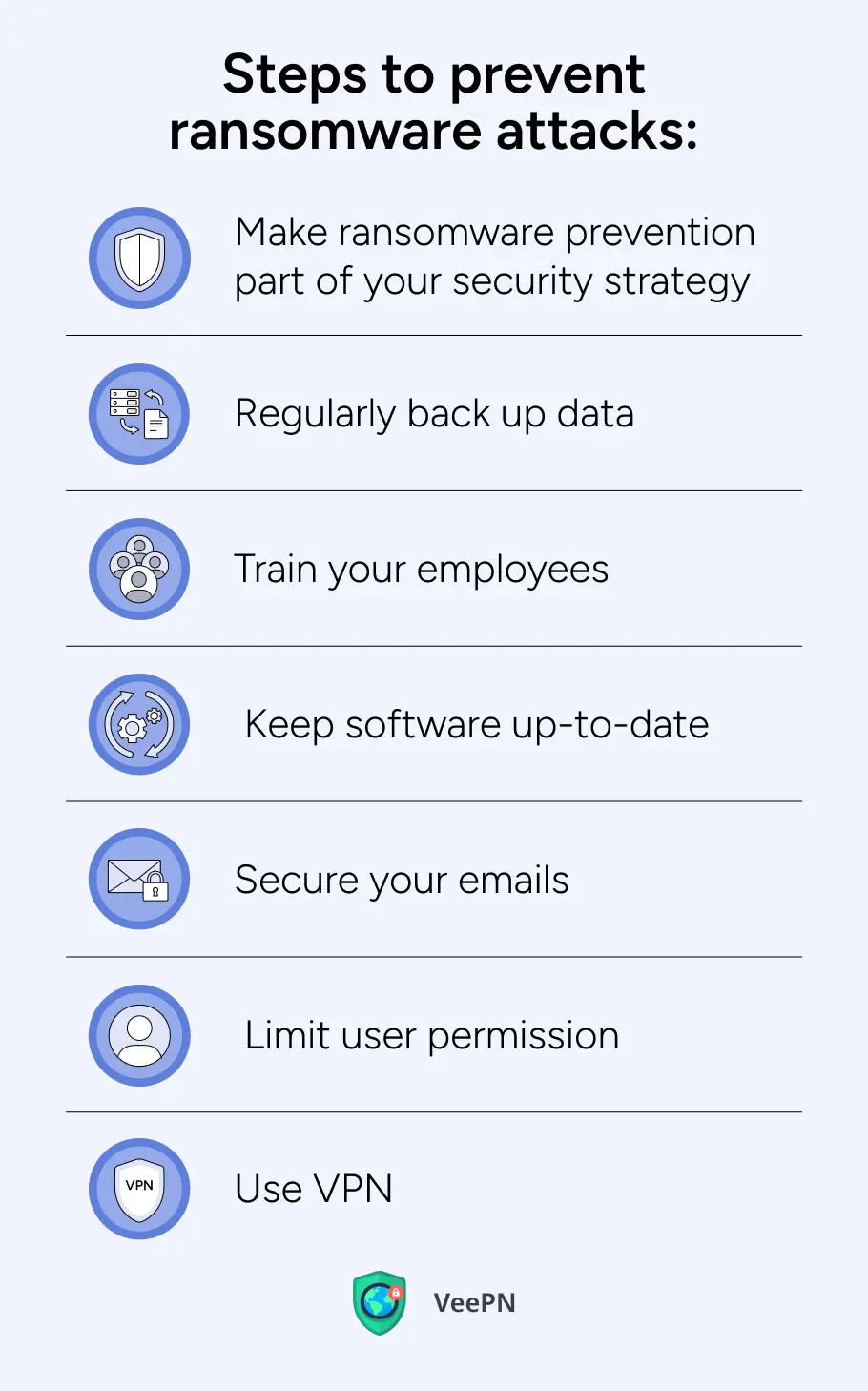
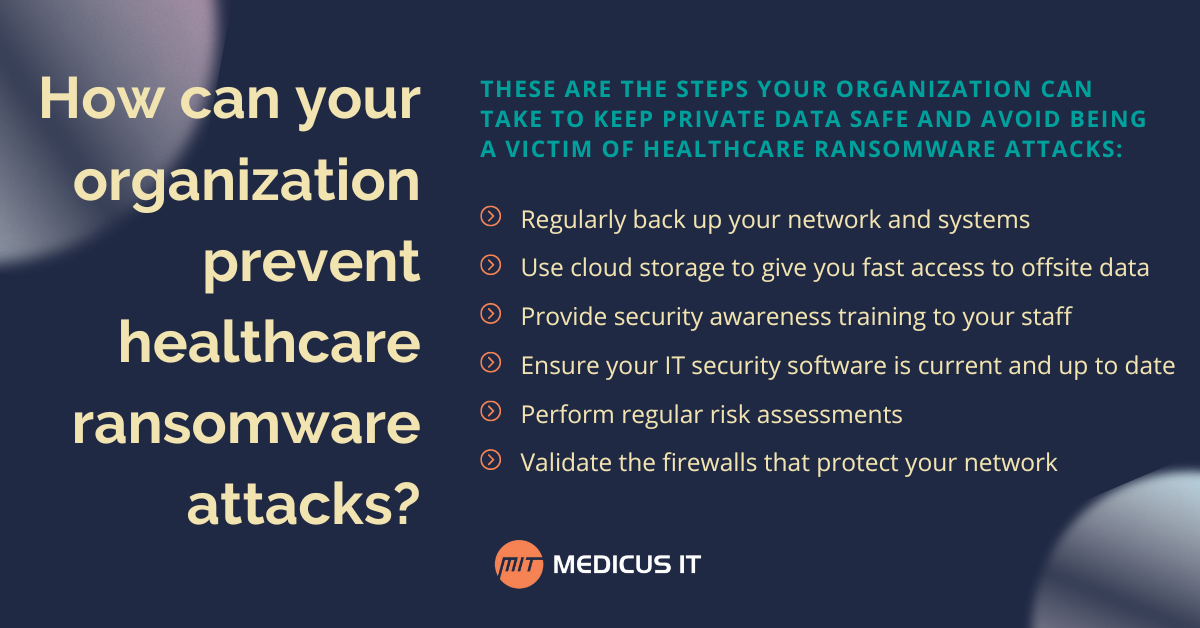
To prevent ransomware in cloud storage, consider the following best practices:- Implement Azure-native ransomware protections and configure them according to your organization's requirements.
- Use multi-factor authentication to secure access to cloud storage accounts.
- Regularly update and patch cloud storage software and applications to ensure the latest security fixes.
- Use encryption to protect data in transit and at rest.
- Implement least-privilege access to restrict access to sensitive data.
- Monitor cloud storage activity for suspicious behavior.
- Regularly back up and maintain recovery plans in case of an attack.
Protecting Cloud Backups

In addition to preventing ransomware attacks, it is equally important to protect cloud backups. Ransomware attackers often target cloud backups, which can be a significant blow to an organization's recovery efforts. To prevent this, ensure that your cloud backups are:
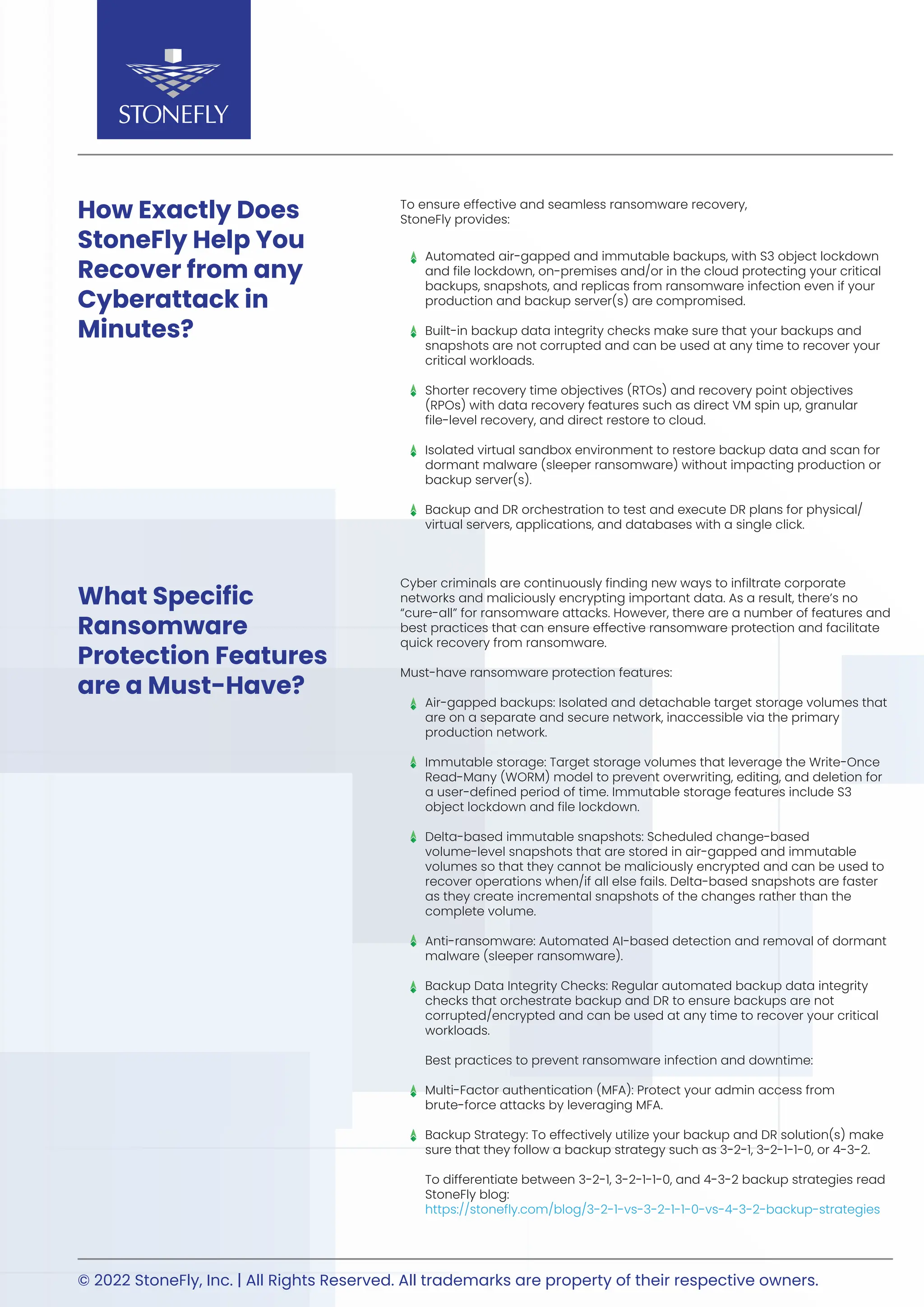
- Immutable to prevent data tampering or deletion.
- Air-gapped to prevent attackers from accessing the backup data.
- Versioned to track changes and restore previous versions.
Conclusion
Preventing ransomware on cloud storage requires a multi-layered approach that involves implementing robust security measures, staying updated on the latest security fixes, and maintaining regular backups. By following the best practices outlined in this article, organizations can significantly reduce the risk of ransomware attacks on cloud storage and protect their valuable data.
Additional Resources
For more information on preventing ransomware and protecting cloud storage, see the following resources:
- Azure native ransomware protections
- Sophos ransomware protection and recovery standards
- Fortra data loss prevention software
- Trellix ransomware prevention and recovery
Final Thoughts
Ransomware in cloud storage is a growing concern, and organizations must take proactive measures to prevent it. By understanding the common attack vectors and implementing the best practices outlined in this article, organizations can significantly reduce the risk of ransomware attacks and protect their valuable data. Stay informed, stay secure, and stay proactive in the fight against ransomware.