Protecting Against Identity Theft on Online Profiles: A Comprehensive Guide
Identity theft is a growing concern in the digital age, with cyber thieves using various tactics to steal personal and financial information. Protecting against identity theft on online profiles is crucial to prevent financial loss, damage to credit scores, and other consequences.
What is Identity Theft?
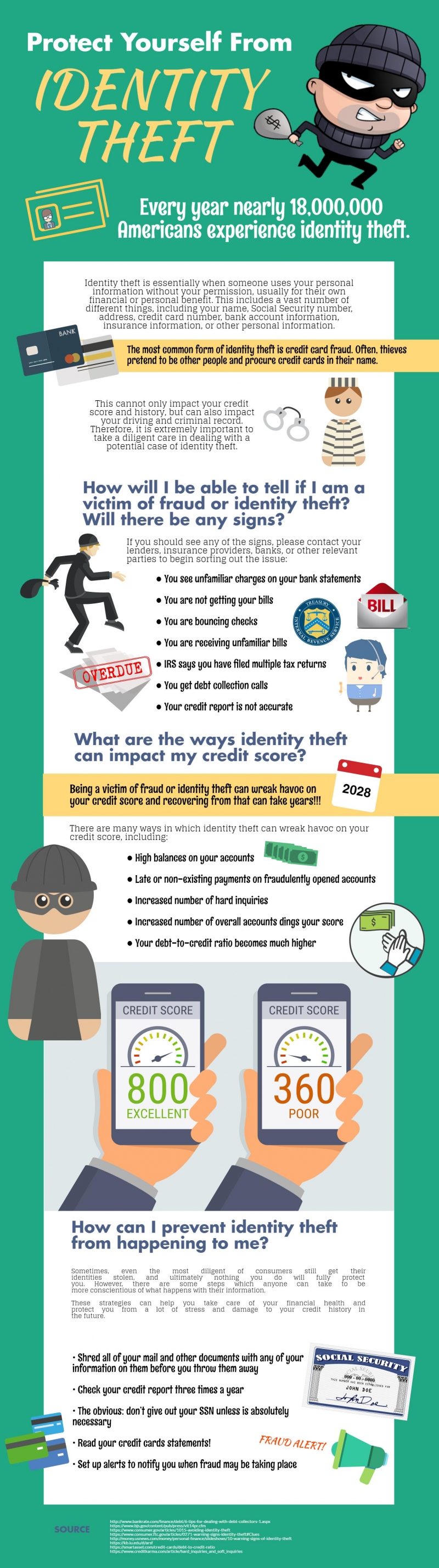
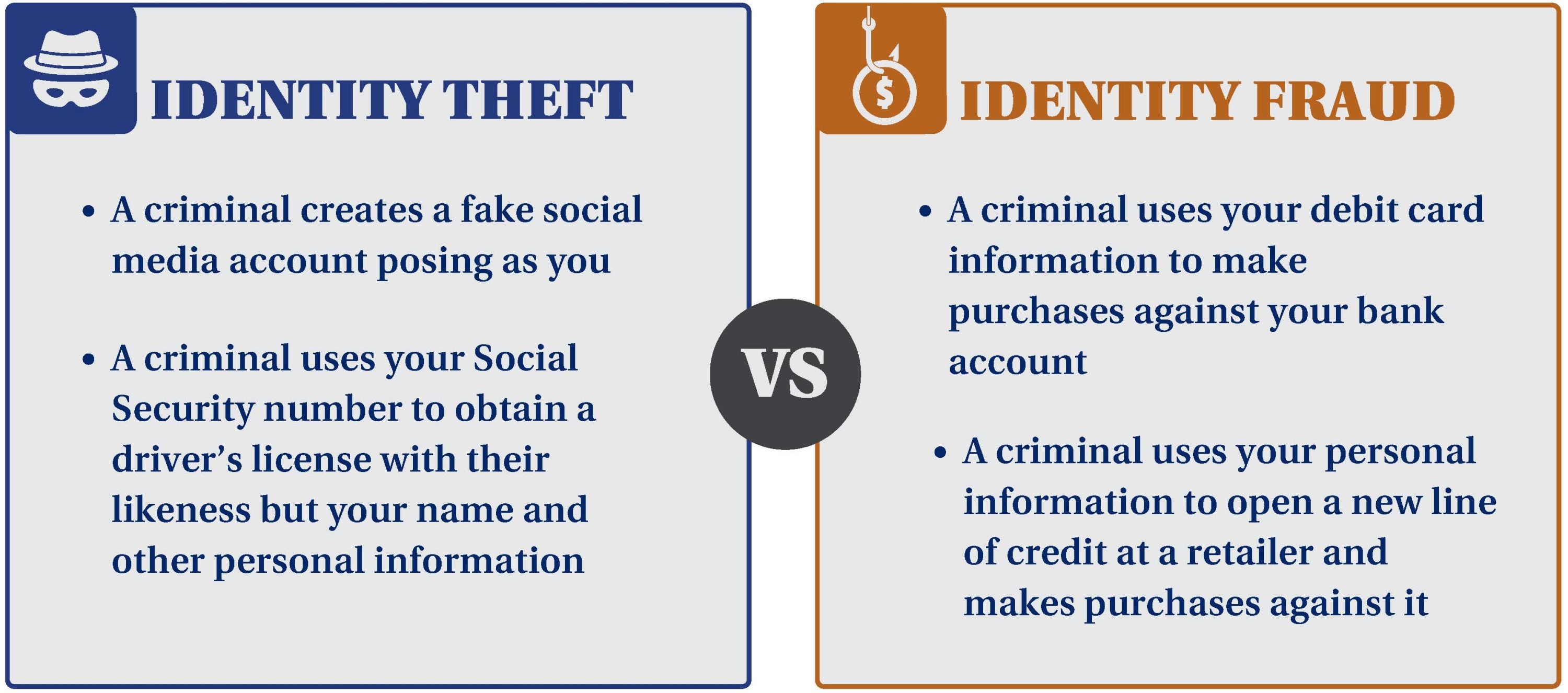
Identity theft occurs when a thief gathers information about an individual and uses it to impersonate or defraud them. This can be done using a small amount of data, such as a Social Security number, password, address, mother's maiden name, account number, or PIN. Thieves can use this information to make unauthorized credit card purchases, open bank accounts, take out loans, or commit crimes in the victim's name.
Why is Protecting Against Identity Theft Important?
According to the Federal Trade Commission, over 950,000 Americans lost nearly $2 billion to identity theft in 2023, with victims being mostly aged 30-39. Protecting against identity theft is essential to prevent financial loss and maintain a good credit score. It's also crucial to report incidents promptly to the relevant authorities.
Steps to Protect Against Identity Theft on Online Profiles
Here are actionable steps to prevent identity theft on online profiles:

- Monitor Bank Statements: Regularly check your bank statements for any suspicious transactions or accounts you don't recognize.
- Use Strong Passwords: Use unique and complex passwords for each online account, and consider using a password manager to keep track of them.
- Enable Two-Factor Authentication (2FA): Enable 2FA on all online accounts to add an extra layer of security.
- Be Cautious with Public Wi-Fi: Avoid using public Wi-Fi for sensitive activities, such as online banking or shopping, as it can be easily hacked.
- Keep Software Up-to-Date: Ensure your operating system, browser, and security software are up-to-date to prevent exploitation of known vulnerabilities.
- Use a Virtual Private Network (VPN): Consider using a VPN when using public Wi-Fi or connecting to public hotspots.
- Freeze Your Credit Report: Freeze your credit report to prevent opening new accounts or credit inquiries in your name.
Additional Resources for Protecting Against Identity Theft
In addition to following these steps, consider the following resources to protect yourself against identity theft:
- Identity Theft Assistance Center: Report and recover from identity theft at IdentityTheft.gov, a one-stop resource provided by the federal government.
- FTC Credit Report: Obtain a free credit report from each of the three major credit bureaus.
- Identity Theft Coverage: Look into identity theft protection services, such as Aura, LifeLock, or Experian's IDNotify.
- IRS Identity Protection PIN: Get an IP PIN from the Internal Revenue Service to protect against tax-related identity theft.
Conclusion:
Protecting against identity theft on online profiles requires vigilance and proactive measures. Following these steps and utilizing the additional resources available can significantly reduce the risk of identity theft and financial loss. Be cautious, stay informed, and take control of your online identity to maintain your financial security.

![How to Prevent Identity Theft With 20 Essential Steps [Updated 2026]](https://cdn.co-opinsurance.com/wp-content/uploads/2023/12/01151224/ID-Theft-Part-2-Image-2-1200-x-628-copy.jpg "How to Prevent Identity Theft With 20 Essential Steps [Updated 2026]")