Protecting my bank account from financial exploitation
Financial exploitation is a growing concern for many individuals, particularly the elderly and those with complex financial needs. As a result, it's essential to take proactive steps to protect your bank account from financial exploitation. In this article, we'll explore the warning signs of financial exploitation, how to prevent it, and the steps you can take to safeguard your financial well-being.
What is financial exploitation?
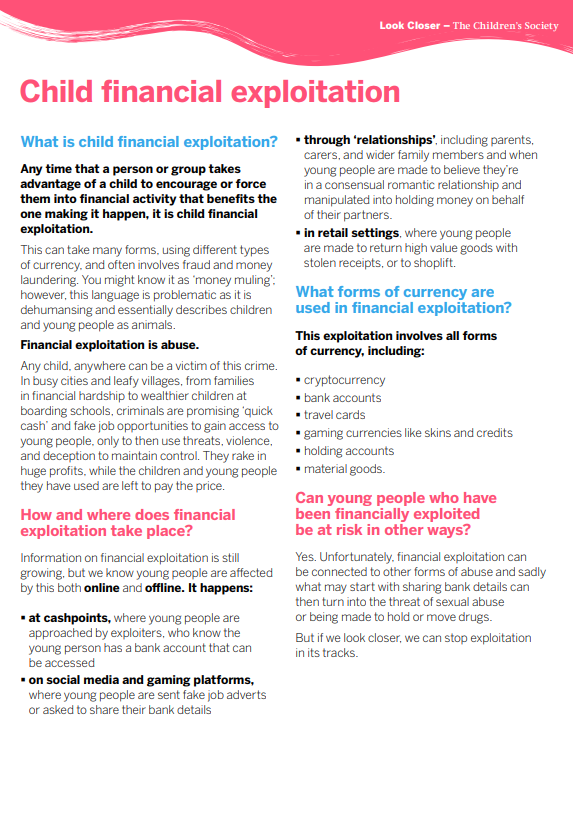
Financial exploitation, also known as financial abuse, occurs when someone misuses or takes the assets of a vulnerable adult for their own personal benefit. This can include unauthorized transactions, hidden bank accounts, or the use of power of attorney for personal gain. Financialexploitation can be committed by someone you know, such as a family member, caregiver, or friend, or by a stranger through scams or identity theft.
Warning signs of financial exploitation
To protect your bank account from financial exploitation, it's essential to be aware of the warning signs. These can include:
- Unexplained transactions or withdrawals from your bank account
- New bank accounts or credit cards that you didn't authorize
- Changes to your account settings or login information without your knowledge
- Sudden non-sufficient fund activity or unpaid bills
- Unfamiliar people accompanying you to the bank or accessing your account
Preventing financial exploitation
To prevent financial exploitation, consider the following steps:
- Monitor your bank accounts and credit reports regularly for suspicious activity
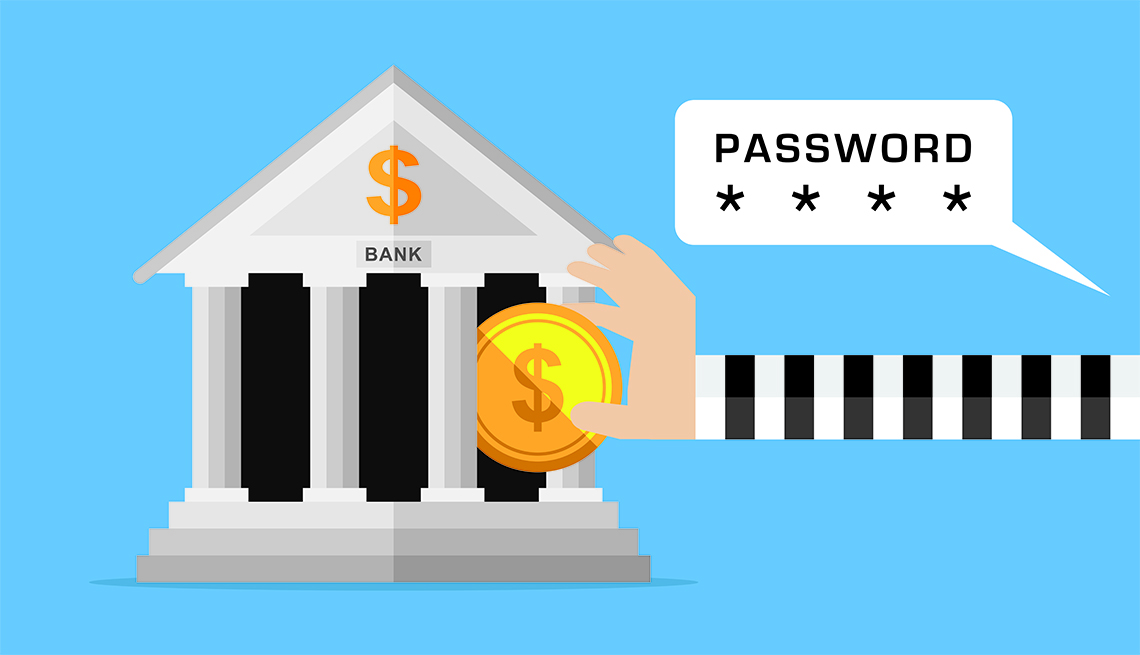
- Use strong, unique passwords and enable two-factor authentication on your accounts
- Keep your financial information and documents secure and locked away
- Be cautious of unsolicited phone calls, emails, or messages requesting financial information
- Limit access to your accounts and financial information to trusted individuals
Safeguarding your financial well-being
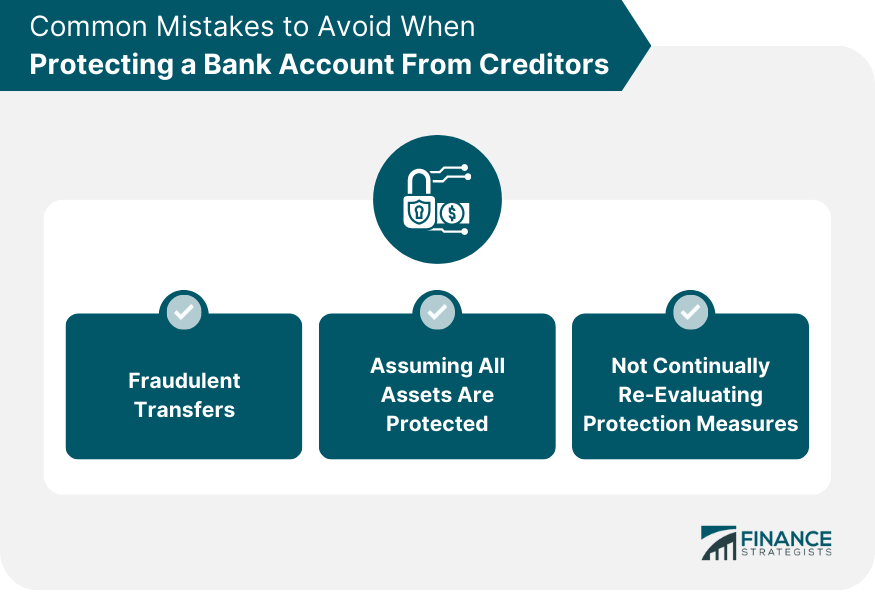
To safeguard your financial well-being, consider the following steps:
- Change your online banking password and any email passwords connected to your financial accounts
- Enable multi-factor authentication on all financial apps to add an extra layer of protection
- Consider using a financial advisor or financial planning service to help manage your finances
- Keep a record of your financial transactions and account activity
- Report any suspicious activity to your bank or financial institution immediately
Protecting vulnerable adults
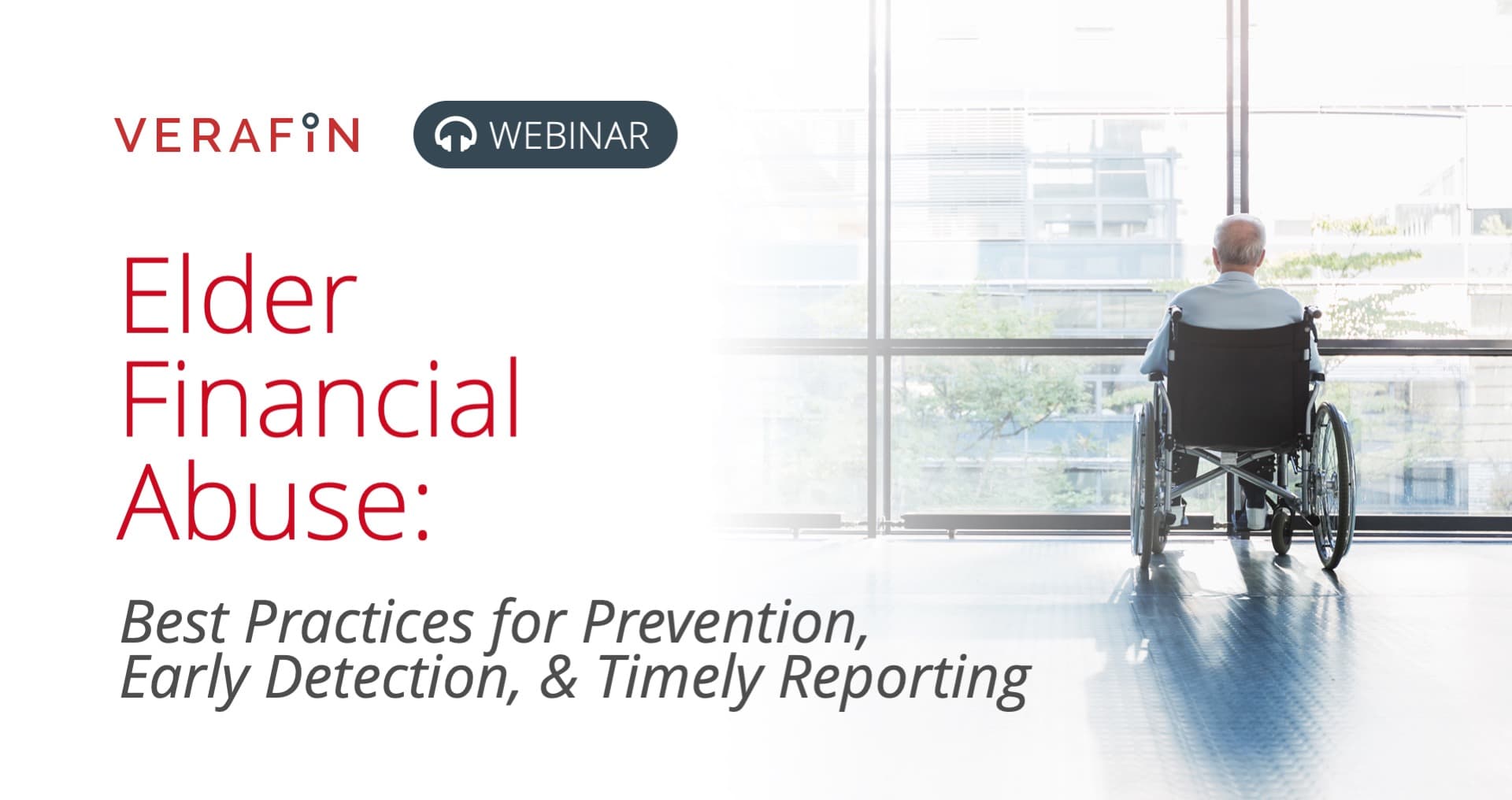
Vulnerable adults, such as the elderly or those with complex financial needs, may be at a higher risk of financial exploitation. To protect them, consider the following steps:
- Establish a power of attorney or guardianship to oversee their financial affairs
- Monitor their bank accounts and credit reports regularly for suspicious activity
- Limit access to their financial information and accounts
- Consider using a financial advisor or financial planning service to help manage their finances
Conclusion
Financial exploitation is a growing concern for many individuals, particularly the elderly and those with complex financial needs. By being aware of the warning signs, taking proactive steps to prevent it, and safeguarding your financial well-being, you can protect your bank account from financial exploitation. Remember to stay vigilant, monitor your accounts regularly, and report any suspicious activity to your bank or financial institution immediately.
Resources
If you're concerned about financial exploitation or want to learn more about protecting your financial well-being, consider the following resources:
- National Adult Protective Services Association (NAPSA)
- Protecting older adults from fraud and financial exploitation
- Senior financial abuse costs an estimated $36.5 billion annually
- True Link Financial, Inc. provides life-changing financial solutions for people with complex needs and those who care for them