Re-negotiating Credit Card Debt: A Step-by-Step Guide
Are you drowning in credit card debt? Do you feel overwhelmed by the high interest rates and accumulating balance? You're not alone. Millions of Americans struggle with credit card debt, but there is hope. Re-negotiating credit card debt can be a powerful tool to manage your debt and regain control of your finances. In this article, we'll explore the ins and outs of re-negotiating credit card debt, including the reasons why you should do it, where to start, and what to look for.
Why Re-negotiate Credit Card Debt?
High interest rates are a significant problem when it comes to credit card debt. In the United States, the average credit card interest rate is around 20%. This means that if you have $1,000 in credit card debt, you'll end up paying $200 in interest alone over the course of a year. Re-negotiating your credit card debt can help you lower the interest rate, making it more manageable to pay off your balance. Additionally, re-negotiation can also help you temporarily pause payments, modify your payments, or settle your debt.
Where to Start
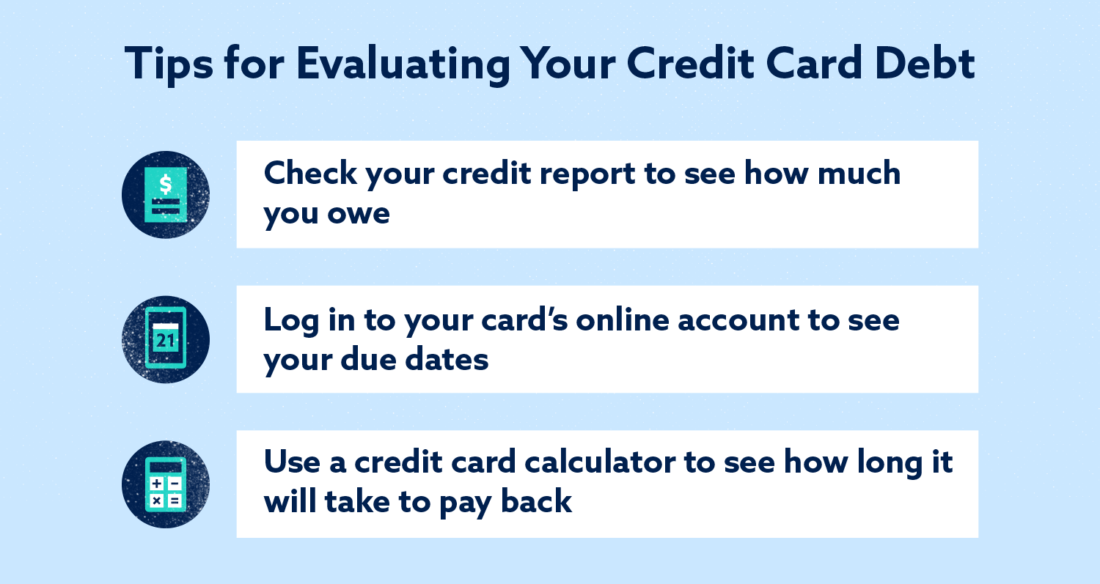
Before you begin the re-negotiation process, it's essential to get a clear picture of your financial health. Take the following steps:
- Review your credit report: Check for errors and dispute any inaccuracies.
- Calculate your debt-to-income ratio: This will help you understand how much you can afford to pay each month.
- Identify your income and expenses: Make a list of your monthly income and expenses to understand where your money is going.
- Research your credit card terms: Study your credit card agreement to understand the interest rate, fees, and any other terms.
- Prepare your case: Gather documents, such as pay stubs, bills, and bank statements, to demonstrate your financial situation.
What to Look for in a Re-negotiation
When re-negotiating your credit card debt, there are several options to consider:
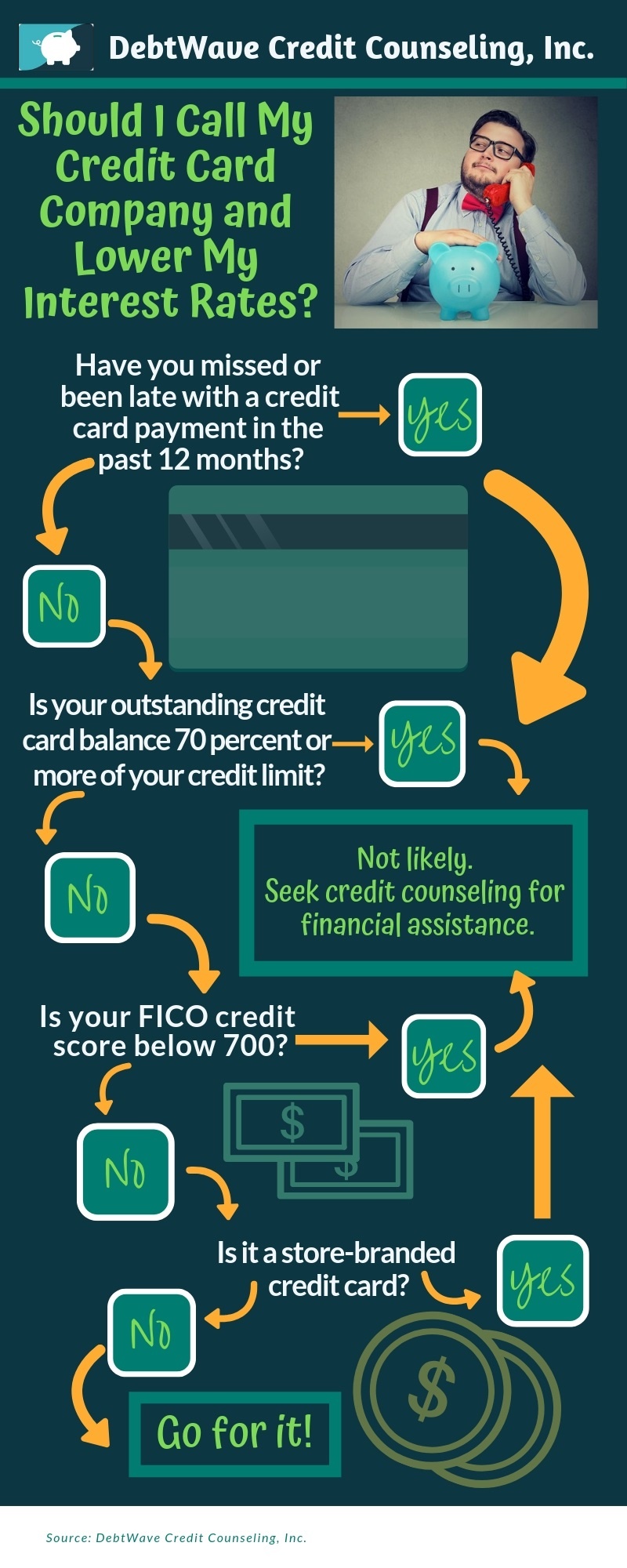
- Interest rate reduction: Talk to your credit card issuer about lowering the interest rate to a more manageable level.
- Temporary pause on payments: Request a temporary halt on payments to give you time to get your finances in order.
- Payment modification: Discuss modifying your payment plan to make it more manageable.
- Settlement: Negotiate a lump sum payment to settle your debt.
Re-negotiation Strategies

Here are some effective strategies to keep in mind when re-negotiating your credit card debt:
- Be honest and transparent: Communicate openly with your credit card issuer about your financial situation.
- Be respectful and professional: Treat your credit card issuer with respect and professionalism.
- Be prepared: Gather all necessary documents and be ready to discuss your options.
- Don't be afraid to walk away: If the re-negotiation process doesn't yield a satisfactory outcome, be willing to consider alternative options, such as debt consolidation or credit counseling.
Conclusion
Re-negotiating credit card debt can be a powerful tool to manage your debt and regain control of your finances. By understanding the reasons why you should re-negotiate, where to start, and what to look for, you can effectively navigate the re-negotiation process. Remember to be honest, respectful, and prepared, and don't be afraid to walk away if necessary. Take control of your credit card debt today and start building a brighter financial future.
Additional Resources
For more information on re-negotiating credit card debt, consider consulting the following resources:
- Credit Counseling Services: Many non-profit organizations offer credit counseling services to help you manage your debt.
- Debt Consolidation Companies: These companies can help you consolidate your debt into a single, lower-interest loan or credit card.
- Financial Advisors: A financial advisor can provide personalized advice on managing your debt and creating a budget.
Final Thoughts
Re-negotiating credit card debt can be a complex and intimidating process, but it's a necessary step in managing your debt and regaining control of your finances. By understanding the reasons why you should re-negotiate, where to start, and what to look for, you can effectively navigate the re-negotiation process. Don't hesitate to seek help from credit counseling services, debt consolidation companies, or a financial advisor if needed. Remember, taking control of your credit card debt is the first step towards financial freedom.