Router Security Best Practices for Home: Essential Tips to Protect Your Network
Your router is the gatekeeper of your home network, but is it truly secure? Cybercriminals are always hunting for weak spots in your smart home and connected devices, and outdated router security settings could leave your entire network exposed.
The Problem with Home Wi-Fi Security
If you don't secure your home Wi-Fi network, cyber threat actors can perform a number of operations that can compromise your privacy and security. This includes:
- Stealing sensitive information, such as passwords and credit card numbers
- Launching malware attacks and viruses
- Gaining unauthorized access to your devices and network
The Importance of Router Security
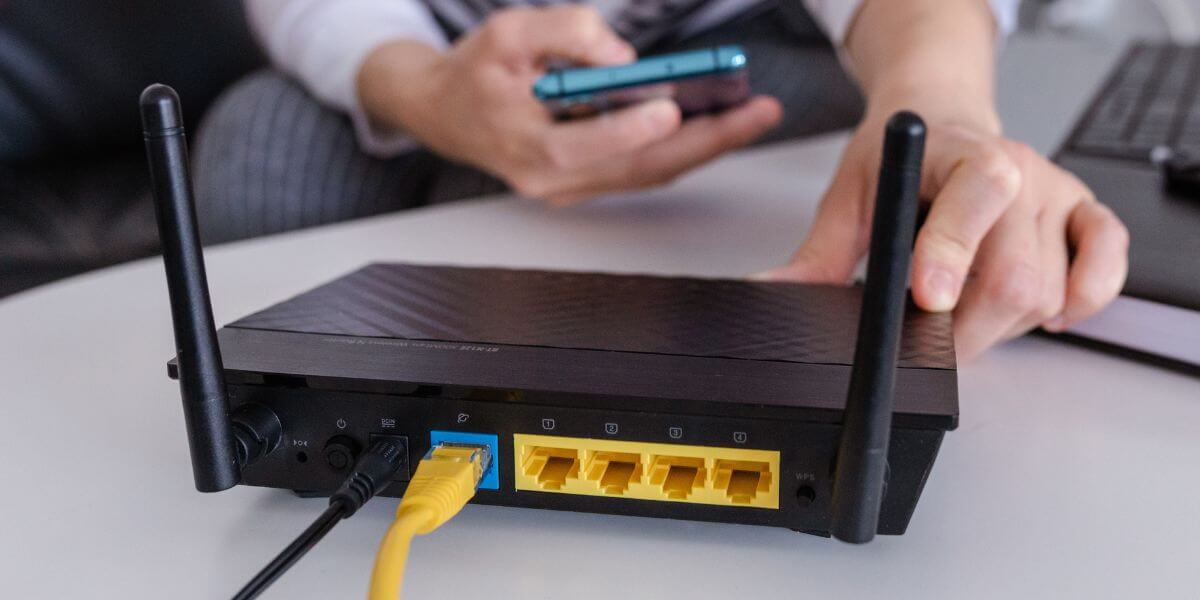
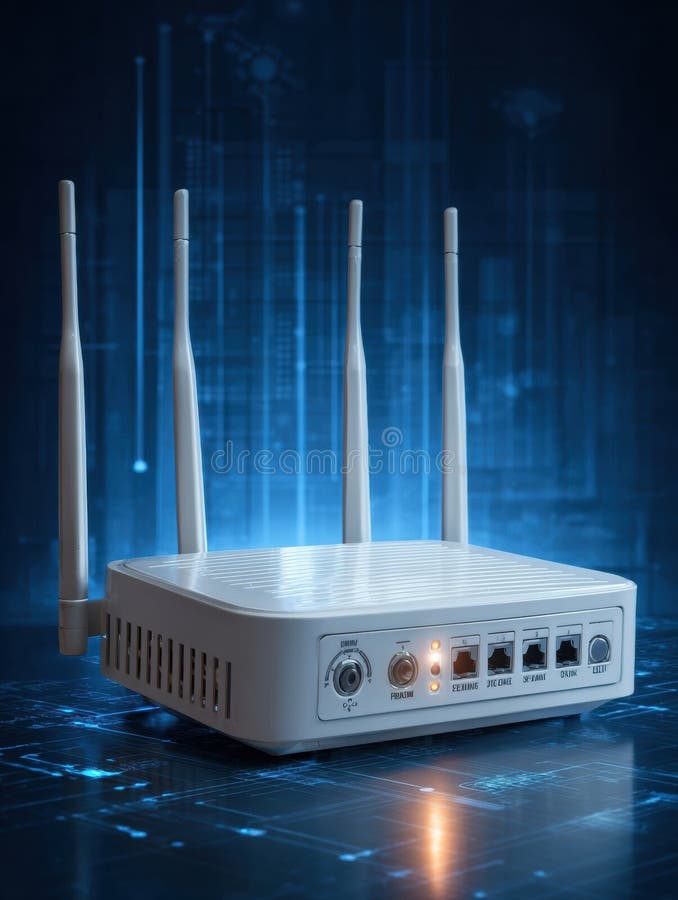
Network security starts with the right router settings. The security of your network is based on the fact that only you, your family members, and visitors should have access to it. Here are some essential router security best practices for home:
1. Change the Default Username and Password
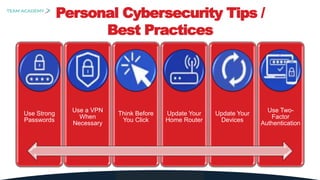
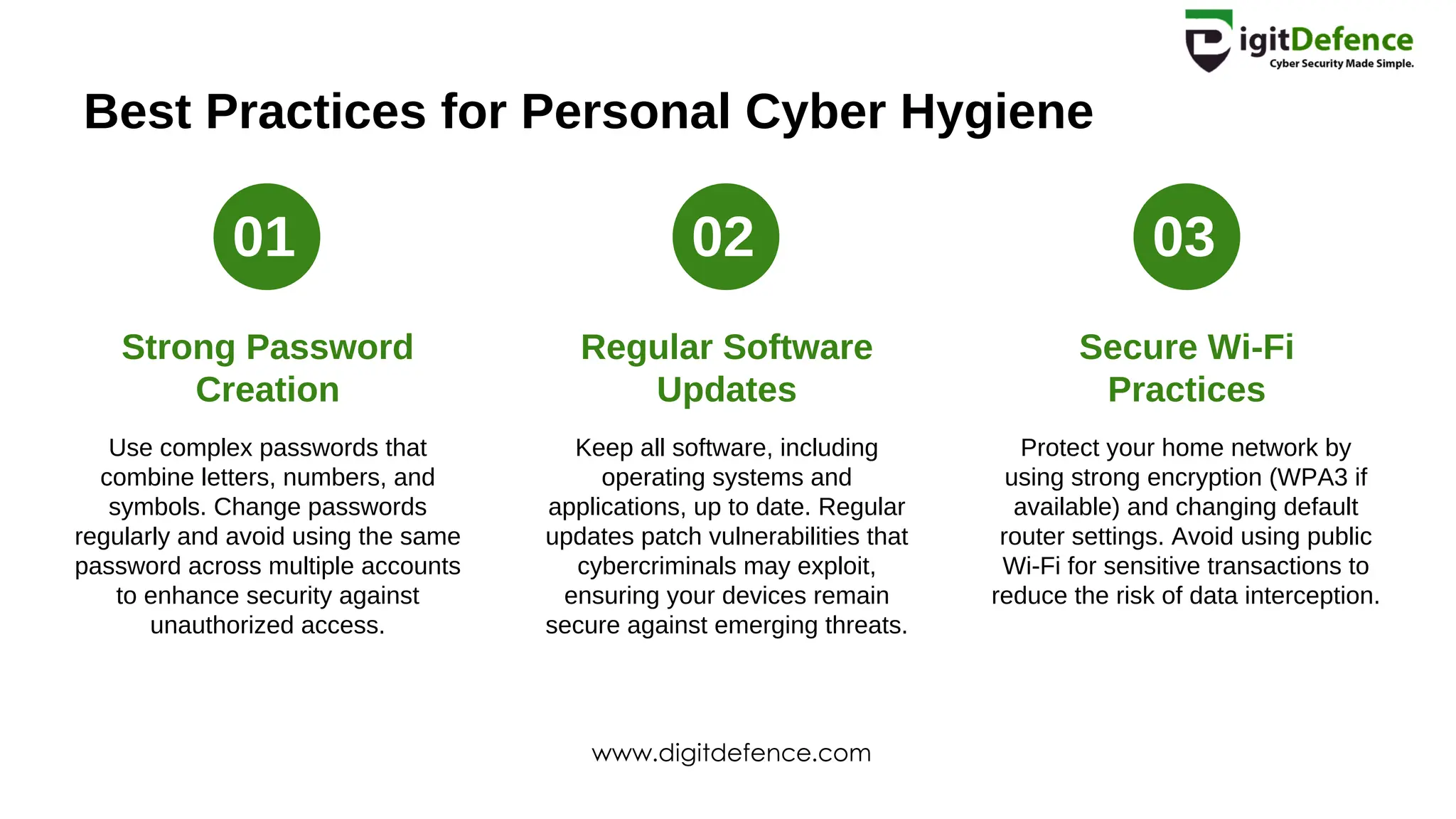
The first step to securing your router is to change the default username and password. This will prevent unauthorized access to your router and network. Make sure to use strong, unique passwords that are not easily guessable.
2. Enable WPA3 Encryption
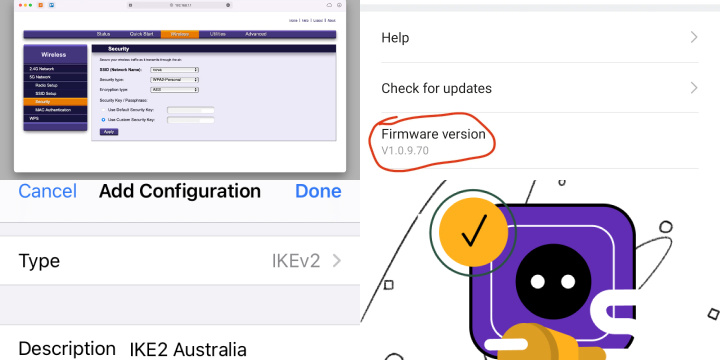
WPA3 (Wireless Protected Access 3) is a more secure encryption protocol than WPA2. Enable WPA3 encryption on your router to protect your network from hackers and unauthorized access.
3. Update Your Router Firmware Regularly
Router firmware updates often include security patches and improvements. Regularly update your router firmware to ensure you have the latest security features and fixes.
4. Use a Strong and Unique Network Name (SSID)
Use a strong and unique network name (SSID) that doesn't reveal any information about your network or personal life. This will make it harder for hackers to guess your network credentials.
5. Enable MAC Address Filtering
MAC (Media Access Control) address filtering allows you to specify which devices can connect to your network. Enable MAC address filtering to prevent unauthorized devices from accessing your network.
6. Limit Device Access and Monitor Connected Devices
Use your router's web interface to limit device access and monitor connected devices. This will help you identify any suspicious devices and prevent them from accessing your network.
7. Regularly Change Your Wi-Fi Password
Regularly change your Wi-Fi password to prevent unauthorized access to your network. Use a strong and unique password that is not easily guessable.
8. Implement Guest Network and IoT Network Segmentation
Implement guest network and IoT network segmentation to isolate your IoT devices and prevent them from accessing your main network.
Conclusion
By following these router security best practices for home, you can protect your network from hackers and unauthorized access. Remember to regularly update your router firmware, change your Wi-Fi password, and limit device access to ensure your network remains secure.
Additional Resources
For more information on router security and best practices, check out the following resources:
- The US National Security Agency's Best Practices for Securing Your Home Network
- The Federal Communications Commission's (FCC) guidelines on router security
- Router manufacturer documentation and support resources
_20240830055723o.jpg "How to Secure Your Router & Protect Your Network | Essential Tips - NETGEAR")