Understanding Social Media Security Risks for Individuals
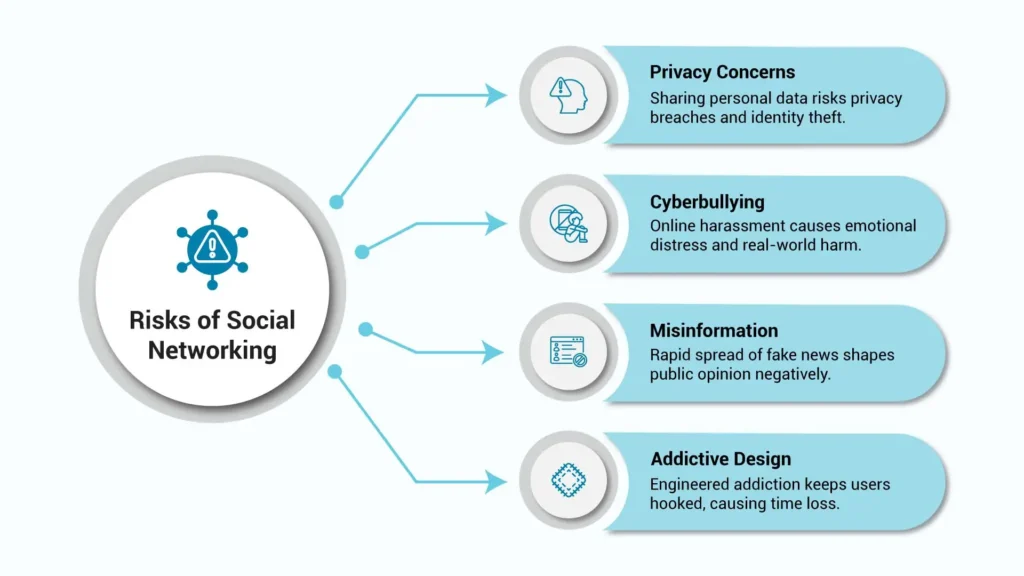
Social media has become an integral part of modern life, allowing us to connect with friends, family, and like-minded individuals across the globe. However, with the benefits of social media come significant security risks for individuals. These risks can compromise our personal data, lead to identity theft, and even affect our financial well-being.
Phishing and Social Engineering Attacks
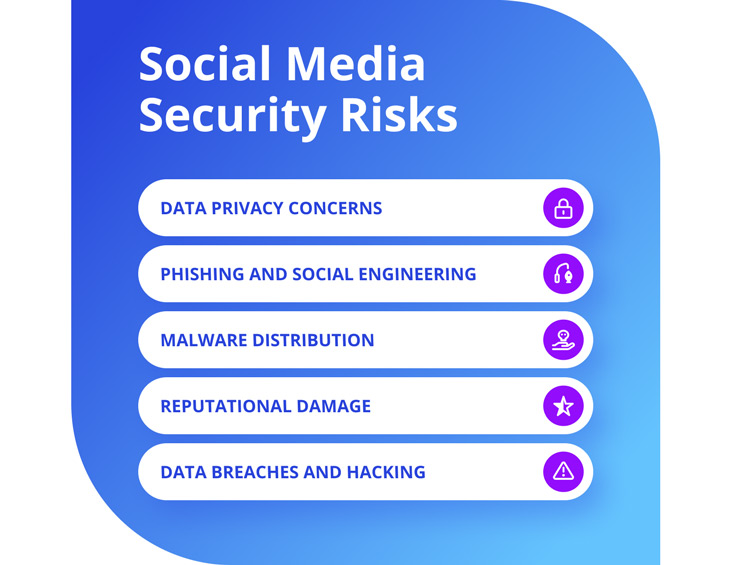
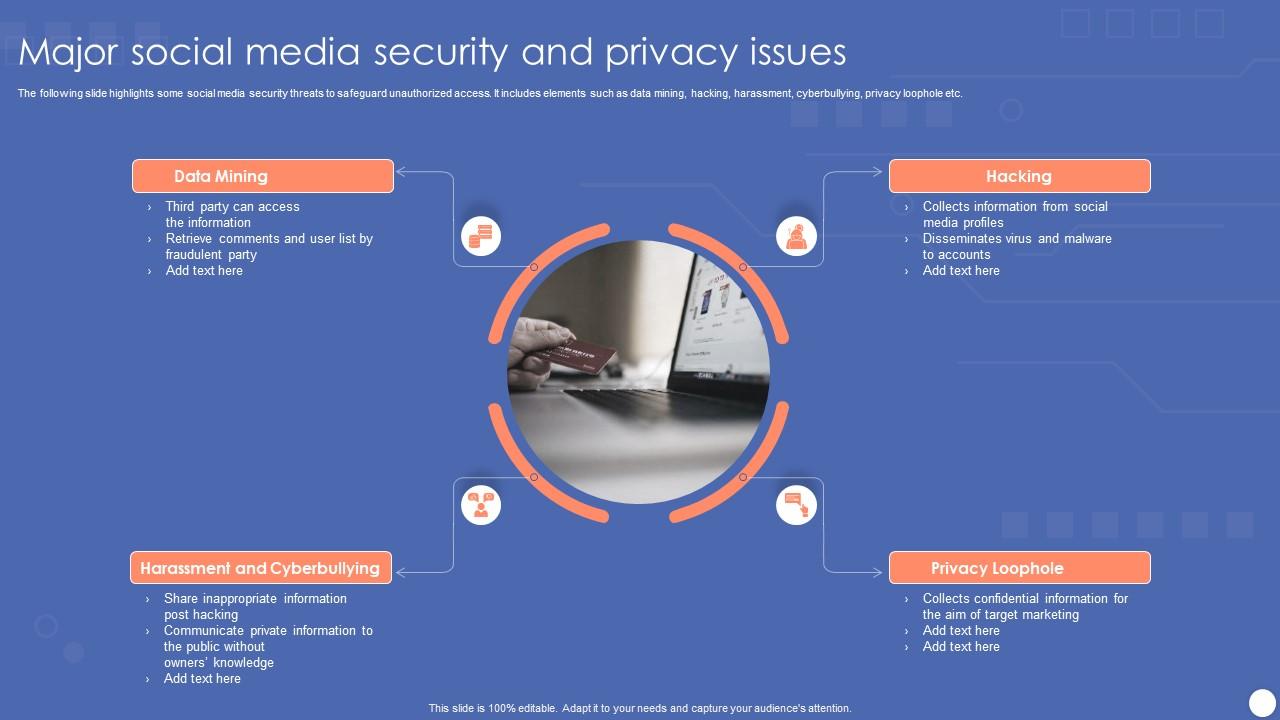
One of the most significant social media security risks for individuals is the threat of phishing and social engineering attacks. These attacks involve attackers using deceptive tactics to trick users into divulging sensitive information, such as passwords, financial details, or personal data. By clicking on malicious links or responding to phishing emails or messages, individuals risk exposing themselves to hackers.
- Clicking on suspicious links or attachments from unknown senders
- Responding to phishing emails or messages that ask for personal info
- Using weak or easily guessable passwords
Data Breaches and Identity Theft
Another significant risk associated with social media is data breaches and identity theft. When sensitive information is compromised, individuals risk having their identities stolen and used for malicious purposes, such as financial fraud or online harassment. The consequences can be severe, leading to reputational damage, financial loss, and long-term emotional distress.
- Sharing sensitive information publicly, such as phone numbers, addresses, or financial details
- Using insecure social media platforms or apps
- Sharing login credentials or password-protected information
Online Harassment and Cyberbullying
Social media also poses a significant risk of online harassment and cyberbullying. These activities can have serious consequences for mental health and well-being, especially among vulnerable individuals, such as minors and marginalized groups. Social media platforms must take responsibility for implementing robust safety measures to prevent and address online harassment.
- Sharing personal contact information or location
- Liking or engaging with online harassment or abusive content
- Failure to report online abuse or harassment
Mitigation Strategies for Social Media Security Risks
To mitigate social media security risks for individuals, it is essential to adopt a cautious approach when using social media platforms. Here are some actionable strategies:
- Enhance personal security settings: Regularly review and adjust social media account settings to control who can see your information.
- Use strong passwords and 2FA: Choose unique, complex passwords and enable two-factor authentication (2FA) to secure your accounts.
- Limit online sharing: Refrain from sharing sensitive information and avoid posting personal details.
- Monitor and report online abuse: Report online harassment or abusive content to social media platforms and seek help when necessary.
Conclusion
Social media security risks for individuals are real and significant. It is crucial to understand these risks and take proactive steps to protect ourselves and our loved ones. By being aware of phishing and social engineering attacks, data breaches, and online harassment, and adopting mitigation strategies, we can minimize these risks and enjoy social media responsibly. Stay safe online and stay calm.