Sustainable Product Development: A Guide to Creating Better Products for a Better Future
In today's world, consumers are more environmentally conscious than ever before. As a result, companies are under pressure to create products that not only meet consumer needs but also minimize their impact on the environment. This is where sustainable product development comes in – a method for product development that incorporates the Framework for Strategic Sustainable Development (FSSD), also known as The Natural Step (TNS).
The Importance of Sustainable Product Development
Sustainable product development is crucial for organizations to achieve ESG (Environmental, Social, and Governance) goals and thrive in a low-carbon economy. By embedding environmental and social considerations into every stage of the product lifecycle, from design and sourcing to manufacturing, distribution, and end-of-life management, companies can create products that are better for people, the planet, and their bottom line.
The Principles of Sustainable Product Development
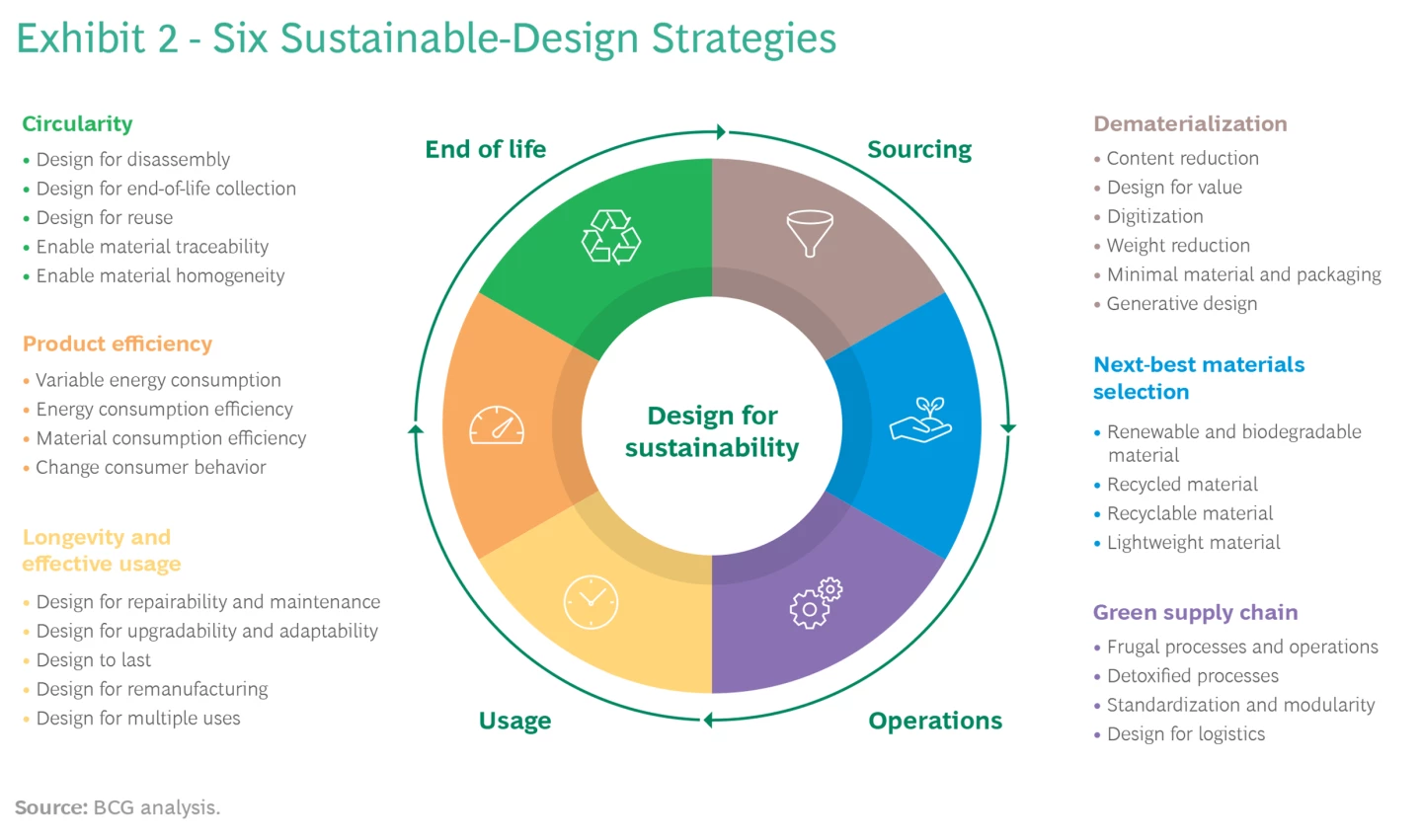
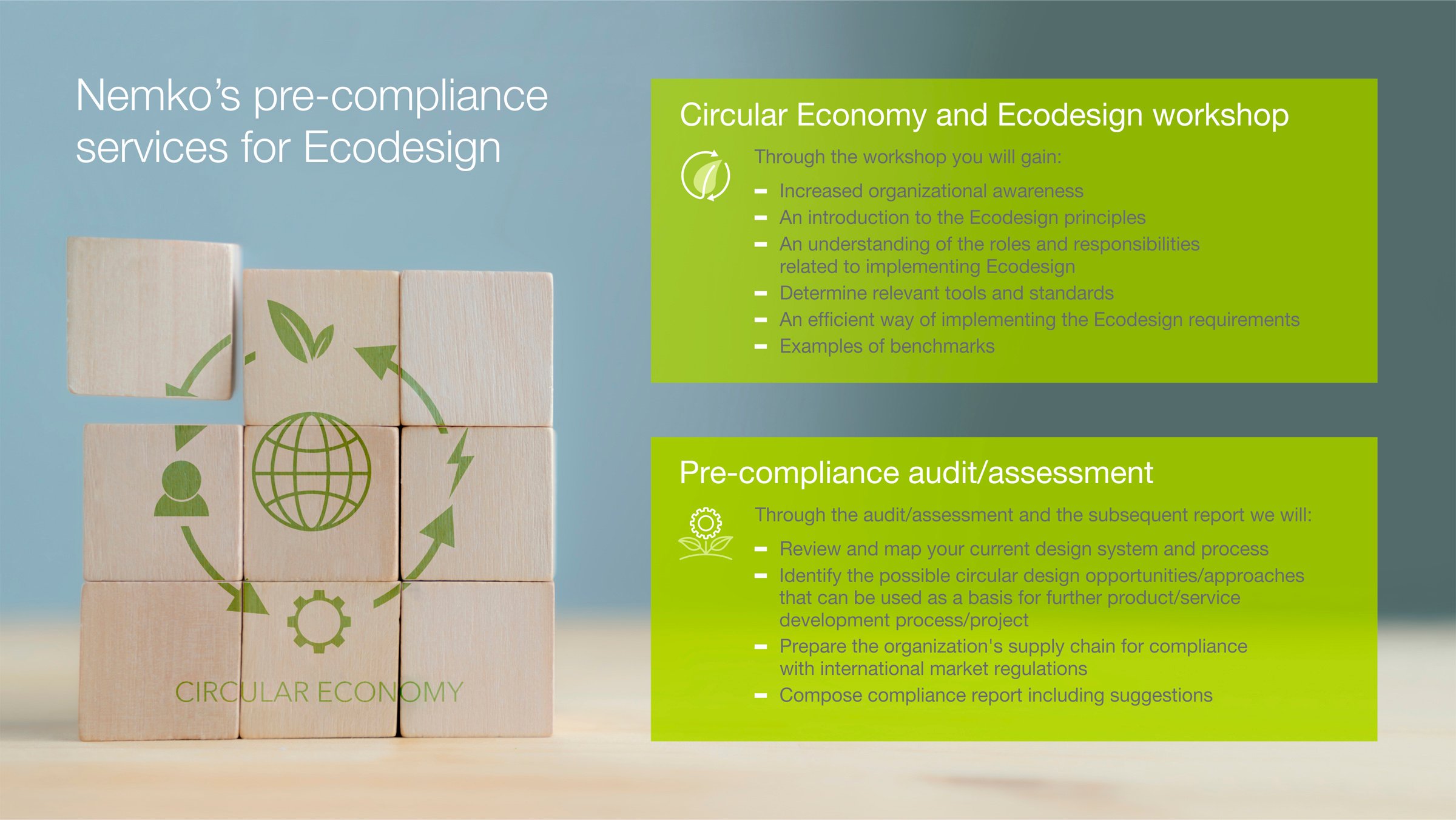
- Embracing circular economy principles to reduce waste and promote recycling
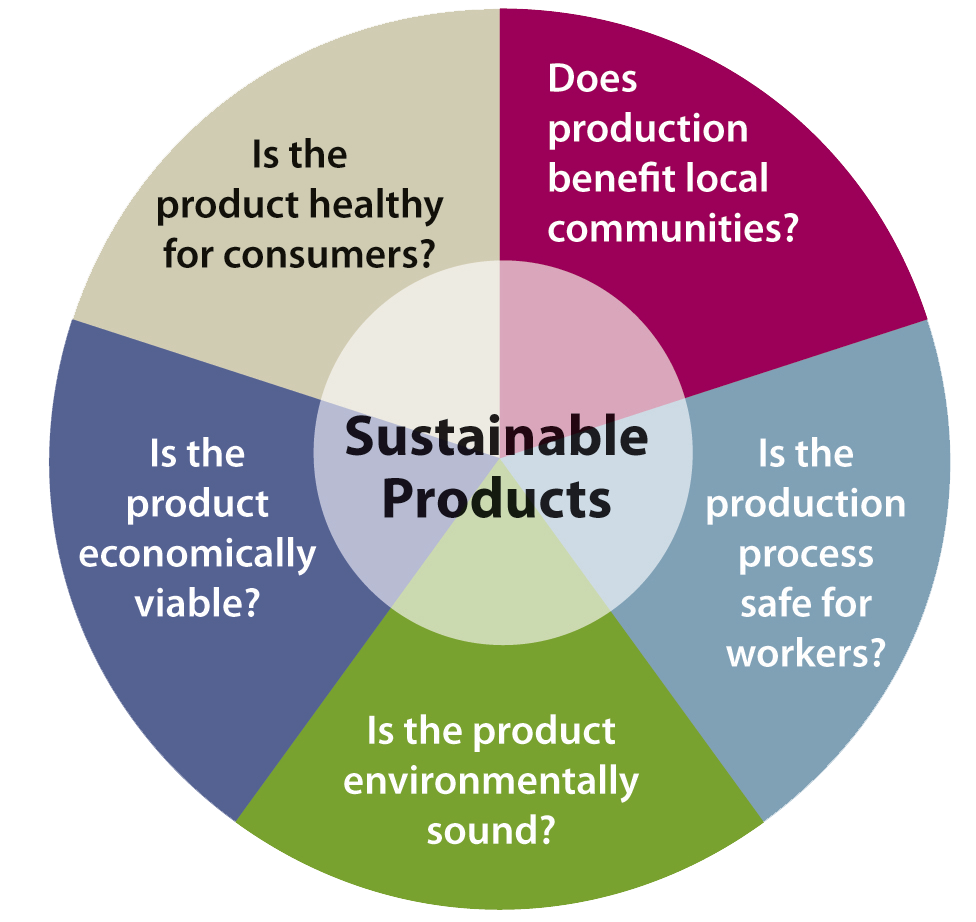
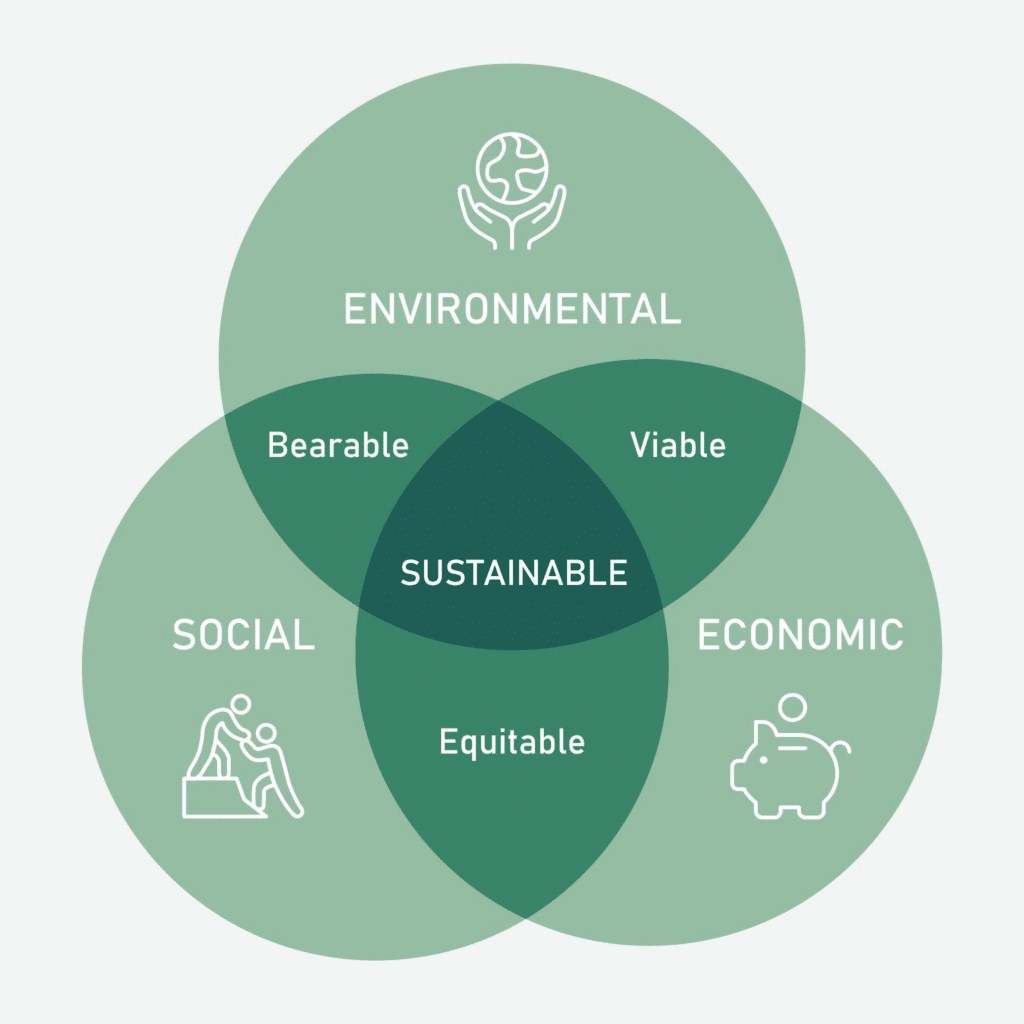
- Designing products with minimal environmental impact while maximizing societal and economic benefits
- Using sustainable materials and minimizing the use of non-renewable resources
- Implementing energy-efficient and cost-effective solutions throughout the product lifecycle
- Ensuring that products are designed for recyclability, reuse, and upcycling
Challenges and Opportunities in Sustainable Product Development
While sustainable product development offers numerous benefits, companies may face internal and external challenges in implementing this approach. These challenges include:
- Higher upfront costs associated with sustainable design and materials
- Lack of industry-wide standards and guidelines for sustainable product development
- Difficulty in measuring the environmental and social impacts of products
- Resistance to change from traditional product development approaches
Overcoming Challenges through Sustainable Product Development
Despite the challenges, companies can overcome them by:
- Investing in research and development to create sustainable products
- Collaborating with stakeholders, including suppliers, customers, and NGOs
- Developing and implementing robust sustainability reporting and measurement systems
- Providing training and education for employees on sustainable product development principles
The Future of Sustainable Product Development
The future of sustainable product development is bright, with numerous opportunities for innovation and growth. As consumer expectations continue to evolve and environmental pressures mount, companies that prioritize sustainable product development will be well-positioned to thrive in a low-carbon economy.
Conclusion
Sustainable product development is a critical approach for companies to achieve ESG goals and create products that are better for people, the planet, and their bottom line. By embracing circular economy principles, designing sustainable products, and overcoming internal and external challenges, companies can unlock long-term value and contribute to a more sustainable future.

.png "How product development can drive sustainability - Roland Berger")