The Dopamine Loop Model: Understanding the Psychology Behind Addiction and Habits
The Dopamine Loop Model is a fundamental concept in psychology that explains why certain behaviors become compulsive and difficult to stop. It's a key component of the Habit Loop, a broader model that describes how habits are formed and maintained. In this article, we'll delve into the concept of the Dopamine Loop, its connection to addiction and habits, and what it means for our understanding of decision-making and behavior.
What is the Dopamine Loop Model?
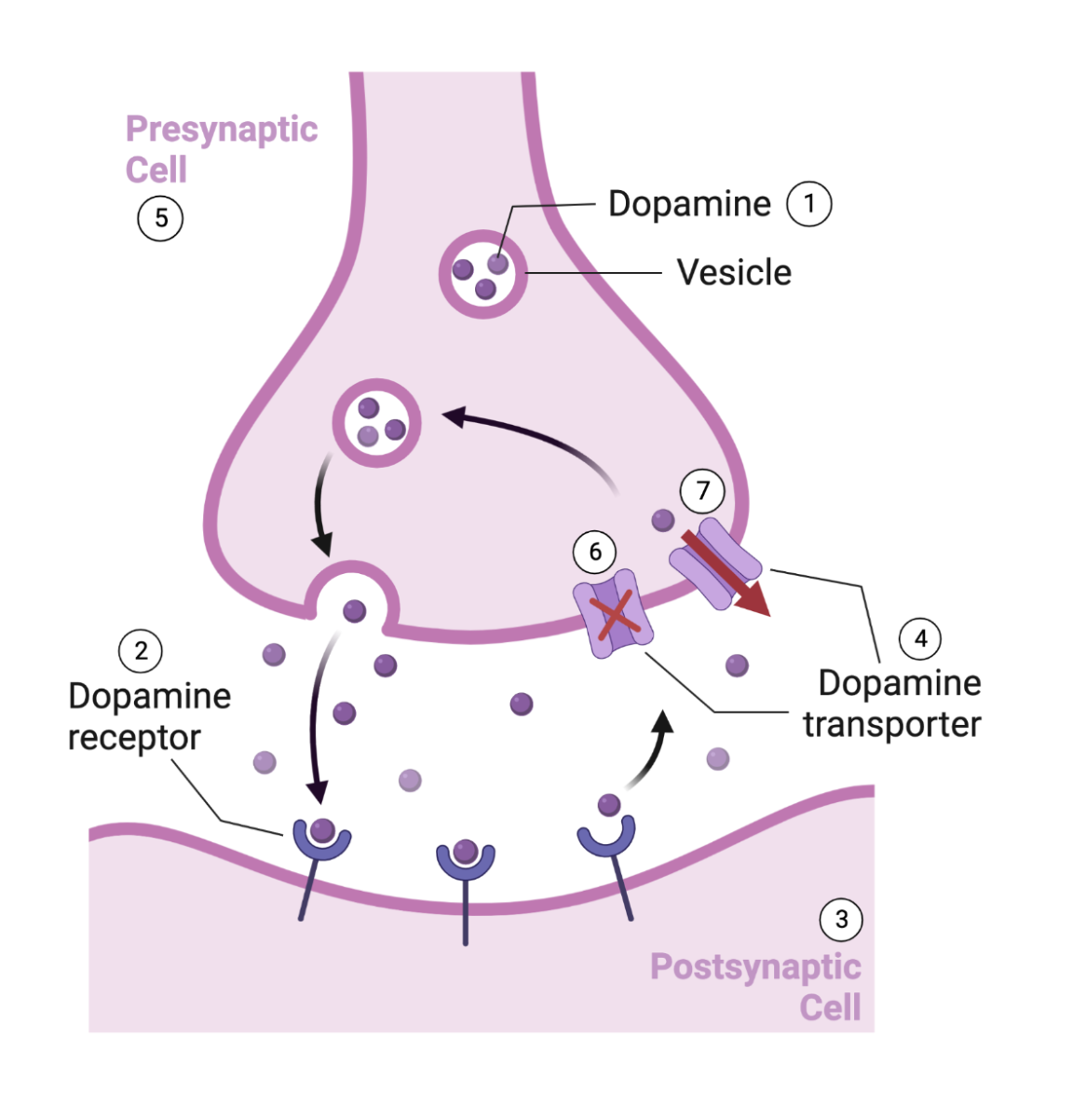
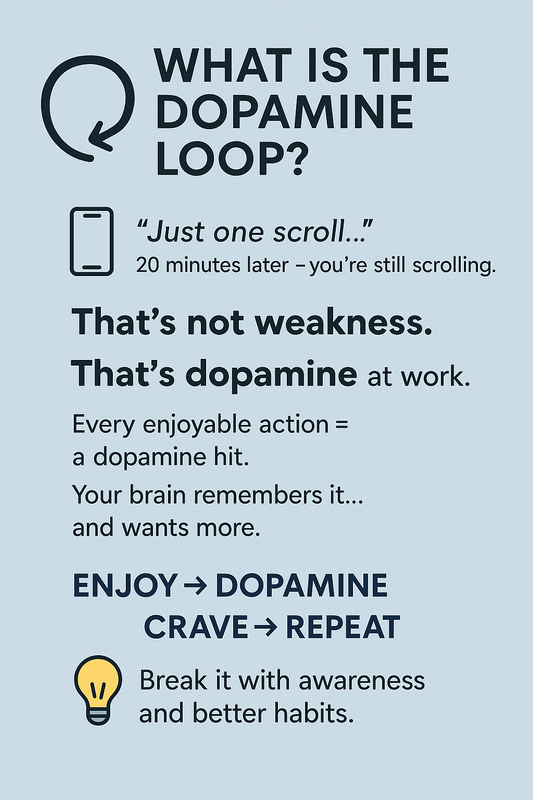
The Dopamine Loop, also known as the Dopamine Feedback Loop, is a self-perpetuating circuit fueled by the way the neurotransmitter dopamine works with the brain's reward system. Dopamine is a neurotransmitter that plays a crucial role in motivation, pleasure, and reward processing. When we experience a pleasurable or rewarding stimulus, dopamine is released, creating a feedback loop that reinforces the behavior and motivates us to repeat it.
- Stimulus: A cue or trigger that sets off the loop (e.g., seeing a notification on your phone)
- Activation: Dopamine release in response to the stimulus
- Response: A behavior or action that leads to a reward or pleasure
- Reinforcement: The brain associates the behavior with the reward, leading to increased motivation and repetition
The Dopamine Loop and Addiction
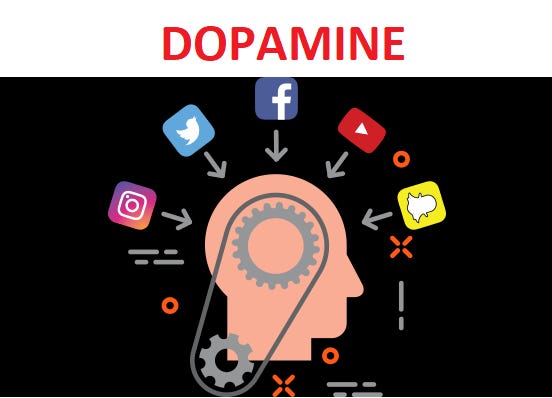
The Dopamine Loop is often cited as a key factor in addiction. When we're exposed to a pleasurable or rewarding stimulus, such as social media or online shopping, dopamine is released, creating a feedback loop that reinforces the behavior. This can lead to compulsive behavior, as the brain becomes wired to seek out the next hit or reward. The Dopamine Loop can be observed in various addictive behaviors, including smartphone addiction, video game addiction, and substance abuse.
How the Dopamine Loop Affects Our Behavior

The Dopamine Loop has a profound impact on our behavior, leading to a range of effects, including:
- Increased motivation: The dopamine release creates a sense of pleasure and motivation, driving us to repeat the behavior
- Reinforced habits: The loop reinforces habits, making it more likely that we'll continue the behavior
- Loss of control: As the loop strengthens, we may lose control over our behavior, leading to compulsive or impulsive actions
Breaking the Dopamine Loop
Breaking the Dopamine Loop requires a combination of strategies that target the reward system and the feedback loop. Some approaches include:
- Awareness: Recognizing the loops and triggers that drive our behavior
- Goal-setting: Setting clear goals and values to guide our behavior
- Self-regulation: Developing skills to regulate our emotions and impulses
- Reinforcement modification: Changing the way we reinforce our behavior to break the loop
Conclusion
The Dopamine Loop Model provides a crucial understanding of the psychology behind addiction and habits. By recognizing the loops and triggers that drive our behavior, we can take control of our decision-making and behavior. Breaking the Dopamine Loop requires a combination of awareness, goal-setting, self-regulation, and reinforcement modification. By applying these strategies, we can break free from compulsive behavior and create a healthier, more fulfilling life.