Tiredness during the day: 12 Reasons Why You Feel Exhausted and What to Do About It
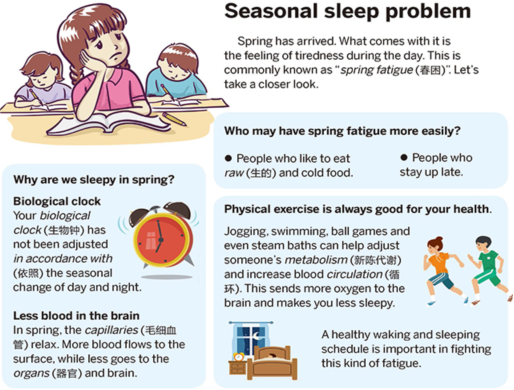
If you're reading this, you might be familiar with that feeling of excessive daytime sleepiness, also known as feeling tired all the time. Tiredness during the day can be caused by a variety of factors, ranging from lifestyle choices to underlying medical conditions. In this article, we'll explore the 12 reasons why you might be feeling tired during the day, and what you can do to reduce your fatigue and boost your energy levels.
Reason 1: Poor Sleep Hygiene
Not getting enough sleep or having poor sleep quality can lead to daytime fatigue. This is because sleep plays a crucial role in physical and mental restoration, and inadequate sleep can lead to feelings of exhaustion. Establishing a consistent sleep schedule, creating a sleep-conducive environment, and avoiding stimulating activities before bedtime can help improve sleep quality.
Reason 2: Sleep-Disrupting Medical Conditions
Certain medical conditions, such as sleep apnea, thyroid disease, and restless leg syndrome, can disrupt sleep patterns and lead to daytime fatigue. If you suspect you may have a sleep disorder, it's essential to consult with a healthcare professional for proper diagnosis and treatment.
Reason 3: Medication Side Effects
Some medications, such as sedatives and antidepressants, can cause drowsiness as a side effect. If you're experiencing daytime fatigue and taking medication, talk to your healthcare provider about potential adjustments or alternative medications.
Reason 4: Lifestyle Factors
Lifestyle factors, such as shift work, physical activity level, and social habits, can contribute to daytime fatigue. Engage in regular physical activity, maintain a healthy diet, and establish a consistent sleep schedule to help manage fatigue.
Reason 5: Mental Health
Mental health conditions, such as depression and anxiety, can cause fatigue. If you're experiencing persistent feelings of tiredness and low mood, seek professional help from a mental health expert.
Reason 6: Hormonal Changes
Hormonal changes during pregnancy, menopause, or thyroid disorders can lead to fatigue. While some fatigue may be unavoidable, staying hydrated, eating a well-balanced diet, and engaging in gentle exercise can help manage symptoms.
Reason 7: Dehydration

Dehydration can cause feelings of fatigue, headaches, and dizziness. Drink plenty of water throughout the day to stay hydrated and avoid sugar-laden or caffeinated beverages that can exacerbate dehydration.
Reason 8: Sleep Masks
Sleep masks can help block out light, but did you know they also offer several other benefits, including improved sleep quality, increased energy, and reduced eye strain?
Reason 9: Insoles and Foot Care
Nurses and individuals who spend long hours on their feet may experience foot pain and fatigue due to prolonged standing. Wearing supportive insoles and prioritizing foot care can help reduce strain and boost energy levels.
Reason 10: Fasting and Diet
Engaging in regular fasting or making unhealthy food choices can lead to energy crashes and fatigue. Eat a balanced diet, and consider incorporating energizing foods like turkey, nuts, and fruits to boost your energy levels.
Reason 11: Stress and Anxiety
Chronic stress and anxiety can lead to mental exhaustion. Engage in stress-reducing activities, such as meditation or yoga, to help manage your mental well-being and reduce fatigue.
Reason 12: Rest and Recovery
Finally, taking regular breaks and allowing your body to rest and recover can help recharge your energy levels. Prioritize self-care and aim for 7-8 hours of sleep each night to wake up feeling refreshed and revitalized.
What to Do About Tiredness during the Day
- Capture 15-20 minutes of sleep to recharge and reduce fatigue
- Stay hydrated and avoid sugary or caffeinated beverages
- Prioritize diet: Eat a balanced meal, including fruits, vegetables, lean protein, and whole grains
- Engage in stress-reducing activities, such as meditation or yoga
- Use body armor and insoles for support and comfort during prolonged periods of standing
- Practice intermittent fasting and incorporate energizing foods
- Get at least 7-8 hours of sleep each night
- Stay consistent with your sleep schedule and lifestyle habits





:max_bytes(150000):strip_icc()/what-are-the-symptoms-of-sleep-deprivation-3015161_color4-5b42c4ddc9e77c00374089b8.png "Fatigue: Causes & Treatment - Cleveland Clinic")






/how-to-manage-diet-fatigue-and-stress-3495309-FINAL2-3a4ba56969834ca293ff604e0b27e3f6.png "9 tips to boost your energy - naturally - Harvard Health")