Windows Update Repair Tool: A Comprehensive Guide to Fixing Common Issues
Windows Update issues can be frustrating and often require advanced troubleshooting techniques. In this article, we will explore the concept of a Windows Update repair tool and provide a comprehensive guide to fixing common issues with Windows Update. Whether you're a tech-savvy individual or a novice user, this guide will help you troubleshoot and fix Windows Update problems with ease.
Understanding Windows Update Repair Tools
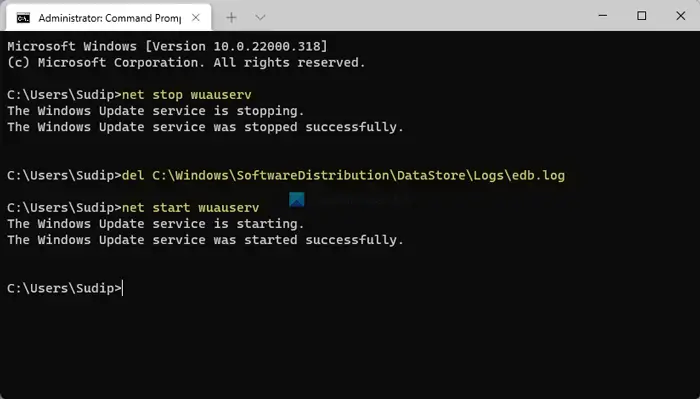
A Windows Update repair tool is designed to diagnose and fix issues related to Windows Update, ensuring that users can receive the latest updates without any problems. These tools often come with a range of features, including the ability to reset the Windows Update agent, delete temporary files, repair system corruptions, scan and replace corrupted files, fix invalid registry values, and reset Winsock settings.
- Reset the Windows Update Agent: Resets the Windows Update agent to its default state, resolving issues related to corrupted or outdated settings.
- Delete Temporary Files: Removes temporary files that could be causing issues with Windows Update.
- Repair System Corruptions: Repairs system corruptions that may be preventing Windows Update from functioning properly.
- Scan and Replace Corrupted Files: Scans for corrupted files and replaces them with healthy versions, ensuring that Windows Update can continue to function.
- Fix Invalid Registry Values: Corrects invalid registry values that may be causing issues with Windows Update.
- Reset Winsock Settings: Resets Winsock settings to their default state, resolving issues related to network connectivity.
Fixing Windows Update Issues with Built-in Tools
In some cases, Windows Update issues can be resolved using built-in tools. Two popular tools for this purpose are DISM (Deployment Image Servicing and Management) and SFC (System File Checker).
- DISM Tool: The DISM tool is used to repair the component store (the Windows image that updates rely on). This tool can be used to fix issues related to corrupted system files or a damaged component store.
- SFC Tool: The SFC tool is used to scan and replace corrupted files. This tool can be used to resolve issues related to corrupted system files.
Miscellaneous Windows Repair Tools
There are several miscellaneous Windows repair tools available that can help with troubleshooting and repair tasks. Some popular options include:
- Reset Windows Update Agent Tool: Resets the Windows Update agent to its default state, resolving issues related to corrupted or outdated settings.
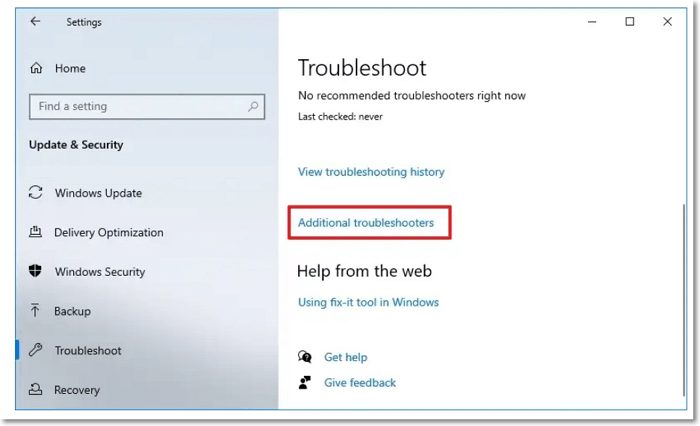
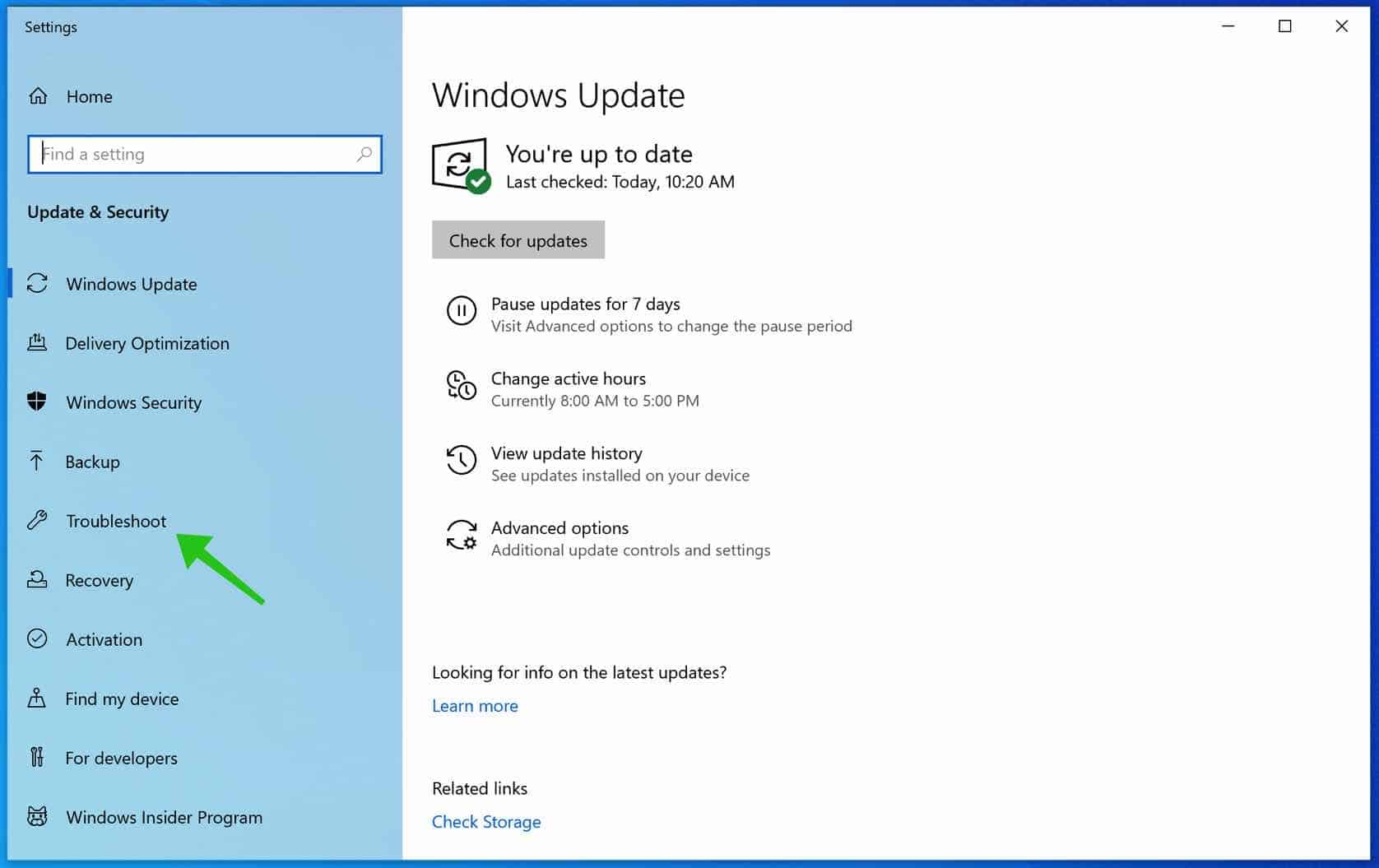
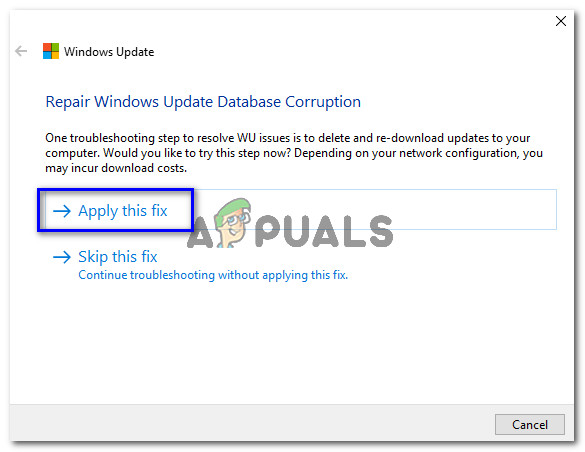
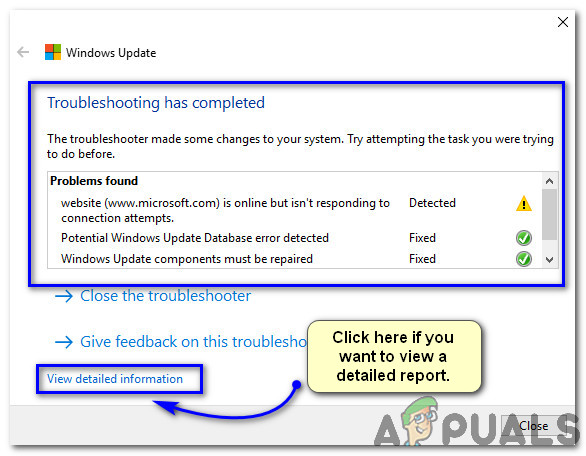
- Fix problems using Windows Update: A recovery tool that can help resolve problems related to updates.
- Windows Recovery Environment (Windows RE): A set of built-in Windows tools designed to help troubleshoot and fix common system problems.
- Complete Windows toolbox that repairs and optimizes your PC: A comprehensive toolset designed to repair and optimize your PC, including registry errors and file permissions, as well as issues with IE and Windows Update.
Precautions When Using Windows Repair Tools
When using Windows repair tools, it's essential to exercise caution to avoid causing more harm than good. Here are some precautions to keep in mind:
- Download tools from trusted sources: Only download tools from trusted sources to avoid malware or counterfeit software.
- Backup your data: Before using any repair tool, make sure to backup your data to prevent any potential losses.
- Run the tool as Administrator: Run the tool as Administrator to ensure that it has the necessary privileges to perform the repair task.
- Restart your PC: Restart your PC after using the repair tool to ensure that the changes take effect.
Conclusion
In this article, we have explored the concept of a Windows Update repair tool and provided a comprehensive guide to fixing common issues with Windows Update. By using built-in tools or third-party repair tools, users can troubleshoot and fix Windows Update problems with ease. Remember to exercise caution when using repair tools and always follow the precautions outlined above to avoid causing more harm than good.
![Windows Update Repair Tool for Windows 10 & 11 [2026 Guide]](https://www.easeus.com/images/en/data-recovery/drw-pro/repair-windows10-startup-repair.png "Windows Update Repair Tool for Windows 10 & 11 [2026 Guide]")