Wireless Network Security Measures: Protecting Your Network from Unauthorized Access
In today's digital world, securing a wireless network is essential. Cybersecurity threats have become more sophisticated, targeting both personal and enterprise networks. This article provides clear, actionable steps to help you secure your wireless network and protect sensitive information.
What is Wireless Network Security?
Wireless network security refers to the prevention of unauthorized access or damage to computers or data using wireless networks, which include Wi-Fi networks. The term may also refer to the protection of the wireless network itself from adversaries seeking to damage the confidentiality, integrity, or availability of the network.
The Importance of Wireless Network Security Measures
Wireless networks introduce additional security risks. If you have a wireless network, make sure to take appropriate precautions to protect your information. Physical security measures play a role in preventing attackers from gaining access to your network infrastructure. Key measures include:
- Secure Router Placement: Avoid placing routers near windows or exterior walls where devices can be tampered with.
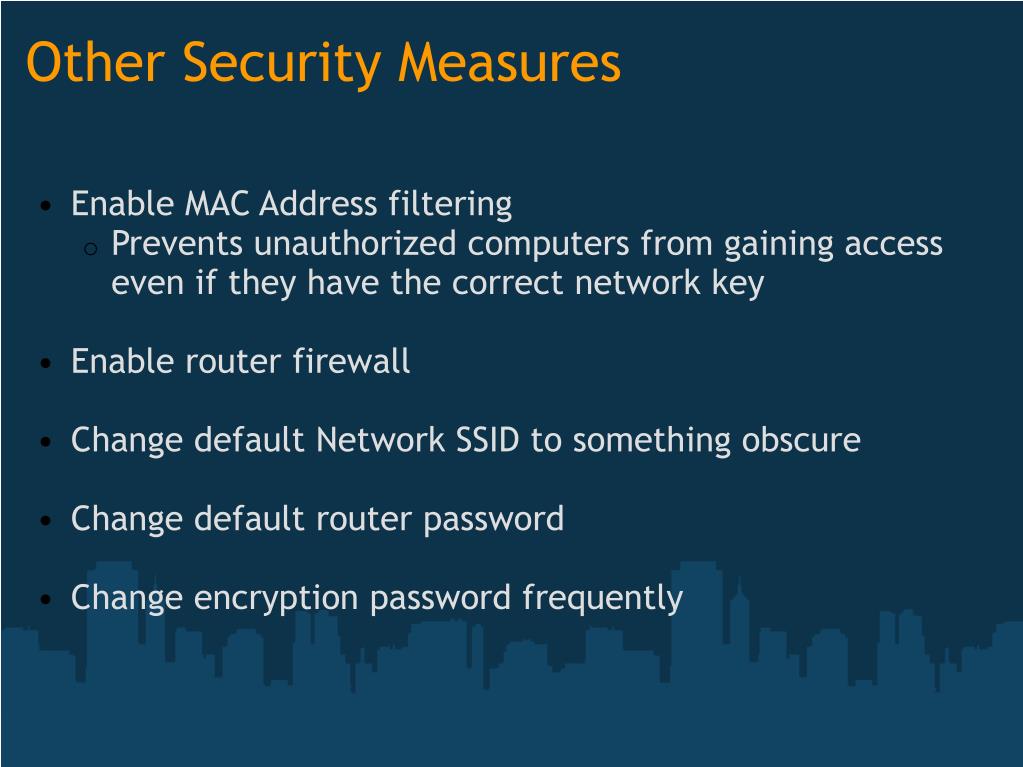
- Password Protection: Use strong and unique passwords for your router and wireless network.
- Firmware Updates: Regularly update your router's firmware to ensure you have the latest security patches.
- Network Segmentation: Implement network segmentation, VLANs, and other security measures to protect against unauthorized access and potential threats.
Common Wireless Network Security Challenges
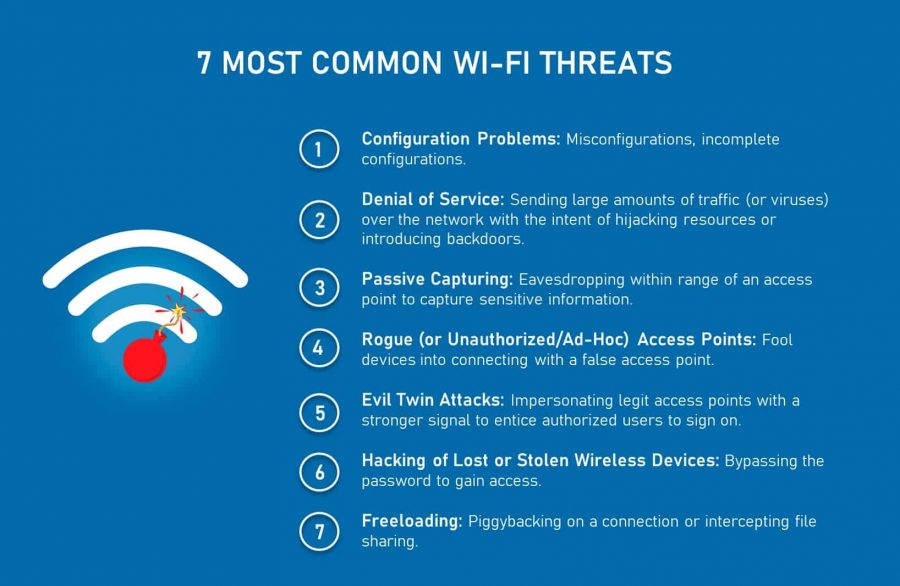
Cybersecurity threats have become more sophisticated, targeting both personal and enterprise networks. Some common wireless network security challenges include:
- Rogue Devices: Rogue devices can steal sensitive data or disrupt network availability.
- Unsecured Access Points: Unsecured access points can provide an entry point for hackers to access your network.
- Weak Passwords: Weak passwords can be easily cracked by hackers, allowing them to access your network.
- Outdated Firmware: Outdated firmware can leave your router vulnerable to security exploits.
Wireless Network Security Measures to Implement
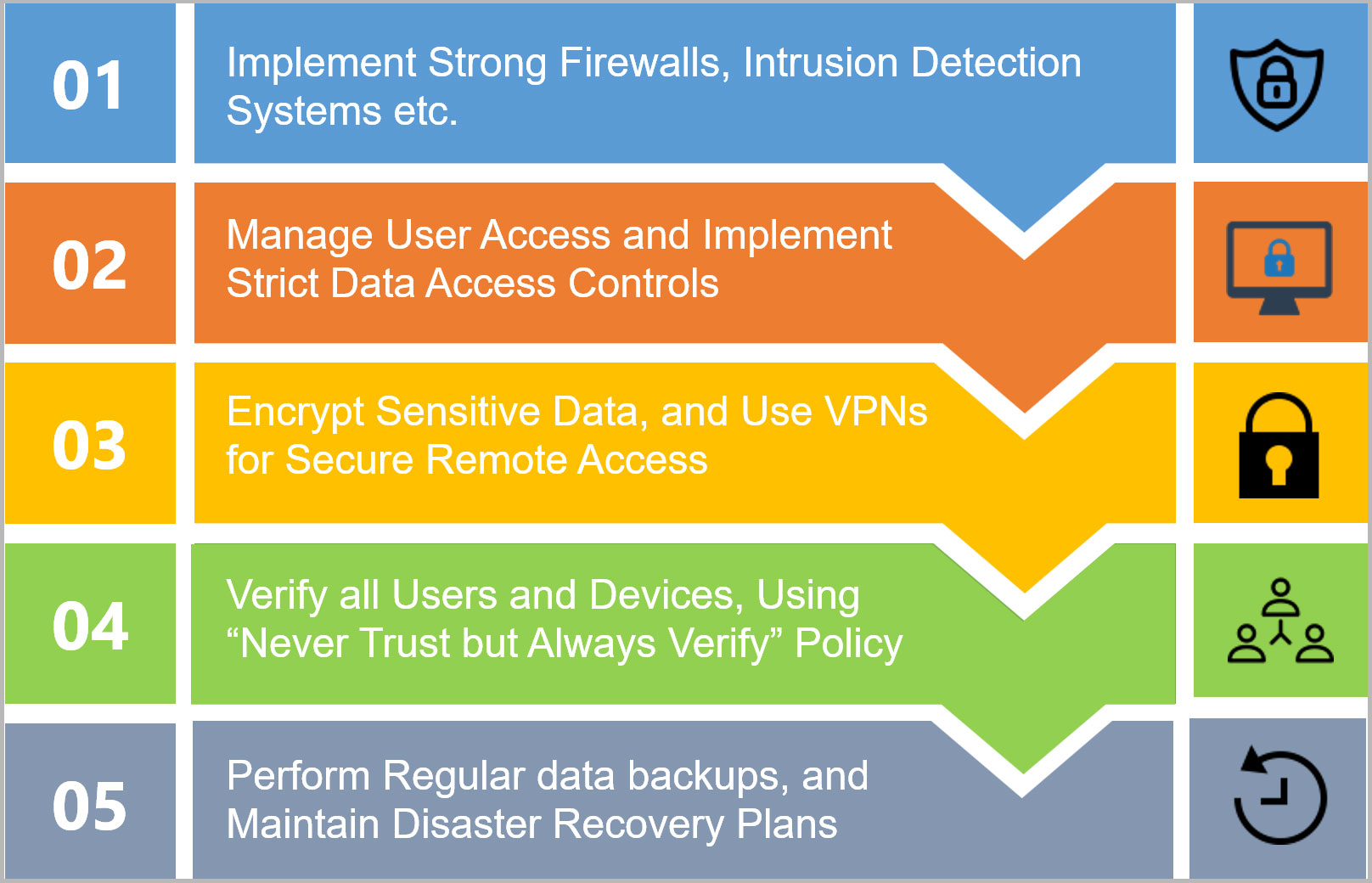
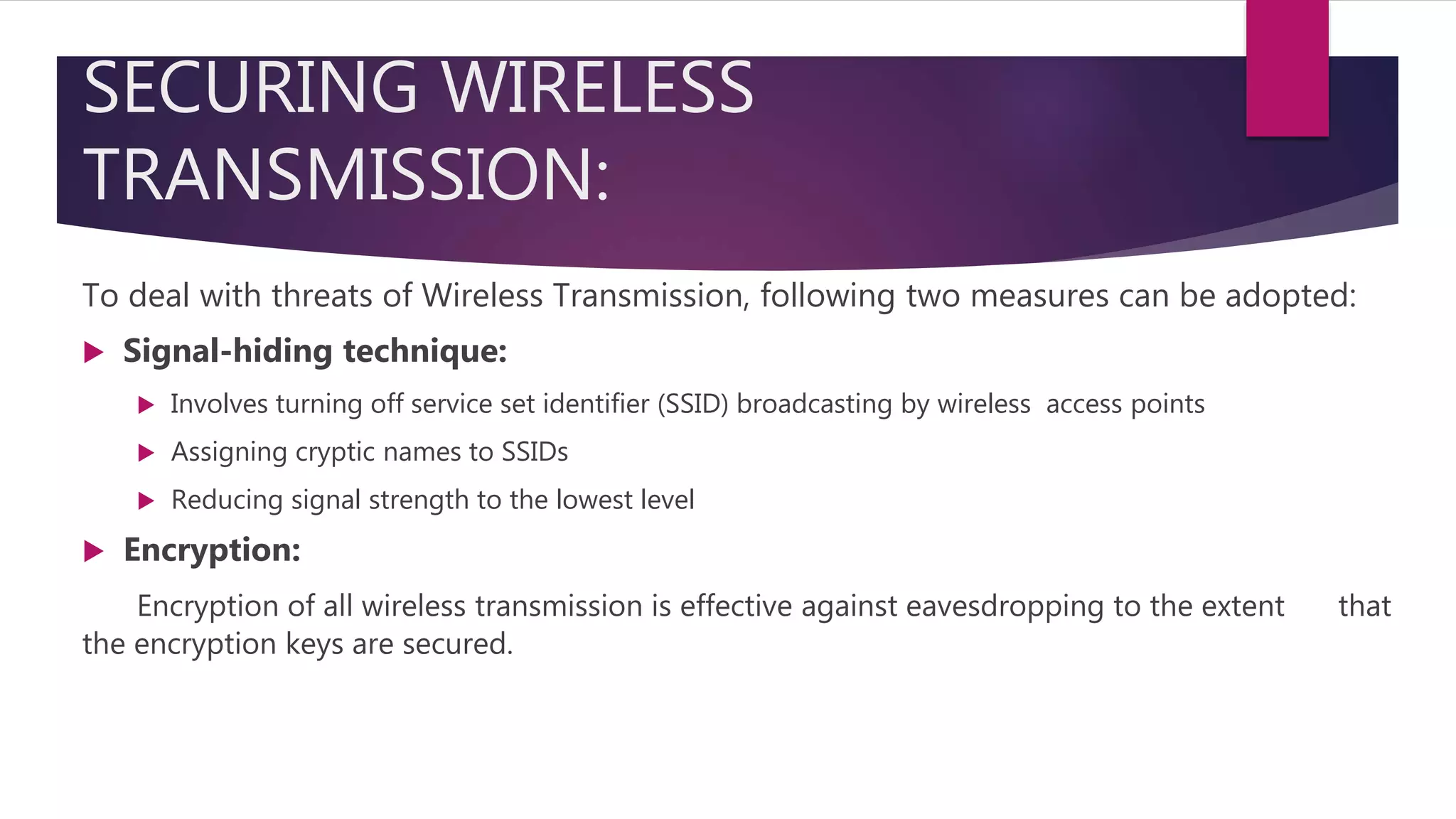
To secure your wireless network, implement the following measures:
- Use WPA2 or WPA3 encryption: Use the latest encryption protocols to secure your wireless network.
- Set up a guest network: Set up a guest network to isolate visitors from your main network.
- Use a VPN: Use a VPN to encrypt your internet traffic and protect your data.
- Regularly update your router's firmware: Regularly update your router's firmware to ensure you have the latest security patches.
- Monitor your network: Monitor your network for suspicious activity and unauthorized access.
Best Practices for Wireless Network Security
Follow these best practices to secure your wireless network:
- Use a strong and unique password for your router and wireless network.
- Use WPA2 or WPA3 encryption.
- Set up a guest network.
- Use a VPN.
- Regularly update your router's firmware.
- Monitor your network for suspicious activity and unauthorized access.
Conclusion
Securing your wireless network is crucial in today's digital world. By implementing the measures outlined in this article, you can protect your network from unauthorized access and potential threats. Remember to regularly update your router's firmware, use strong and unique passwords, and monitor your network for suspicious activity. By following these best practices, you can ensure the security and integrity of your wireless network.