The Timeless Power of Feng Shui: Unlocking Harmony and Balance in Your Life
Feng Shui, the ancient Chinese practice of orienting buildings, objects, and spaces in harmony with the flow of energy, has been a cornerstone of Eastern philosophy for millennia. At its core, Feng Shui seeks to balance the universal energy, or qi, to create a harmonious and auspicious environment that fosters well-being and prosperity.
A Brief History of Feng Shui
Feng Shui is rooted in the concept of qi, a vital life force that flows through all living things. The ancient Chinese believed that the flow of qi was crucial in determining the success and prosperity of individuals, communities, and buildings. Through the application of Feng Shui principles, practitioners aim to harness and direct this energy to create a balanced and harmonious environment.
Understanding Qi and Its Importance in Feng Shui
- Qi is the vital life force that flows through all living things.
- The flow of qi is crucial in determining the success and prosperity of individuals, communities, and buildings.
- Feng Shui seeks to balance the universal energy, or qi, to create a harmonious and auspicious environment.
The Five Elements of Feng Shui
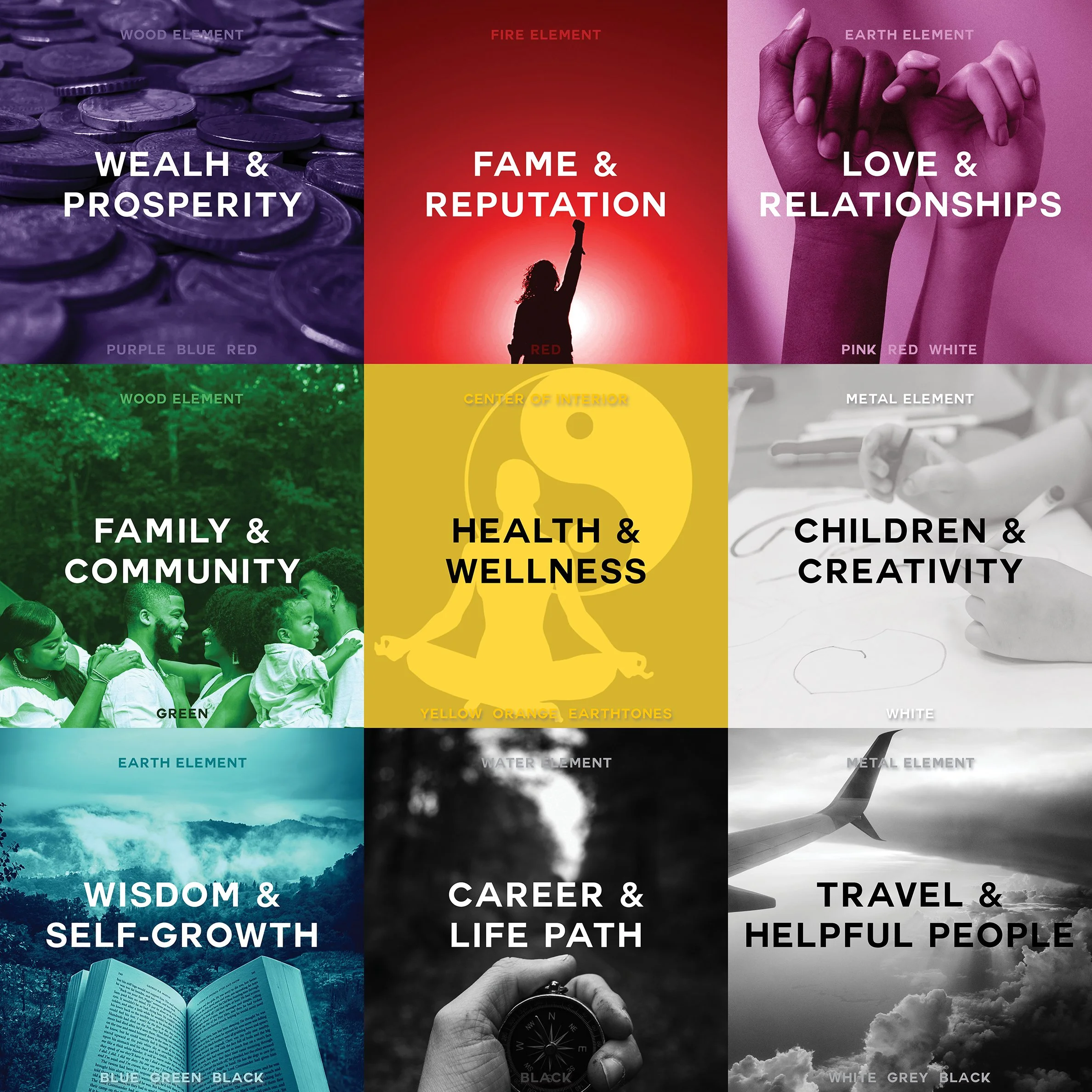
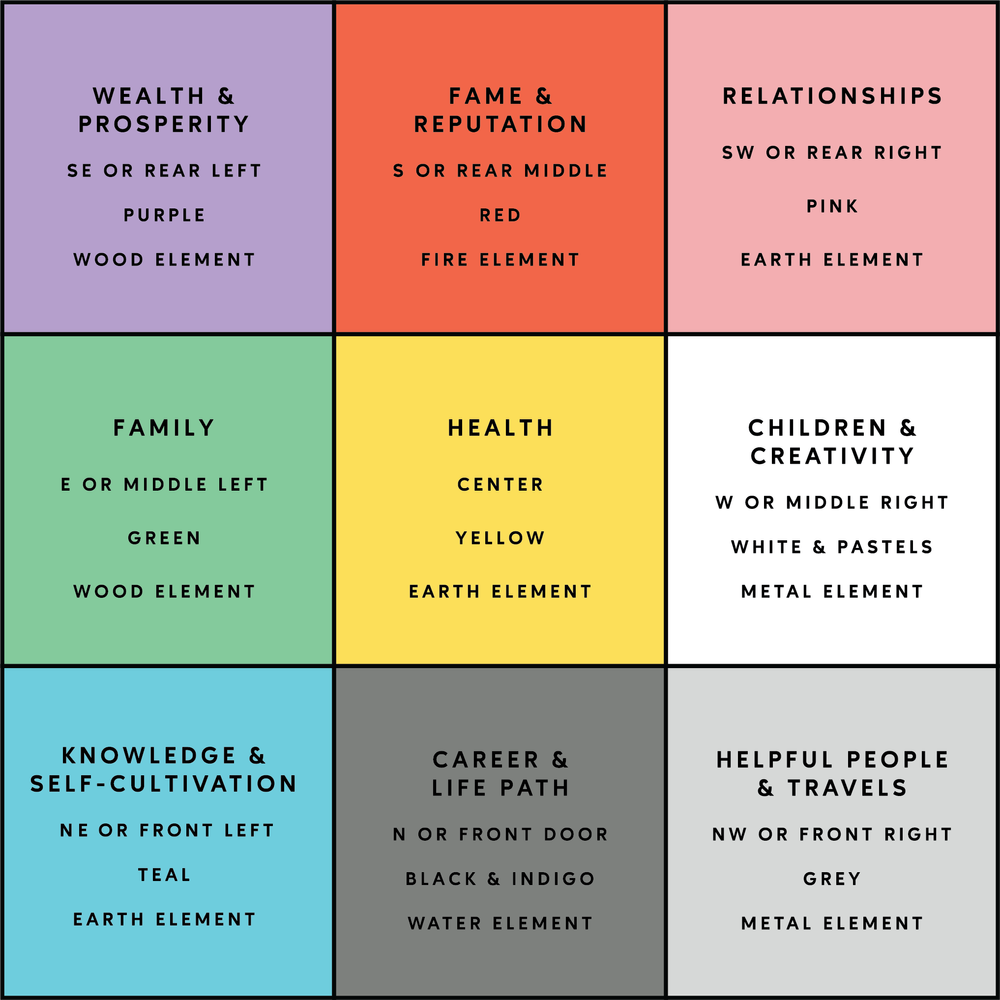
The Five Elements, which are Wood, Fire, Earth, Metal, and Water, are the building blocks of Feng Shui. Each element is associated with specific energies and directions, and they work together to create a harmonious balance:
- Wood: associated with growth, expansion, and creativity.
- Fire: associated with energy, passion, and vitality.
- Earth: associated with stability, balance, and grounding.
- Metal: associated with clarity, precision, and focus.
- Water: associated with flow, movement, and transformation.
Applying Feng Shui Principles to Your Life
Feng Shui is not just a philosophical practice; it's a practical way to create a more balanced and harmonious life. By applying Feng Shui principles to your home, workspace, or garden, you can:
- Improve the flow of energy and reduce stress.
- Enhance your creativity and productivity.
- Attract abundance and prosperity.
- Promote physical and mental well-being.
- Nurture meaningful relationships.
Unlocking the Power of Feng Shui in Your Home
Your home is an extension of yourself, and Feng Shui can help you create a living space that nurtures your mind, body, and spirit. By following Feng Shui principles, you can:
- Design a harmonious and balanced home environment.
- Use color and lighting to enhance the flow of energy.
- Organize your space to promote a sense of calm and productivity.
- Select furniture and decorative items that reflect your personality and style.
Conclusion
Feng Shui is an ancient practice that offers timeless wisdom for creating a more balanced and harmonious life. By understanding the principles of Feng Shui and applying them to your life, you can:
- Improve your well-being and reduce stress.
- Enhance your creativity and productivity.
- Attract abundance and prosperity.
- Nurture meaningful relationships.
- Unlock your full potential.
Embark on a journey of discovery and explore the power of Feng Shui. By embracing this ancient practice, you can create a life that is filled with harmony, balance, and joy.
Get Started with Feng Shui Today
Enroll in the Luminous Spaces Feng Shui School for online certification and start your journey of creating a more balanced and harmonious life.
Discover the basic principles of Feng Shui and how this ancient practice can help you gain a deeper understanding of yourself, create a more relaxing environment, and manifest what you most desire.
Frequently Asked Questions
Q: What is Feng Shui?
A: Feng Shui is a traditional Chinese practice of orienting buildings, objects, and spaces in harmony with the flow of energy to create a balanced and harmonious environment.
Q: What is qi?
A: Qi is the vital life force that flows through all living things and is essential in determining the success and prosperity of individuals, communities, and buildings.





:max_bytes(150000):strip_icc()/spacejoy-0JGRXomKXSw-unsplash-cf353ddcbb3548faad951a2b43fdba1a.jpg "What is Feng Shui? A Beginner's Guide to Energy & Harmony")