Combining Ibuprofen and Tylenol for Back Pain: Is it Safe and Effective?
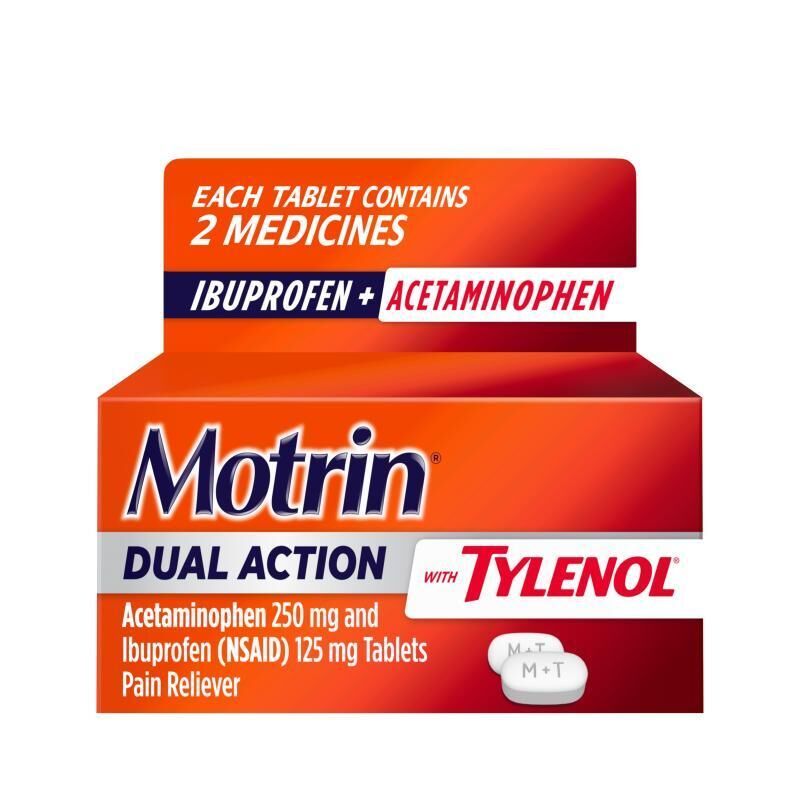
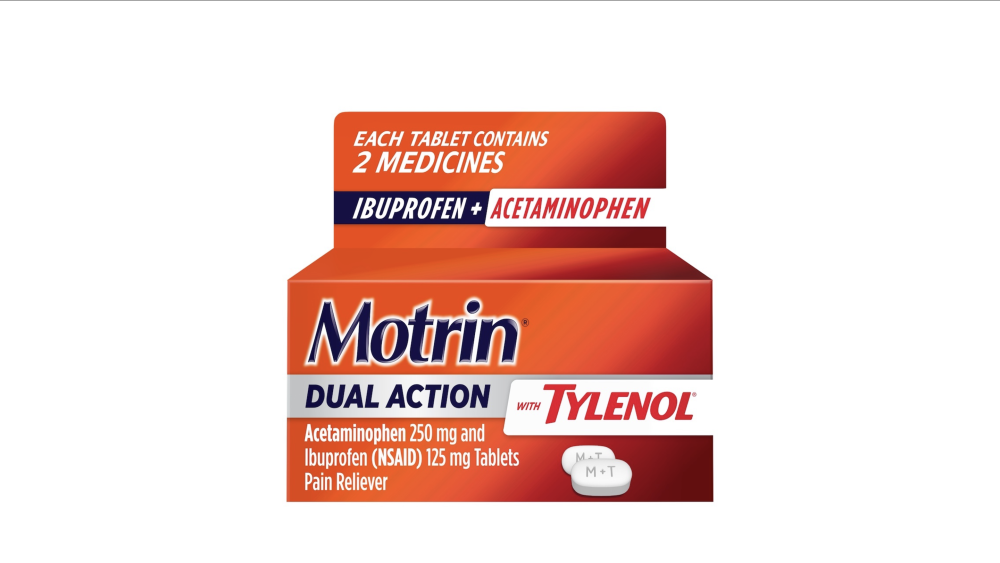
Back pain affects millions of people worldwide, and finding the right pain relief medication is crucial for managing discomfort and improving quality of life. When it comes to treating back pain, two popular over-the-counter (OTC) pain relievers are ibuprofen (Advil, Motrin) and acetaminophen (Tylenol). While these medications can be taken separately, many people wonder if combining them is safe and effective for back pain relief.
Understanding the Mechanisms of Ibuprofen and Tylenol
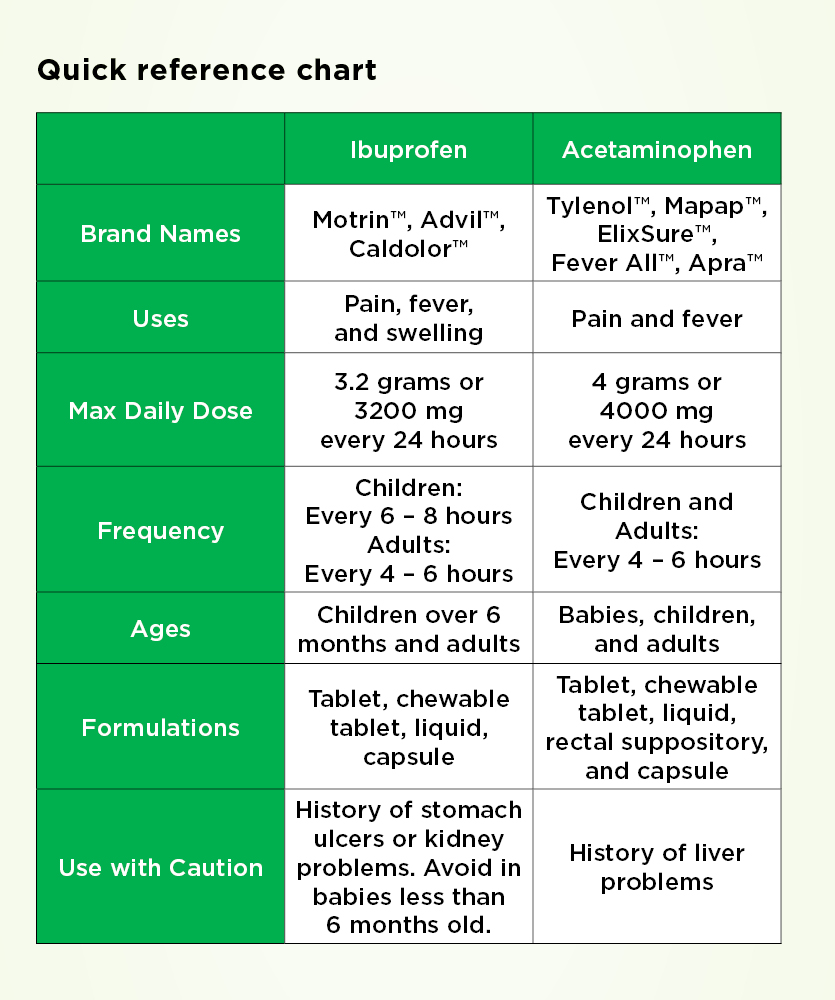
Ibuprofen is a nonsteroidal anti-inflammatory drug (NSAID) that works by reducing inflammation, swelling, and pain. It blocks the production of prostaglandins, which are chemical messengers that cause pain and inflammation. On the other hand, acetaminophen is an analgesic and antipyretic agent that works by blocking the production of pain-producing chemicals in the brain. It does not have anti-inflammatory properties like ibuprofen.
Is it Safe to Combine Ibuprofen and Tylenol for Back Pain?
The good news is that combining ibuprofen and Tylenol for back pain is generally safe if taken at the correct doses and spaced properly. In fact, research suggests that combining these medications can provide better pain relief for some patients. However, it's essential to follow key safety guidelines to avoid potential side effects and interactions.
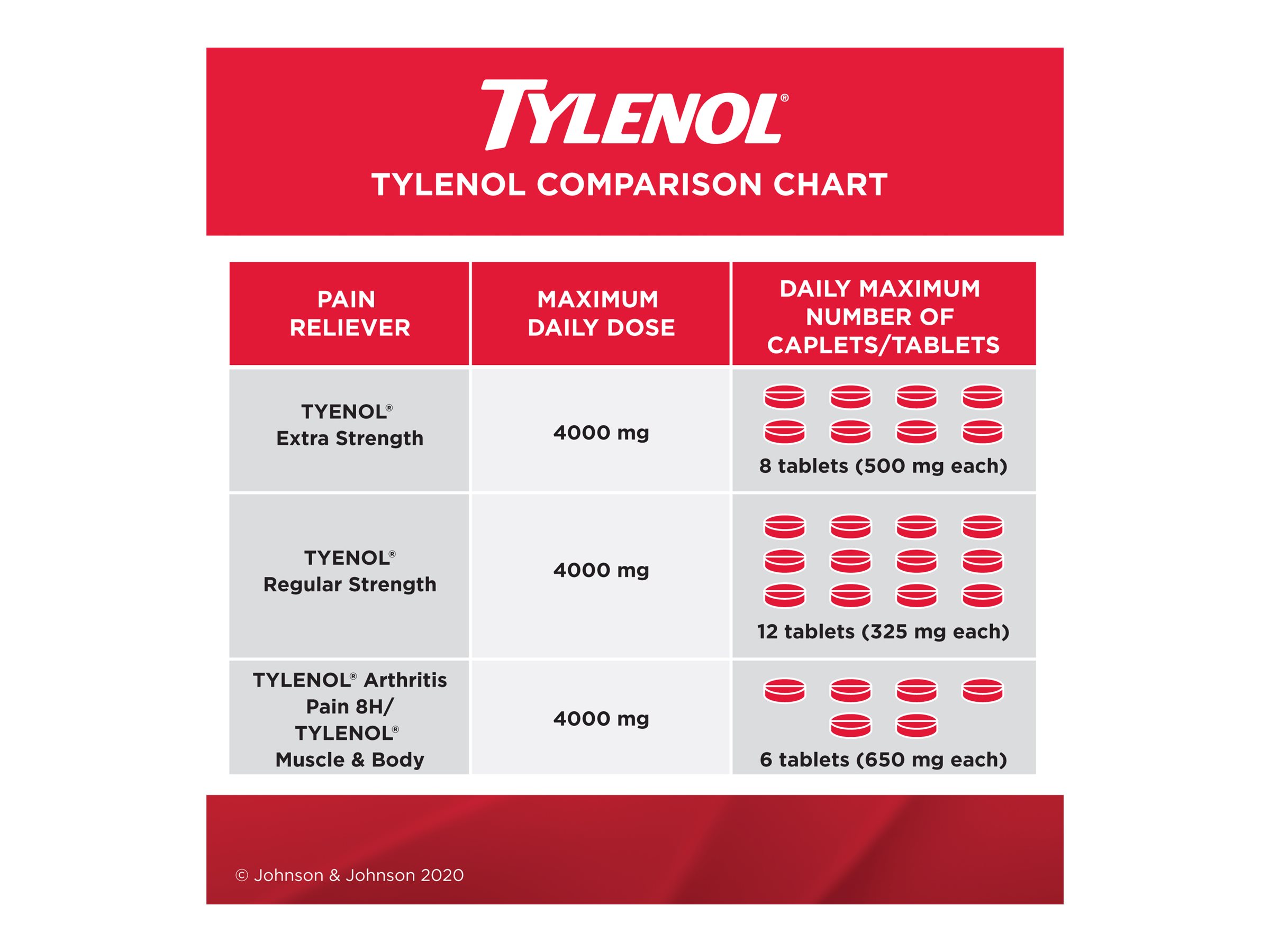
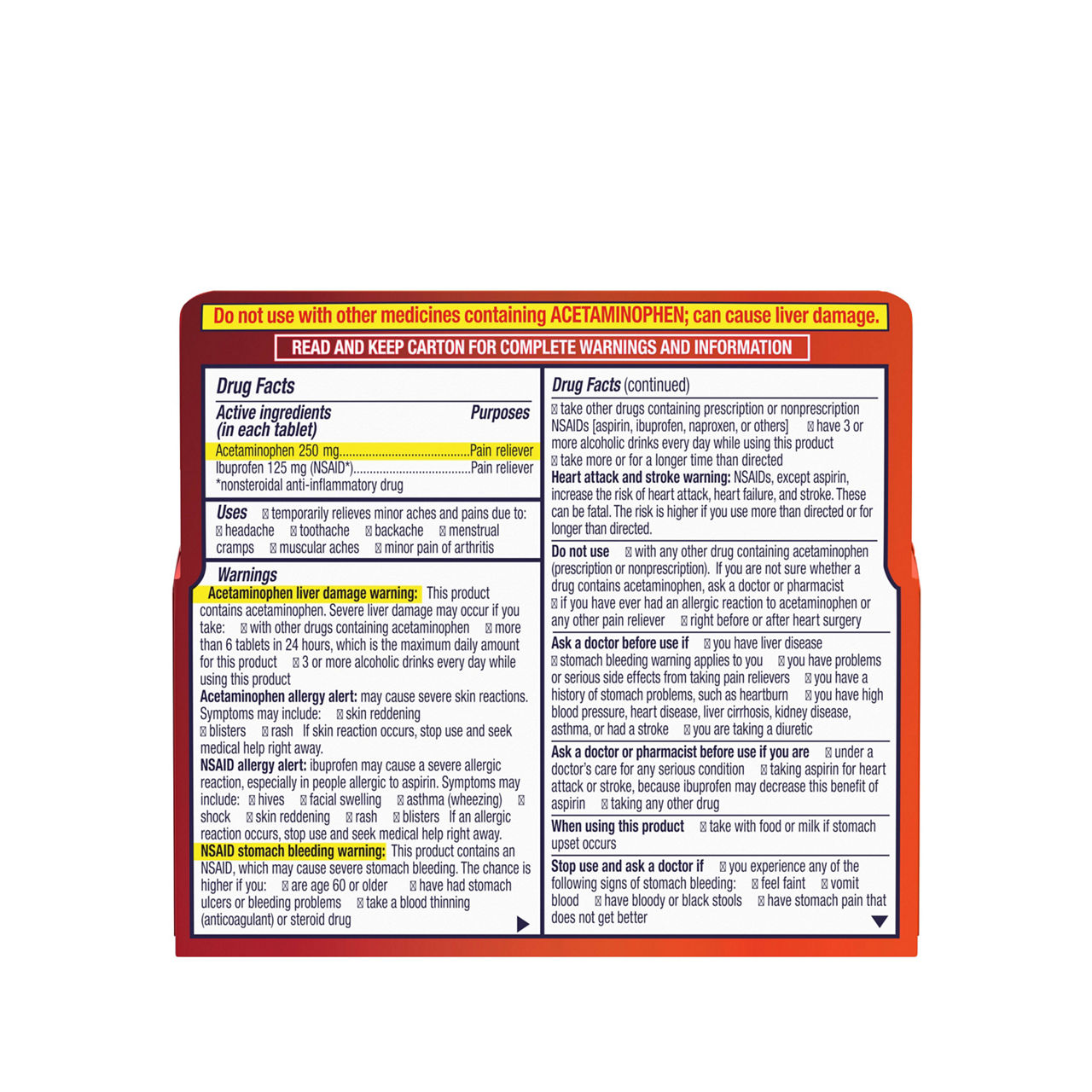
- Take the recommended dose of each medication: The maximum daily dose of ibuprofen is 1200mg, while the maximum daily dose of acetaminophen is 4000mg. Taking more than the recommended dose can increase the risk of side effects and interactions.
- Space out the doses: Take ibuprofen and Tylenol at least 2-3 hours apart to minimize the risk of side effects and interactions.
- Monitor your body's response: If you experience any side effects or interactions, such as stomach upset, dizziness, or difficulty breathing, seek medical attention immediately.
- Consult your doctor: If you have a medical condition, take prescription medications, or have concerns about combining ibuprofen and Tylenol, consult your doctor or pharmacist for personalized advice.
Benefits of Combining Ibuprofen and Tylenol for Back Pain
Combining ibuprofen and Tylenol for back pain can offer several benefits, including:
- Improved pain relief: By targeting different mechanisms, combining these medications can provide better pain relief for some patients.
- Reduced inflammation: Ibuprofen's anti-inflammatory properties can help reduce inflammation and swelling associated with back pain.
- Enhanced efficacy: Combining these medications can be more effective than taking either one alone, especially for severe back pain.

Risks and Side Effects of Combining Ibuprofen and Tylenol
While combining ibuprofen and Tylenol is generally safe, there are potential risks and side effects to consider, including:
- Gastrointestinal problems: Taking high doses of ibuprofen and Tylenol can increase the risk of stomach upset, bleeding, and ulcers.
- Dizziness and drowsiness: Combining these medications can cause dizziness and drowsiness, especially when taken with other medications or substances.
- Allergic reactions: Some people may be allergic to one or both medications, which can cause severe reactions.
Alternatives to Combining Ibuprofen and Tylenol
If you're not comfortable combining ibuprofen and Tylenol or experience side effects, there are alternative pain relief options available, including:
- Naproxen: A prescription NSAID that can be taken orally or topically.
- Aspirin: A low-dose aspirin can be taken orally or topically for pain relief.
- Topical pain relievers: Creams, ointments, or patches that contain capsaicin, menthol, or methyl salicylate can be applied directly to the affected area.
Conclusion
Combining ibuprofen and Tylenol for back pain is generally safe if taken at the correct doses and spaced properly. However, it's essential to follow key safety guidelines and monitor your body's response to avoid potential side effects and interactions. If you're not comfortable combining these medications or experience side effects, there are alternative pain relief options available. Always consult your doctor or pharmacist for personalized advice on managing back pain.