Creating a Property Trust: A Comprehensive Guide
Putting a house in a property trust can be a complex process, but it can provide numerous benefits for homeowners, including avoiding probate, reducing estate taxes, and keeping property ownership private. In this article, we will guide you through the process of creating a property trust and explore the different types of trusts available.
What is a Property Trust?
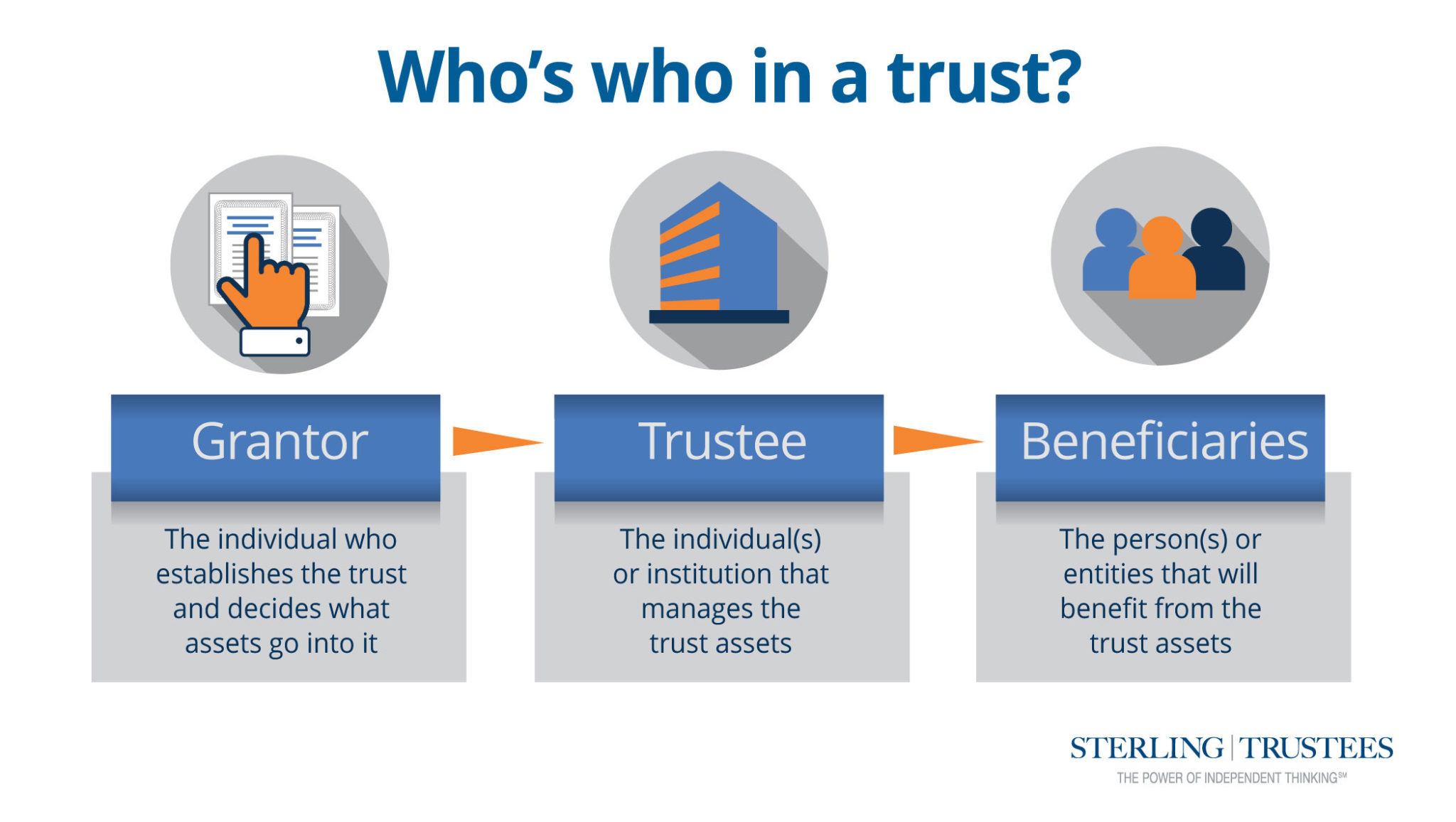
A property trust is a legal entity that holds property for designated beneficiaries. It is an important part of estate planning and wealth management as it can help shelter assets from taxes or lawsuits and provide income to family members after you pass away.
Types of Property Trusts
Several types of property trusts exist, and choosing the right one for your needs is crucial. A few types of property trusts to consider include:
- Revocable Trust: This type of trust allows you to change the terms of the trust or even dissolve it while you are still alive.
- Irrevocable Trust: This type of trust cannot be changed or ended once it is created and is usually used to avoid taxes and lawsuits.
- Living Trust: Also called an inter vivos trust, this type of trust is created during your lifetime and is used for estate planning and asset management.
- Testamentary Trust: This type of trust is created through your will and becomes active after your passing.
Creating a Property Trust
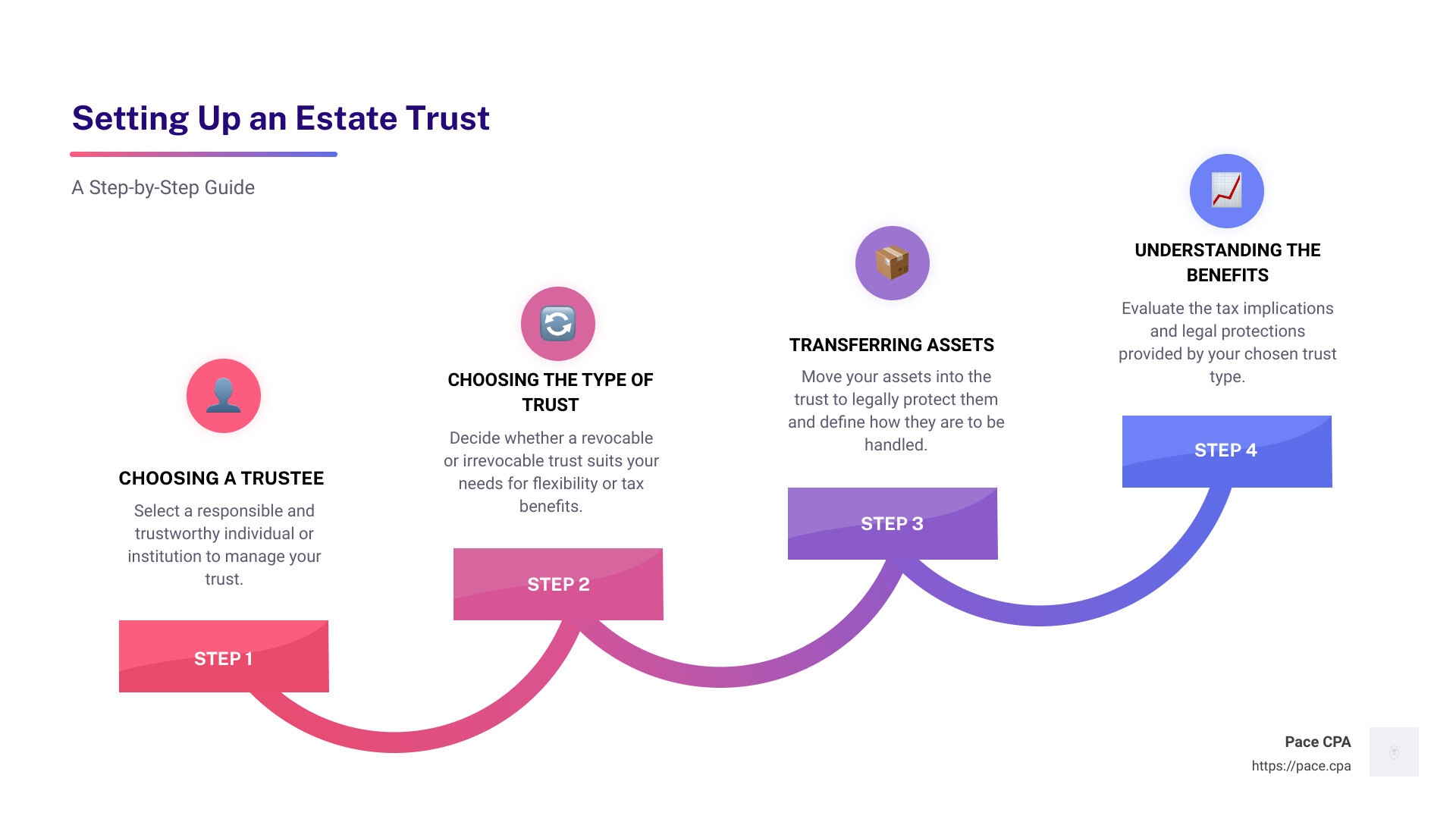
Creating a property trust requires proper planning and administration. Here are the steps to create a property trust:
- Step 1: Get Your Documents in Order: You will need to gather all the necessary documents, including property deeds and it's best to consult with a lawyer.
- Step 2: Choose a Trustee: Select a reliable trustee who can manage the day-to-day operations and decision-making of the trust.
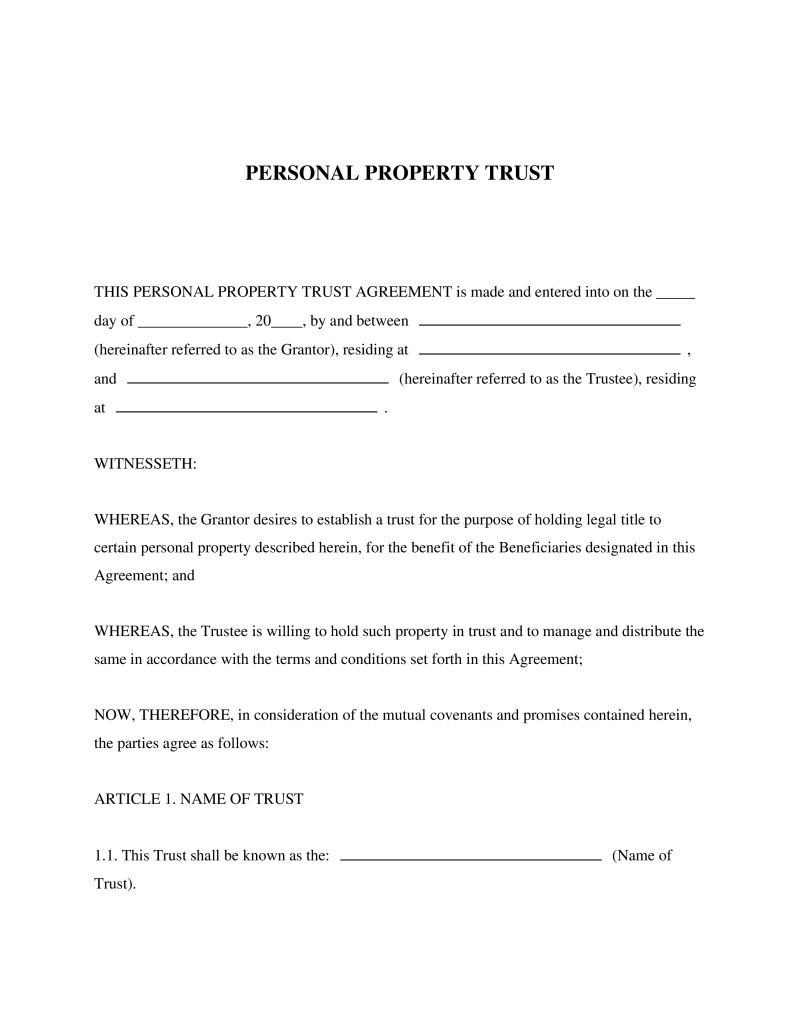
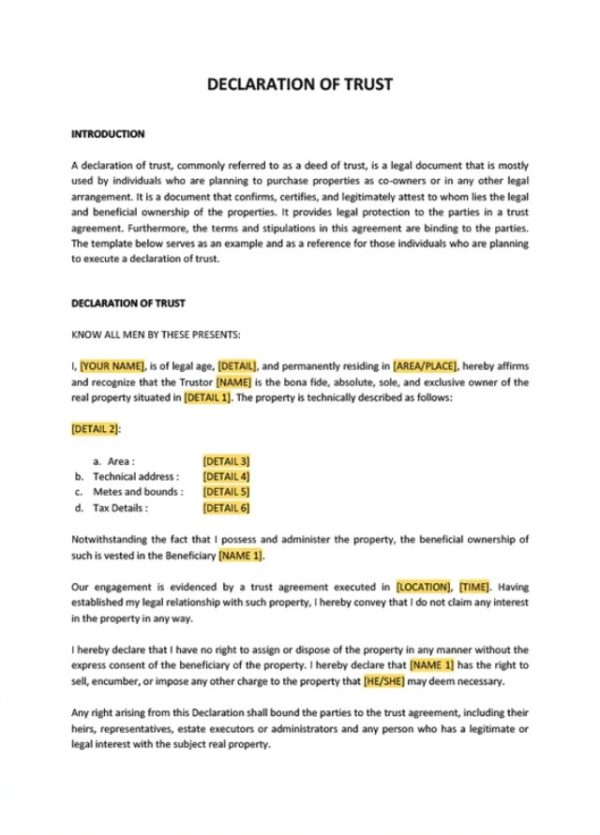
- Step 3: Draft the Trust Document: Work with a lawyer to create the trust document, which outlines the terms of the trust, including who the beneficiaries are, and how the property will be distributed.
- Step 4: Transfer Property Ownership: Once the trust is created, transfer the property title into the trust's name.
- Step 5: Record a New Deed: File a new deed with the county clerk and notify the mortgage lender that you are putting the property in the trust.
Benefits of Creating a Property Trust
Creating a property trust can provide numerous benefits, including:
- Reducing Estate Taxes: By transferring property to a trust, you can reduce the value of your estate, resulting in lower estate taxes.
- Avoiding Probate: Property in a trust will not require probate, which means that it will not be subject to the costly and time-consuming court process.
- Keeping Property Private: The details of your property trust can remain private, protecting your family's financial information.
Alternatives to Creating a Property Trust
If you are not ready or able to create a property trust, there are alternative options to consider, including:
- Using a Digital Estate Planning Service: Online services that can help you create a property trust without the need for a lawyer.
- Creating a Revocable Trust: A trust that can be changed or canceled, which can be a good option if you are unsure of the long-term implications of a property trust.
Conclusion
Creating a property trust can be a complex process, but it can provide numerous benefits for homeowners, including reducing estate taxes, avoiding probate, and keeping property ownership private. By understanding the different types of property trusts, the steps involved in creating one, and the benefits and alternatives, you can make informed decisions about creating a property trust for your property.