Dog Safety on Planes: A Comprehensive Guide for Pet Owners
As a responsible pet owner, ensuring the safety and comfort of your furry friend is a top priority, especially when traveling by plane. With the rise in pet travel, it's essential to understand the rules, regulations, and best practices for flying with dogs. In this article, we'll provide you with a comprehensive guide on dog safety on planes, covering the key aspects to consider before, during, and after the flight.
Understanding Airline Pet Policies
Before booking a flight with your dog, it's crucial to research the airline's pet policies, including their requirements for in-cabin and checked baggage travel. Some airlines may have specific rules regarding the size, breed, and age of dogs allowed in the cabin or cargo hold. Make sure to check with the airline well in advance to avoid any last-minute surprises.
Pre-Flight Preparations
To ensure a smooth and safe flight for your dog, it's essential to prepare them beforehand. This includes:
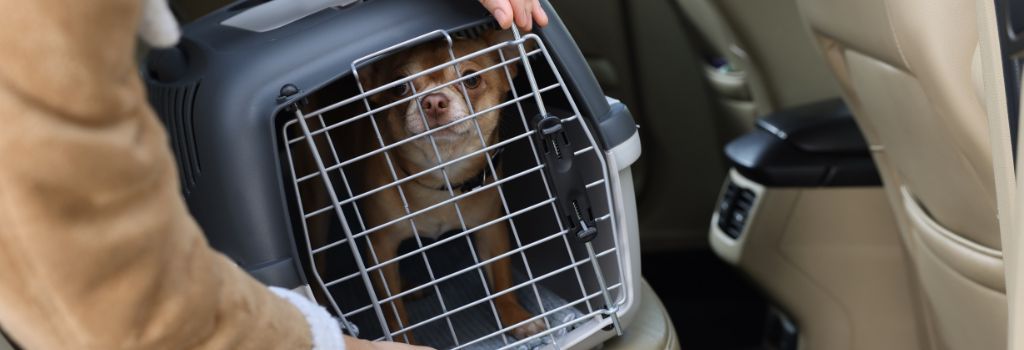
Acclimating your dog to their carrier or crate, which should be IATA-approved and meet the airline's size requirements.
Getting your dog accustomed to wearing a harness or carrier vest to help them feel secure during the flight.
Ensuring your dog's health certificate is up-to-date and obtained within 10 days of travel.
Meeting the airline's vaccination requirements, which may include a rabies vaccination and other necessary shots.
Securing a health certificate from a licensed veterinarian, which may be required by some airlines.
During the Flight
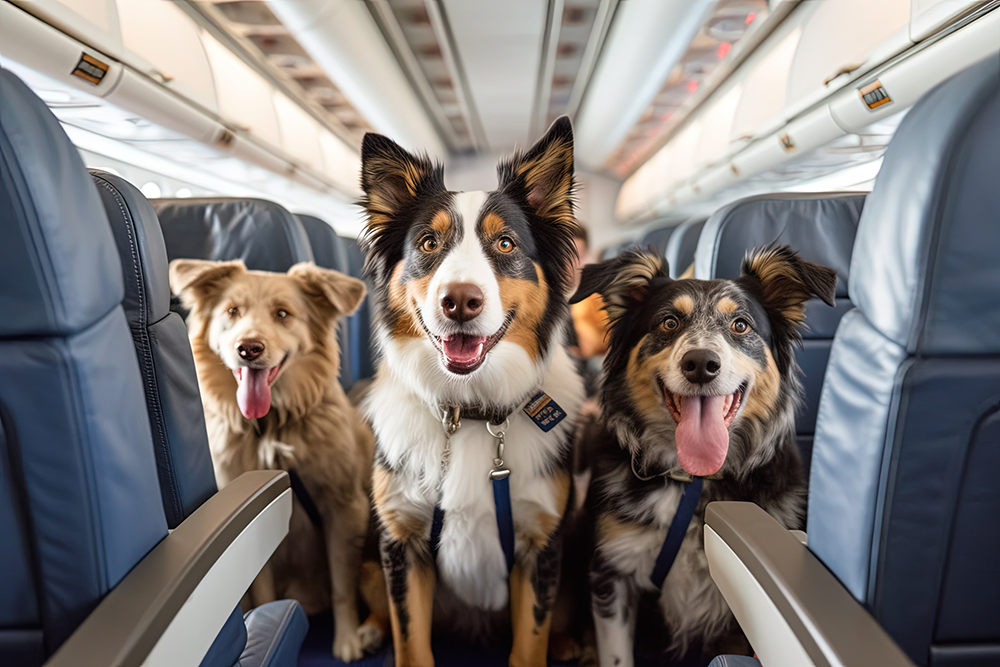
When traveling with your dog in the cabin, ensure they remain in their carrier or crate at all times, as per Federal Aviation Administration (FAA) regulations. If your dog is too large to travel in the cabin, they can be transported in the cargo hold or as checked baggage. Keep in mind that cargo holds are pressurized and climate-controlled, but they may not provide the same level of comfort as in-cabin travel.
After the Flight
Once you arrive at your destination, make sure to:
Release your dog from their carrier or crate immediately and provide them with plenty of fresh water and attention.
Monitor your dog's behavior and watch for signs of stress or discomfort, such as panting, pacing, or vomiting.
Seek veterinary care if your dog exhibits any unusual symptoms or if you suspect they may have developed a health issue during the flight.
Additional Tips and Considerations
To further ensure your dog's safety on planes, consider the following:
Choose direct flights whenever possible to minimize the risk of delays or connections.
Book a flight during your dog's least stressful time of day, typically early morning or late evening.
Avoid traveling with your dog during peak hurricane or storm seasons.
Keep your dog's identification and medical records easily accessible in case of an emergency.
Conclusion
Flying with your dog can be a wonderful experience, but it's essential to prioritize their safety and comfort. By understanding airline pet policies, preparing your dog beforehand, and following these guidelines, you can ensure a stress-free and enjoyable flight for both you and your furry friend. Remember, with careful planning and attention to detail, you can create a smooth and safe journey for your dog, even on long-haul flights.