How to Protect Yourself from Online Scams on Social Media
Social media platforms have become prime targets for scammers to deceive users. Unknowingly sharing personal information on social media jeopardizes both our identity and financial security. As technology advances, the risks associated with online scams continue to grow. In this article, I will outline the steps to take to protect yourself from scammers and stay safe from social media scams.
Approach Unsolicited Messages with Caution
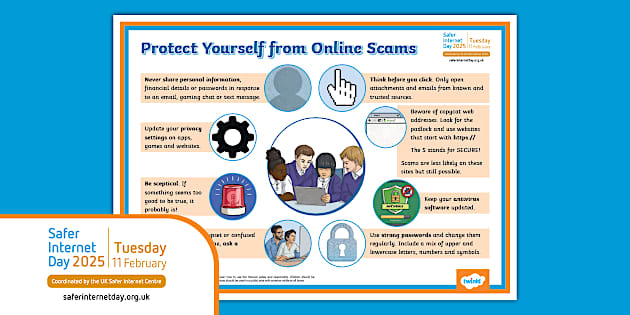
Scammers often lure victims by sending unsolicited messages, including texts, emails, and social media messages. These messages may appear legitimate, but they can be a trap for unsuspecting users. Be cautious of any messages that ask for personal information, suspicious links, or requests for money.
- Verify the identity of the sender by checking their profile or contact information.
- Be wary of messages that create a sense of urgency or panic.
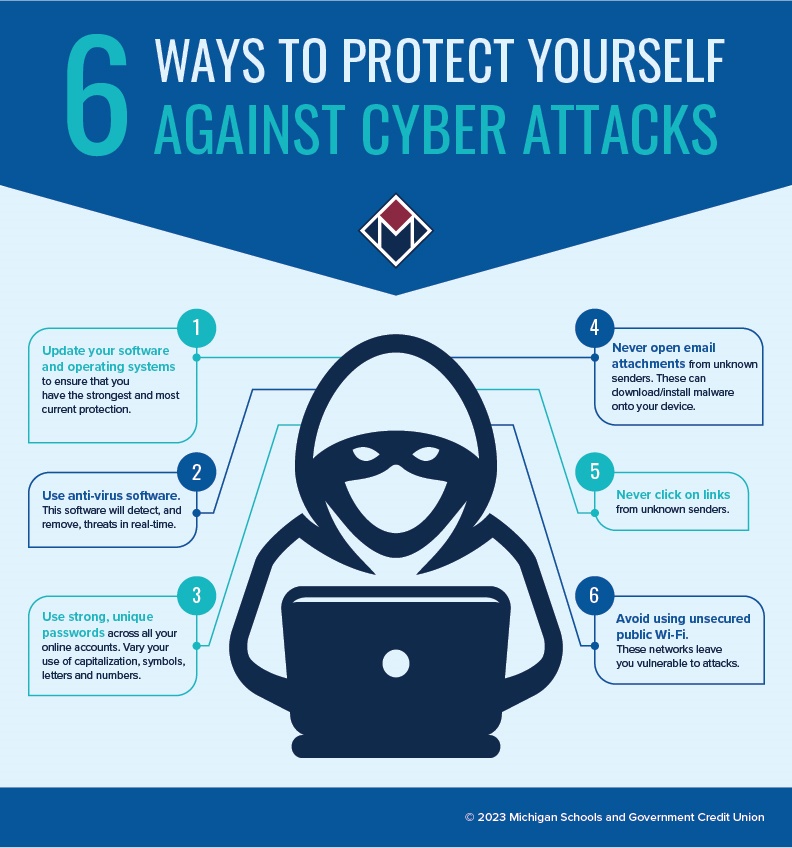
- Avoid clicking on suspicious links or downloading attachments from unknown senders.
- Report any suspicious messages to the social media platform or online service provider.
Recognize and Avoid Common Social Media Scams
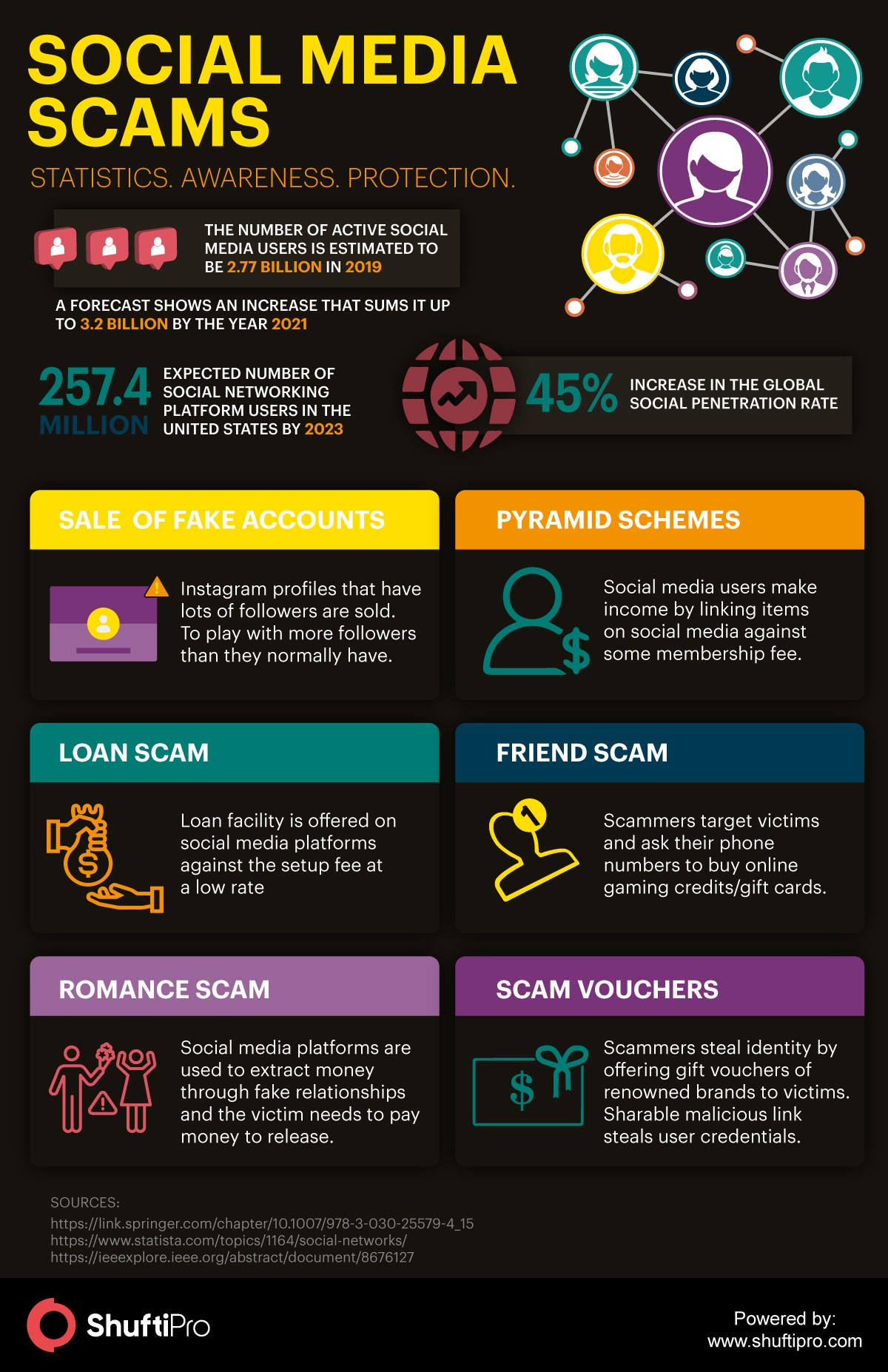
There are various types of social media scams, including romance scams, phishing scams, and fake charity scams. Here are some common scams to watch out for:
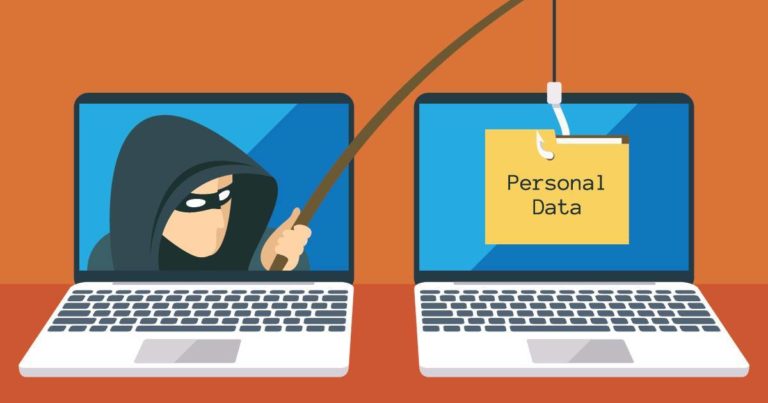
- Phishing Scams: Scammers may create fake profiles or messages that appear to be from a legitimate organization, requesting sensitive information such as login credentials or financial information.
- Romance Scams: Scammers create fake online relationships, asking for money or personal information under the guise of a romantic partner.
- Fake Charity Scams: Scammers may create fake charity profiles or campaigns, asking for donations or financial information.
Tips for Staying Safe on Social Media
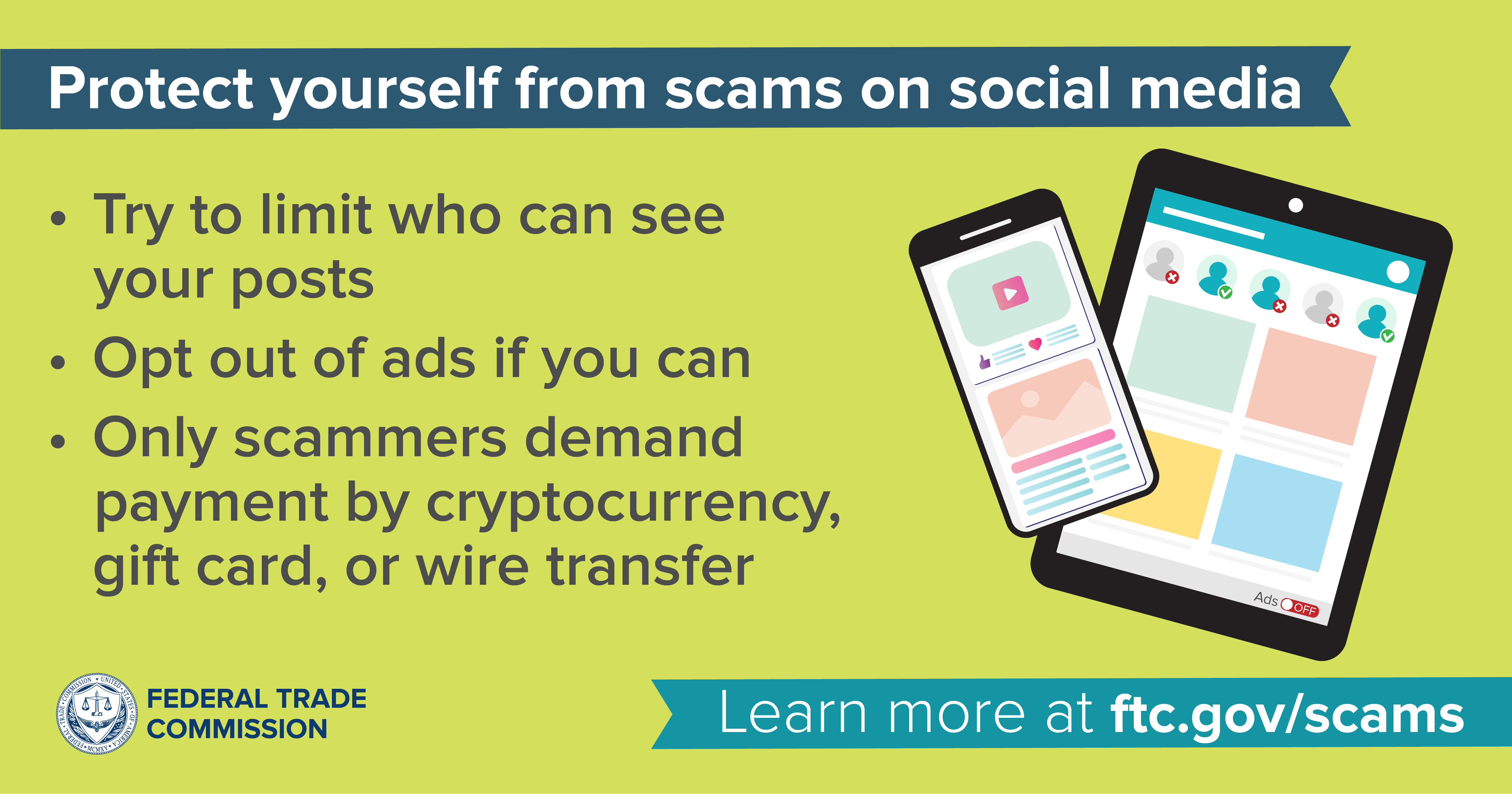
Here are some additional tips to help you stay safe on social media:
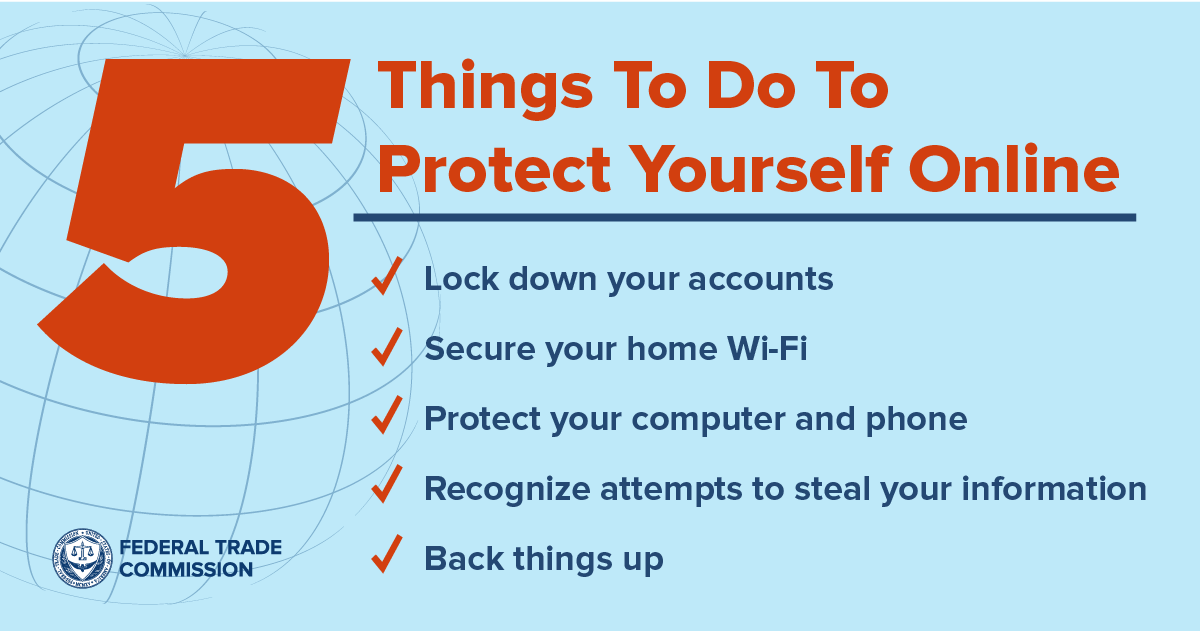
- Strong Account Security: Use a strong and unique password, and enable two-factor authentication on your social media accounts.
- Verification Habits: Verify the authenticity of any messages or links before responding or clicking.
- Information Control: Limit the amount of personal information you share on social media.
- Slowing Down: Take your time to respond to messages or requests, and don't feel pressured to act immediately.
Additional Tips for Protecting Yourself
Here are some additional tips to help you protect yourself from social media scams:
- Learn About Social Media Scams: Stay informed about the different types of social media scams and how to avoid them.
- Report Suspicious Activity: Report any suspicious behavior or messages to the social media platform or online service provider.
- Use Secure Browsers: Use secure browsers and antivirus software to protect your device from malware and phishing attacks.
Conclusion
Social media scams are a growing threat, and it's essential to stay vigilant and take steps to protect yourself. By being cautious, verifying authenticity, and taking control of your online presence, you can minimize the risk of falling victim to social media scams. Remember, your online safety and security are paramount, and it's always better to be safe than sorry.