Understanding the Dark Side of Screentime: The Rise of Doomscrolling
Have you ever found yourself endlessly scrolling through your favorite social media platform, news website, or online forum, feeling anxious, stressed, or overwhelmed by the constant flow of information? You're not alone. The phenomenon of doomscrolling has become increasingly prevalent in today's digitally driven world, with experts warning about its potential impact on our mental and physical health.
What is Doomscrolling?
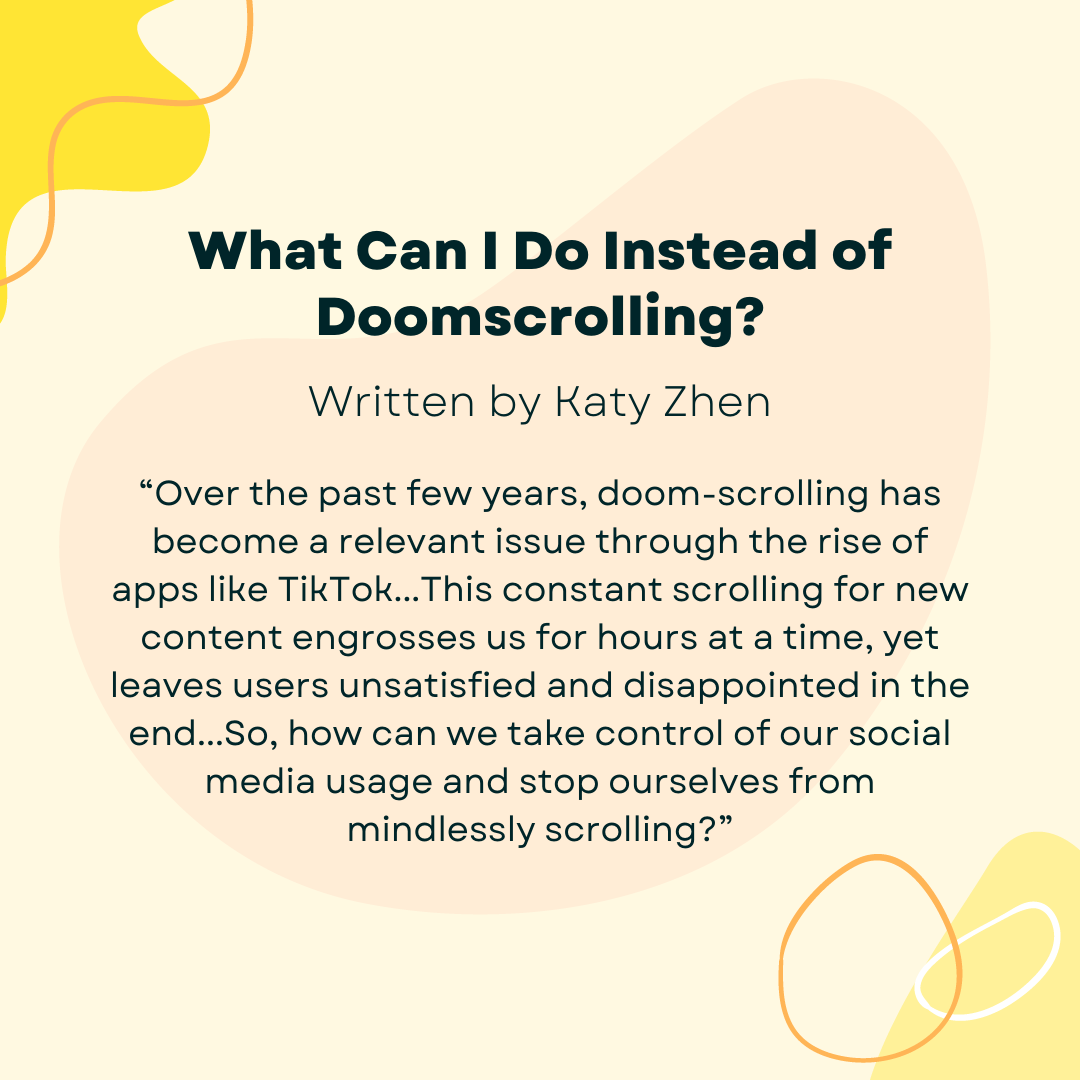
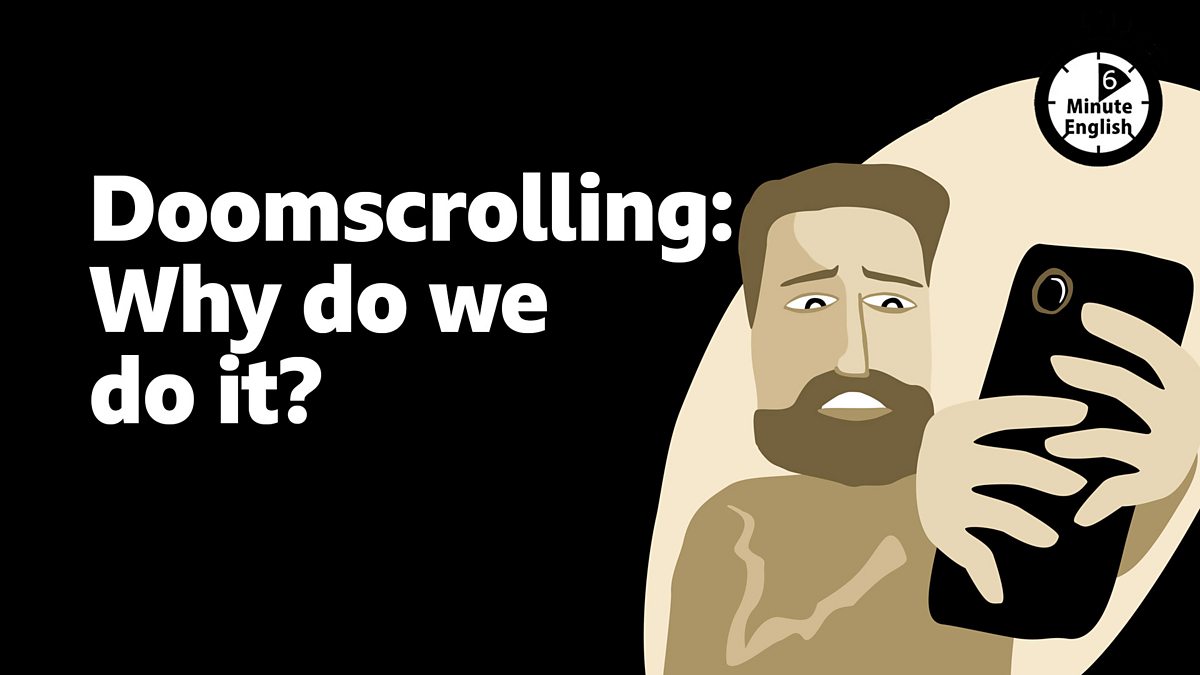
Doomscrolling, also known as doomsurfing, is the habit of spending an excessive amount of time watching short-form content or reading large quantities of user-generated content or news, particularly negative news, on the web and social media. This behavior can lead to a wide range of physical and mental health effects, from increased anxiety and stress to burnout, negatively impacting our daily lives and relationships.
Why Do We Doomscroll?
So, why do we engage in doomscrolling? One reason is that it provides a sense of control and understanding in uncertain times. We may feel compelled to stay informed about the world around us, thinking that by gathering more information, we might feel better. However, thisbelieves a false narrative: constant exposure to negative news can actually exacerbate existing anxieties and fears.
The Consequences of Doomscrolling
- Increased anxiety and stress
- Burnout and decreased productivity
- Deteriorated mental health
- Strained relationships
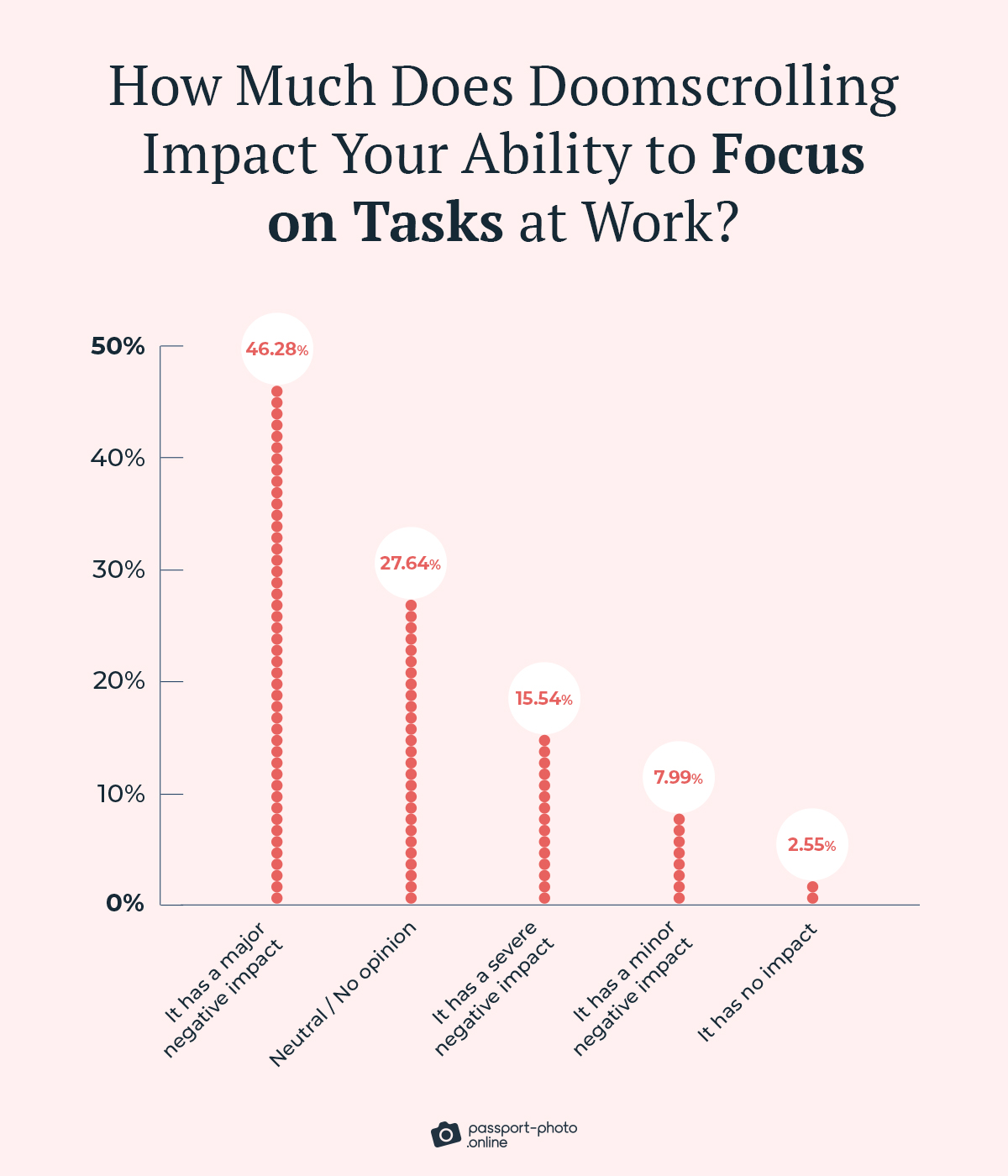
- Decreased attention span and focus
Breaking the Cycle of Doomscrolling
Fortunately, there are steps you can take to break the cycle of doomscrolling and cultivate healthier digital habits. Start by setting boundaries for yourself, such as limiting your screen time or designating specific times of the day for social media use. Practice mindfulness and self-care, engaging in activities that bring you joy and relaxation. Consider using apps or tools that help you track and manage your screen time.
Practical Tips to Reduce Doomscrolling
- Set specific goals for your social media use
- Use website blockers or apps that track and limit screen time
- Practice mindfulness and self-care
- Engage in offline activities, such as exercise, reading, or hobbies
- Seek support from friends, family, or a mental health professional
Conclusion
Doomscrolling may seem like a harmless habit, but it can have serious consequences for our mental and physical health. By understanding the reasons behind this behavior and taking steps to break the cycle, we can cultivate healthier digital habits and improve our overall well-being. Remember, it's time to take control of your screentime and prioritize your mental health.