Eating Honey in Pregnancy: Is It Safe?
As a pregnant woman, you're probably no stranger to questions and concerns about your diet. While some foods are off-limits, others are safe and even beneficial for you and your baby. One sweet treat that's often debated is honey. Is eating honey in pregnancy safe, or should you avoid it altogether? Let's dive into the facts.General Safety of Eating Honey in Pregnancy
Generally speaking, honey is considered safe to eat during pregnancy. In fact, many experts agree that honey is a nutritious addition to a pregnant woman's diet. However, it's essential to consume it in moderation and choose pasteurized honey to minimize the risk of botulism. Pasteurized honey is heated to a temperature that kills any bacteria, such as Clostridium botulinum, that could potentially cause harm.Benefits of Eating Honey in Pregnancy
While honey is primarily composed of sugar, it also contains small amounts of nutrients, including iron, calcium, and magnesium. Consuming honey in pregnancy can offer several benefits, including: * Easy to digest: Honey is a natural sweetener that's easy on the digestive system, making it an excellent option for pregnant women who experience morning sickness or other digestive issues. * Antioxidant properties: Honey contains antioxidants that can help soothe a cough and aid digestion, reducing inflammation and promoting overall health. * Immune system support: Honey has antibacterial and antifungal properties, which can help support the immune system and prevent illnesses. * Energy boost: Honey is a natural source of carbohydrates, which can provide a quick energy boost for pregnant women.Raw Honey vs. Pasteurized Honey
While both raw and pasteurized honey are considered safe to eat during pregnancy, there are some differences to note: * Raw honey: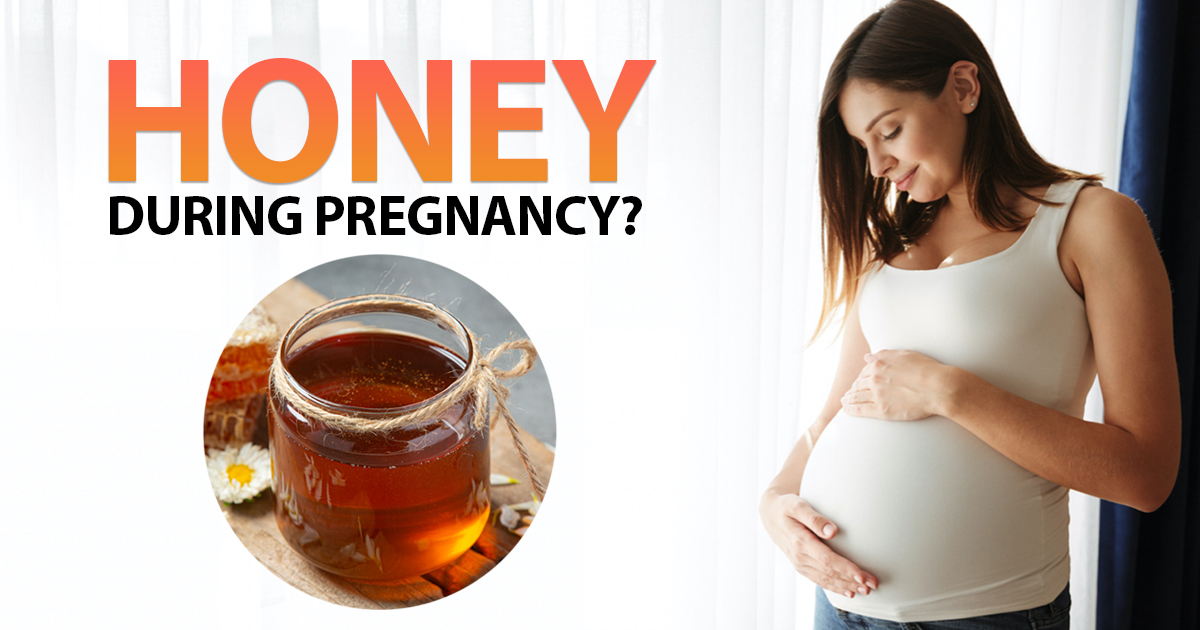
Precautions and Concerns
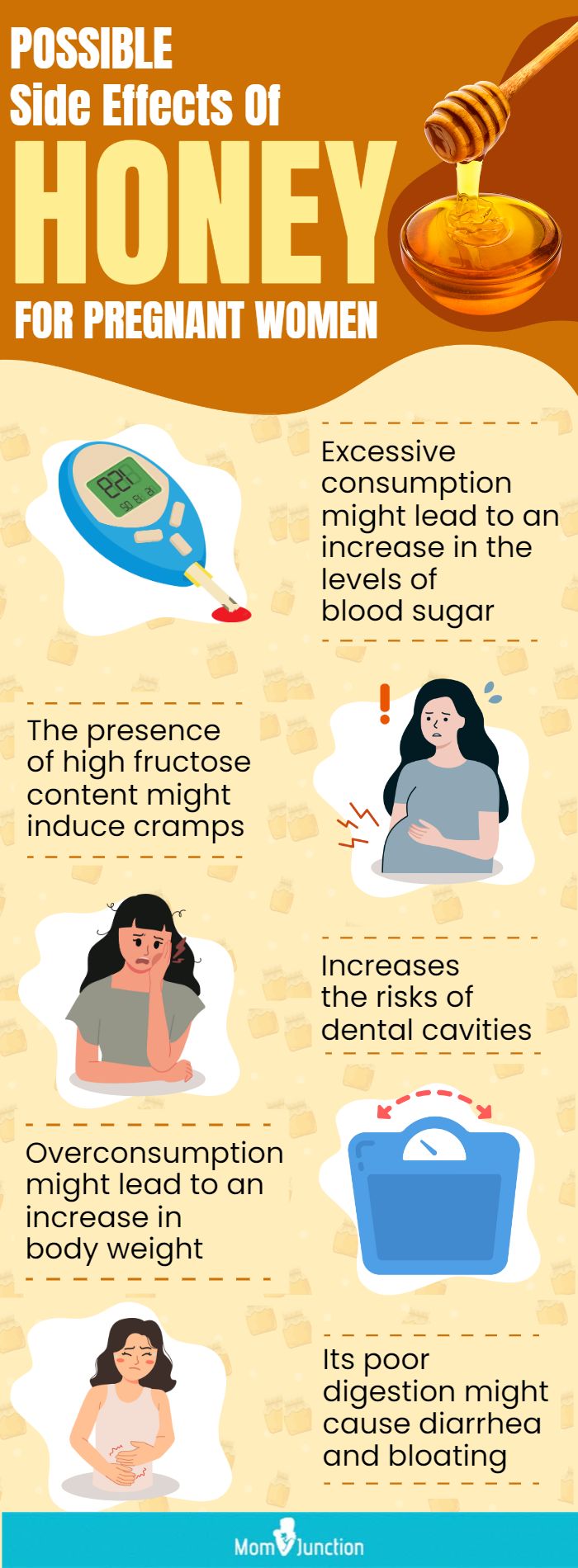
While eating honey in pregnancy is generally considered safe, there are some precautions and concerns to keep in mind: * Botulism risk: As mentioned earlier, there's a small risk of botulism associated with raw honey consumption. However, this risk is generally low for healthy adults, including pregnant women. * Sugar content: Honey is primarily composed of sugar, so it's essential to consume it in moderation to avoid excessive sugar intake. * Allergies: If you're allergic to bees or have a pollen allergy, you may want to avoid consuming honey or try a small amount to test for any adverse reactions.Conclusion
Eating honey in pregnancy is generally considered safe when consumed in moderation and choose pasteurized honey. While there are some benefits to eating honey, such as easy digestion, antioxidant properties, and immune system support, it's essential to be aware of the potential drawbacks, including the risk of botulism and excessive sugar intake. As with any food, always consult your healthcare provider before making any significant changes to your diet.- Choose pasteurized honey to minimize the risk of botulism.
- Consume honey in moderation to avoid excessive sugar intake.
- Be aware of any allergies or sensitivities to honey or bees.
- Consult your healthcare provider before making any significant changes to your diet.