Eating Spicy Food in Late Pregnancy: The Good, the Bad, and the Myths
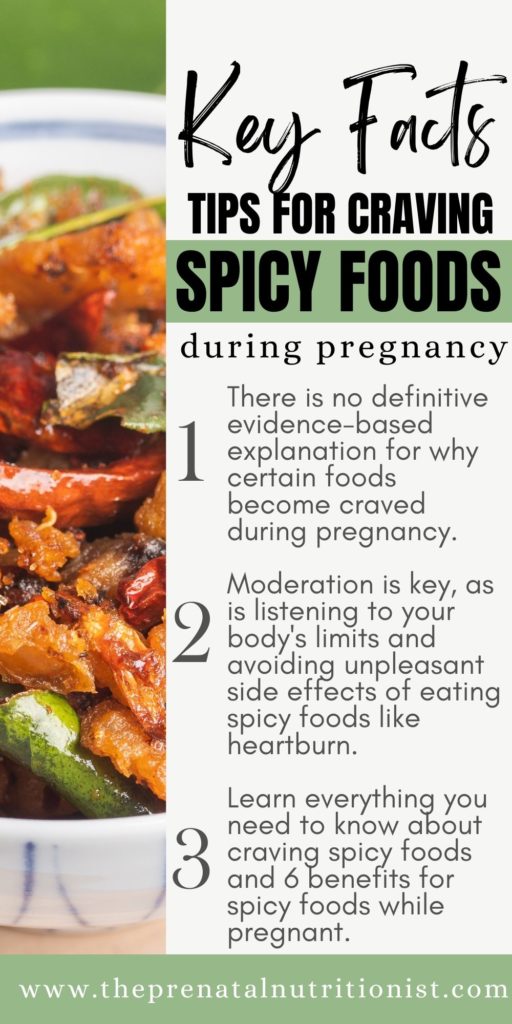
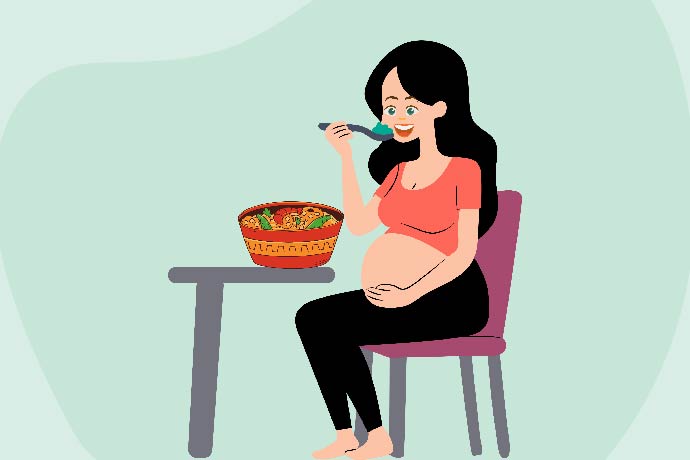
Are you a pregnant woman craving spicy food, but wondering if it's safe to indulge? The answer lies in understanding the effects of spicy food on your body and the baby. In this article, we'll explore the benefits and risks of eating spicy food during late pregnancy, dispel common myths, and provide guidance on making informed choices.The Science Behind the Sizzle
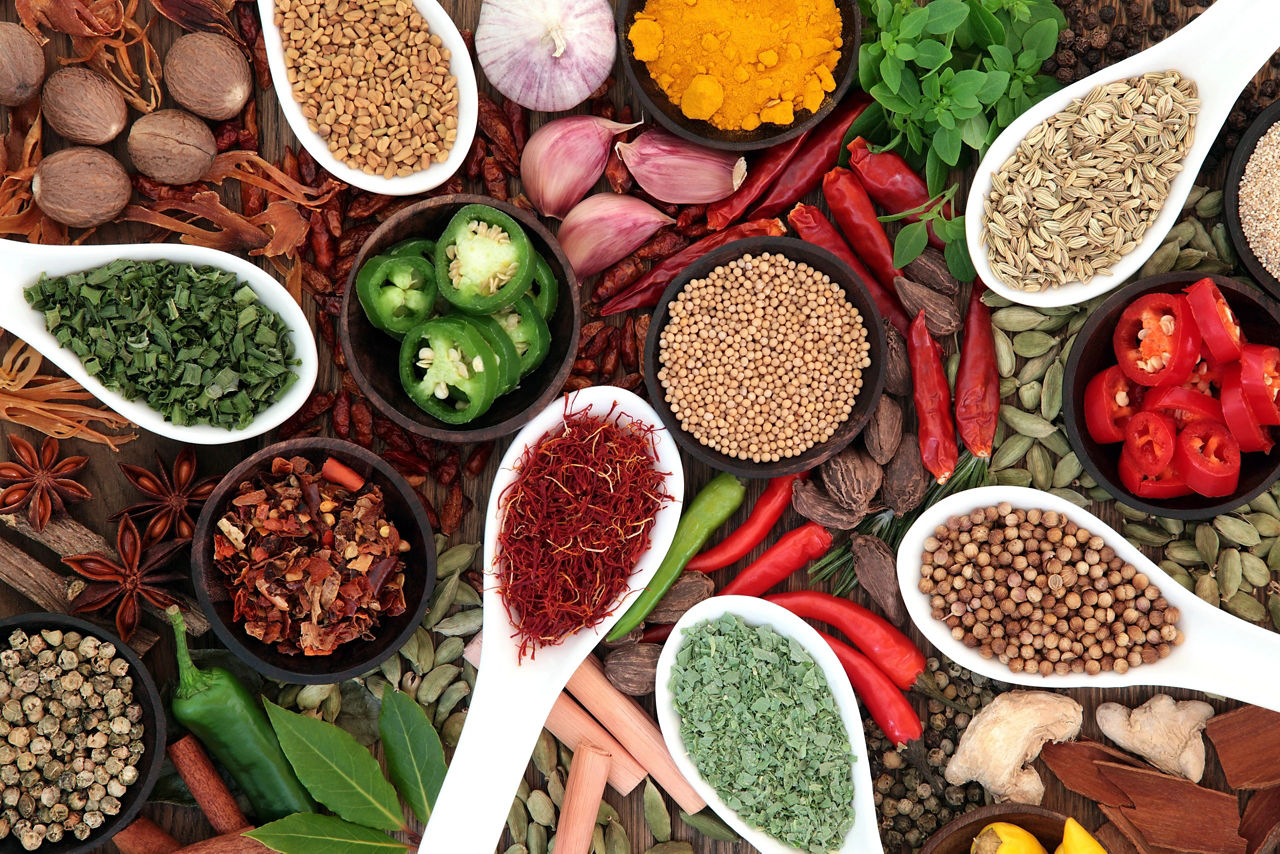
Capsaicin, the compound responsible for the heat in spicy food, stimulates stomach acid production and raises body temperature. This can lead to a range of effects, from heartburn and indigestion to diarrhea and gas. However, research suggests that eating spicy food in moderation is not linked to adverse effects on the baby.Pregnancy and Spicy Food: Separating Fact from Fiction
There are many myths surrounding the relationship between spicy food and pregnancy. Some of the most common claims include:- Spicy food can induce labor or cause premature birth.
- Spicy food can lead to birth defects or miscarriage.
- Spicy food can affect the baby's gender or cause acne.
Squeezing the Truth from Science
While spicy food may trigger heartburn or indigestion, there is no scientific evidence to support the claims mentioned above. In fact, research suggests that eating spicy food during pregnancy can have benefits for the baby. For instance, introducing new flavors through the amniotic fluid may increase the likelihood of the child accepting those flavors later in life.Pros and Cons of Eating Spicy Food in Late Pregnancy

- Introduce your baby to new flavors through the amniotic fluid.
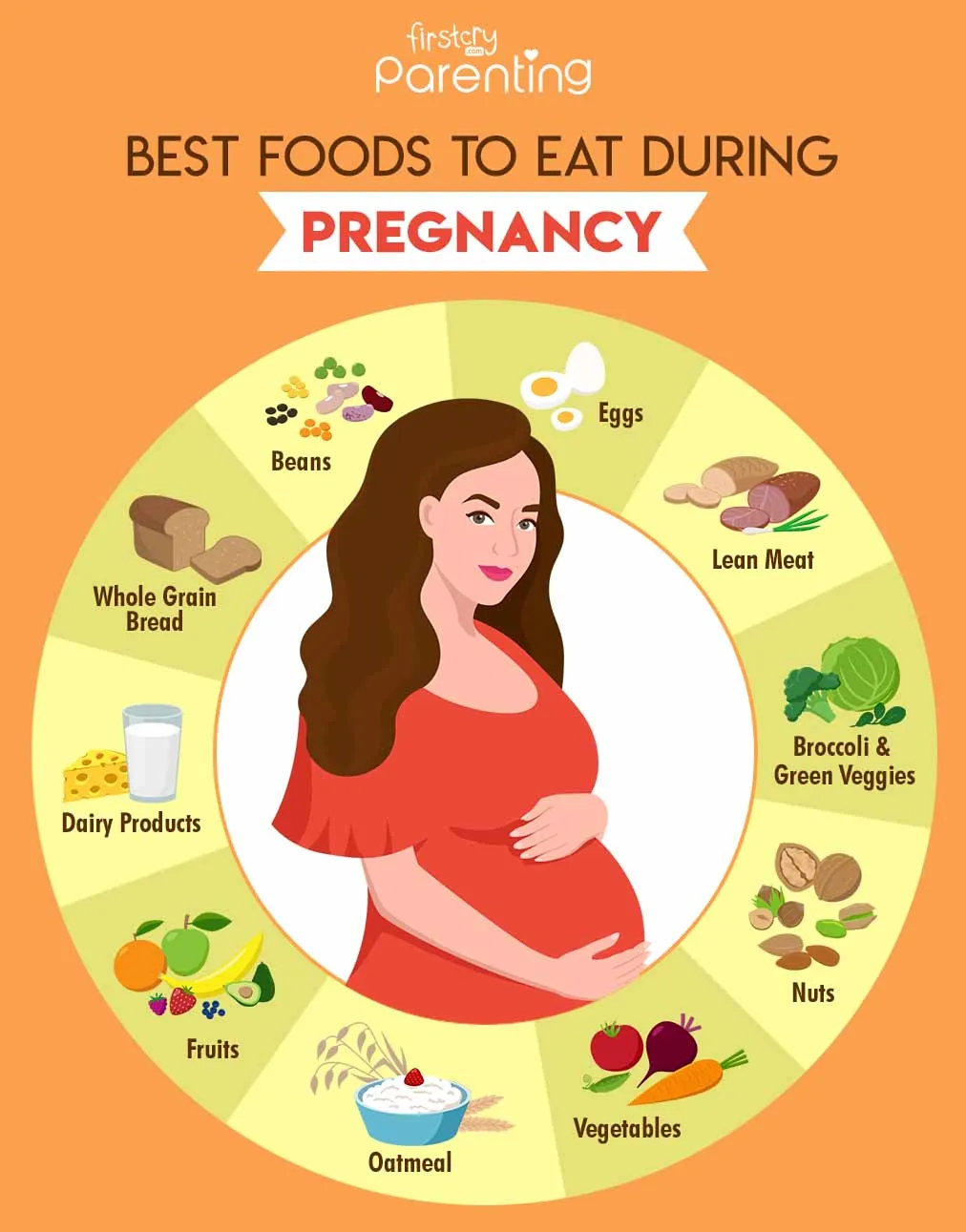
- Support a healthy pregnancy diet by incorporating nutrient-rich foods.
- Aggravate heartburn and indigestion.
- Cause diarrhea, gas, or bloating.
- Trigger stomach acid production and raise body temperature.
Avoiding Discomforts and Symptoms
While it's generally safe to eat spicy food during pregnancy, there are ways to minimize discomforts and symptoms. Try these tips to make spicy food enjoyable without compromising your health:- Eat smaller meals and avoid eating late at night.
- Choose mild or medium-hot options instead of extremely spicy foods.
- Avoid trigger foods that may exacerbate symptoms, such as greasy or fried dishes.
- Stay hydrated by drinking fluids between meals.