Effective Weight Loss Strategies for Athletes
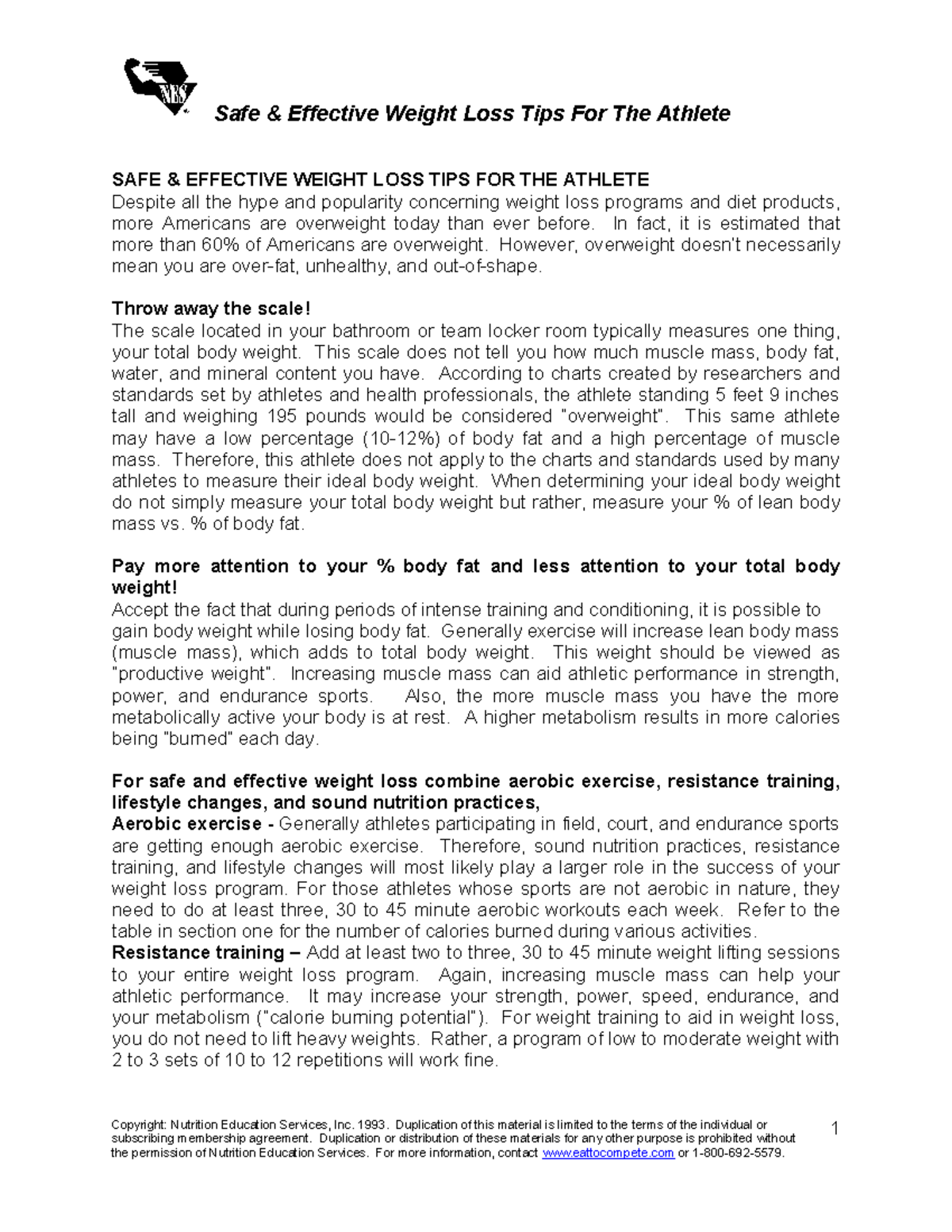
As an athlete, it's not just about winning, but also about maintaining a healthy body composition to ensure peak performance. However, losing weight as an athlete can be challenging, and it's essential to approach it the right way to avoid jeopardizing your health and performance. In this article, we'll explore the most effective weight loss strategies for athletes, backed by science and tailored to meet the unique needs of athletes.
The Challenges of Weight Loss for Athletes
When it comes to weight loss, many athletes face the same challenges as non-athletes. However, athletes have an added layer of complexity due to their high energy expenditure, specific dietary needs, and intense training regimens. Rapid weight loss can lead to muscle loss, decreased strength, and compromised performance, whereas gradual weight loss ensures that athletes can maintain their power-to-weight ratio and performance levels.
Gradual Weight Loss: The Safest Approach
The American College of Sports Medicine recommends that athletes aim for a weight loss of 1-2 pounds per week. This gradual approach allows for a more sustainable and maintainable weight loss journey. It's essential to start weight loss efforts well before the competition season begins to ensure that athletes can adapt to their new weight and performance capabilities.
Protein Intake: A Critical Component of Weight Loss
Protein is essential for building and repairing muscle tissue, and athletes require a higher protein intake to support their muscle mass. Aim for 1.2-1.6 grams of protein per kilogram of body weight to ensure that muscle loss is minimized during weight loss.
Low-Energy Dense Foods: The Key to Weight Loss
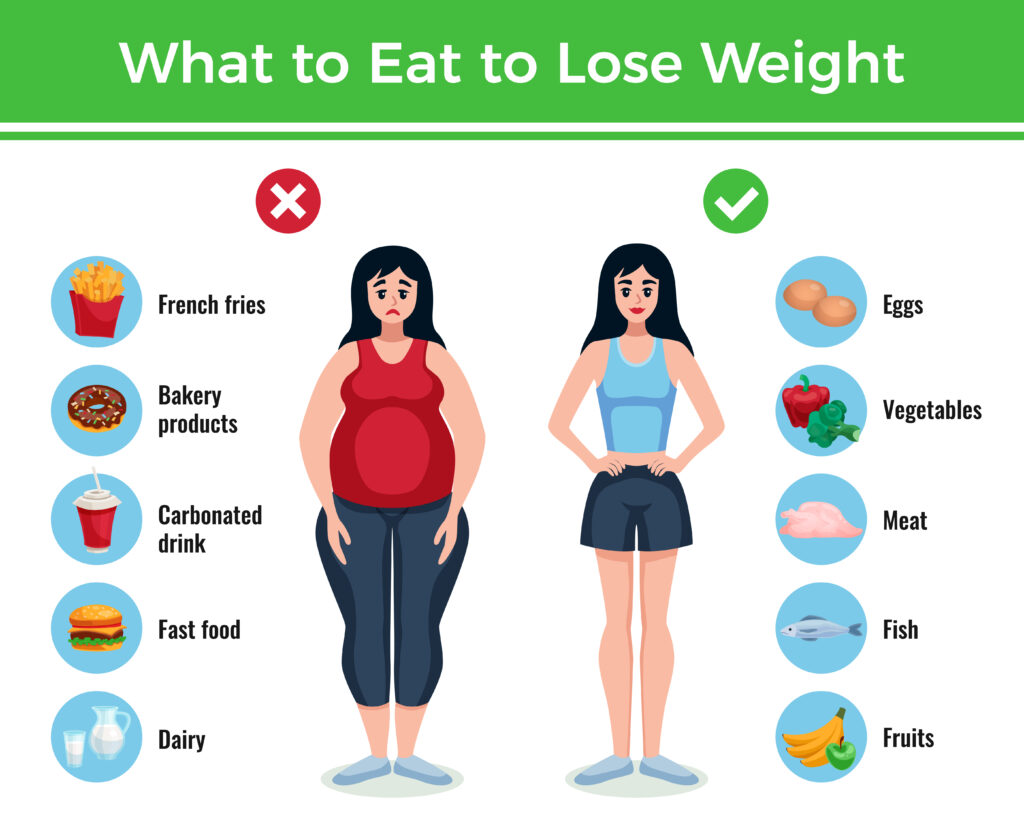
Low-energy dense foods are those that provide fewer calories per gram of food. Examples of low-energy dense foods include fruits, vegetables, lean proteins, and whole grains. These foods help athletes feel full and satisfied while reducing overall calorie intake.
Timing Meals Around Exercise: Optimizing Nutrition
Timing meals around exercise can significantly impact performance and weight loss. Aim to consume a balanced meal or snack with a mix of carbohydrates, protein, and healthy fats within 1-2 hours after exercise to support recovery and muscle repair.
Limiting Energy-Dense Beverages: A Sneaky Way to Reduce Calories
Energy-dense beverages, such as sugary drinks and sports drinks, can lead to excessive calorie intake. Limit or avoid these beverages, and opt for water or low-calorie alternatives to stay hydrated and support weight loss.
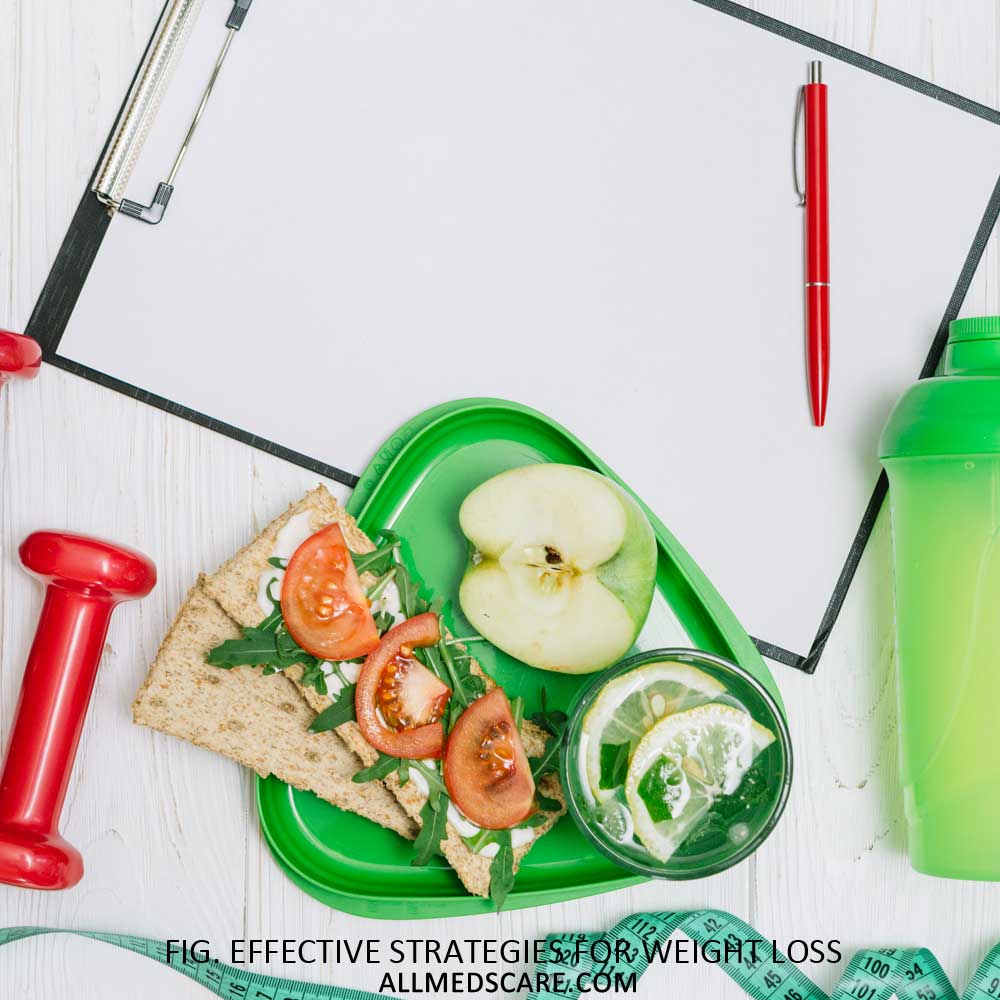
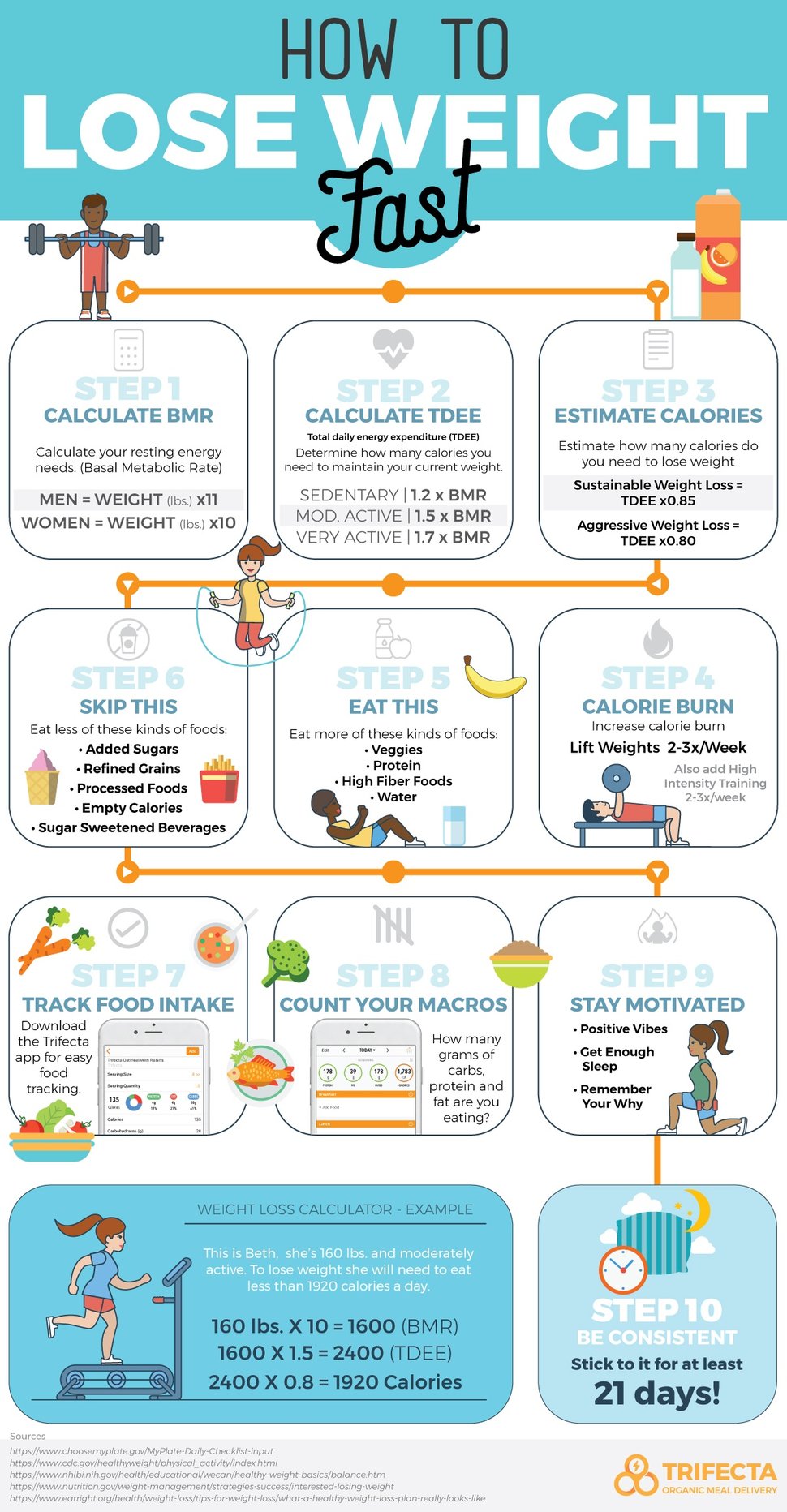
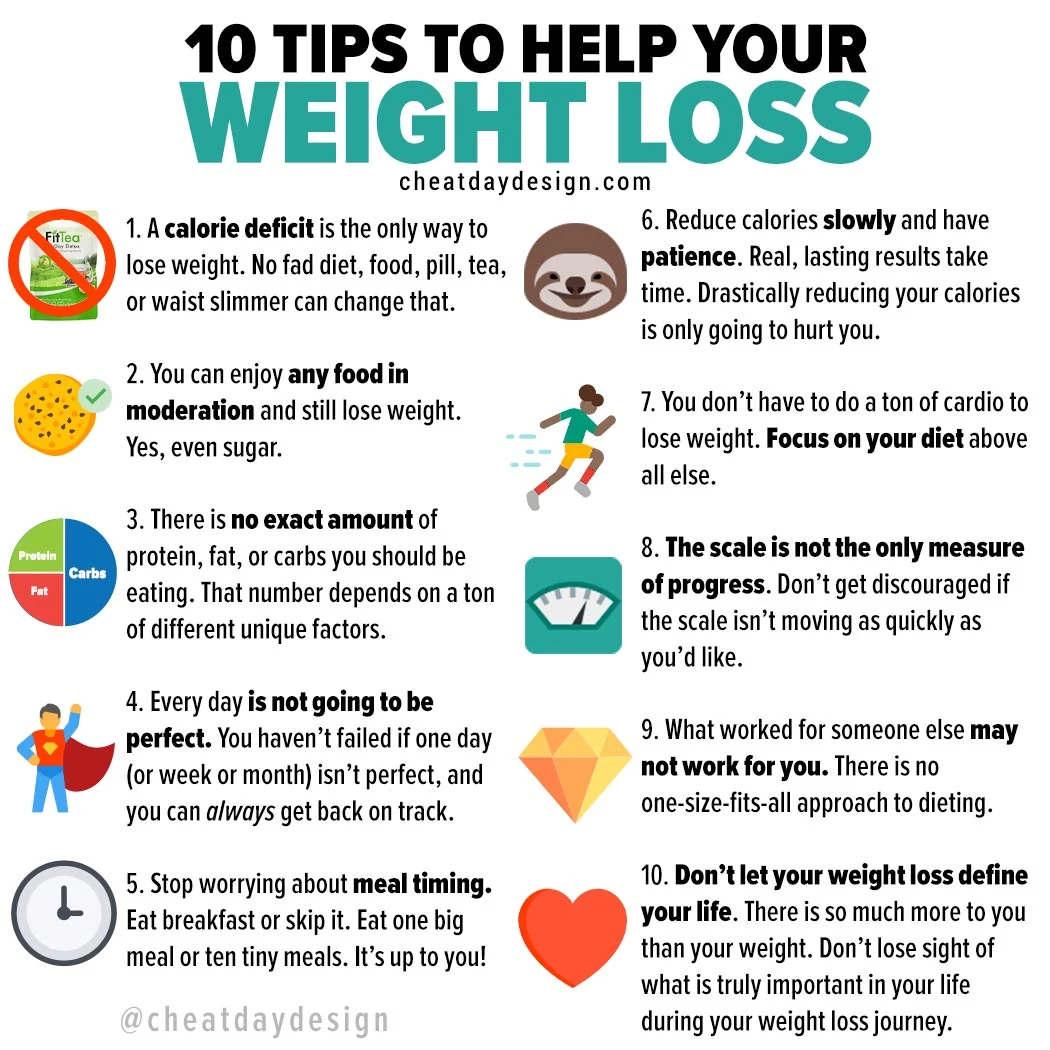
9 Effective Weight Loss Strategies for Athletes
- Aim for gradual weight loss
- Prioritize protein intake
- Choose low-energy dense foods
- Time meals around exercise
- Limit energy-dense beverages
- Stay hydrated with water
- Monitor performance and adjust nutrition accordingly
- Seek professional guidance from a sports dietitian or coach
- Be patient and consistent in your weight loss efforts
Conclusion
Effective weight loss strategies for athletes require a comprehensive approach that considers their unique needs, dietary requirements, and training regimens. By incorporating gradual weight loss, prioritizing protein intake, choosing low-energy dense foods, timing meals around exercise, and limiting energy-dense beverages, athletes can achieve their weight loss goals while maintaining peak performance. Remember to stay hydrated, monitor performance, and seek professional guidance to ensure a safe and effective weight loss journey.
References
Academy of Nutrition and Dietetics. (2022). Nutrition and Athletic Performance. Retrieved from https://www.andjrnl.org/article/S2212-2672(21)01481-7/
American College of Sports Medicine. (2020). ACSM's Sports Medicine: A Comprehensive Review. Philadelphia, PA: Wolters Kluwer.
International Society of Sports Nutrition. (2018). International Society of Sports Nutrition Position Stand: Food and Nutrition Planning for Athletes. Retrieved from https://jissn.biomedcentral.com/articles/10.1186/s12970-018-0242-1/