Unlock the Secrets of Your Computer with Hardware Diagnostics
When it comes to identifying and resolving issues with your computer's hardware components, hardware diagnostics play a crucial role. By running diagnostics on your computer, you can quickly pinpoint the source of problems and take corrective action to get your system up and running smoothly. In this article, we'll explore the world of hardware diagnostics and provide you with valuable insights and tips to help you troubleshoot and resolve common issues.
What is Hardware Diagnostics?
Hardware diagnostics refer to the process of testing and verifying the functionality of your computer's hardware components, such as the hard drive, memory, graphics card, and other peripherals. This process helps identify any issues with the hardware, allowing you to take corrective action to resolve the problems and prevent further damage.
Why is Hardware Diagnostics Important?
Running hardware diagnostics on your computer is essential for several reasons:
- It helps identify and resolve issues with hardware components before they cause damage to other parts of the system.
- It allows you to identify and replace defective hardware components, reducing the risk of system crashes and data loss.
- It helps optimize system performance by identifying and fixing issues with hardware settings and configurations.
- It provides valuable insights into the health and functionality of your computer's hardware components, enabling you to take proactive measures to prevent system failures.
Tools for Running Hardware Diagnostics
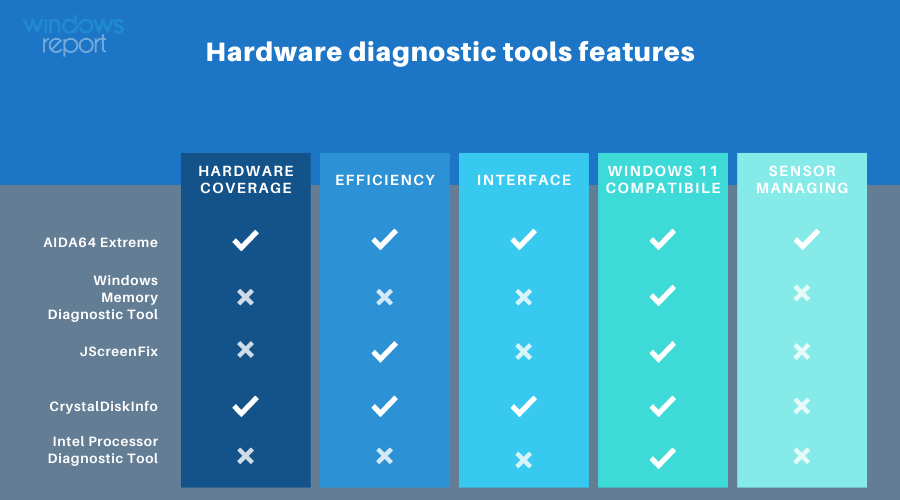
There are several tools available for running hardware diagnostics on your computer, including:
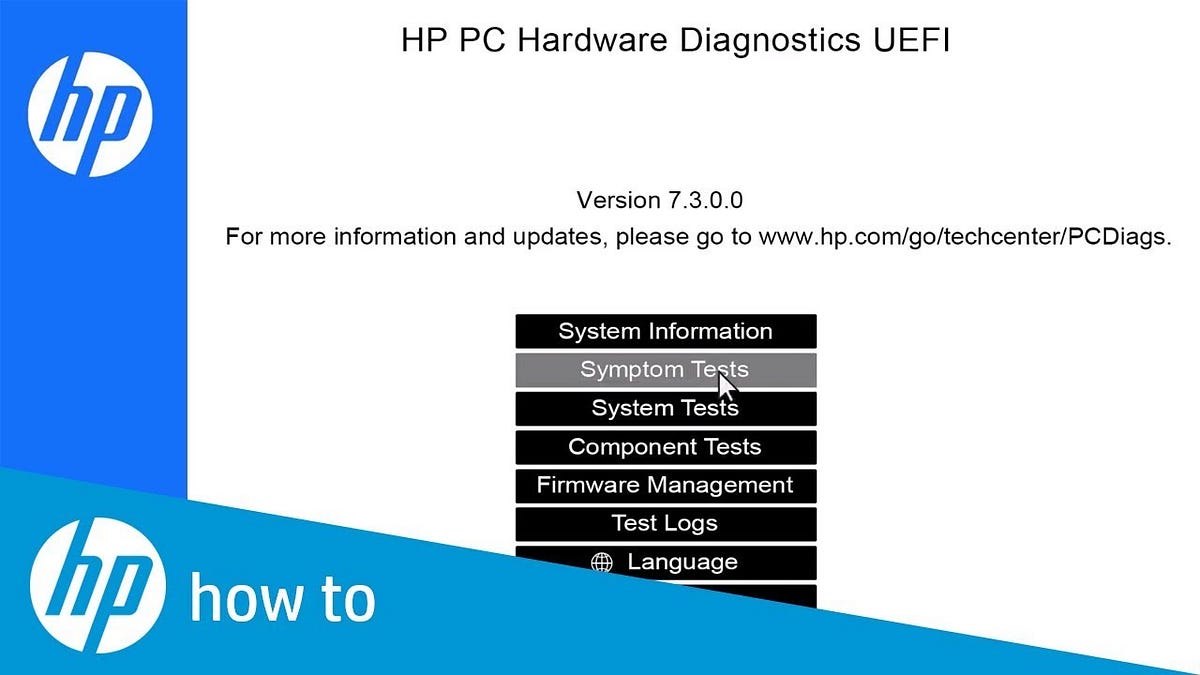
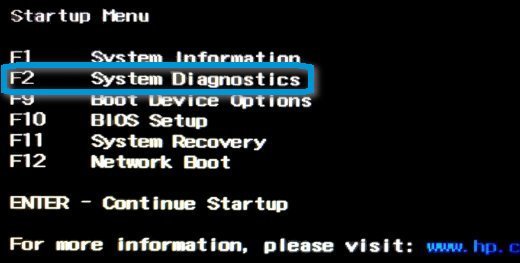
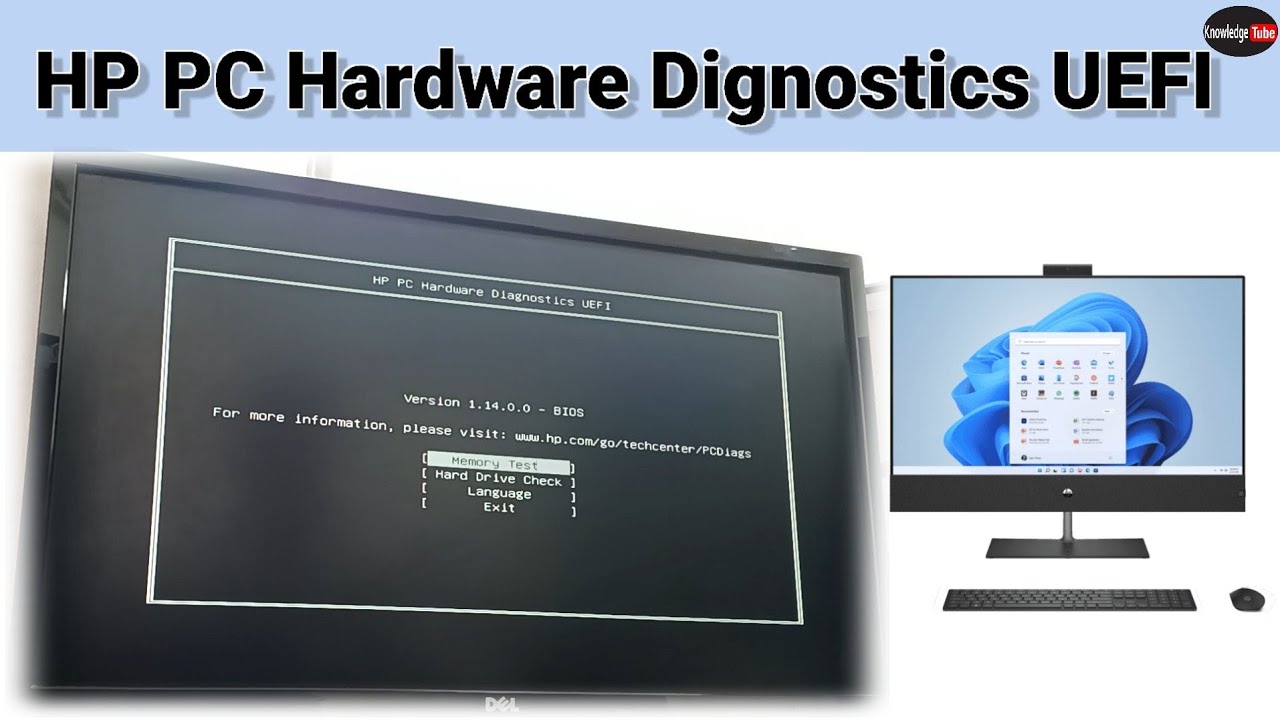
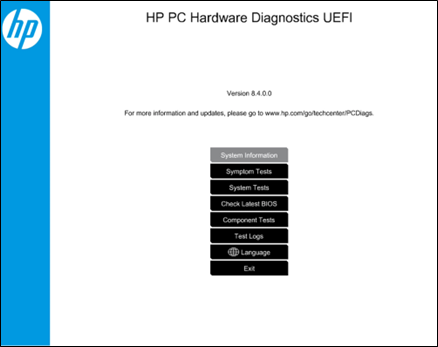
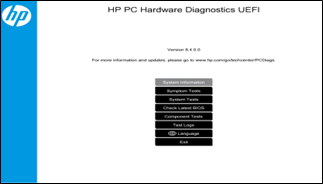
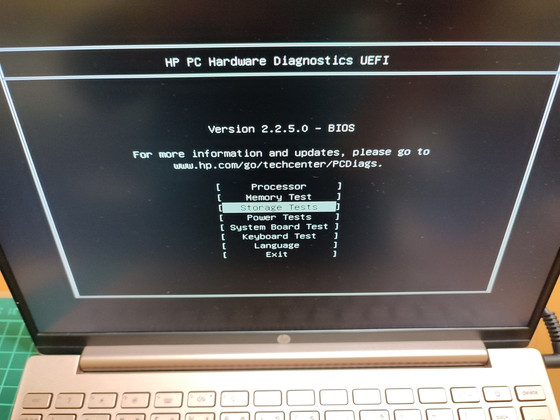
- HP PCHardwareDiagnostics: A comprehensive tool that tests and verifies the functionality of your computer's hardware components, including the hard drive, memory, and graphics card.
- Windows MemoryDiagnostic: A built-in tool that tests and verifies the functionality of your computer's memory (RAM).
- Performance Monitor: A built-in tool that monitors system performance and identifies areas where the system may be experiencing issues.
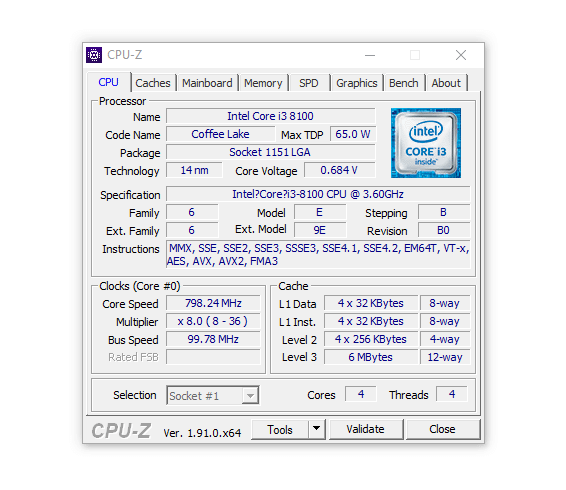
- HWiNFO: A comprehensive tool that provides detailed information about your computer's hardware components, including CPU, memory, and graphics card.
- AppleDiagnostics: A tool specifically designed for Mac computers that tests and verifies the functionality of hardware components.

Steps to Run Hardware Diagnostics
Running hardware diagnostics on your computer is a relatively straightforward process that can be completed in a few easy steps:
- Download and install the desired diagnostic tool from a reputable source.
- Launch the tool and follow the on-screen instructions to begin the diagnostic process.
- Allow the tool to run and complete the diagnostic process, which may take several minutes to an hour depending on the tool and your system's specifications.
- Review the diagnostic results and identify any issues that may be causing problems with your system.
- Take corrective action to resolve any issues identified during the diagnostic process.
Conclusion
Hardware diagnostics are a crucial tool for identifying and resolving issues with your computer's hardware components. By running hardware diagnostics regularly, you can prevent system crashes, data loss, and other problems related to hardware failures. We hope this article has provided you with valuable insights and tips on how to run hardware diagnostics on your computer and resolve common issues with your system.
Additional Resources
For further information on hardware diagnostics and troubleshooting, check out these additional resources:
- HP's PCHardwareDiagnostics page: A comprehensive resource that provides detailed information on HP's diagnostic tools and procedures.
- Microsoft's Windows Diagnostic Tools page: A resource that provides information on built-in diagnostic tools and procedures for Windows computers.
- HWiNFO's official website: A resource that provides detailed information on HWiNFO and its capabilities.