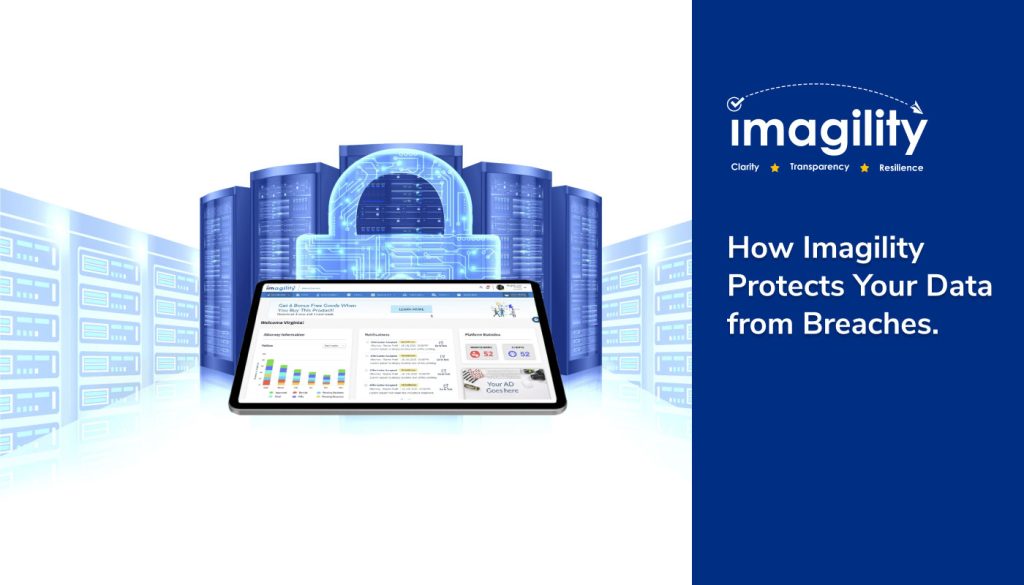
How to Protect Your Data from Data Breaches: A Comprehensive Guide
As the world becomes increasingly reliant on digital technology, the threat of data breaches looms large. With the increasing number of high-profile data breaches in recent years, it's no wonder that protecting sensitive information has become a top concern for individuals and businesses alike. In this article, we will explore the best practices for how to protect your data from data breaches and provide actionable steps to strengthen your cybersecurity posture.
The Risks of Data Breaches
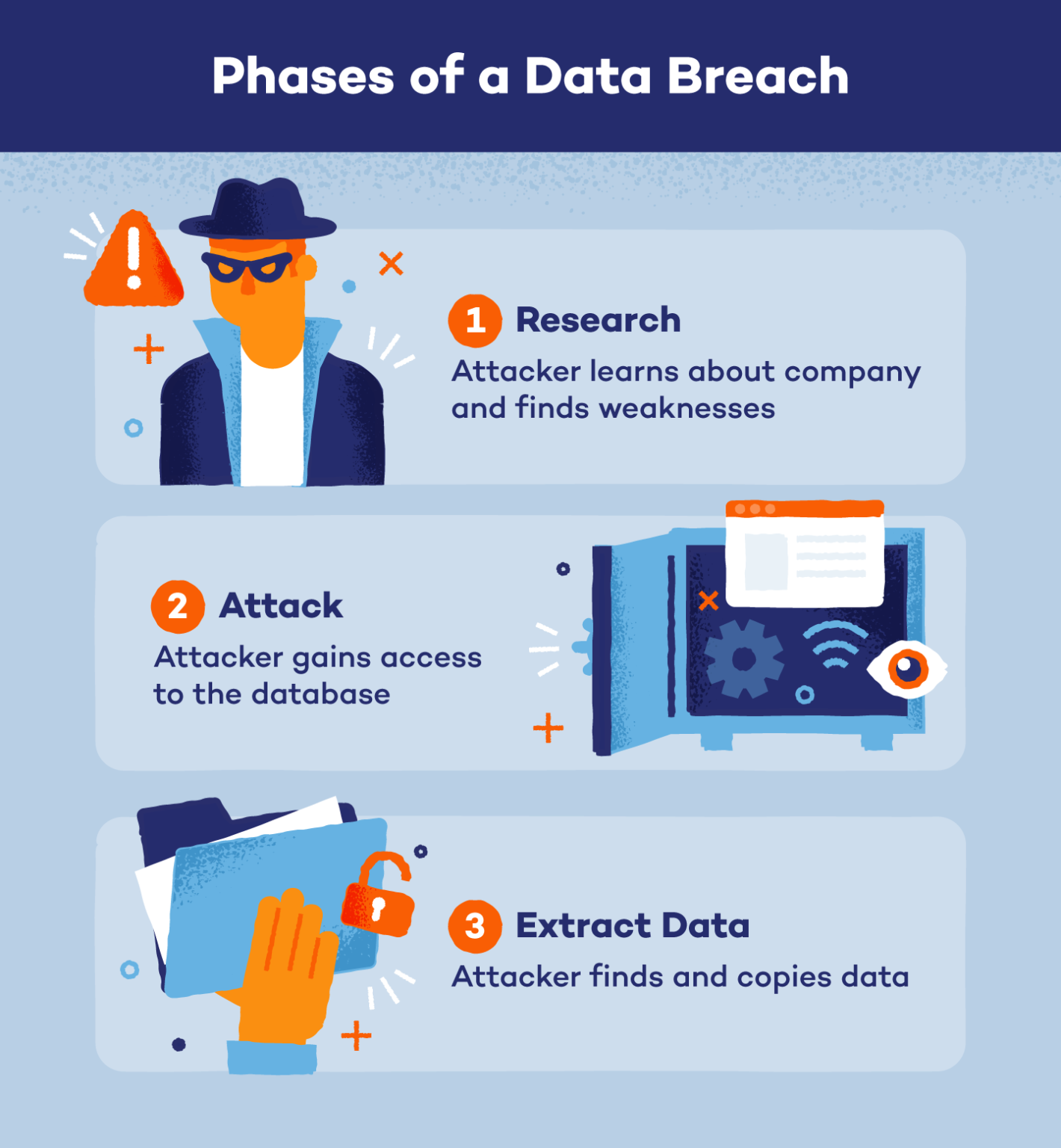
資料breaches occur when sensitive information is stolen, compromised, or lost due to a security incident. This can include personal data, financial information, or even confidential business secrets. The consequences of a data breach can be severe, including financial losses, reputational damage, and even legal liability.
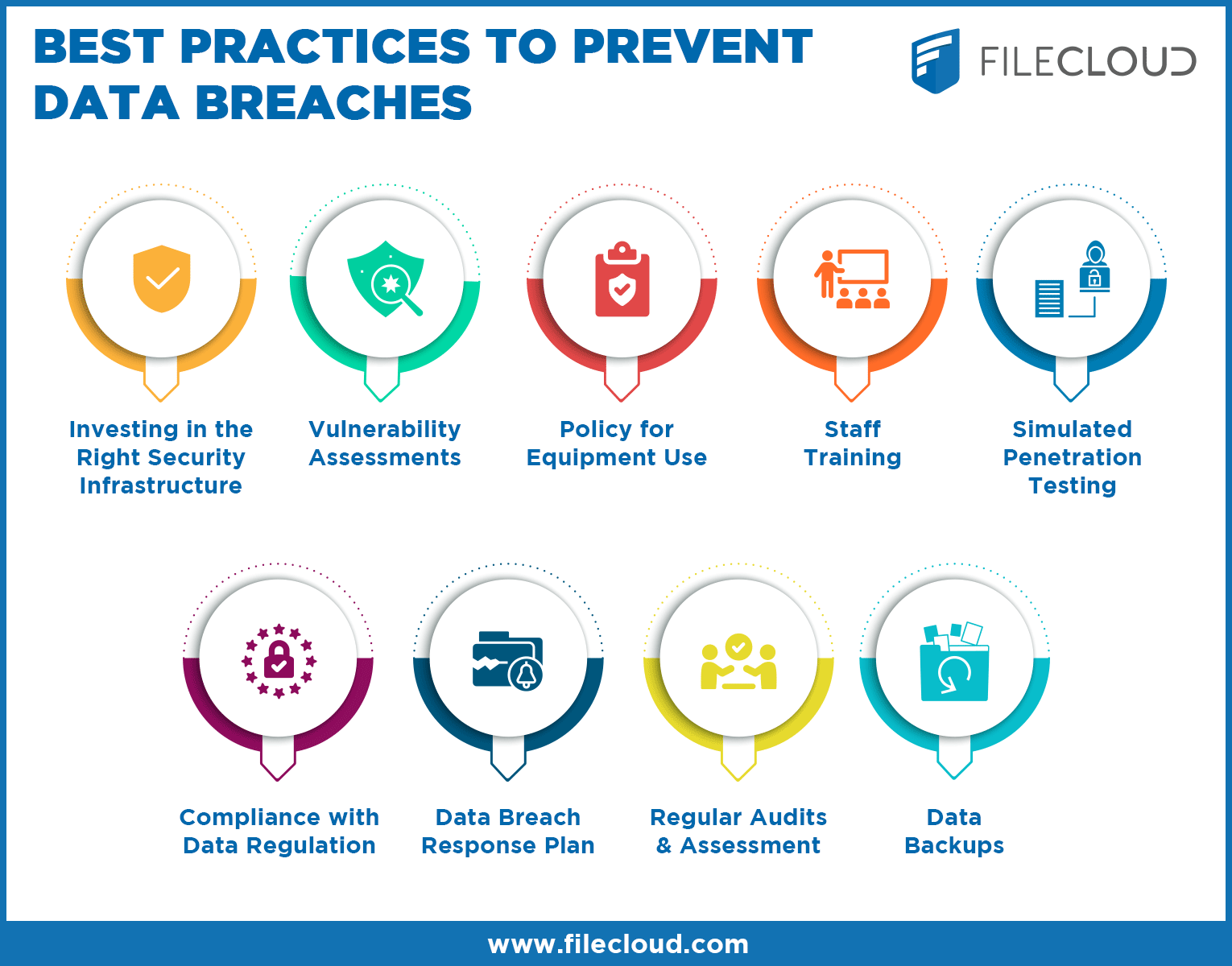
Best Practices for Preventing Data Breaches
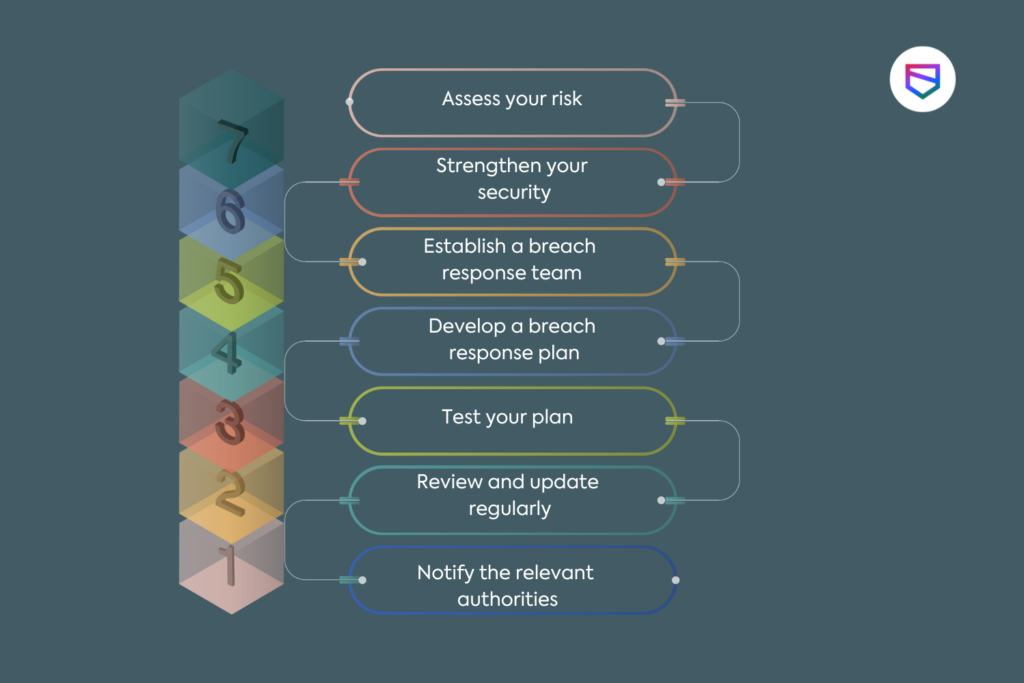
To protect your data from data breaches, follow these best practices:
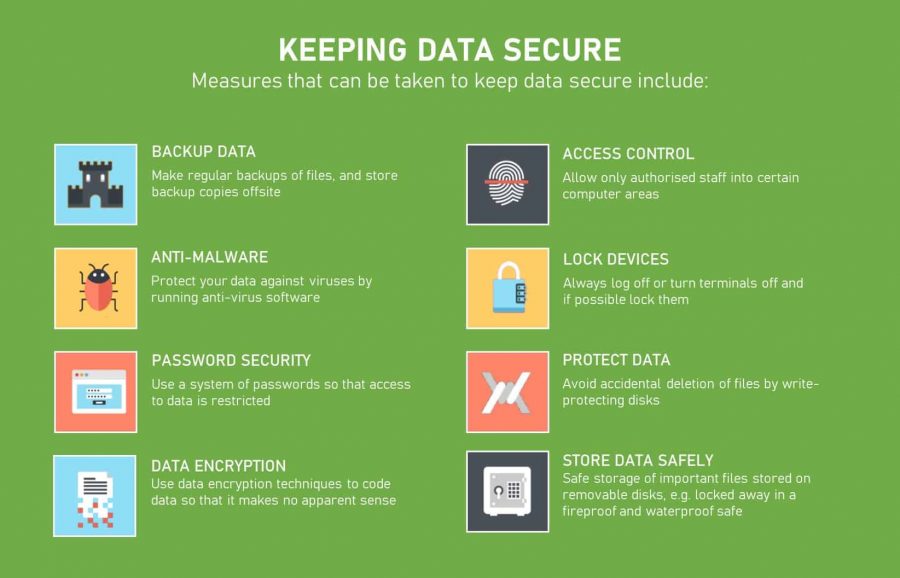
- Implement Robust Access Controls: Limit access to sensitive information and ensure that all users have the necessary permissions to view or edit data. Use multi-factor authentication and encryption to further secure access.
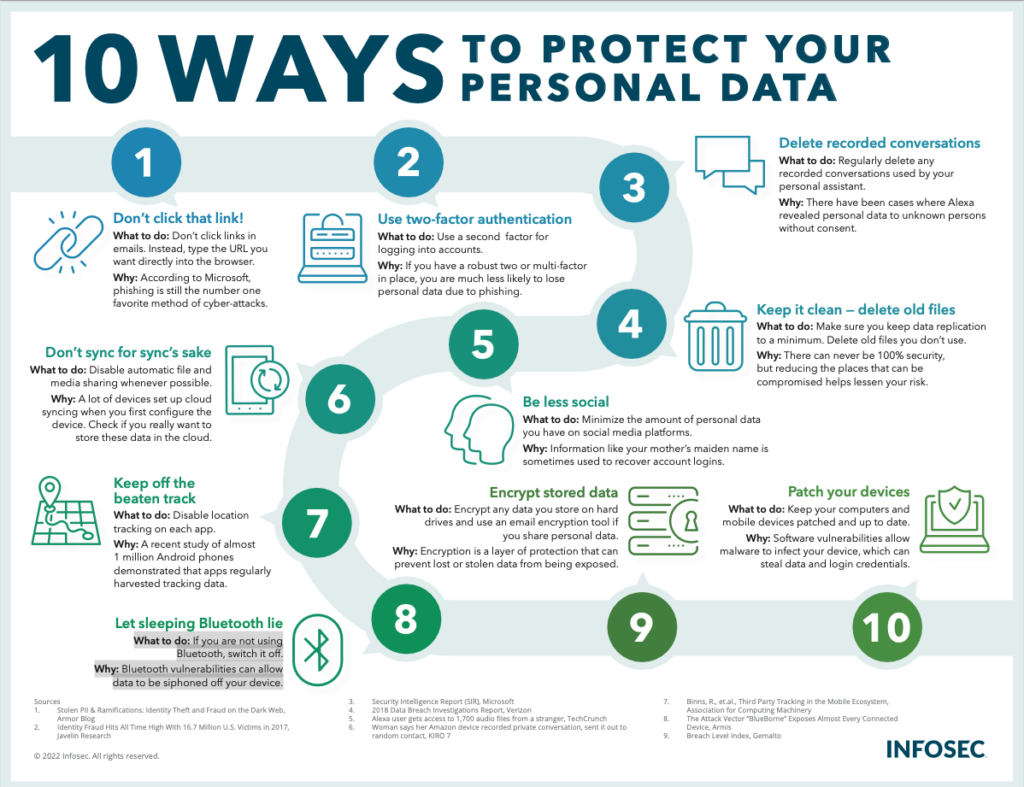
- Use Encryption: Encrypt sensitive data both in transit and at rest to prevent unauthorized access. Use end-to-end encryption for emails and other communications to protect sensitive information.
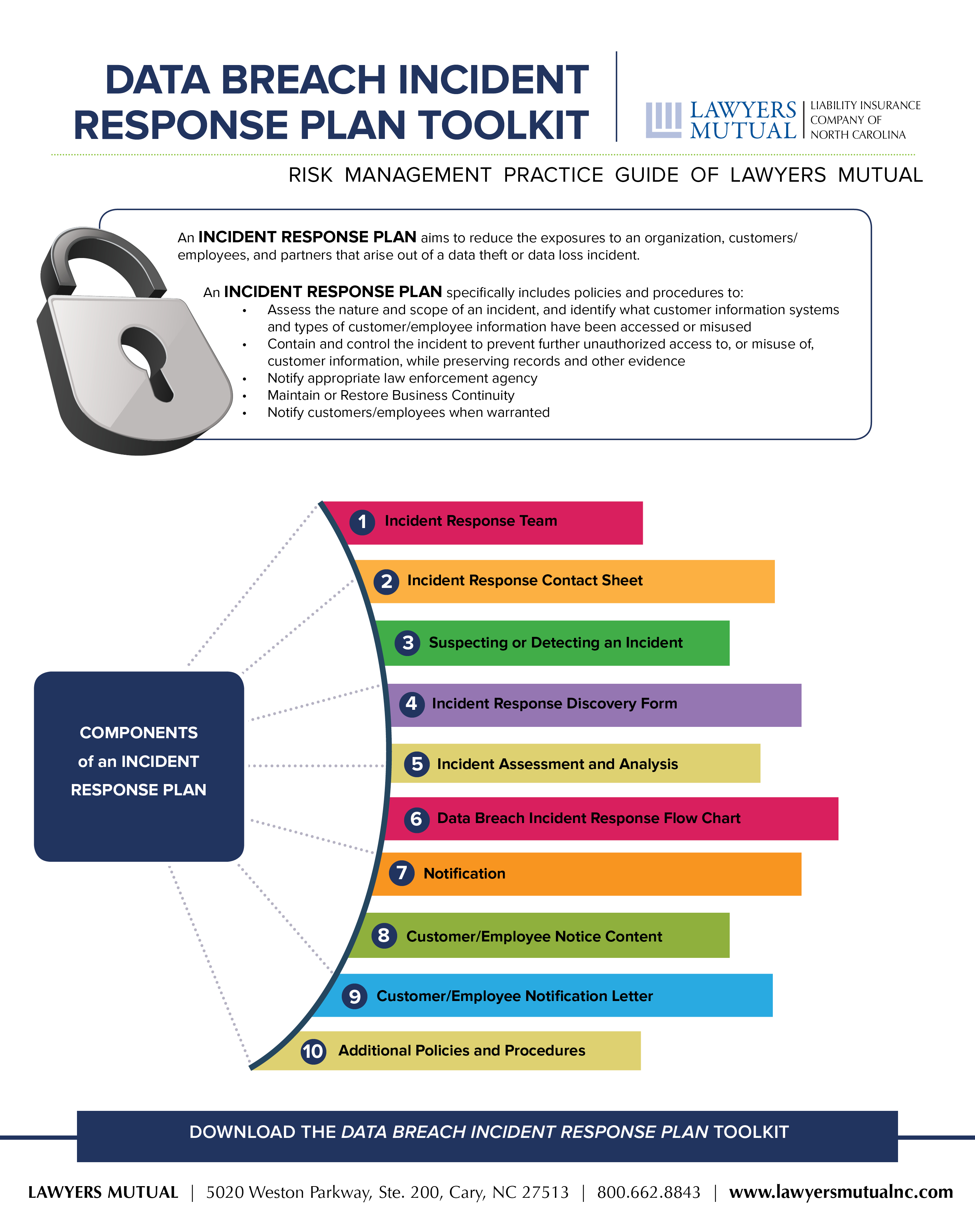
- Monitor and Log Activity: Regularly monitor system activity and logs to detect suspicious behavior. Implement incident response plans to quickly respond to data breaches.
- Keep Software Up-to-Date: Regularly update operating systems, software, and firmware to patch known vulnerabilities and prevent exploitation.
- Train Employees: Educate employees on cybersecurity best practices, including password management, email phishing, and data handling procedures.
- Back Up Data Regularly: Regularly back up sensitive data to prevent loss in the event of a data breach or system failure.
Additional Tips for Protecting Your Data
In addition to these best practices, consider the following additional tips to protect your data:
- Use Two-Factor Authentication: Use two-factor authentication to add an extra layer of security to your online accounts and applications.
- Be Cautious with Email Attachments: Be wary of email attachments from unknown senders and avoid opening suspicious links or downloads.
- Use Password Manager: Use a password manager to generate and store unique, complex passwords for each online account.
- Regularly Review Credit Reports: Regularly review credit reports to detect signs of identity theft or data breach.
- Use Antivirus Software: Install and regularly update antivirus software to detect and prevent malware infections.
Conclusion
Protecting your data from data breaches requires a comprehensive approach that incorporates best practices, additional tips, and a commitment to ongoing security awareness. By following these guidelines and remaining vigilant, you can strengthen your cybersecurity posture and protect your sensitive information from the growing threat of data breaches.
Additional Resources
For more information on preventing data breaches, visit Teramind's blog or contact our office at 1-804-IT-VOICE to schedule a free network assessment and take control of your data privacy today!
Remember:
Protecting your data from data breaches is an ongoing process that requires vigilance, education, and the implementation of best practices. By staying informed and taking proactive steps, you can reduce the risks associated with data breaches and safeguard your sensitive information.