How to Protect Your Privacy on iPhone: 15 Essential Settings to Keep Your Data Safe
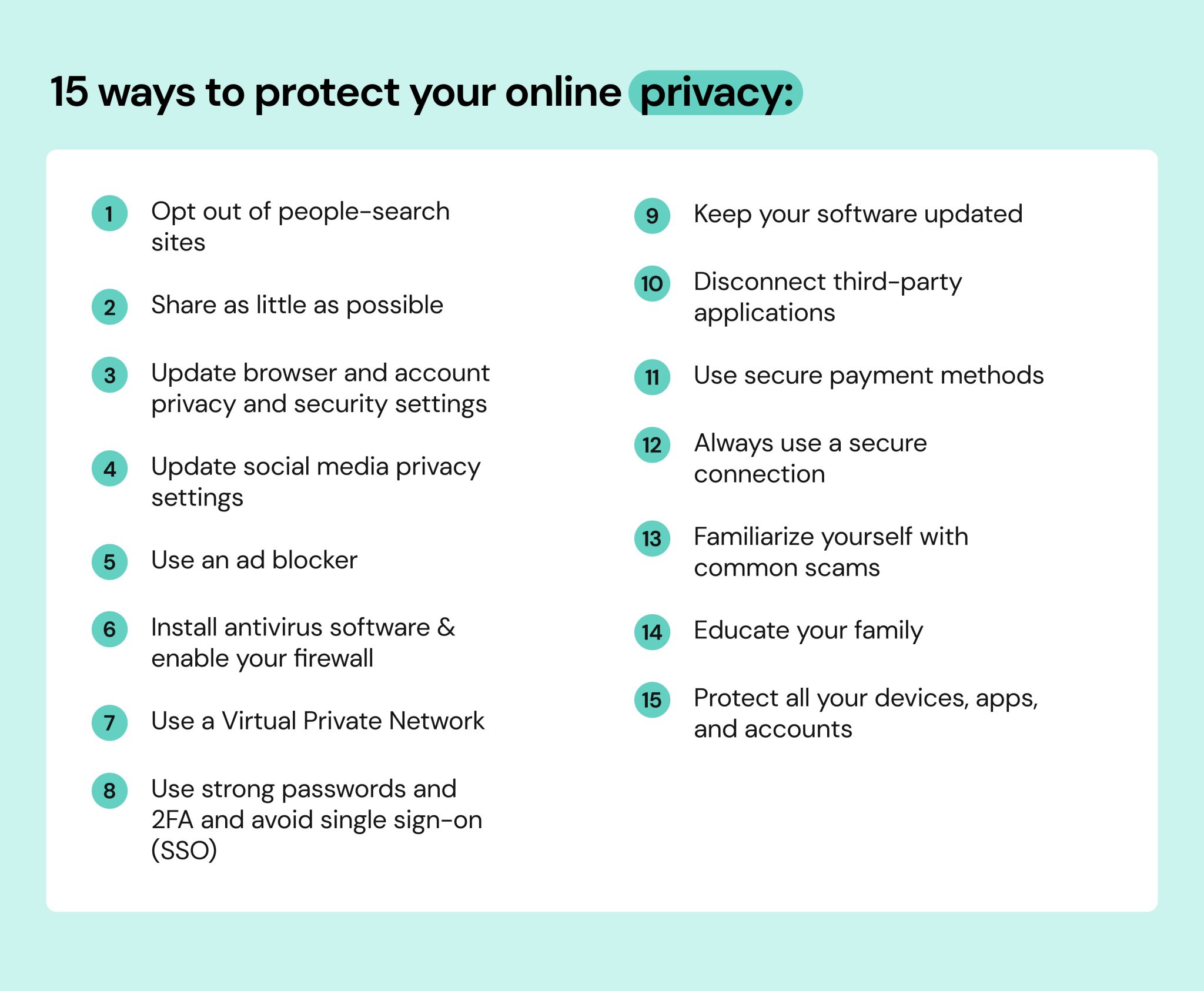
With the increasing use of iPhones, it's becoming more important to know how to protect your privacy on iPhone. Your personal data is stored on your device, and you wouldn't want that information to fall into the wrong hands. There are many settings and features on your iPhone that can help you keep your data safe and secure. In this article, we'll guide you through 15 essential settings to ensure your iPhone is secure and your privacy is protected.
Understanding iPhone Privacy Settings
iPhones are designed to protect your privacy because privacy is a fundamental human right. Apple provides you with a lot of control over your privacy and security, and it's essential to make good use of these features. You can control how much information your iPhone and apps collect and use, and you can also control who can see your location, photos, and other sensitive information.
2-Factor Authentication
Two-factor authentication (2FA) is an important security measure that ensures an extra layer of protection for your iPhone. It requires a second form of verification, usually an authenticator app or a code sent to your email or phone number, in addition to your password. This makes it much harder for hackers to access your account.
Turn Off Notification Previews
When notification previews pop up on your iPhone, people around you will be able to see them as well. If you're having a sensitive conversation, you might not want people around you to see your texts or other notifications. Turning off notification previews can save you this worry and give you an added level of privacy. Check out how to hide alerts and notifications on your iPhone.
Opt Out of Location Services
iPhones can share your location with various apps and websites, which can be a concern for your privacy. To opt out of location services, go to your iPhone's Settings app and select "Location Services." From there, you can choose which apps are allowed to access your location and which ones are not.
4. Use a VPN
A Virtual Private Network (VPN) is a great way to secure your internet traffic and protect your data from hackers. It creates a secure and encrypted connection between your iPhone and the VPN server, making it difficult for others to intercept your data. You can use a high-speed, secure, and anonymous VPN service to protect your privacy.
5. Limit App Permissions
Some apps may ask for unnecessary permissions, such as access to your contacts, photos, or location. Limiting app permissions can help prevent these apps from accessing sensitive information. Go to your iPhone's Settings app and select "Privacy" to review and adjust app permissions.
6. Use the App Store's Built-in Privacy Features
The App Store has built-in features that can help you protect your data and keep your iPhone secure. When you install new apps, check the permissions they ask for and choose which ones to allow. You can also use the App Store's "Get Apps" feature to see which apps are popular and recommended.
7. Monitor Data Usage
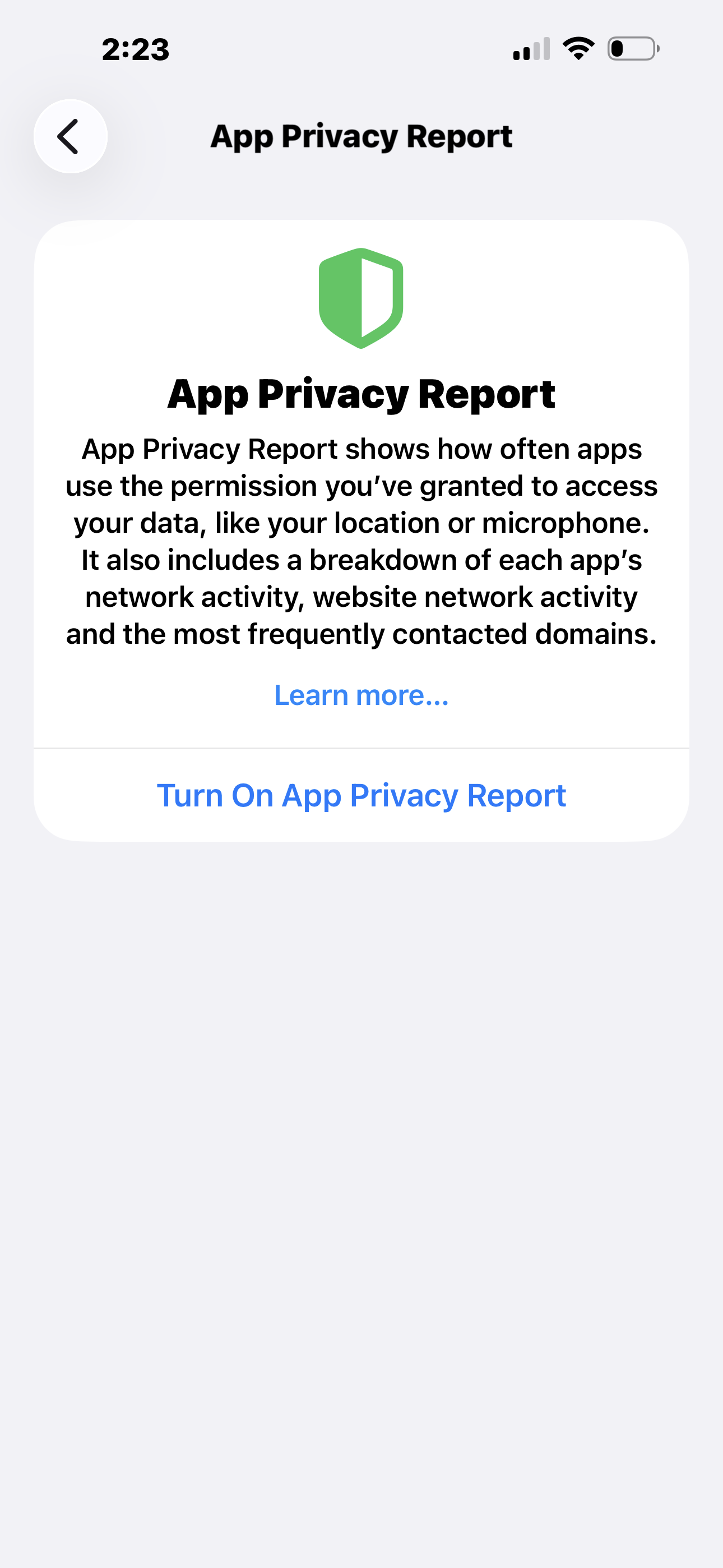
Monitoring your data usage can help you identify potential security threats. You can check your data usage in your iPhone's Settings app by selecting "Cellular" or "Data Usage." If you notice unusual data usage, it could be a sign of a malware infection or a data breach.
8. Use a Password Manager
A password manager can help you generate and store unique, complex passwords for each app and website. This can help prevent hackers from guessing or cracking your passwords. You can use a built-in password manager on your iPhone or download a third-party app.