Unlocking the Power of Micro Etching Techniques
In recent years, the need for advanced etching techniques has become more crucial than ever, driven by the ongoing drive in the semiconductor industry towards miniaturization and more compact chips.
What are Micro Etching Techniques?
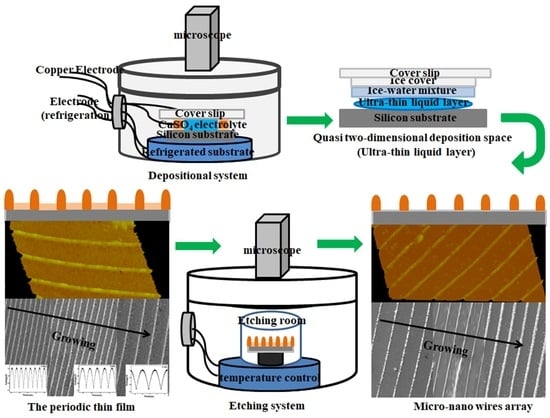
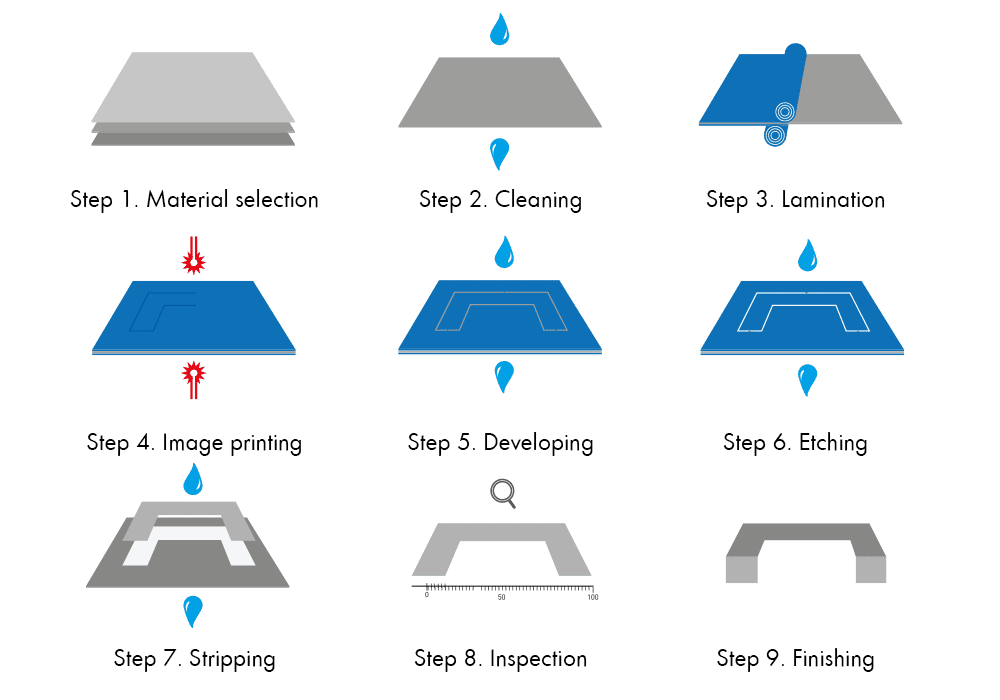
Micro etching techniques refer to the process of chemically removing material from a surface at a microscopic or near-microscopic level to create intricate patterns, textures, or designs. This highly precise surface treatment process provides a unique combination of aesthetic and functional enhancements to packaging, electronics, and other industries.
Types of Etching Techniques
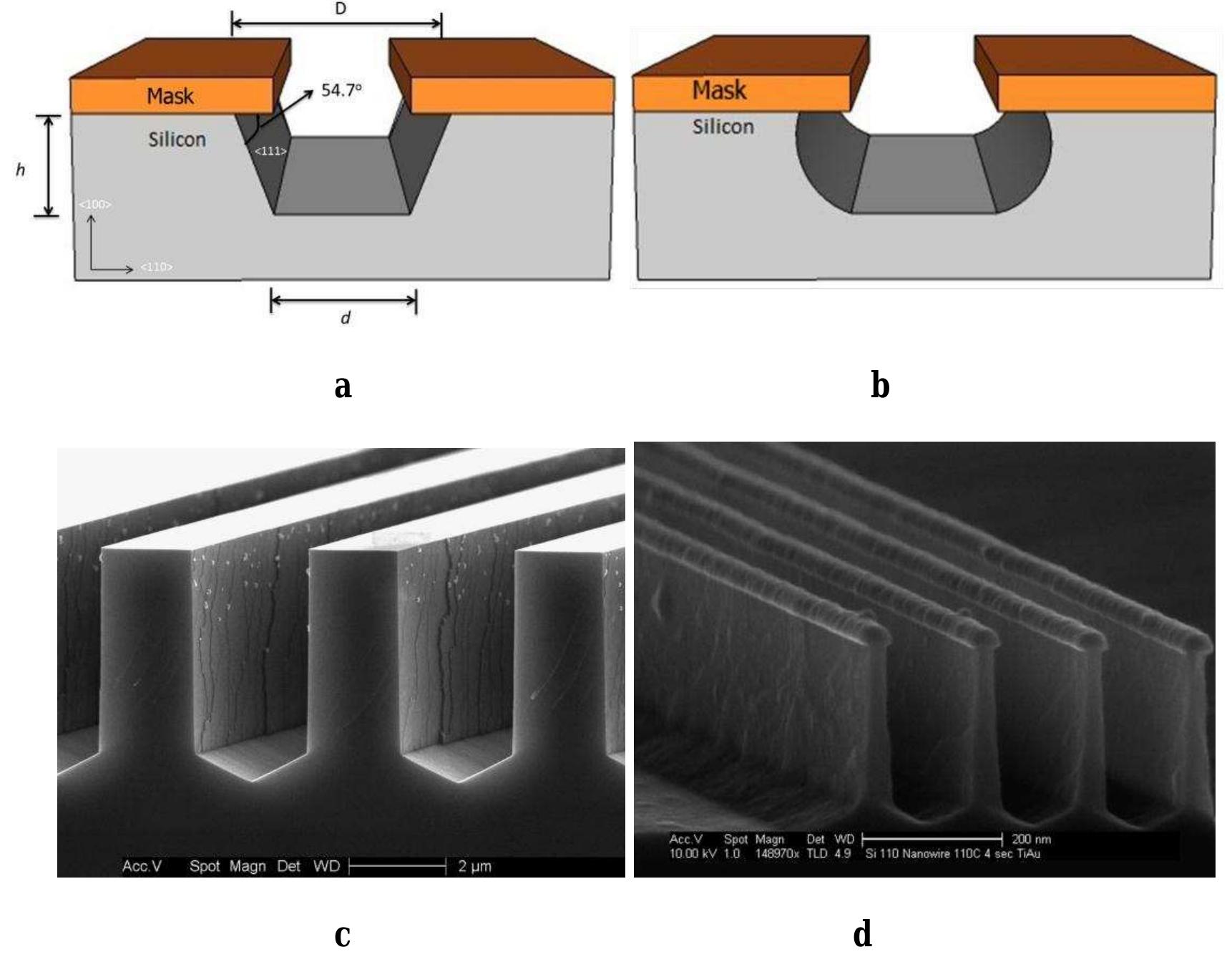
There are two main types of etching techniques: dry etching (plasma phase) and wet etching (liquid phase). Dry etching uses gases to remove material, while wet etching uses chemicals in liquid form.
- Dry Etching: Uses gases to remove material, and is commonly used in semiconductor fabrication and micro-electro-mechanical systems (MEMS) production.
- Wet Etching: Uses chemicals in liquid form to remove material, and is commonly used in lithography and surface texturing.
Advantages of Micro Etching Techniques
Micro etching techniques offer several advantages over traditional manufacturing methods, including:
- High Precision: Micro etching techniques allow for precise control over the etching process, enabling the creation of intricate patterns and designs.
- Low Cost: Micro etching techniques are often less expensive than traditional manufacturing methods, making them an attractive option for small-scale production.
- Flexibility: Micro etching techniques can be used on a variety of materials, including metals, semiconductors, and ceramics.
Applications of Micro Etching Techniques
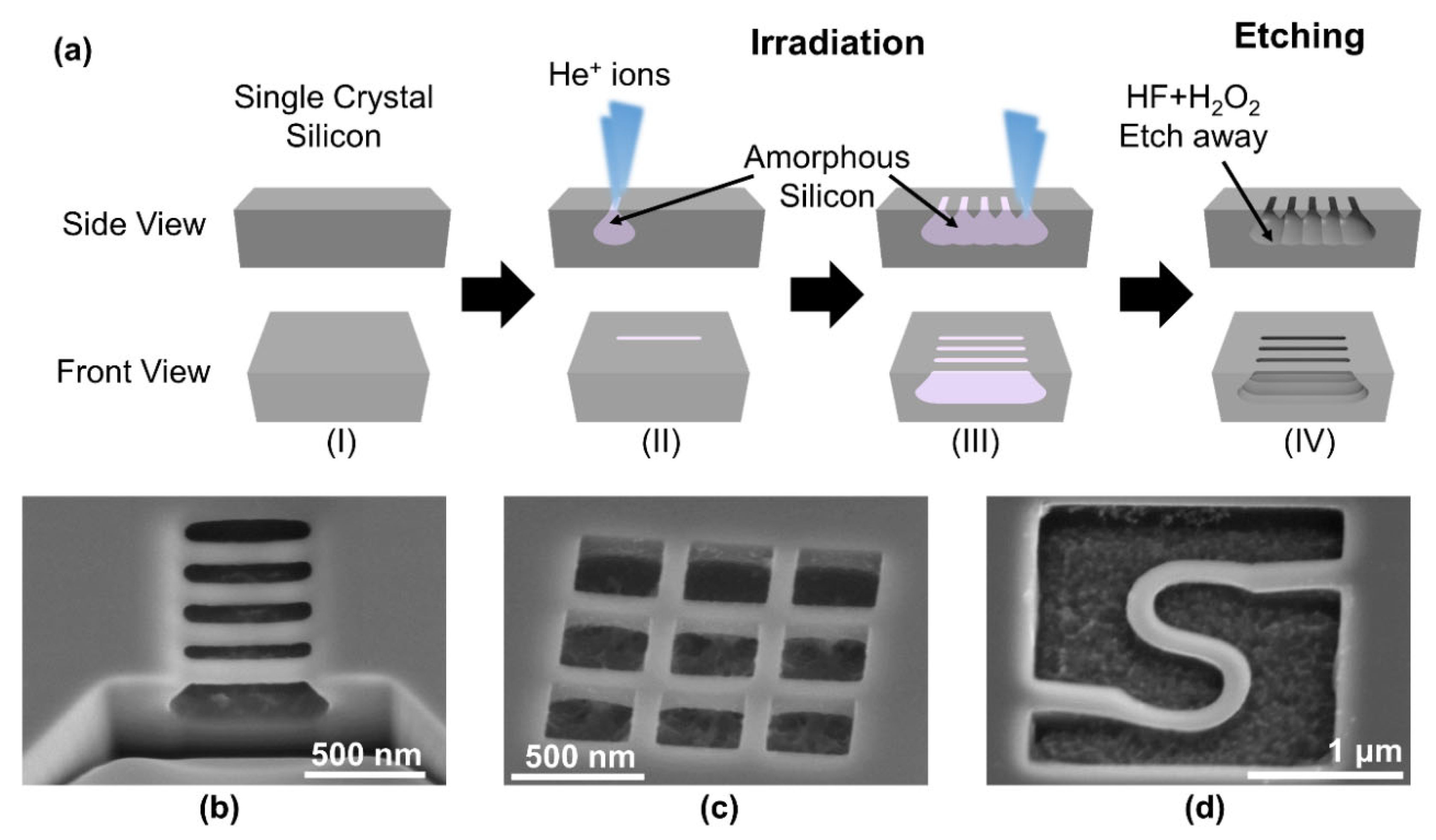
Micro etching techniques have a wide range of applications, including:
- Electronics: Micro etching techniques are used in the manufacturing of electronic components, including semiconductors, transistors, and diodes.
- MEMS: Micro etching techniques are used in the production of micro-electro-mechanical systems (MEMS), which are used in a wide range of applications, including sensors, actuators, and micro- robots.
- Packaging: Micro etching techniques are used in the manufacture of packaging materials, including labels, tapes, and films.
Challenges and Future Prospects
Despite the advantages of micro etching techniques, there are several challenges associated with this process, including:
- Toxicity: The chemicals used in wet etching can be toxic and pose a risk to human health and the environment.
- Cost: The cost of micro etching equipment and chemicals can be high, making this process less accessible to small-scale manufacturers.
Conclusion
In conclusion, micro etching techniques offer a highly precise and flexible way to manufacture materials and components. While there are challenges associated with this process, the advantages of micro etching techniques make it an attractive option for a wide range of industries.
References
Please refer to the references below for more information on micro etching techniques:
- Struers. (n.d.). Etchant and Etching Techniques Guide for Material Science and Technology
- Fritschi, R., Hibert, C., Flückiger, P., & Ionescu, A. M. (2005). Dry Etching Techniques of Amorphous Silicon for Suspended Metal Membrane RF MEMS Capacitors
- Taylor, L. R., & Gao, Y. (2015). Nanomachining of Silicon and Germanium Using Highly Anisotropic Etching Techniques



.jpg "Unveiling Etching Metal Product Growth Patterns: CAGR Analysis and ...")