Writing a Check for a Budget Payment: A Step-by-Step Guide
When it comes to managing your finances, writing a check for a budget payment can be a straightforward process. However, for those who are not familiar with the process, it can seem intimidating. In this article, we will provide a comprehensive guide on writing a check for a budget payment, covering the necessary steps and key components to ensure a smooth transaction.
The Importance of Budget Payments
Creating a budget is essential for managing your finances effectively. A budget helps you allocate your income towards various expenses, including bills, rent, and savings. Without a budget, you might find yourself struggling to cover essential expenses, leading to financial stress. By making timely budget payments, you can avoid late fees, maintain a good credit score, and ensure a stable financial future.
Components of a Check
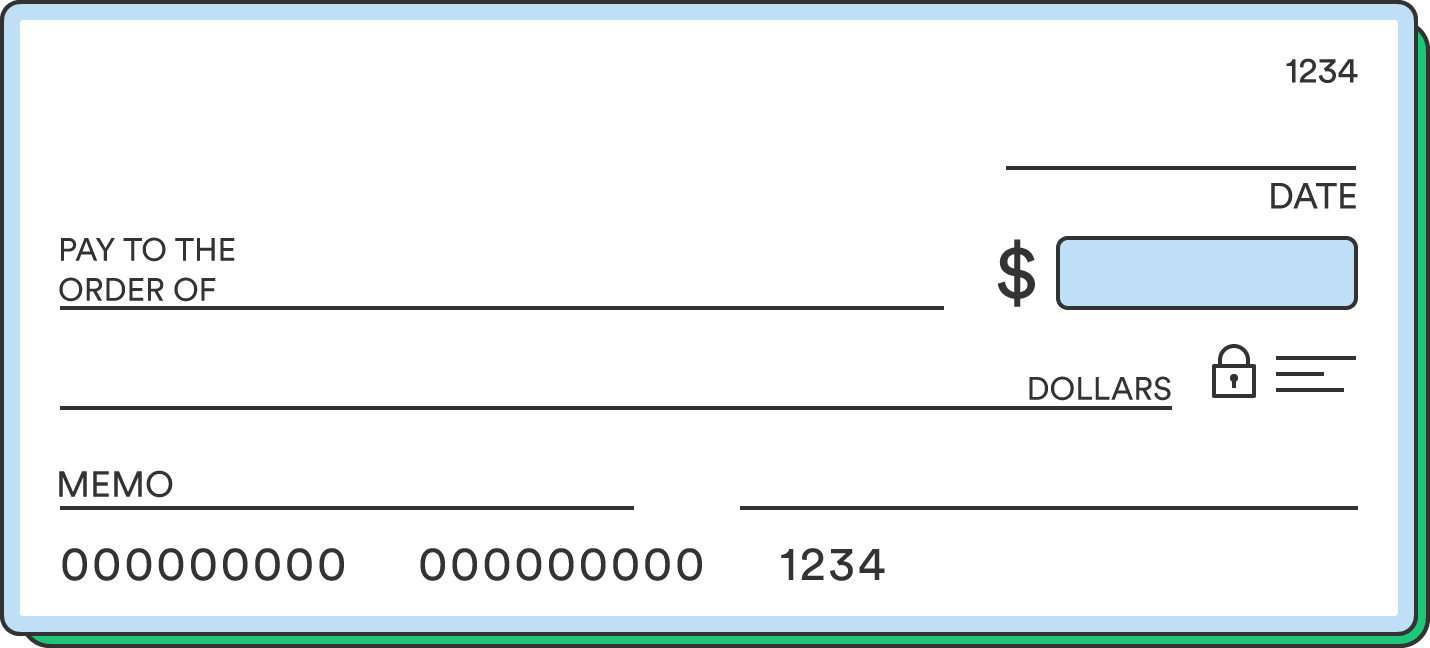
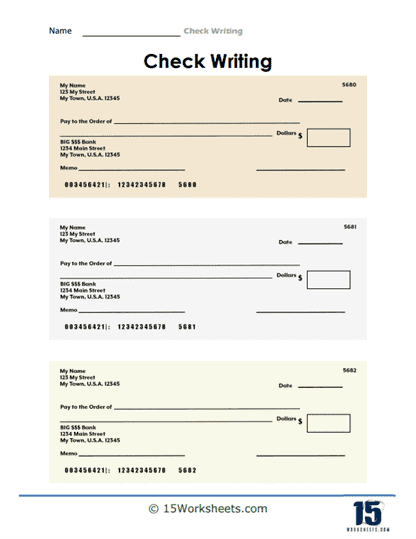
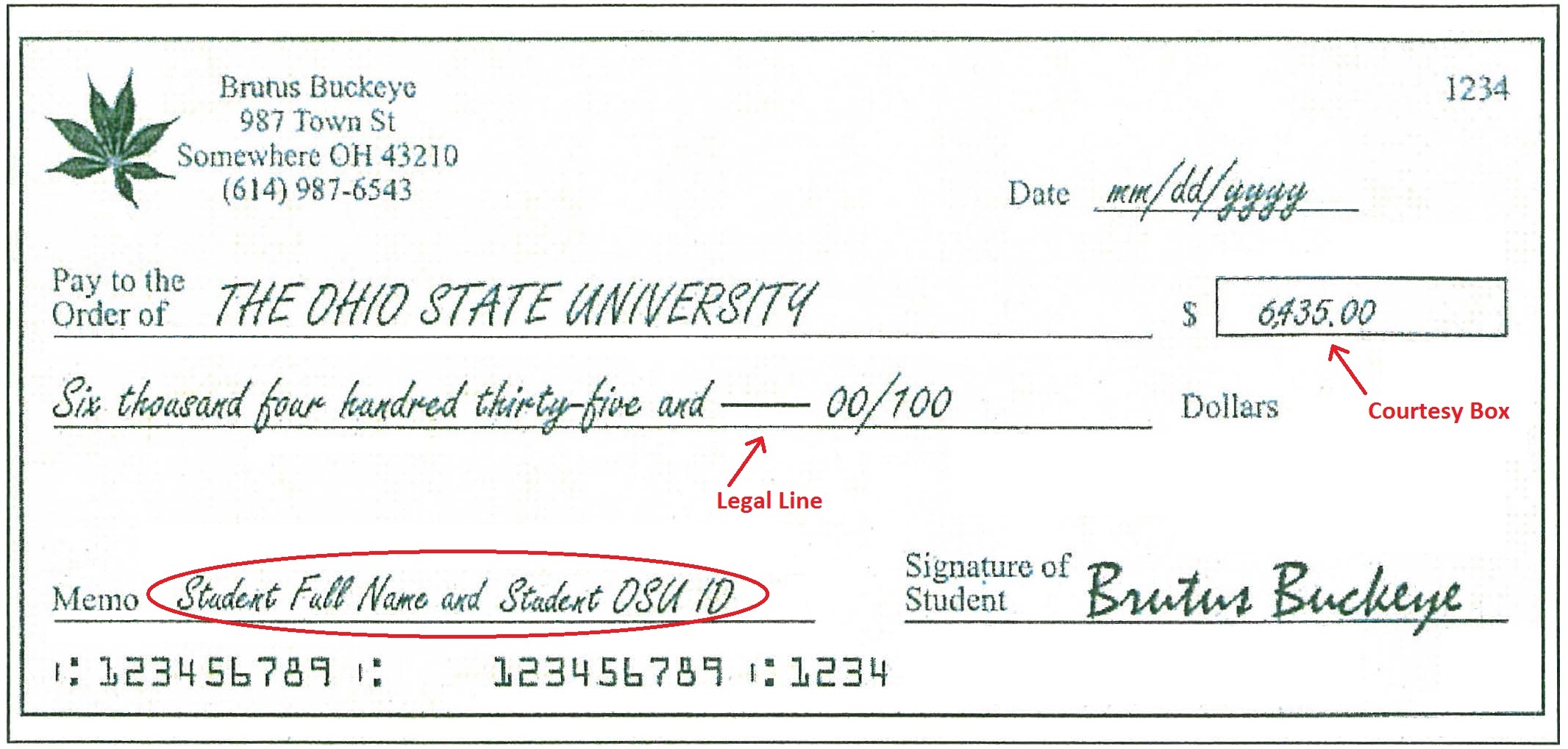
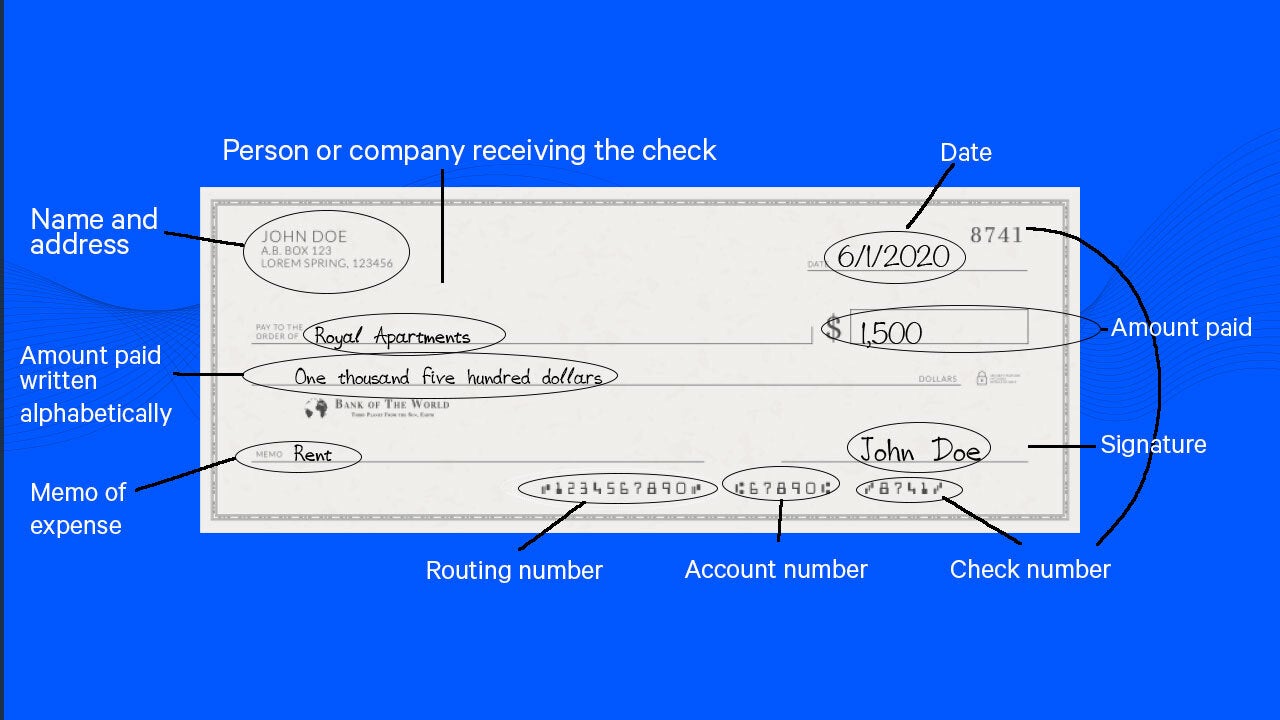
Before we dive into the step-by-step process of writing a check for a budget payment, let's cover the necessary components of a check:
- Date: The date when the check is written.
- Payee: The recipient's name and address.
- Amount: The numerical value of the payment.
- Written amount: A written description of the payment amount.
- Memo: A brief description of the payment purpose (optional).
- Signature: The payer's signature on the lower right side of the check.
Step-by-Step Guide to Writing a Check for a Budget Payment
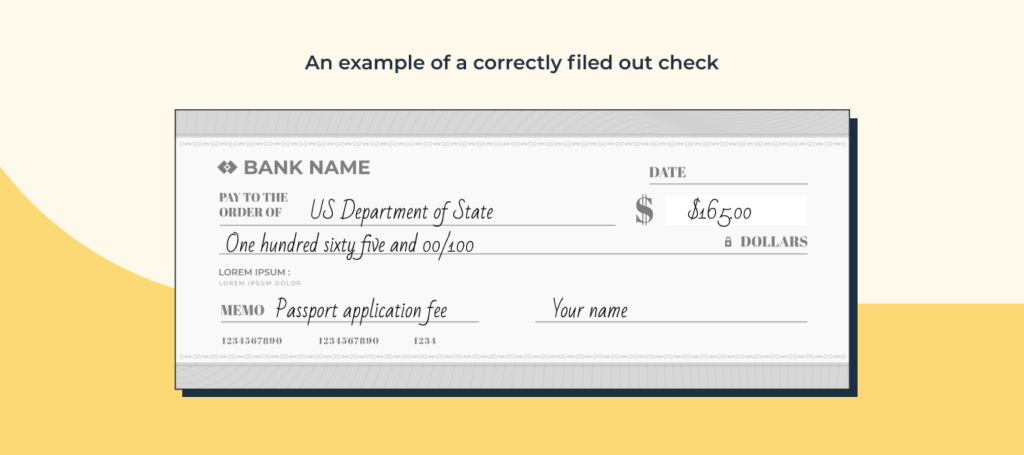
Now that we have covered the essential components of a check, let's go through the step-by-step process of writing a check for a budget payment:
Step 1: Date the Check
Begin by dating the check in the top right corner. Ensure the date is the same as the current date or a future date, depending on when you want to make the payment.
Step 2: Fill in the Payee Information
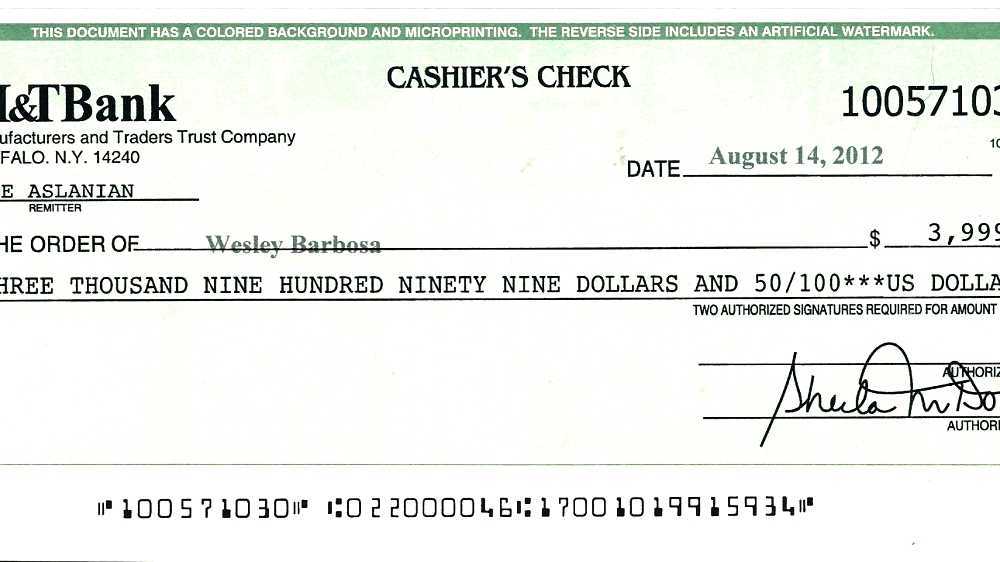
Write the payee's name and address in the "Pay" field. Make sure to use the correct spelling and capitalization of the individual's name.
Step 3: Enter the Numerical Amount
Write the numerical value of the payment next to the dollar sign ($). Ensure the amount is accurate and reflects the correct budget payment amount.
Step 4: Write the Amount in Words
On the line below the numerical amount, write the payment amount in words. This is also known as the "written form" of the payment amount. Ensure the amount is accurate and matches the numerical value.
Step 5: Add a Memo (Optional)
Include a brief description of the payment purpose in the memo field. This can be useful for record-keeping purposes and help the recipient identify the payment.
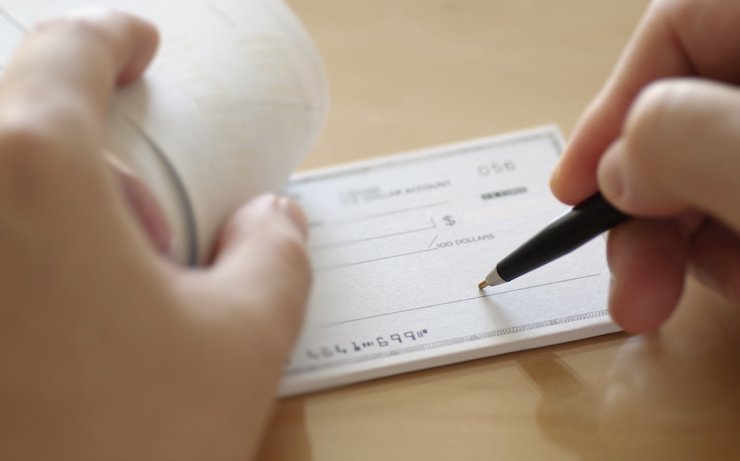
Step 6: Sign the Check
Finally, sign the check on the lower right side. Ensure your signature is legible and matches the one registered with your bank account.
Additional Tips
When writing a check for a budget payment, here are some additional tips to keep in mind:
- Use a pen and not a pencil, as your bank may not accept a check with a pencil mark.
- Double-check the payee's information to ensure accuracy.
- Verify the payment amount to ensure it aligns with your budget.
- Deposit the check into your account or deliver it to the payee.
Conclusion
Writing a check for a budget payment is a straightforward process that requires attention to detail. By understanding the key components of a check and following the step-by-step guide outlined in this article, you can confidently manage your finances and make timely budget payments. Remember to always double-check the payee's information and payment amount to ensure accuracy and avoid potential errors.