Optimal OBS Settings for High-Quality Image Capture
Are you tired of recording low-quality videos with OBS Studio? Do you want to capture exceptional gameplay, tutorials, or presentations without lag or artifacts? If yes, you've landed on the right page! This comprehensive guide delves into the best OBS settings for optimal image quality, helping you achieve high-definition captures without straining your hardware.Understanding OBS Output Settings
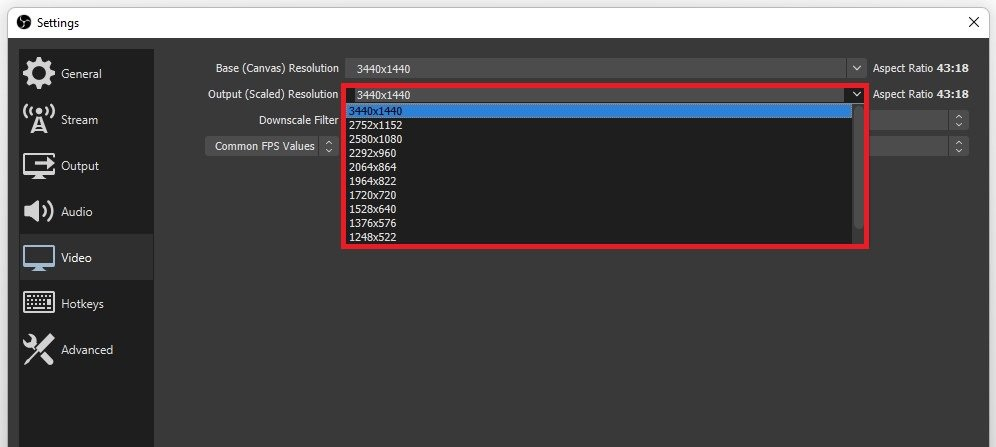
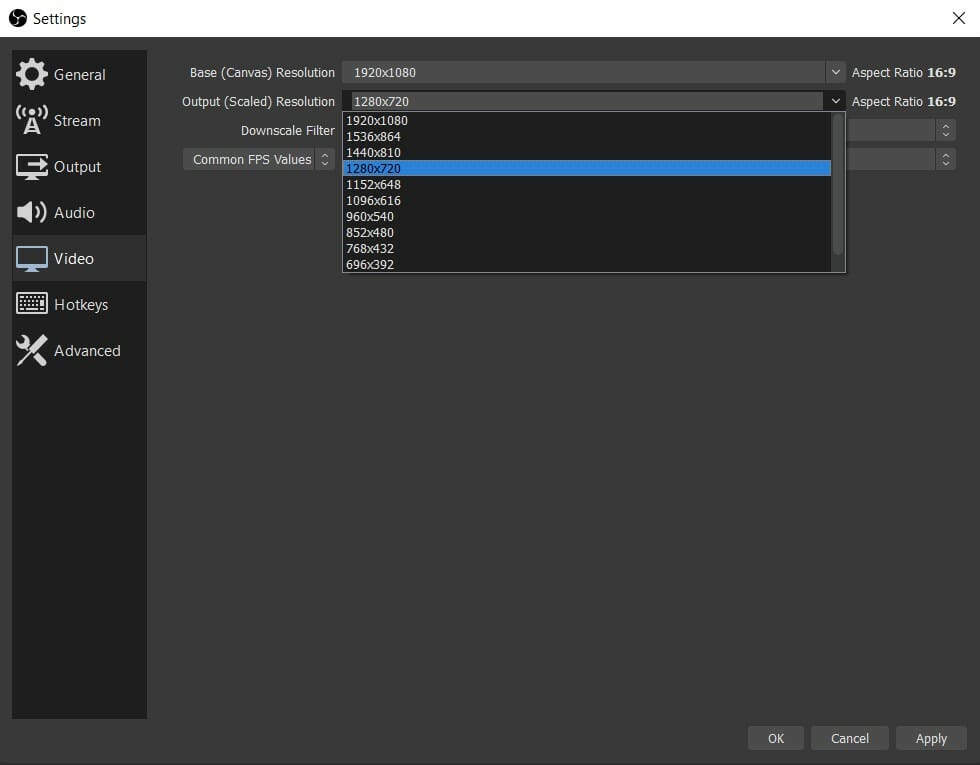
To achieve the best image quality, it's essential to grasp the basic output settings in OBS Studio. These include resolution, frame rate, bitrate, and quality settings. Let's break them down:- Resolution: Set your desired resolution (1080p, 2K, or 4K) in the "Video Settings" section. Ensure your computer's processing power can handle the chosen resolution.
- Frame Rate: Choose a suitable frame rate (FPS) that balances smoothness and file size. 60 FPS is ideal for high-motion content, while 30 FPS is suitable for static content.
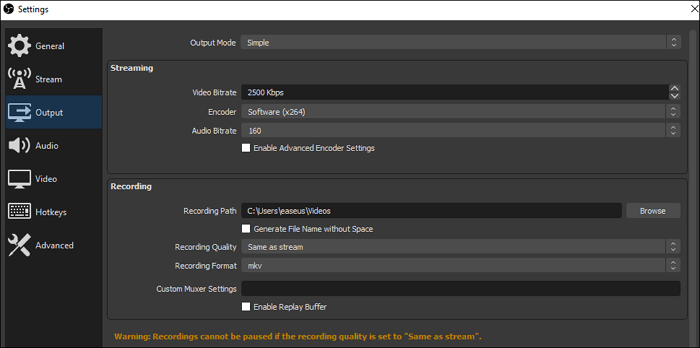
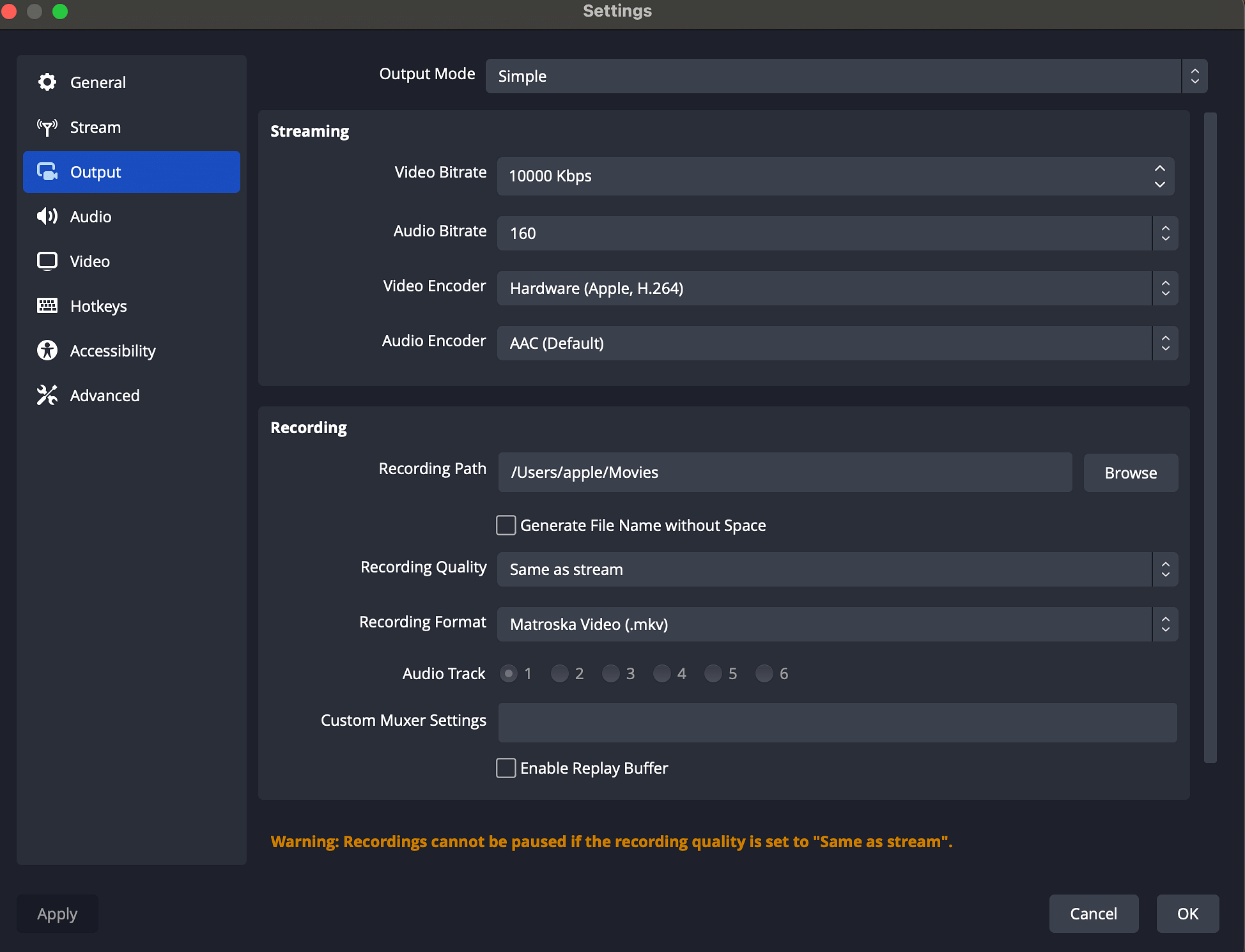
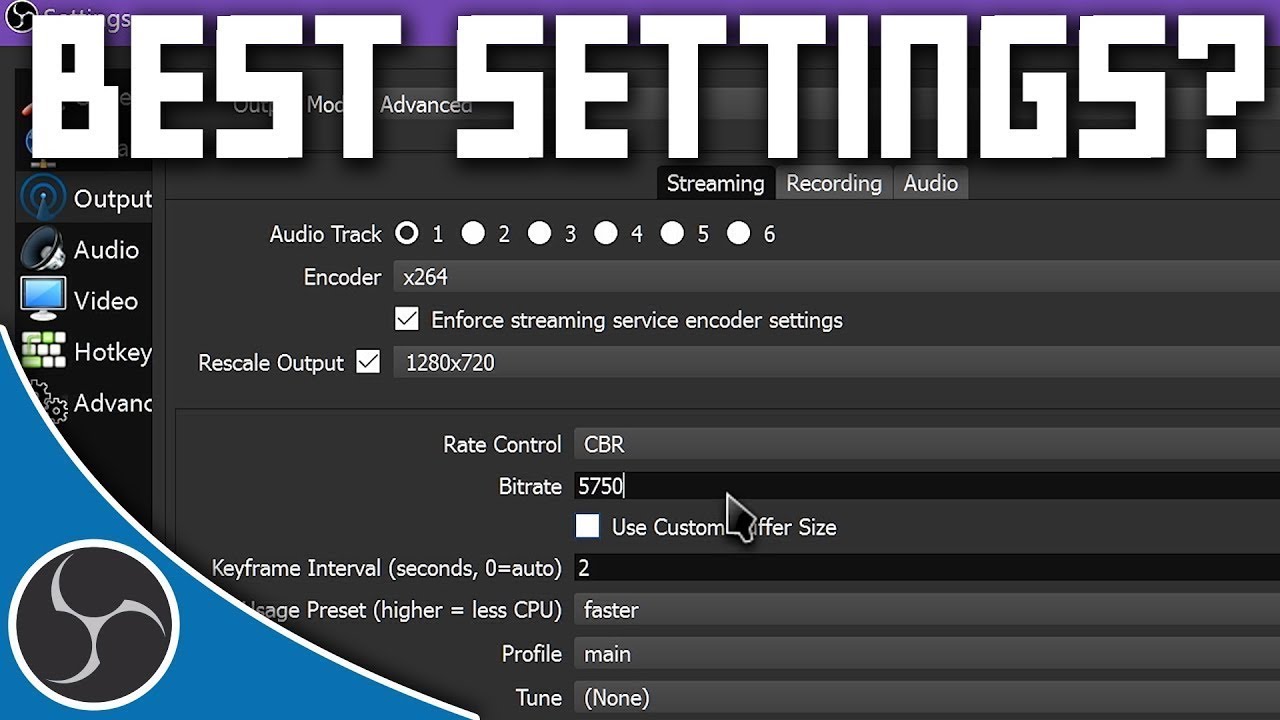
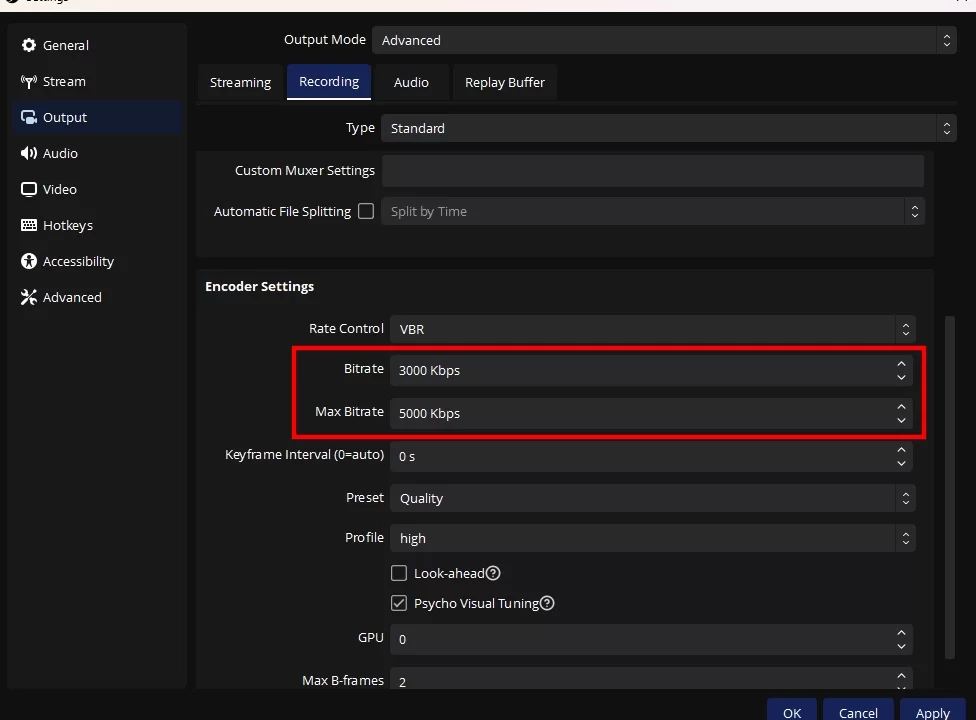
- Bitrate: Bitrate determines the data transfer rate, influencing image quality, and file size. Higher bitrate produces higher quality, but larger files. A minimum bitrate of 6000 kbps is recommended for 1080p, 12000 for 1440p, and 30000 for 2160p (4K).
- Quality Settings: Configure the Quality settings to balance quality and file size. A higher quality setting produces a better image but larger files.
Encoder Settings for Optimal Image Quality
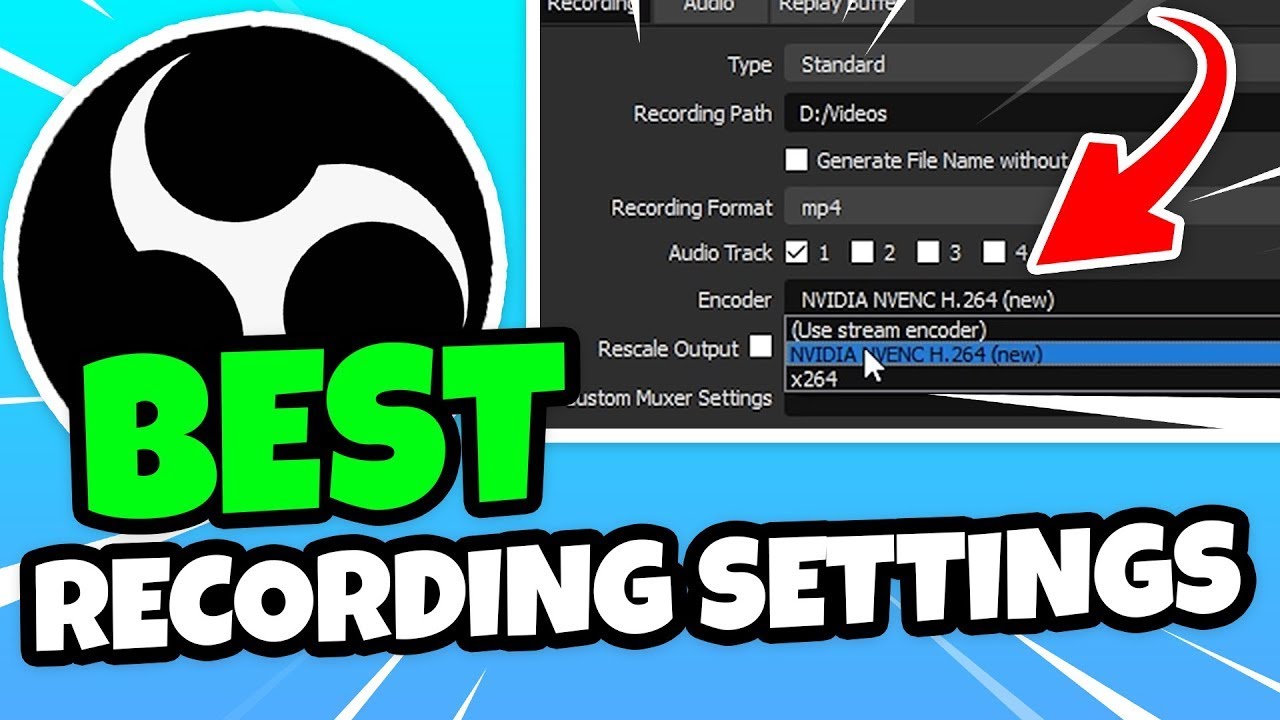
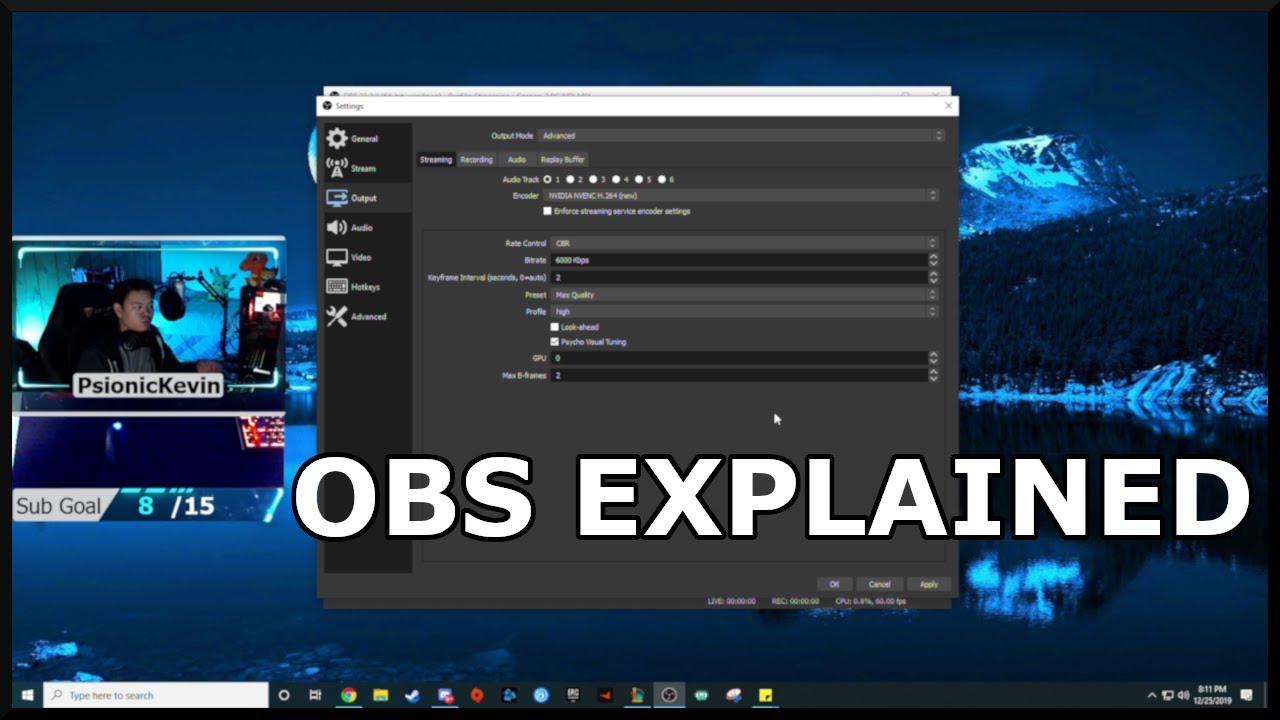
OBS Studio supports various encoders, each with its benefits. For optimal image quality, we recommend the NVENC encoder for NVIDIA users, the AMF encoder for AMD users, and Quick Sync for Intel users.- NVENC (NVIDIA): Offers lower CPU usage, making it ideal for processors with NVENC-enabled GPUs.
- AMF (AMD): Suitable for processors with AMF-enabled GPUs, offering stable performance and high image quality.
- Quick Sync (Intel): Optimizes video decoding and encoding for Intel processors, providing efficient performance and high image quality.
B-Frames and Look-Ahead for Improved Quality
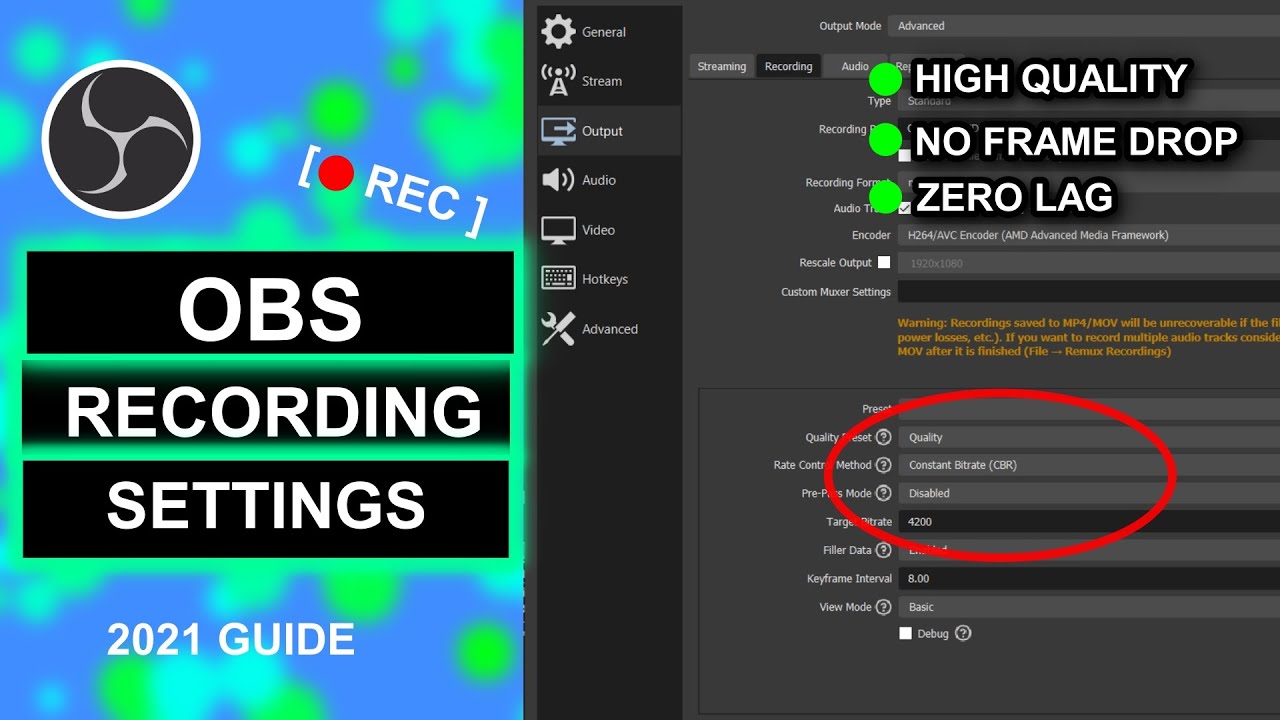
- B-Frames: Enable B-frames for improved image quality, especially in high-motion content. However, they consume more bitrate and resources.
- Look-Ahead: Look-ahead predicts the next frame, allowing for better error concealment and reduced bitrate. It balances quality and file size.
Configuring Webcam Settings for Optimal Image Quality
To produce high-quality webcam recordings, you need to tweak your webcam settings.- Adjust Exposure: Proper exposure settings reduce noise and enhance image quality.
- Adjust Saturation and Contrast: Enhance image color and visibility without overdoing it.
- Proper Focusing: Correctly calibrated focus ensures a crisp and clear image.
Final Tips for Optimal OBS Settings
To achieve the best possible image quality in OBS Studio, consider these additional tips:- Experiment and Test: Start with standard settings and adjust as needed to optimize for your specific content.
- Monitor FPS and Bitrate: Balance your FPS and bitrate settings to prevent artifacts.
- Proper PC Configuration: Ensure your computer's processing power can handle your chosen resolution and frame rate.
- Avoid Over-Responsiveness: Some users set extremely high frame rates or resolution, overwhelming their PCs.
- Regularly update the OBS Studio software to benefit from the latest features and improvements.
![The Best OBS Setting for Recording in 2026 [Detailed Guide] - OBSBOT](https://i.ytimg.com/vi/dcySHV4Xf6o/maxresdefault.jpg "The Best OBS Setting for Recording in 2026 [Detailed Guide] - OBSBOT")

![How to Increase OBS Recording Quality [Best Settings & Guide 2026]](https://cdn.streamshark.io/wp-content/uploads/2020/05/obs-output-audio-settings.png "How to Increase OBS Recording Quality [Best Settings & Guide 2026]")