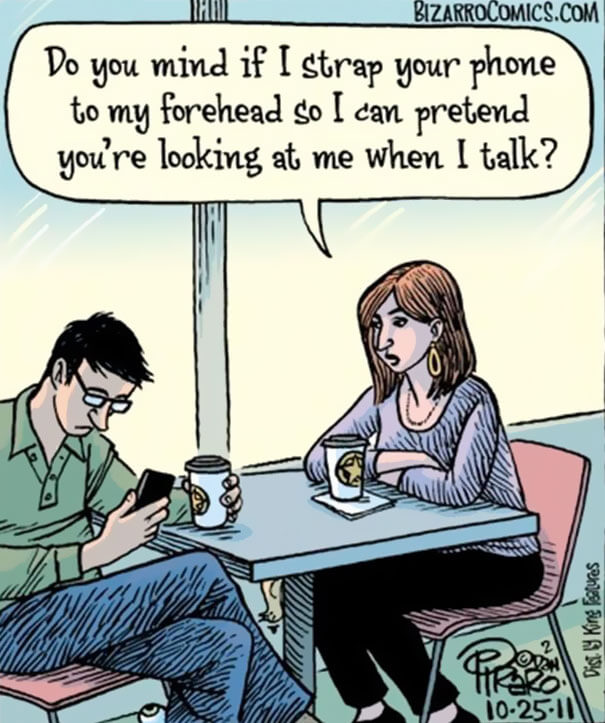
Phubbing and Technology Addiction: Understanding the Dangers of Smartphone-Driven Social Interactions
Phubbing, or phone snubbing, has become a significant issue in contemporary society, where individuals tend to prioritize their smartphones over face-to-face interactions. This phenomenon is particularly concerning in today's digital age, where technology has become an integral part of our daily lives. In this article, we'll explore the concept of phubbing and technology addiction, discussing the factors that contribute to this behavior and its effects on individuals and relationships.
What is Phubbing?
Phubbing is a term coined by Andreassen and colleagues in 2012 to describe the act of ignoring someone in favor of engaging with your smartphone or other digital device. This behavior can manifest in various ways, such as multitasking, constantly checking notifications, or simply being distracted by your phone while interacting with others. Phubbing can be a subtle yet significant disruption to social interactions, leading to feelings of loneliness, isolation, and disconnection.
Consequences of Phubbing and Technology Addiction
Research has shown that phubbing and technology addiction can have severe consequences for individuals, including:
Loneliness and social isolation: Constantly prioritizing technology over social interactions can lead to feelings of loneliness and disconnection.
Decreased attention span: The constant availability of digital information can lead to decreased attention span and decreased ability to focus on tasks that require sustained attention.
'Digital anxiety': The pressure to constantly stay connected and available can lead to feelings of anxiety and stress.
Several factors contribute to phubbing and technology addiction, including:

Smartphone design: The pervasive design of smartphone notifications, algorithms, and user interfaces can foster phubbing behavior.
Fear of missing out (FOMO): The pressure to stay connected and avoid missing important events or updates can lead to phubbing.
Personality traits: Neuroticism, fear of intimacy, and low self-esteem can all contribute to phubbing behavior.
Technoference: Technology-related interruptions can disrupt parent-child interactions, leading to phubbing and decreased social skills.
Breaking the Cycle of Phubbing and Technology Addiction
Breaking the cycle of phubbing and technology addiction requires a combination of self-awareness, self-regulation, and intentional actions. Here are some strategies to help you get started:
Digital detox: Regularly disconnect from technology to recharge your mental and emotional batteries.
Set boundaries: Establish clear boundaries around your technology use, such as limiting screen time or designating device-free zones.
Practice mindfulness: Stay present in the moment and focus on the people and experiences around you.
Seek support: Share your concerns with friends and family, and consider seeking help from a mental health professional if needed.
Conclusion
Phubbing and technology addiction are complex issues that require a comprehensive understanding of their causes and consequences. By acknowledging the factors that contribute to these behaviors and taking intentional actions to address them, we can break the cycle of phubbing and technology addiction, fostering healthier relationships, improved mental health, and greater overall well-being.
References:
- Andreassen, C. S., Torsheim, T., Brunborg, G. S., & Pallesen, S. (2012). Phubbing: detection, severity, and correlates of cellphone use in social situations. Computers in Human Behavior, 28(5), 1547-1552.
- Deci, E. L., & Ryan, R. M. (2000). The 'what' and 'why' of goal pursuit: Human needs and the self-determination of behavior. Psychological Inquiry, 11(4), 227-268.
- Griffiths, M. D. (2005). A 'Continuum of Dose-Response' model of addiction. Educational Psychology Review, 22(3), 249-263.