Phubbing vs Phone Addiction: Understanding the Impact on Relationships and Mental Health
What is Phubbing?
Phubbing, also known as phonesnubbing, is the act of snubbing someone in a social setting by focusing on one's phone instead of engaging with others directly. This behavior is becoming increasingly prevalent in the age of smartphones, and its impact on relationships and mental health is a growing concern.
The Rise of Phubbing: A Symptom of Smartphone Addiction
The constant need to check notifications, likes, and messages can be irresistible, regardless of age. Social media addiction, fear of missing out (FOMO), and the omnipresence of social media are driving factors behind phubbing behavior. Individuals with social anxiety may also turn to their phones as a way to avoid social discomfort or silence.
Phubbing vs Phone Addiction: What's the Difference?
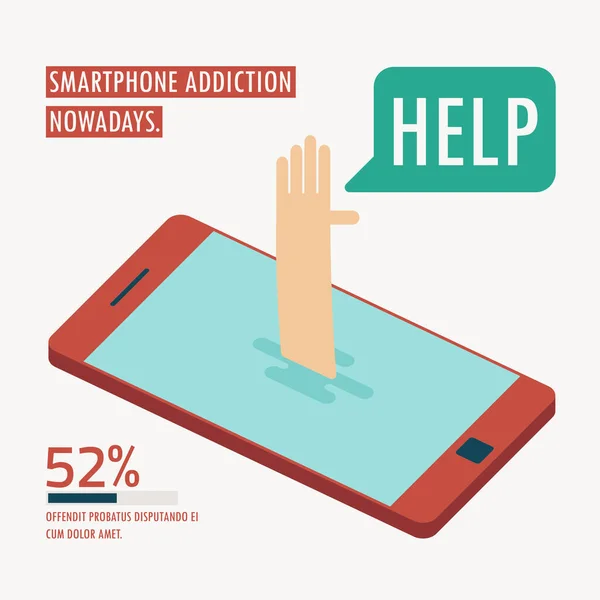
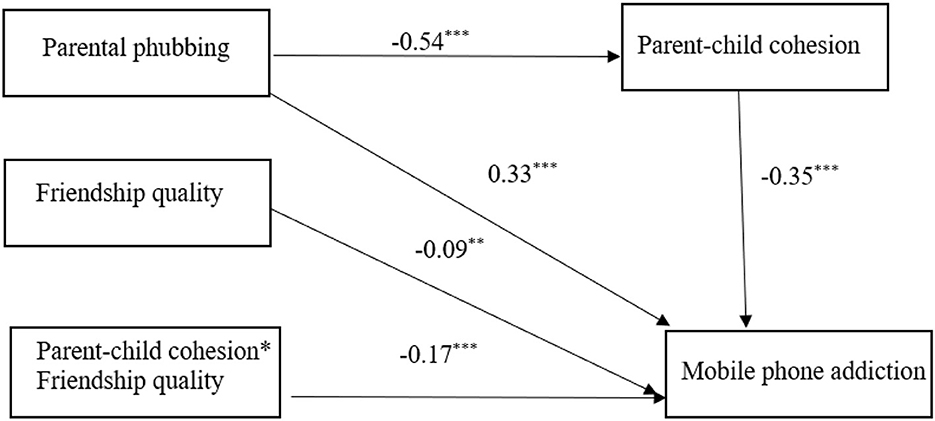
While phone addiction refers to the excessive and compulsive use of smartphones, phubbing is a specific behavior of ignoring someone in favor of one's phone. Phubbing can be seen as a reflection of our societal addiction to smartphones, where the need to stay connected and fear of missing out takes precedence over real-life interactions.
The Consequences of Phubbing

Phubbing can have detrimental effects on relationships, social skills, and mental health. It can lead to feelings of isolation, loneliness, and disconnection from others. Furthermore, habitual phubbing can reinforce its cyclical impact, as individuals may use their phones to escape stress or loneliness, only to weaken their relationships and reinforce their reliance on devices.
Reducing Phubbing and Overcoming Phone Addiction
Breaking the cycle of phubbing and overcoming phone addiction requires awareness, self-control, and intentional habits. Here are some strategies to help reduce phubbing behavior:
- Set boundaries and design phone-free zones
- Practice mindfulness and self-control when using phones
- Engage in social activities and prioritize face-to-face interactions
- Develop healthy phone habits, such as limiting screen time and implementing phone-free hours
Conclusion
Phubbing and phone addiction are interlinked issues that require attention and action. By understanding the impact of phubbing on relationships and mental health, we can take steps to reduce its prevalence and promote healthy phone use. It's time to rethink our phone habits and prioritize face-to-face interactions to foster stronger, more meaningful connections with others.
In a world where smartphones are ubiquitous, being aware of the dangers of phubbing is crucial. By confronting this issue head-on, we can create a healthier digital landscape that promotes connection, empathy, and understanding among people.