Pregnant and Seafood Shrimp Concerns: A Comprehensive Guide
When it comes to a pregnant woman's diet, ensuring a balanced and nutritious intake is crucial for the well-being of both the mother and the baby. Seafood, including shrimp, has long been a topic of debate among health experts and pregnant women. While some may view it as a nutritious addition to a pregnant woman's diet, others may be concerned about potential risks. In this article, we'll delve into the world of pregnant and seafood shrimp concerns to provide you with the information you need to make informed decisions.
Benefits of Eating Seafood Shrimp During Pregnancy
Seafood, including shrimp, is a rich source of protein, essential vitamins, and omega-3 fatty acids. These nutrients are vital for the development of the fetus, particularly in the areas of brain and eye development. Shrimp specifically is a good source of protein, which is essential for the growth and maintenance of the placenta, as well as the baby's tissues.
- Rich in protein
- Good source of omega-3 fatty acids
- Rich in vitamins and minerals, including vitamin D and calcium
- Supports fetal brain and eye development
- Important for placental and fetal tissue growth
Concerns Surrounding Seafood Shrimp and Pregnancy
Despite the benefits, there are certain concerns surrounding shrimp consumption during pregnancy. These concerns include:

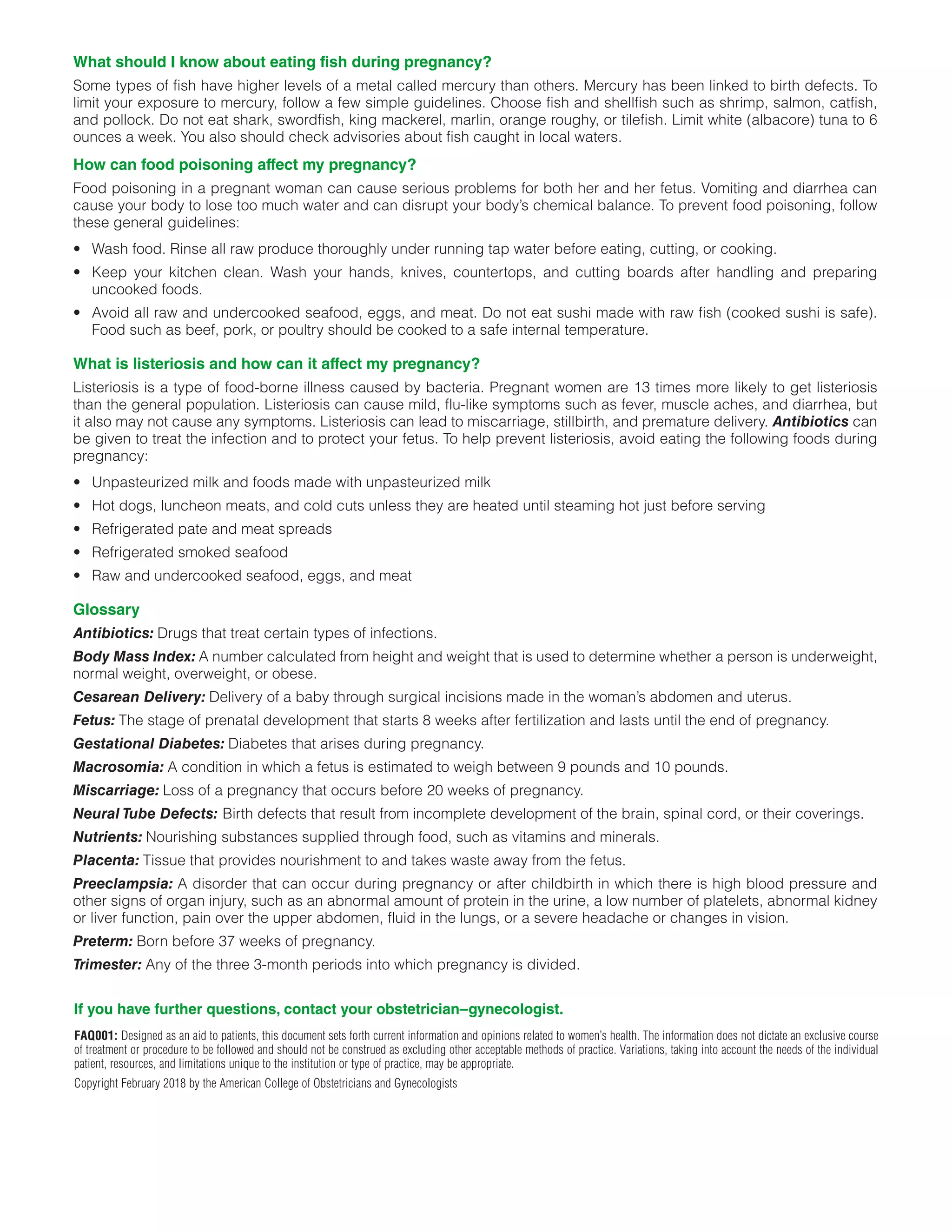
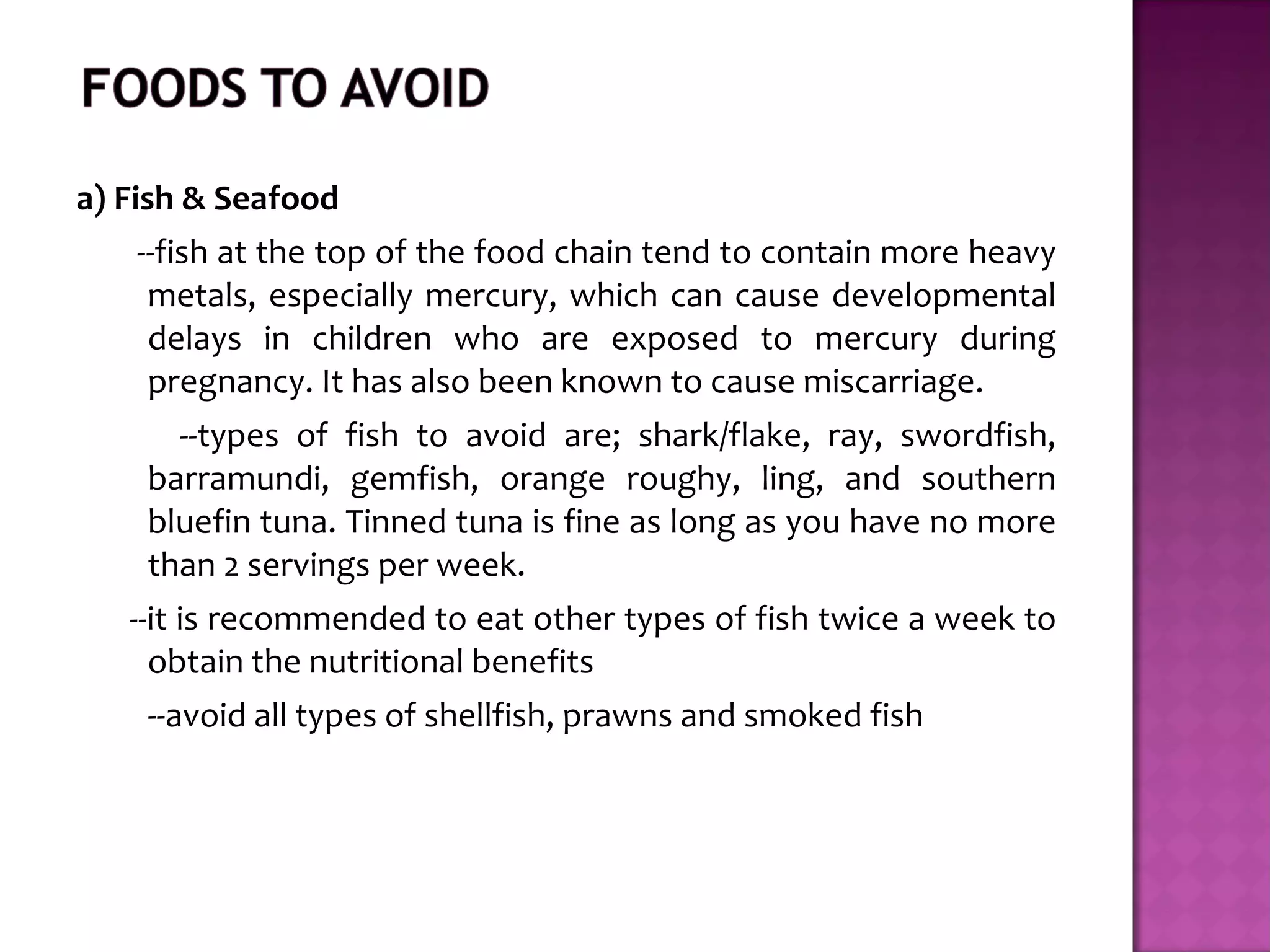
- Mercury toxicity: Some types of fish, including shark, swordfish, and king mackerel, contain high levels of mercury. However, shrimp is generally low in mercury, making it a safer choice.
- Foodborne illnesses: Raw or undercooked shrimp can contain bacteria, viruses, or parasites that can cause foodborne illnesses, including listeria and salmonella.
- Contamination: Shrimp can be contaminated with pollutants like PCBs and dioxins, which can harm the fetus.
Safe Preparation and Consumption of Seafood Shrimp During Pregnancy
When it comes to consuming shrimp during pregnancy, proper preparation and moderation are key. Here are some guidelines to keep in mind:
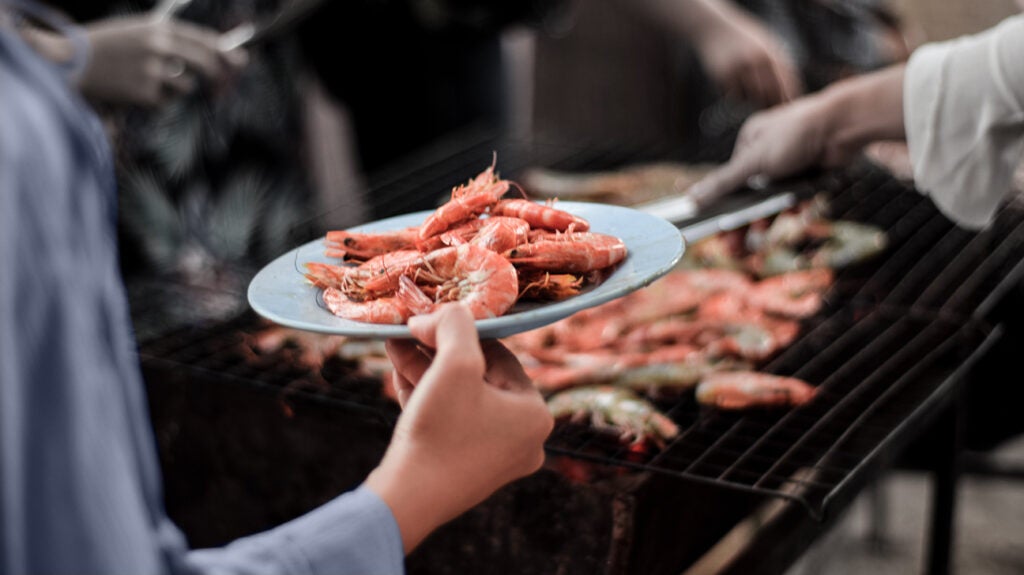
- Only consume cooked shrimp. Avoid raw or undercooked shrimp to minimize the risk of foodborne illnesses.
- Choose low-mercury options, such as shrimp, salmon, sardines, and trout.
- Limit consumption to 2-3 servings per week, with a serving size of about 3 ounces.
- Avoid high-mercury fish, such as shark, swordfish, and king mackerel.
- Choose shrimp that are certified by a reputable organization, such as the Marine Stewardship Council or the International Seafood Sustainability Foundation.
Conclusion
While the debate surrounding seafood shrimp concerns during pregnancy may be present, it's essential to remember that a balanced and nutritious diet is crucial for the health and development of both the mother and the baby. By following the guidelines outlined above, pregnant women can safely enjoy shrimp as part of their diet, while minimizing potential risks. As always, consult with your healthcare provider before making any significant changes to your diet during pregnancy.








.png "Shrimp - Pregnancy Safety Information")