Nomophobia and its Impact on Daily Life
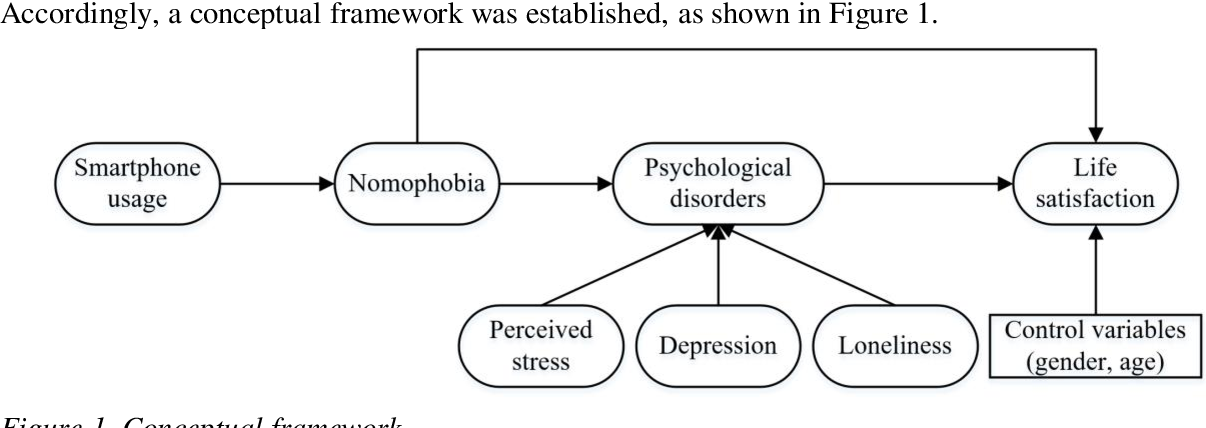
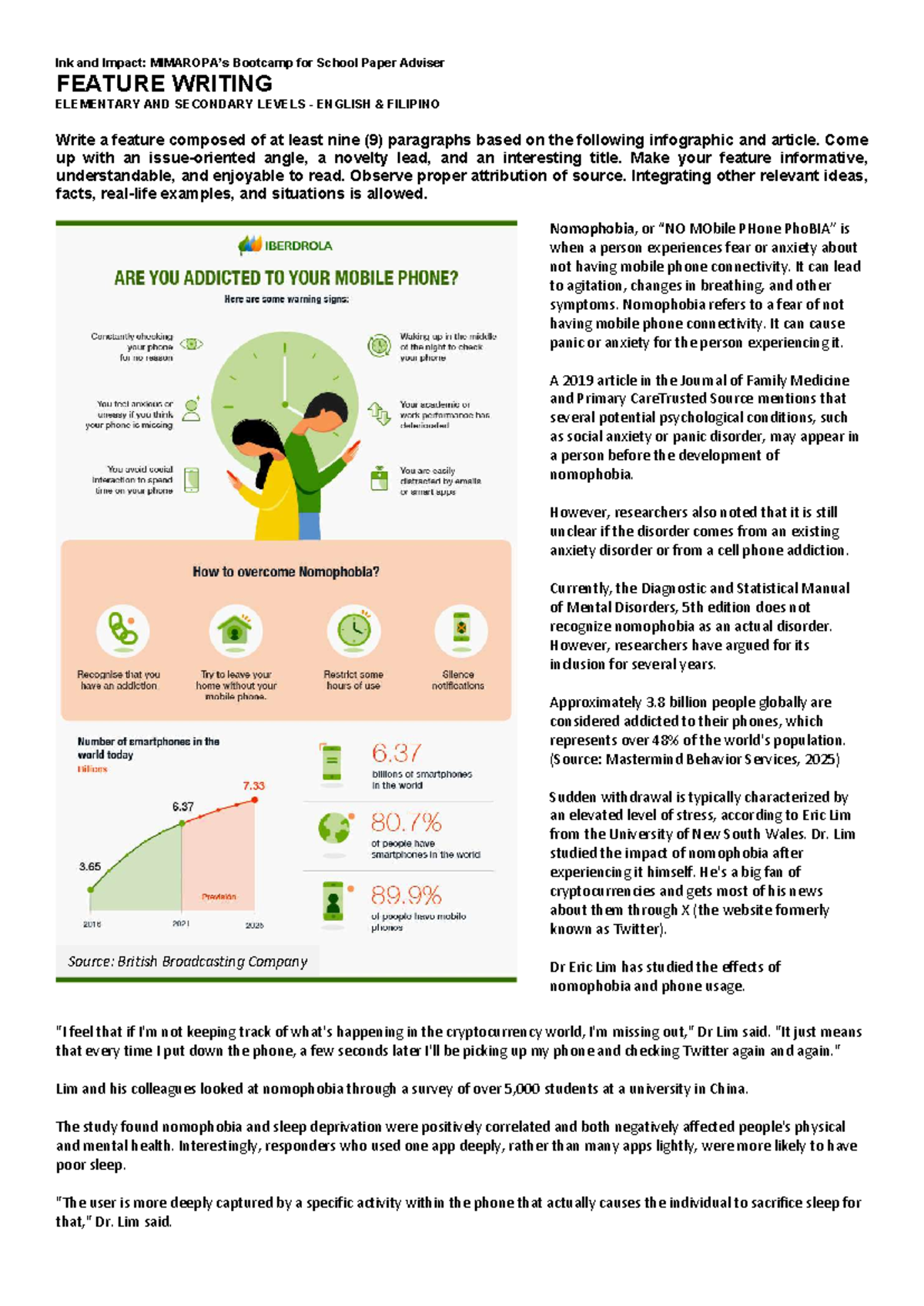
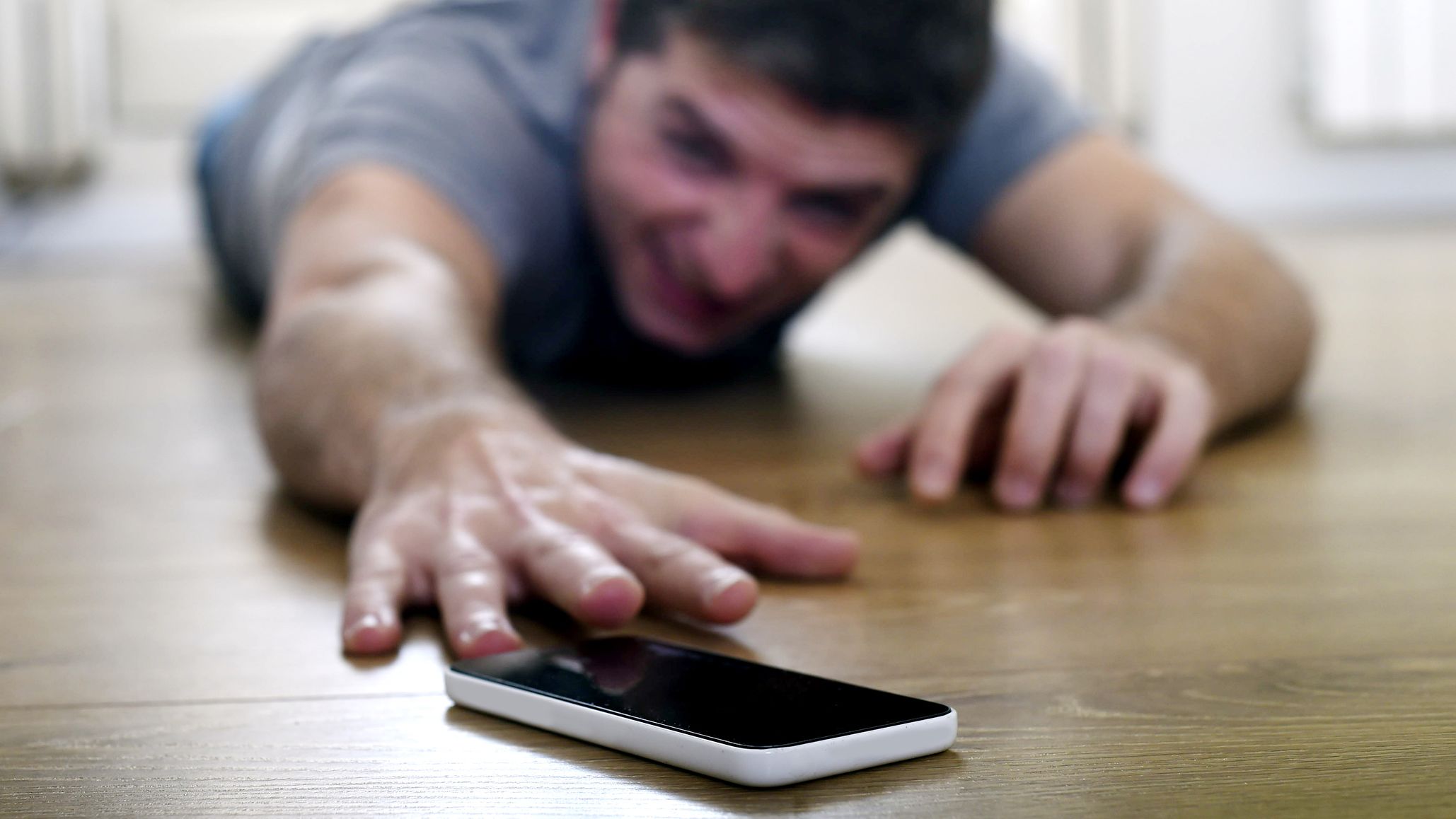
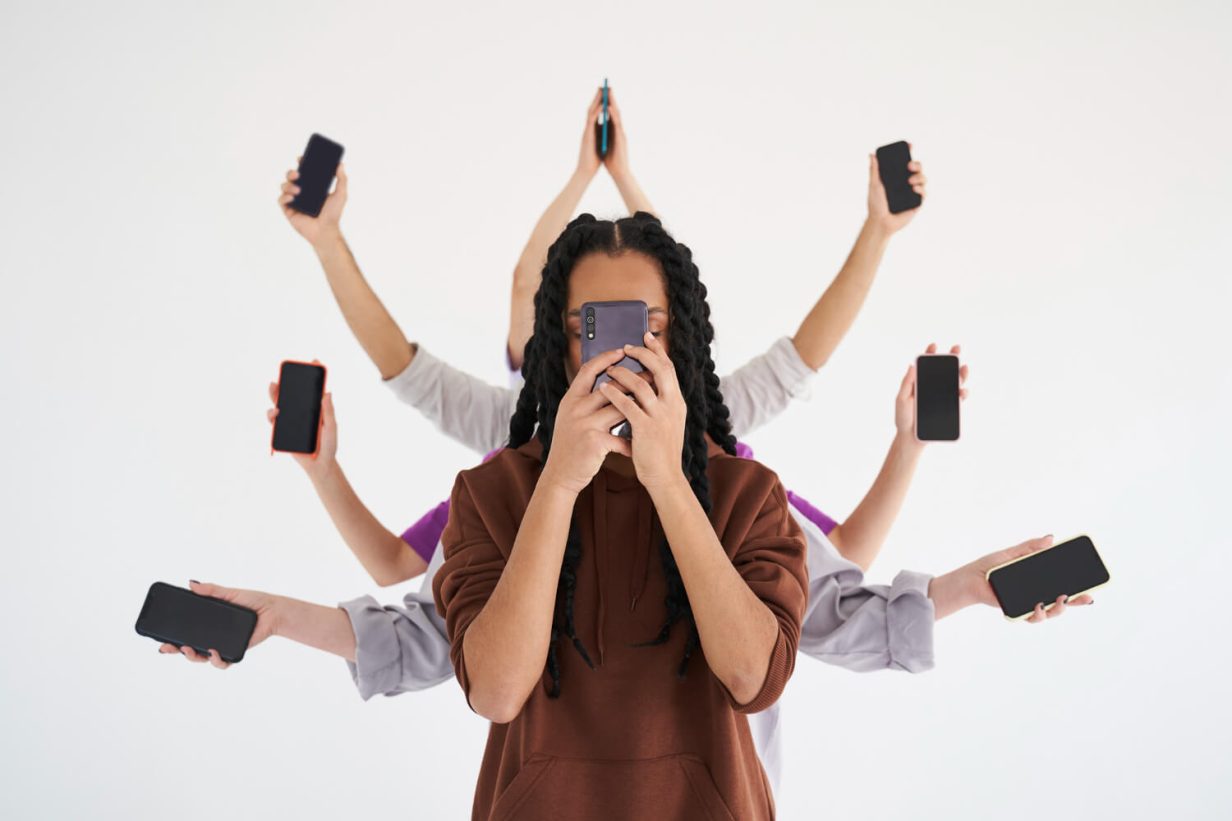
Smartphones have become an indispensable part of our daily lives. We use them for communication, information, entertainment, and many other purposes. However, an excessive reliance on smartphones has given rise to a modern phobia known as nomophobia. Also referred to as "no mobile phone phobia," nomophobia is the fear of being without a mobile phone or not being able to use it. In this article, we will delve into the impact of nomophobia on various aspects of life, including personal relationships, work, education, and mental and physical health.
Introduction
Nomophobia is a relatively new phenomenon that has emerged with the rapid rise of smartphones and their integration into nearly every aspect of modern life. The term is a combination of the Greek words "nomos" (law) and "phobos" (fear), reflecting the anxiety and apprehension associated with being without a mobile phone. The fear of nomophobia is so intense that it can interfere with daily life and relationships, causing significant distress and impairment.
Impact on Personal Relationships
Nomophobia can have a profound impact on personal relationships. For instance, excessive phone use can lead to social isolation, decreased attention to loved ones, and reduced engagement in face-to-face interactions. Moreover, the constant checking of notifications and the fear of missing out (FOMO) can create tension and arguments with family and friends.
- Reduced quality time with family and friends
- Decreased attention to loved ones
- Increased stress and anxiety in relationships
- Social isolation and loneliness
Impact on Work
Nomophobia can also have a significant impact on work and productivity. Excessive phone use can lead to distractions, decreased concentration, and poor work performance. Additionally, the constant checking of work emails and messages outside working hours can blur the boundaries between work and personal life, leading to burnout and stress.
- Decreased productivity and performance
- Distractions and decreased attention span
- Increased stress and burnout
- Blurred boundaries between work and personal life
Impact on Education
Nomophobia can also affect students' academic performance and learning. Excessive phone use can lead to decreased attention span, reduced engagement in class, and decreased ability to focus on academic tasks. Moreover, the constant availability of online distractions can hinder learning and academic achievement.
- Decreased attention span and focus
- Reduced engagement in class
- Decreased academic performance
- Increased reliance on digital resources
Impact on Mental and Physical Health
Nomophobia can also have significant implications for mental and physical health. Excessive phone use has been linked to anxiety, depression, insomnia, and even physical health problems such as headaches and eye strain. Moreover, the constant notifications and alerts can activate the body's stress response, leading to increased cortisol levels and decreased well-being.
- Increased anxiety and depression
- Insomnia and sleep disturbances
- Headaches and eye strain
- Decreased physical activity and increased sedentary behavior
Conclusion
Nomophobia is a real and pressing concern that affects various aspects of our lives. By understanding the impact of nomophobia on personal relationships, work, education, and mental and physical health, we can take steps to mitigate its effects. By setting boundaries, practicing mindfulness, and seeking help when needed, we can overcome nomophobia and maintain a healthier relationship with our smartphones.