Prevent Online Phishing Scams: A Guide to Protecting Your Personal and Financial Information
Phishing scammers use sophisticated tactics to trick you into revealing sensitive information. The consequences can be severe, so it's essential to be aware of the risks and take proactive steps to prevent online phishing scams.
Recognizing Phishing Scams
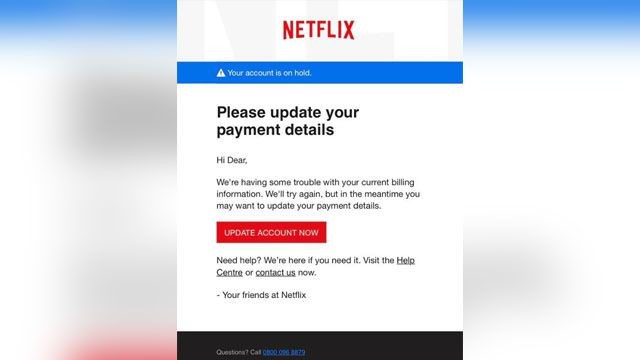
Phishing scams often appear as legitimate emails or messages from reputable companies or institutions. To spot a phishing scam, look out for these common warning signs:
- Urgency: Scammers often create a sense of urgency, claiming that you need to act quickly to avoid missing out on an opportunity or facing a penalty.
- Grammar and spelling mistakes: Legitimate companies typically have professional language and grammar. Scammers may make mistakes to create a sense of urgency or to avoid detection.
- Suspicious links or attachments: Be wary of links or attachments from unknown senders. Scammers often use malicious links or attachments to install malware on your device.
- Generic greetings: Legitimate companies usually address you by name. Scammers may use generic greetings, such as "Dear customer," to avoid customization.
- No personalization: Legitimate emails often include personalized information, such as your account number or transaction history. Scammers may not have access to this information.
Types of Phishing Scams
There are various types of phishing scams, including:
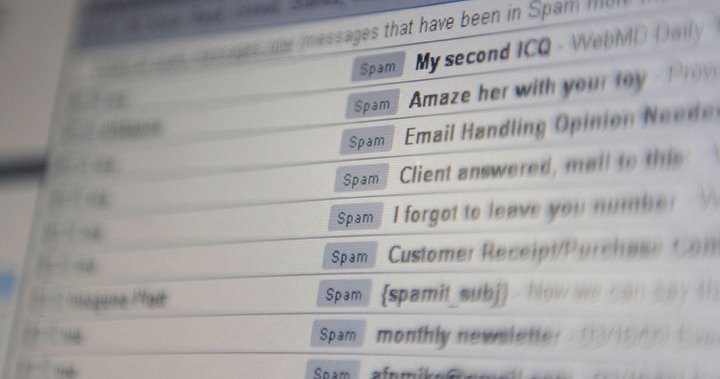
- Email phishing: Scammers send emails that appear to be from legitimate companies or institutions, often with the intention of stealing sensitive information.
- Text message phishing: Scammers send SMS messages that appear to be from legitimate companies or institutions, often with the intention of stealing sensitive information.
- Voice phishing: Scammers call you, claiming to be from a legitimate company or institution, often with the intention of stealing sensitive information.
- QR code phishing: Scammers use QR codes to steal sensitive information or to install malware on your device.
How to Prevent Online Phishing Scams

Preventing online phishing scams requires a combination of awareness and proactive steps:
- Be cautious with links and attachments: Avoid clicking on links or opening attachments from unknown senders.
- Verify the sender: Check the sender's email address or phone number to ensure it is legitimate.
- Keep your software up-to-date: Ensure that your operating system, browser, and antivirus software are updated to prevent malware installation.
- Use strong passwords: Use unique and complex passwords for all accounts, and consider using a password manager.
- Enable two-factor authentication: Use two-factor authentication to add an extra layer of security to your accounts.
Reporting Phishing Scams
If you suspect a phishing scam, report it to the relevant authorities:
- File a complaint with the Federal Trade Commission (FTC): The FTC has a dedicated webpage for reporting phishing scams.
- Report to your bank or financial institution: Inform your bank or financial institution if you suspect a phishing scam targeting their customers.
- Notify the Internet Crime Complaint Center (IC3): The IC3 is a partnership between the FBI and the National White Collar Crime Center that helps to track and prevent online crime.
Conclusion
Preventing online phishing scams requires awareness, vigilance, and proactive steps. By recognizing the warning signs of a phishing scam and taking the necessary precautions, you can protect your personal and financial information from scammers. Stay safe online and report any suspected phishing scams to the relevant authorities.