Protect Online Personal Info Phishing: A Comprehensive Guide
With the rise of online transactions and digital communication, the risk of personal information theft has increased exponentially. Scammers use email or text messages to trick you into giving them your personal and financial information. But there are several ways to protect yourself from phishing attacks.
What is Phishing?
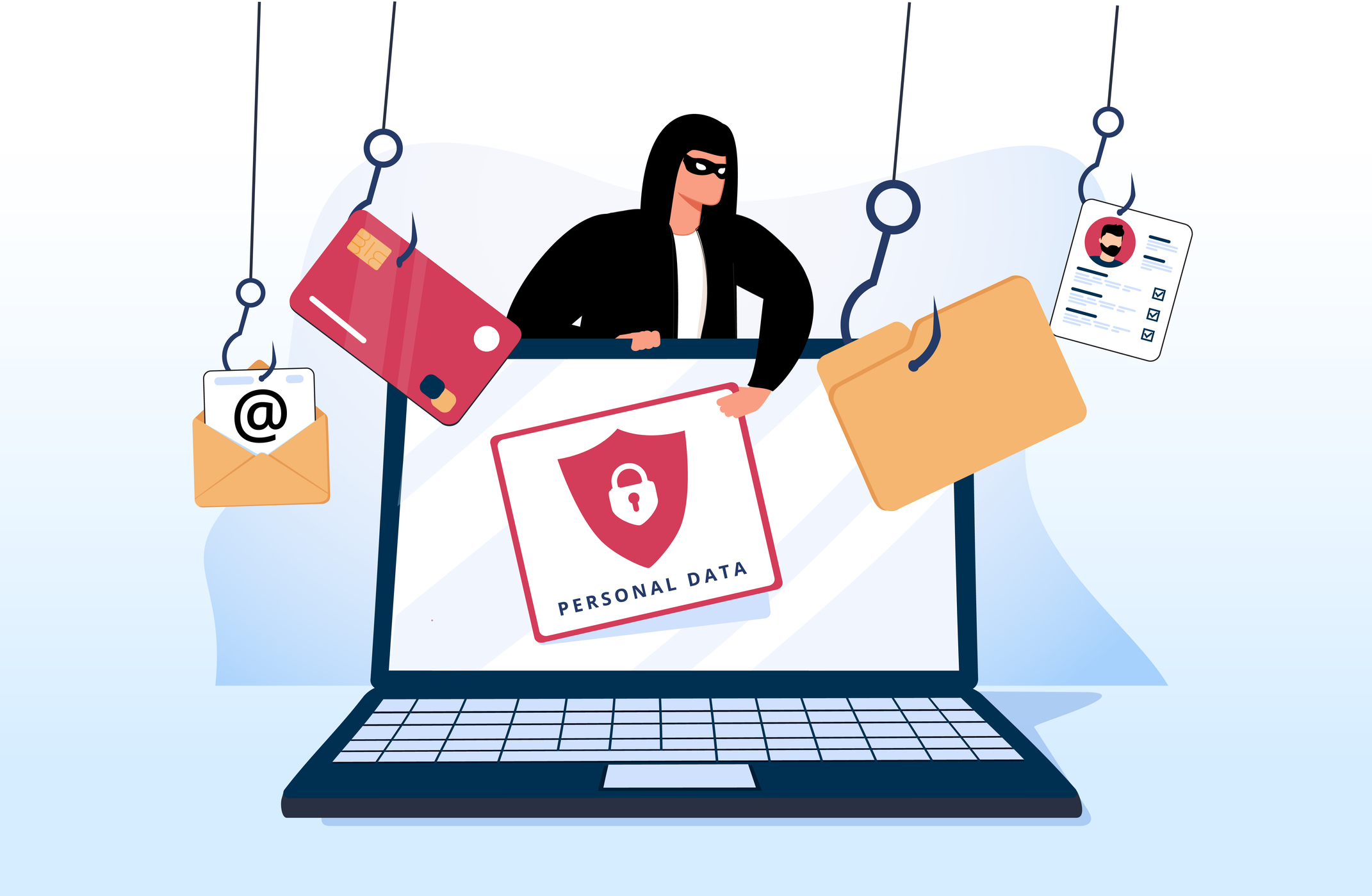
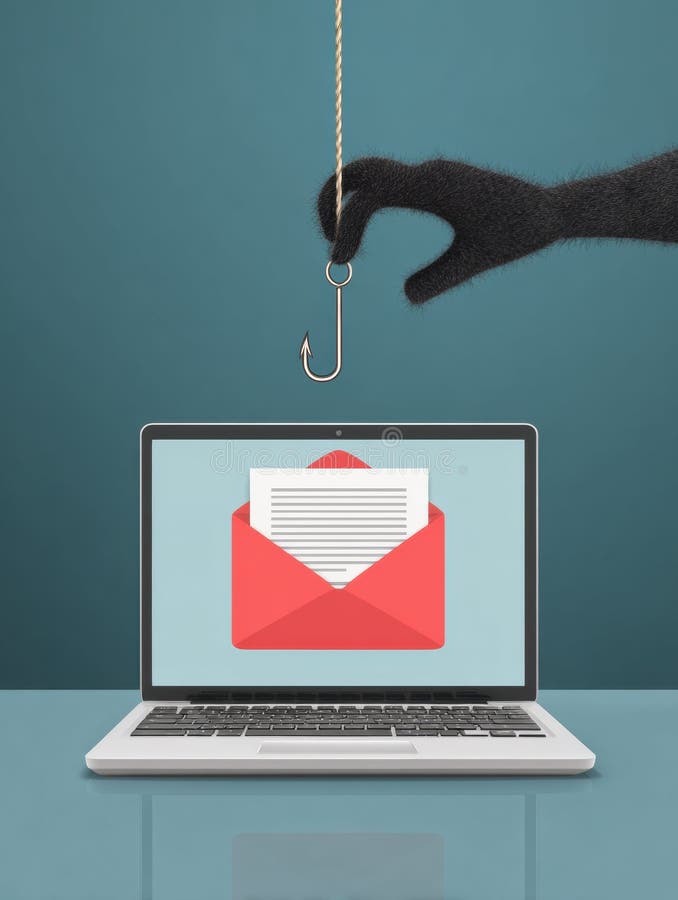
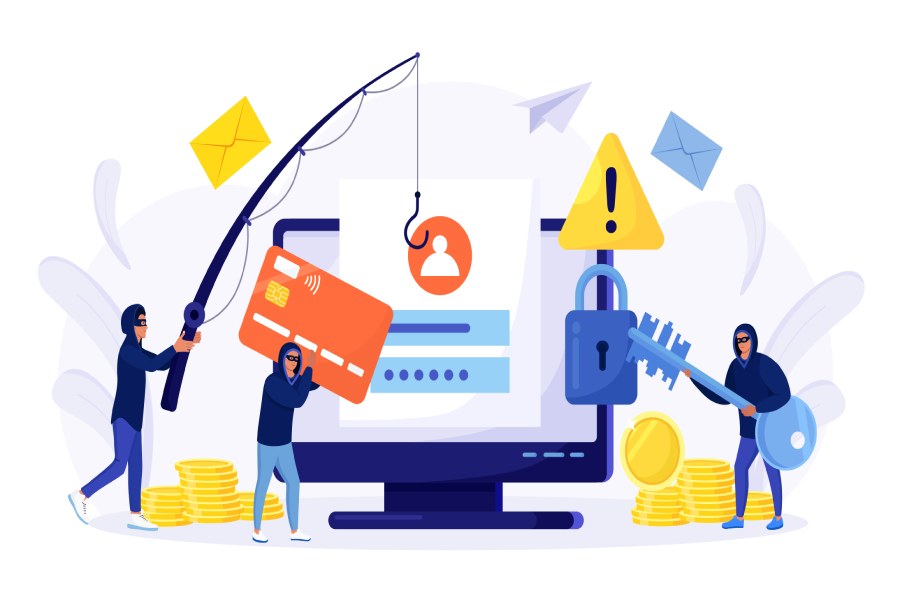
Phishing is a type of cybercrime that tries to trick you into giving away sensitive personal information or unknowingly installing malware on your device. It is an attack that attempts to steal your money, or your identity, by getting you to reveal personal information – such as credit card numbers, bank information, or passwords – on websites that pretend to be legitimate.
Recognizing Phishing Attacks
Phishing attacks can come in many forms, including emails, text messages, phone calls, and social media messages. They often contain spelling and grammar mistakes, and may ask you to click on a link or provide personal information. Here are some common tactics used by scammers:
- Urgency: Scammers may create a sense of urgency, telling you that you need to take action immediately to avoid a problem.
- Legitimacy: Scammers may impersonate a legitimate company or organization to gain your trust.
- Urgent requests: Scammers may ask you to provide personal information or money in exchange for a prize or benefit.
- Generic greetings: Scammers may use generic greetings such as "Dear customer" instead of addressing you by name.
- Spelling and grammar mistakes: Scammers may make spelling and grammar mistakes to appear less credible.
Protecting Yourself from Phishing Attacks
To protect yourself from phishing attacks, follow these best practices:
- Be cautious of emails, text messages, and phone calls that ask for personal information.
- Verify the sender's identity before responding to any message.
- Use strong passwords and keep them confidential.
- Keep your computer and devices up to date with the latest security patches.
- Use antivirus software and a firewall to protect your device from malware.
- Use two-factor authentication to add an extra layer of security to your online accounts.
- Monitor your bank and credit card statements regularly to detect any suspicious activity.
Reporting Phishing Attacks
If you suspect that you have received a phishing attack, report it to the relevant authorities immediately. Here are some resources to help you report phishing attacks:
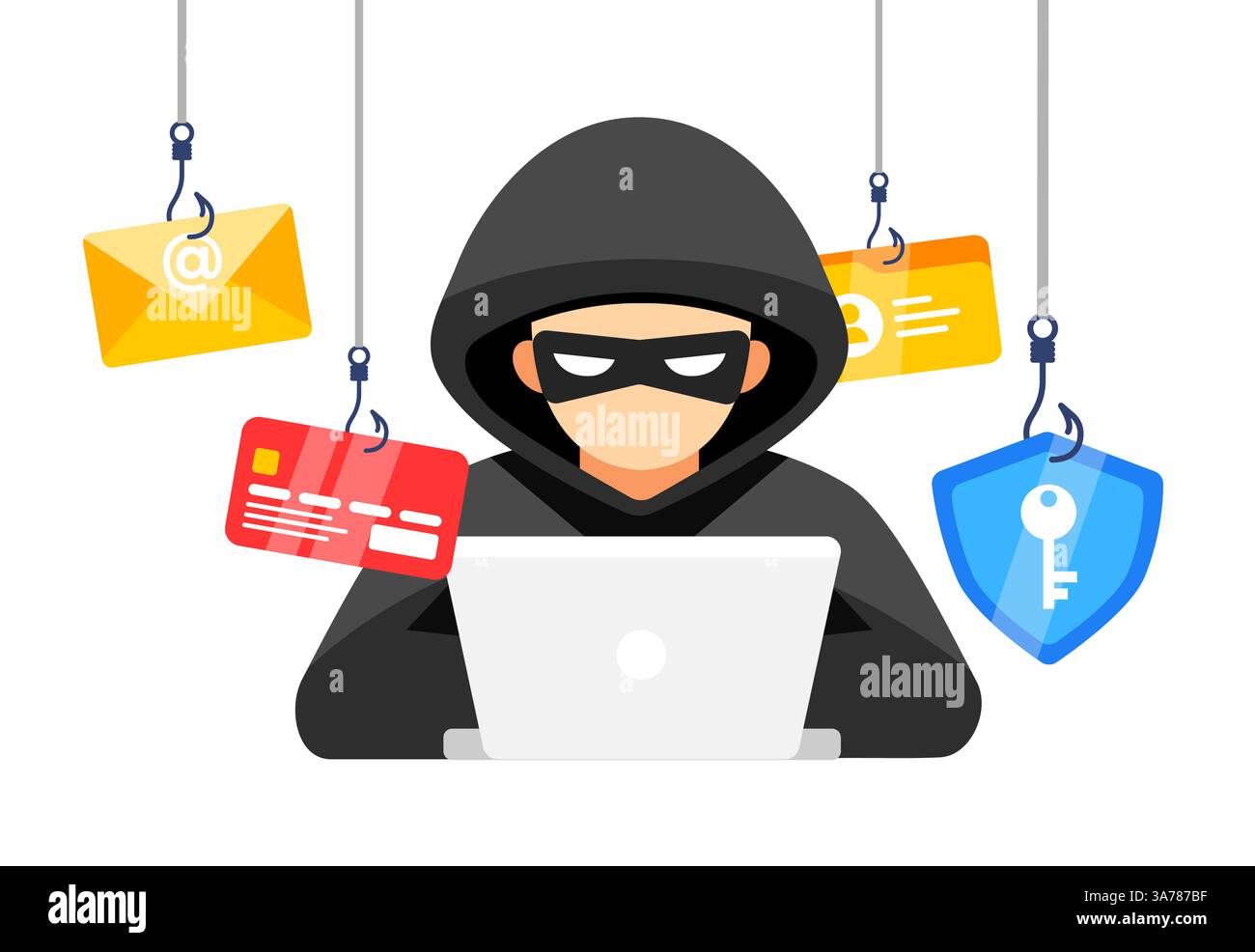
- CISA's Phishing Infographic: A beginner's guide to phishing that includes a basic definition of phishing and information about how cybercriminals bait, hook, and catch victims.
- FBI's Internet Crime Complaint Center (IC3): A resource for reporting internet-facilitated crimes, including phishing attacks.
- FTC's Complaint Assistant: A tool for reporting consumer complaints, including phishing attacks.
Conclusion
Protecting yourself from phishing attacks requires a combination of awareness, caution, and security best practices. By recognizing the signs of phishing attacks and taking steps to protect yourself, you can significantly reduce the risk of personal information theft. Remember, your personal information is valuable, and it's up to you to protect it.