Protecting Online Identity: A Comprehensive Guide
Identity theft is a pervasive threat in the digital age. Thieves can drain your bank account, ruin your credit, and even block access to your health benefits and tax refund. However, there are ways to protect yourself and safeguard your online identity. This article will delve into the importance of protecting online identity and provide practical strategies to help you mitigate the risks.
Why Protecting Online Identity is Crucial
Identity thieves can gather information about you from various sources, including social media, online forums, and even public records. This information can be used to impersonate or defraud you, resulting in costly consequences. For instance, a thief may use your Social Security number to make credit card purchases, open bank accounts, or commit crimes in your name.
Warning Signs of Identity Theft
Being proactive about data protection can help protect you from a range of nasty online threats and costly consequences. Some common warning signs of identity theft include:
- Unexplained charges on your credit card or bank statement
- Missing mail or unexpected packages
- Receiving credit card offers in your name, but not requesting
- Seeing unfamiliar accounts or loans on your credit report
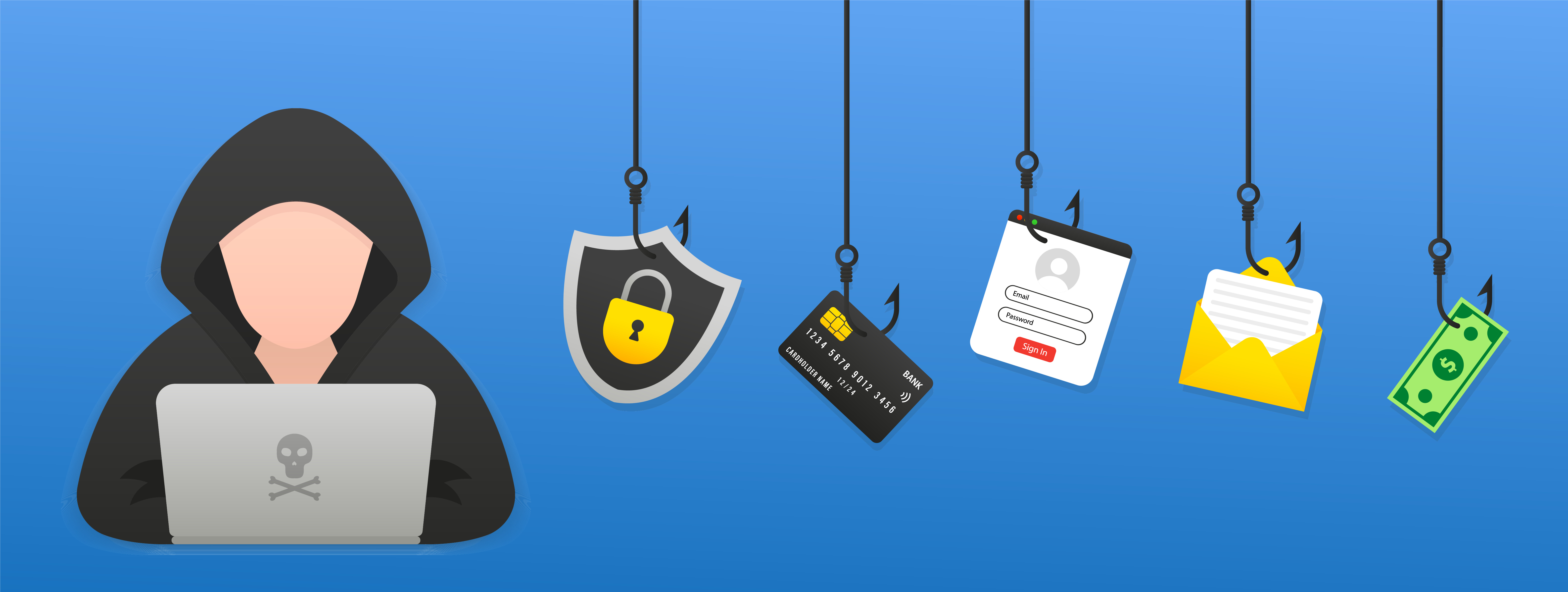
- Receiving calls or emails from unknown individuals requesting personal information
Protecting Your Online Identity
Fortunately, there are several steps you can take to help manage and protect your financial and personal information online. Some essential tips include:
- Shred sensitive documents: Regularly shred papers containing sensitive information, such as financial documents, passport copies, and medical records.
- Use password managers: Invest in a reputable password manager to generate and store unique, complex passwords for each online account.
- Enable two-factor authentication (2FA): Whenever possible, enable 2FA to add an extra layer of security to your accounts.
- Monitor your credit report: Check your credit report regularly to detect any unfamiliar accounts or errors.
- Be cautious with online transactions: Verify the authenticity of online transactions, especially when using public Wi-Fi or links from unknown sources.
Additional Tips for Protecting Your Online Identity
Being proactive about data protection requires a multifaceted approach. Here are some additional tips to help you safeguard your online presence:
- Use a secure internet connection: Connect to secure internet services, such as VPNs or encrypted Wi-Fi networks.
- Protect all devices and logins with passwords: Use unique, strong passwords to secure all your devices and online accounts.
- Check all email and text message links for potential spam or phishing: Be cautious when clicking on links from unknown sources or receiving suspicious emails.
- Use anti-malware software: Install reputable anti-malware software to detect and remove malware from your devices.
- Backup your data regularly: Regularly back up your important files and data to prevent loss in case of a cyberattack or device failure.
Expert Recommendations
Industry leaders offer valuable insights on protecting online identity:
- McAfee LiveSafe: Provides essential protection for your privacy, identity, and devices, allowing you to enjoy life online without worrying about cyber threats.
- Get Safe Online: A UK-based organization offering unbiased, factual information on online safety, including advice on protecting yourself, devices, and businesses from fraud, identity theft, and other online threats.
- Verizon's Executive Identity Protection: Essential for safeguarding C-suite leaders from cyber threats by removing personal information and monitoring online presence.
Conclusion
Protecting your online identity is a collective responsibility. By understanding the risks, precautions, and best practices outlined in this article, you can help safeguard your digital life and maintain an air of security in the ever-evolving digital landscape.