Protecting Your Identity from Identity Thieves: A Beginner's Guide
Identity theft is a growing concern in the digital age. Every year, thousands of individuals fall victim to identity thieves who steal their personal and financial information to commit crimes and gain unauthorized access to their accounts. However, there are steps you can take to protect your identity from being stolen and used for nefarious purposes.
Understanding Identity Theft
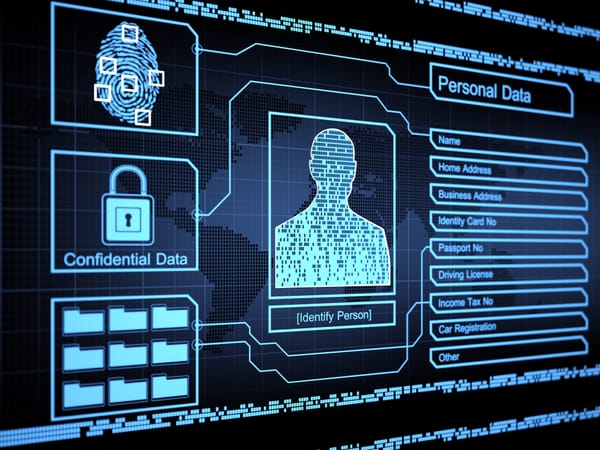
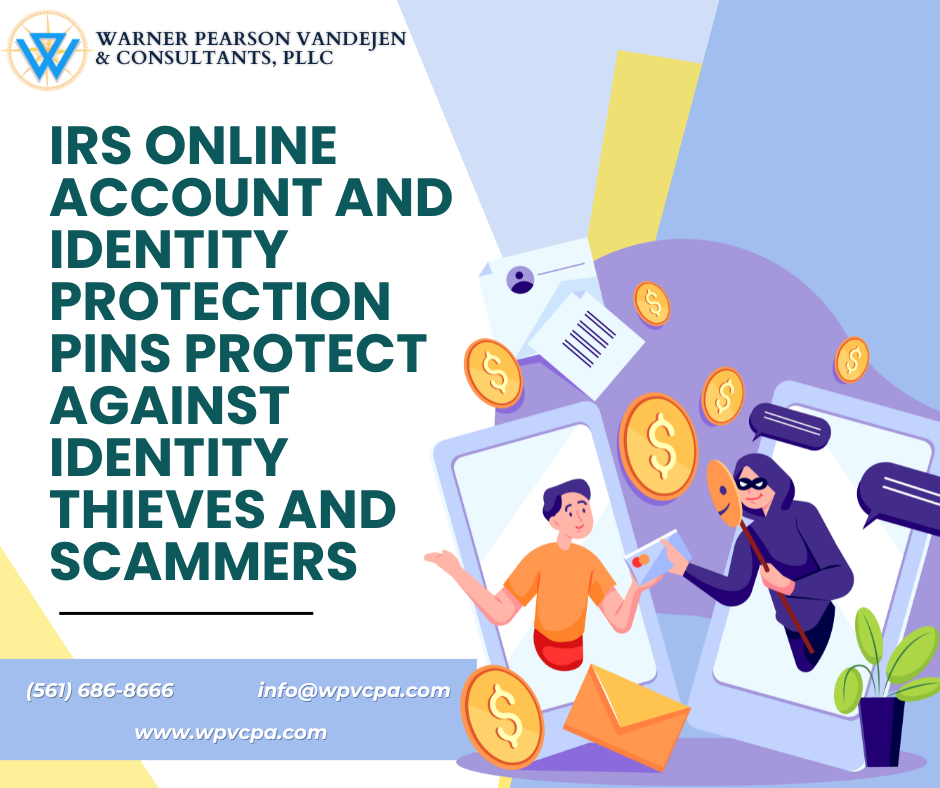
Identity thieves use various tactics to steal your personal and financial information, including phishing scams, hacking, and social engineering. They may use this information to open new credit accounts, take out loans, or even file false tax returns, leaving you to deal with the consequences.
Warning Signs of Identity Theft
It's essential to know the warning signs of identity theft to catch it early and take action promptly. Here are some common signs to watch out for:
- Unfamiliar transactions on your bank or credit card statements
- Receiving calls from debt collectors about debts you don't own
- Denial of credit or loans when you apply
- Notifications of new accounts or services in your name
- Attempted login to your email or social media accounts from unfamiliar locations
Protecting Your Identity from Identity Thieves
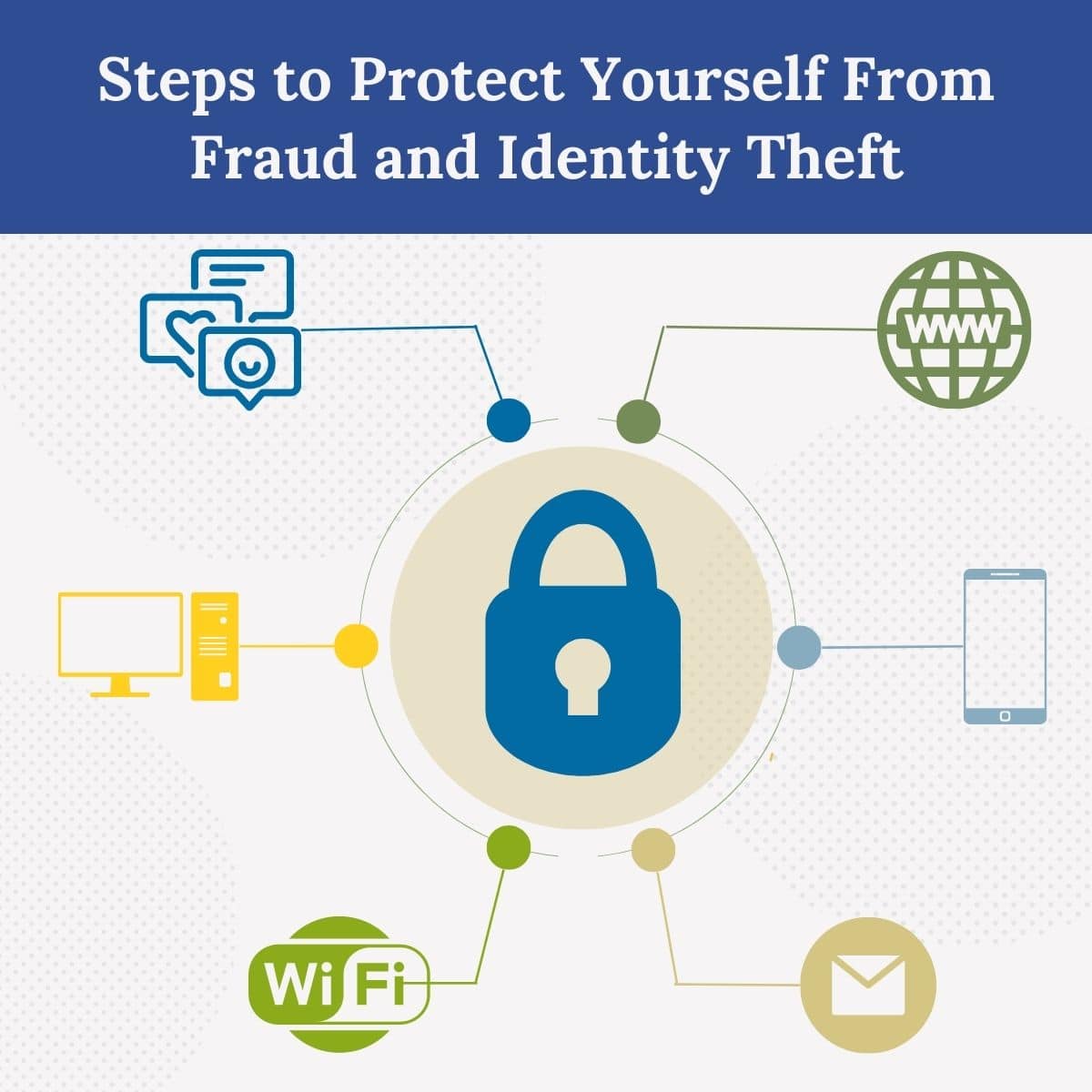
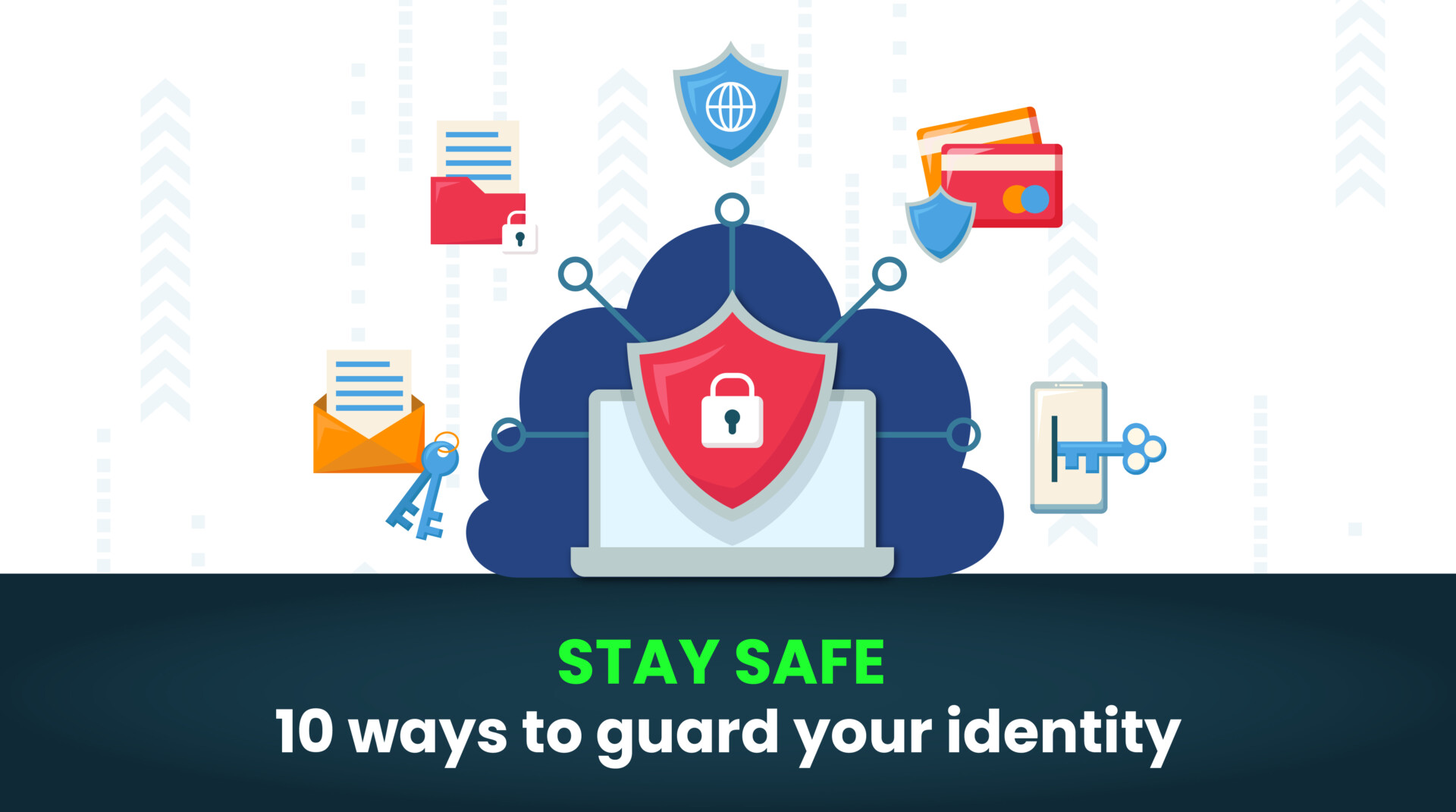
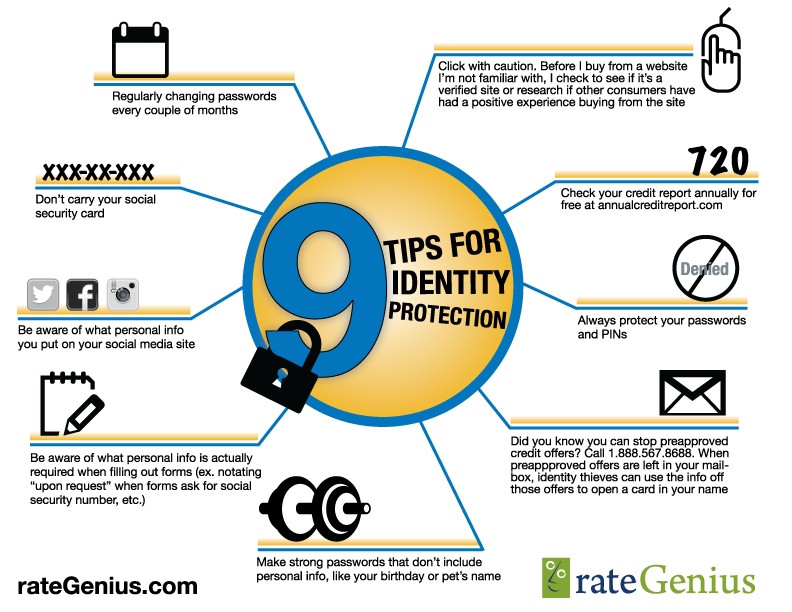
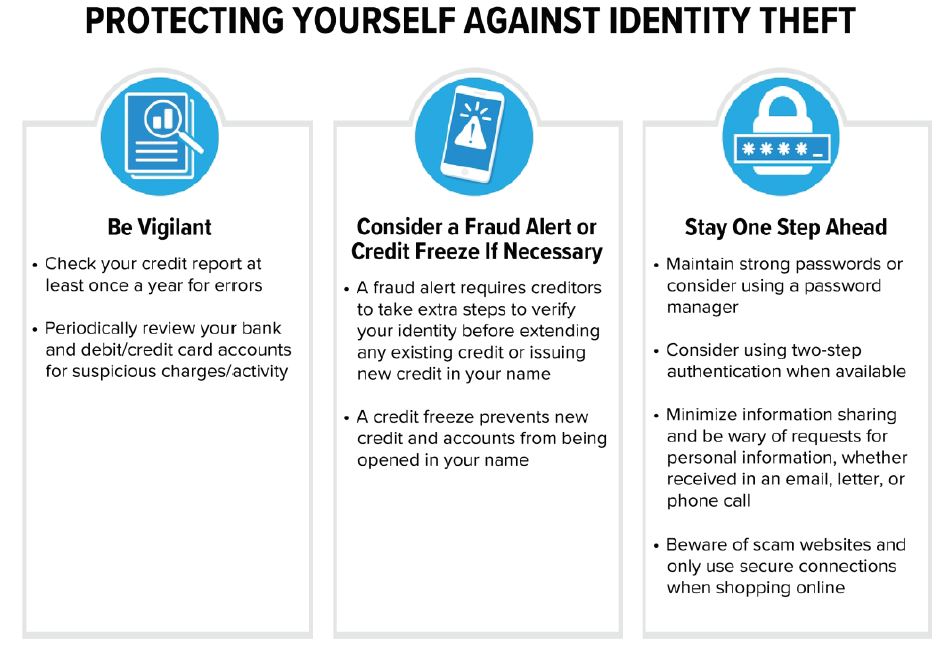
The good news is that there are many ways to protect your identity from identity thieves. Here are some essential tips to get you started:
- Shred sensitive documents: Get into the habit of shredding papers and documents with personal information, such as your Social Security number, birth certificate, or credit card statements.
- Use a password manager: Invest in a reputable password manager to generate unique, complex passwords for each of your accounts.
- Enable two-factor authentication: This adds an extra layer of security to your accounts, making it harder for thieves to gain access.
- Monitor your credit reports: Request your credit reports from the three major credit bureaus (Experian, TransUnion, and Equifax) and review them for any unfamiliar accounts or activity.
- Freeze your credit: You can freeze your credit reports with the credit bureaus to prevent identity thieves from opening new accounts in your name.
- Use a secure internet connection: Avoid using public Wi-Fi or unsecured networks to access sensitive information.
- Be cautious with phishing scams: Never respond to unsolicited emails or messages asking for personal or financial information.
Additional Tips for Parents
As a parent, it's essential to take steps to protect your child's identity from identity thieves. Here are some additional tips:
- Maintain a child's credit report: You can get a child's credit report from the credit bureaus to ensure it's clean and has no errors.
- Monitor your child's online activity: Keep an eye on your child's online activities, social media, and email accounts.
- Teach your child about online safety: Educate your child about the risks of identity theft and the importance of keeping their personal information private.
What to Do If You're a Victim of Identity Theft
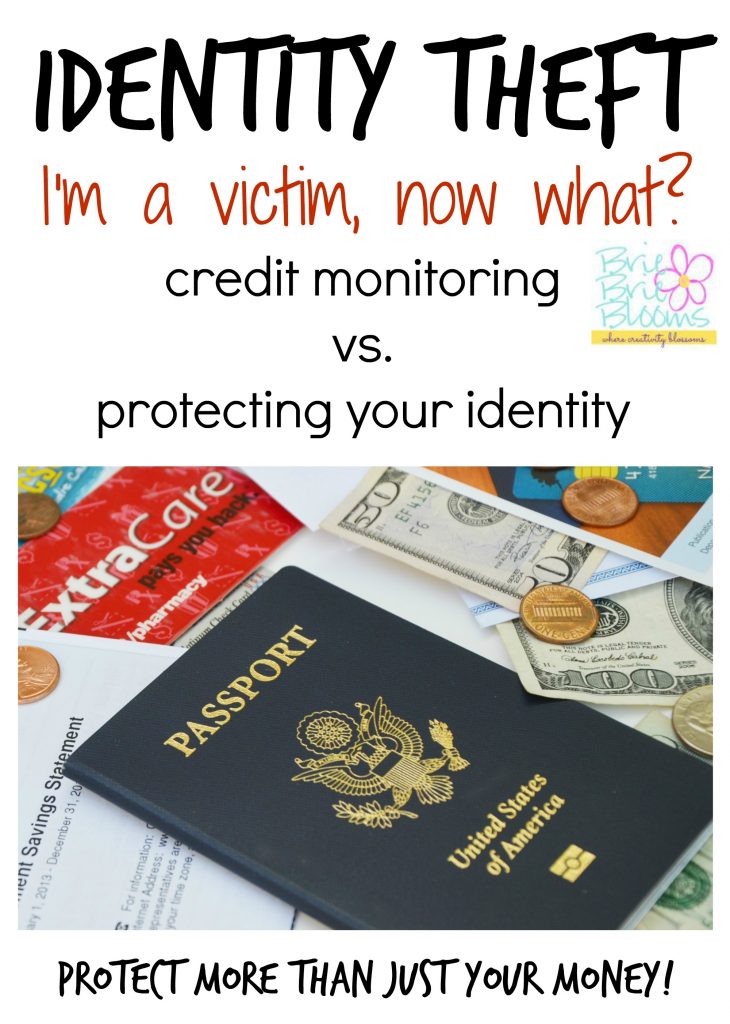
If you suspect you're a victim of identity theft, take the following steps:
- Notify your bank and credit cards: Immediately contact your bank and credit card companies to report the theft and request a freeze on your accounts.
- Request a credit report: Get a credit report from the three major credit bureaus and review it for any unfamiliar accounts or activity.
- Report the identity theft: File a report with the Federal Trade Commission (FTC) and your local police department.
- Change passwords and security questions: Update your passwords and security questions to prevent further access to your accounts.
- Consider identity theft protection services: Invest in a reputable identity theft protection service that offers benefits such as credit monitoring, insurance, and assistance with resolving identity theft incidents.
Protecting yourself from identity thieves requires ongoing vigilance and proactive measures. Stay informed, be cautious, and take the necessary steps to safeguard your personal and financial information.