Screen Time Limits in Schools: A Growing Concern
The debate over screen time limits in schools has reached a boiling point, with states introducing legislation to restrict device use in classrooms and pediatric researchers rethinking the impact of digital environments on child development.
The Rationale Behind the Push for Screen Time Limits
As our reliance on technology grows, so do concerns about its effects on children's physical and mental health. Excessive screen time has been linked to a range of problems, including obesity, social isolation, and decreased attention span. The American Academy of Pediatrics warns that kids who spend too much time staring at screens may experience emotional and behavioral problems, such as aggression, anxiety, and low self-confidence.
Legislative Reforms and Proposals
Several states have introduced bills to limit screen time in schools, including a proposed measure in Alabama that would restrict daily screen use in public schools and cap recreational screen time at one hour per day. In Tennessee, Senate Bill 2310 would require local educational agencies and charter schools to adopt policies that minimize screen time and increase in-person, teacher-led instruction for students in kindergarten through fifth grade.
The Impact of Screen Time on Academic Performance
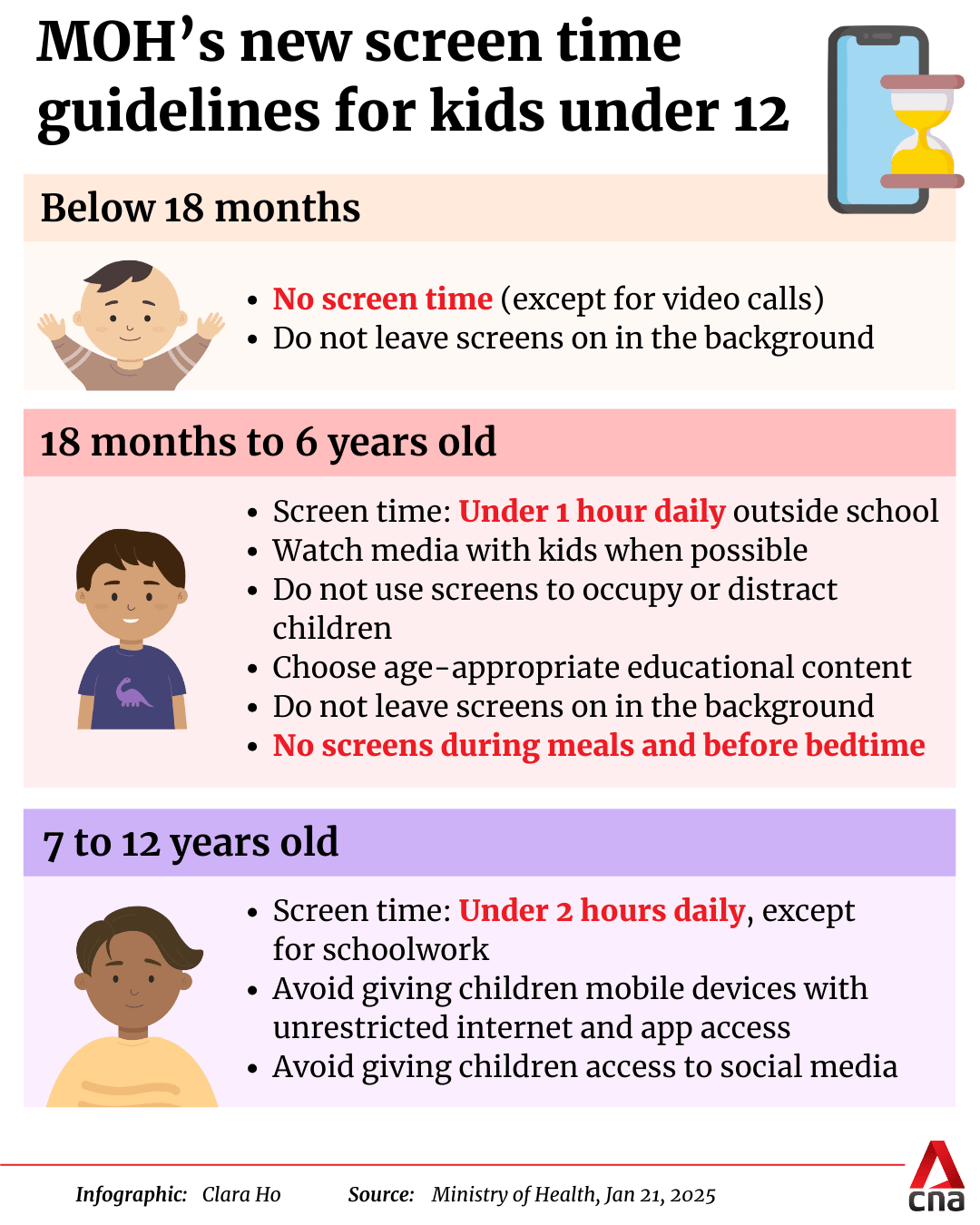
While technology can be a valuable tool in the classroom, excessive screen time has been linked to decreased academic performance. A study found that increased screen time can lead to emotional and behavioral problems, and kids with those problems often turn to screens to cope. Furthermore, a significant aspect of the Karnataka draft policy involves limiting leisure screen time to one hour daily, excluding educational purposes.
What Are the Benefits of Screen Time Limits?
By implementing screen time limits, schools can promote healthier habits and reduce dependency on digital devices. A study by Noetel and colleagues found that increased screen time can lead to socioemotional problems, and kids with those problems often turn to screens to cope. By limiting screen time, schools can help children develop essential skills like critical thinking, problem-solving, and social interaction.
What Can Parents Do?
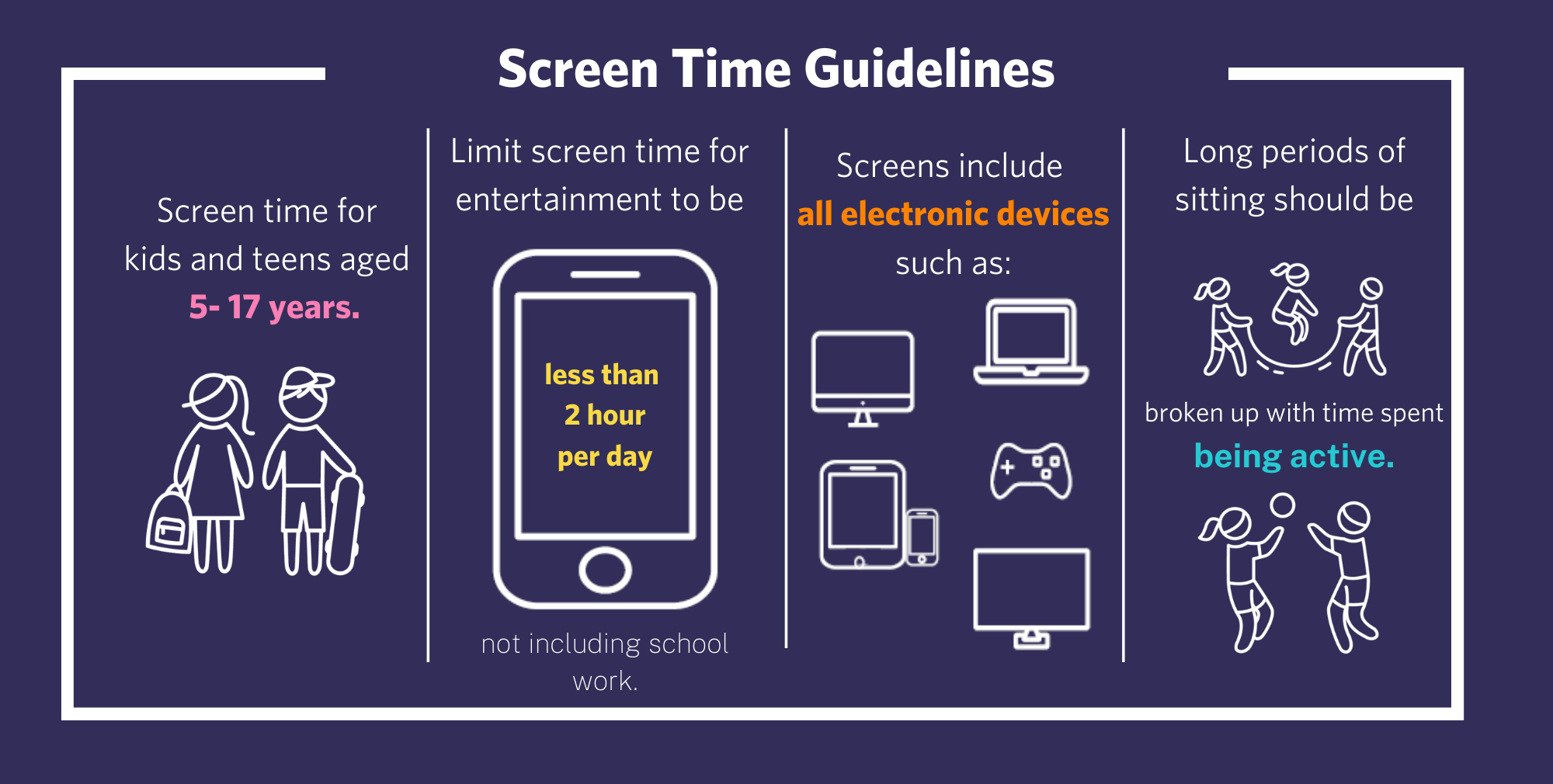
Parents can also take steps to promote healthy screen use habits in their own households. By setting screen time limits and establishing rules around device use, parents can help their children develop responsible digital habits. Additionally, parents can encourage children to engage in offline activities, such as reading, outdoor play, or creative pursuits.
Challenges and Controversies
However, the push for screen time limits in schools is not without its challenges and controversies. Some experts argue that technology can be a valuable tool in the classroom, especially for students with special needs or those who require extra support. Others argue that screen time limits may unfairly restrict the learning options available to certain students.
Conclusion
The debate over screen time limits in schools is complex and multifaceted. While there are valid concerns about the impact of excessive screen time on child development, there are also valid arguments in favor of technology's role in the classroom. By striking a balance between technology use and off-screen activities, schools can promote healthier habits and help children develop essential skills like critical thinking and problem-solving.
Screen Time Limits in Schools: What the Statistics Say
- 75% of children aged 2-12 own a mobile device. (Source: Pew Research)
- Children aged 8-18 spend an average of 7 hours and 38 minutes per day using screens, compared to just 4 minutes in the 1990s. (Source: Common Sense Media)
- Excessive screen time has been linked to a range of problems, including obesity, social isolation, and decreased attention span. (Source: American Academy of Pediatrics)
Setting Screen Time Limits: Tips and Strategies
If you're looking to limit screen time in your household, here are some practical tips and strategies to get you started: