Smartphone Addiction: Understanding the Symptoms and Causes
In today's digital age, smartphones have become an integral part of our daily lives. However, an excessive and compulsive use of smartphones has led to a growing concern known as smartphone addiction. Characterized by an irresistible urge to check and use smartphones, despite negative consequences, smartphone addiction has become a significant issue affecting individuals across all age groups.Symptoms of Smartphone Addiction
Before we dive into the causes and effects of smartphone addiction, it's essential to identify the symptoms that may indicate the presence of this addiction. Some common signs of smartphone addiction include:- Neglecting responsibilities and social activities due to excessive phone use
- Feeling anxious or irritable when unable to access a smartphone
- Experience withdrawal symptoms, such as fatigue, headaches, or difficulty sleeping, when trying to cut down or quit smartphone use
- Using a smartphone as a coping mechanism for stress, anxiety, or other emotions
- Experiencing negative impacts on relationships, work, or daily life due to excessive phone use
The Causes of Smartphone Addiction
So, what drives people to develop smartphone addiction? The primary reasons are:- Instant access to information and social media
- Fear of missing out (FOMO) and the need for constant social validation
- Stress relief and escapism
- Dopamine release and the associated pleasure
- Social and cultural pressures
The Effects of Smartphone Addiction
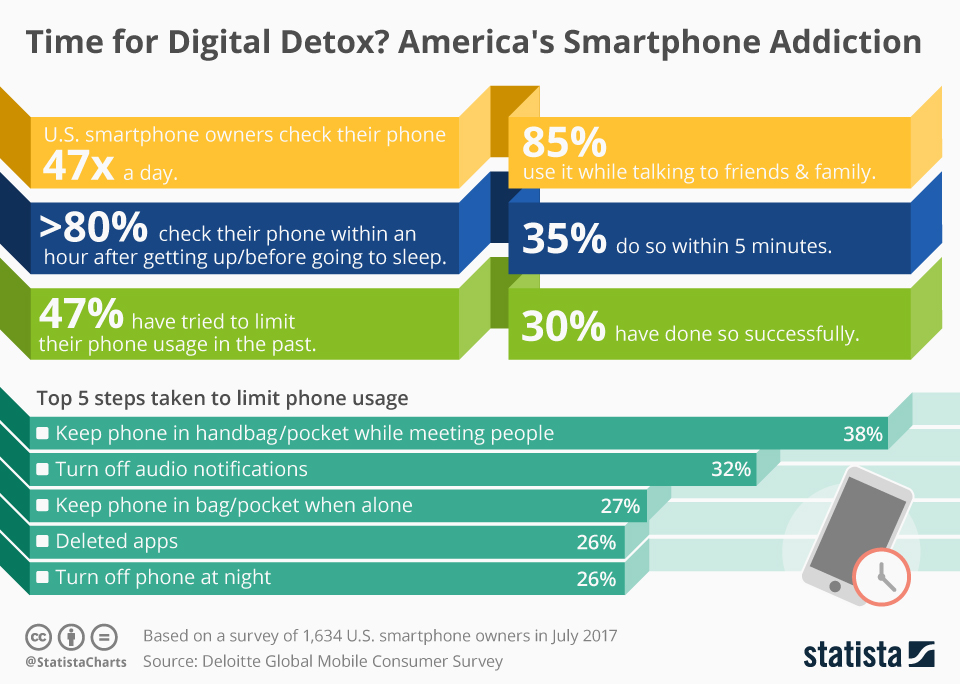
- Impaired cognitive function and memory loss
- Mental health issues such as anxiety, depression, and sleep disorders
- Physical health problems like headaches, eye strain, and carpal tunnel syndrome
- Negative impacts on relationships and social connections
- Decreased productivity and reduced attention span
Breaking the Cycle of Smartphone Addiction
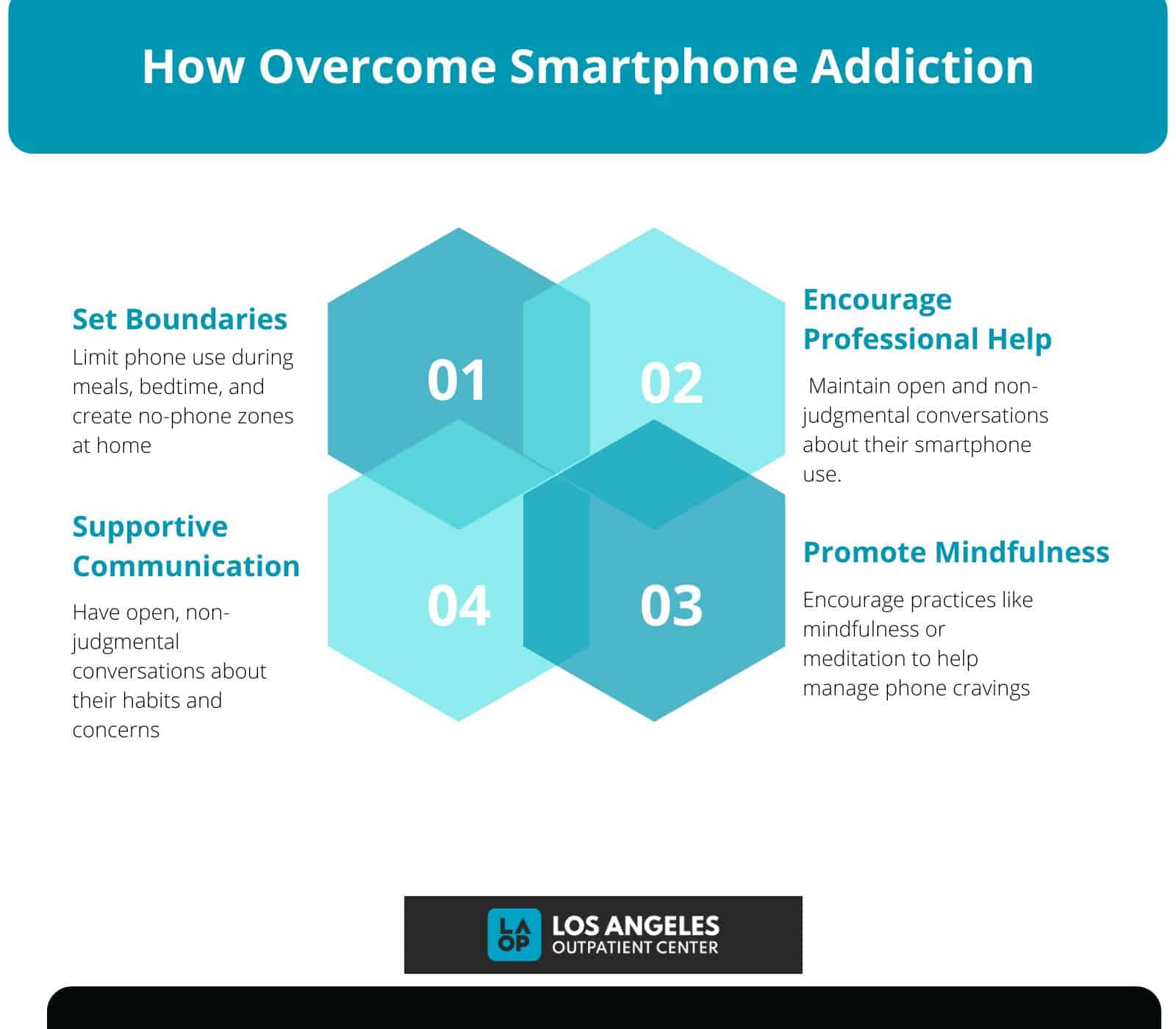
Fortunately, overcoming smartphone addiction is possible. Here are some strategies to help you break the cycle:- Set boundaries and establish phone-free zones in your home and work
- Use phone-tracking apps to monitor and limit your screen time
- Replace phone use with alternative activities like reading, exercise, or hobbies
- Practice self-regulation techniques such as meditation and mindfulness
- Seek professional help if you're struggling with severe addiction or related mental health issues