Dopamine Loops and Habits: Understanding the Science Behind Our Daily Behaviors
Have you ever found yourself stuck in a cycle of habits that you just can't seem to break? Whether it's mindlessly scrolling through your phone, reaching for a snack, or engaging in other compulsive behaviors, you're not alone. The truth is, our brains are wired to respond to certain stimuli in predictable ways, and understanding the science behind dopamine loops and habits can help us take control of our daily behaviors.
The Dopamine Loop: A Cycle of Reward and Habit
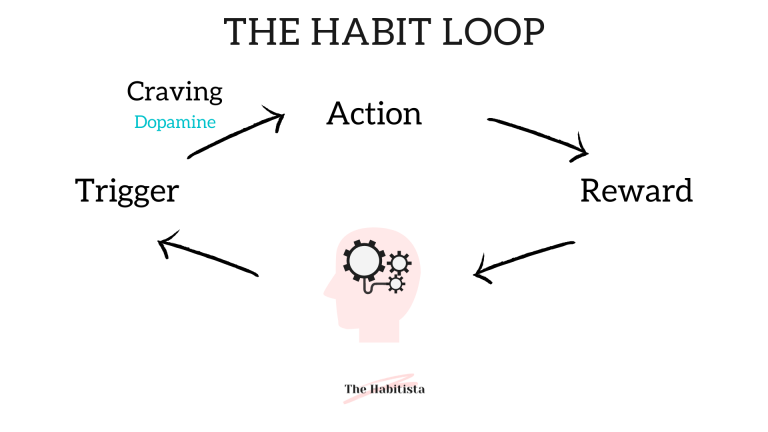
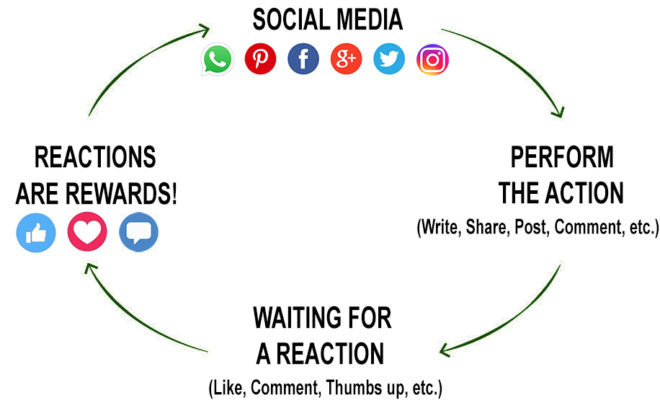
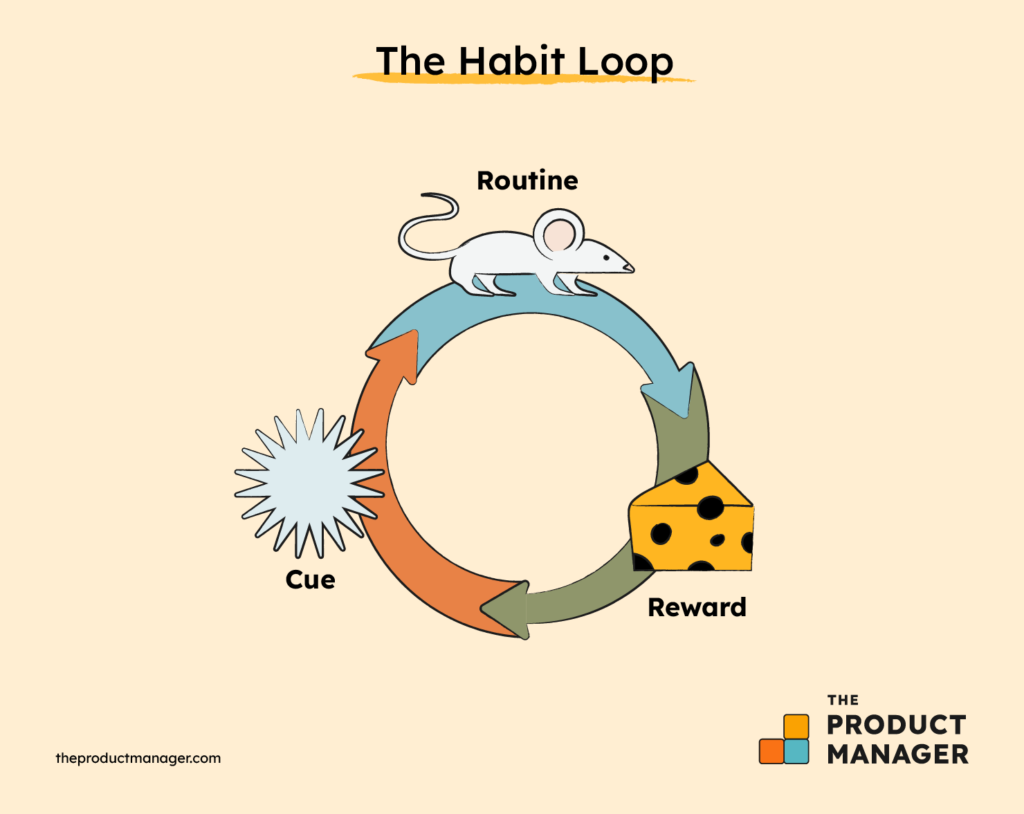
When we engage in a behavior that releases dopamine, a neurotransmitter associated with pleasure and reward, our brains create a feedback loop. This loop is made up of three key components: cues, cravings, and neural pathways. Cues are the triggers that set off the loop, such as the sound of a refrigerator opening or the sight of a phone screen. Cravings are the intense desire to engage in the behavior, and neural pathways are the connections in the brain that reinforce the behavior over time.
How Dopamine Loops Shape Our Habits
Research has shown that dopamine loops play a significant role in shaping our habits. When we repeat a behavior, the neural pathways associated with that behavior become stronger, making it easier to engage in the behavior again in the future. This is why habits can be so difficult to break – our brains have created a loop that reinforces the behavior, making it feel automatic and hard to resist.
Breaking Bad Habits: Understanding the Dopamine Loop
Breaking bad habits isn't a failure of willpower – it's a result of how our brains' dopamine systems wire behaviors into automatic loops. By understanding how cues, cravings, and neural pathways work together, we can retrain our brains and build healthier habits with intention, patience, and strategy.
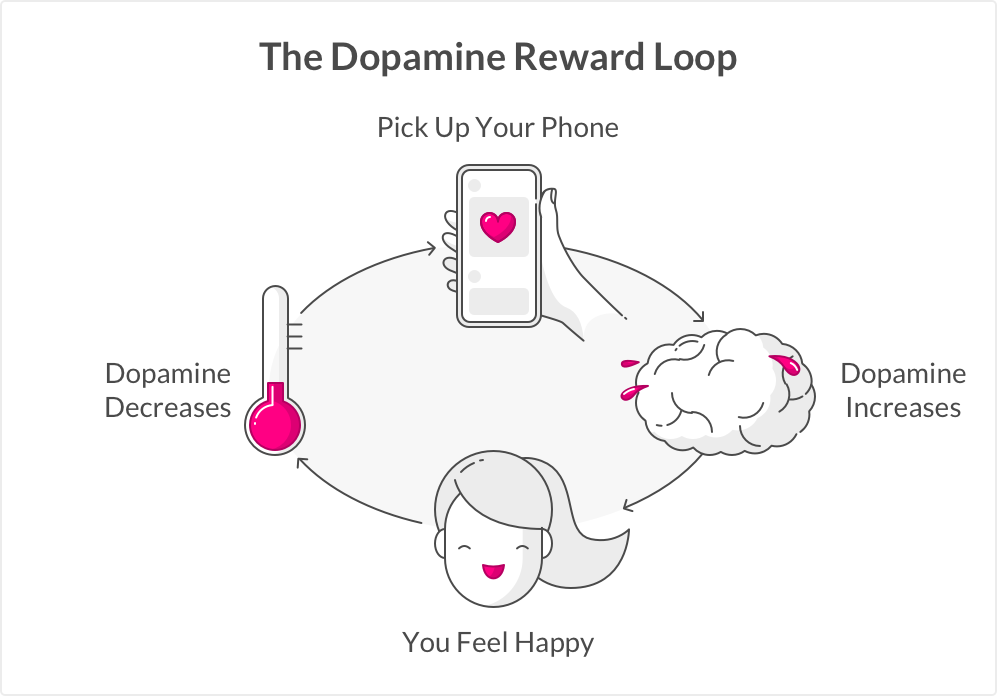
The Role of Dopamine in Habit Learning and Performance
Establishing the neural bases of habits and the role of dopamine in habit learning and performance is essential to understanding how our brains create and reinforce habits. By exploring the neural mechanisms behind habit formation, we can develop strategies to break bad habits and build new, healthier ones.
Breaking the Dopamine Loop: Strategies for Change
So, how can we break the dopamine loop and create healthier habits? Here are a few strategies to get you started:
- Identify your cues: Become aware of the triggers that set off your dopamine loop, and try to avoid or replace them with healthier alternatives.
- Build new neural pathways: Engage in new behaviors that release dopamine in a positive way, such as exercise or creative activities.
- Practice mindfulness: Pay attention to your thoughts and feelings, and try to stay present in the moment.
- Seek support: Share your struggles with a friend or family member, and ask for their support in breaking your bad habits.
Conclusion
Understanding dopamine loops and habits can be a powerful tool for creating positive change in our lives. By recognizing the cues, cravings, and neural pathways that drive our behaviors, we can break the cycle of bad habits and build healthier, more intentional habits. Remember, breaking bad habits takes time and effort, but with the right strategies and support, you can overcome even the most stubborn habits and create a more fulfilling life.



:max_bytes(150000):strip_icc()/can-you-get-addicted-to-dopamine-5207433-ADD-Color-bcfbd83f2cc148aba1b2c0b130166ff8.jpg "7 Health Benefits of Breaking the Dopamine Loop and Healing Cortisol ...")