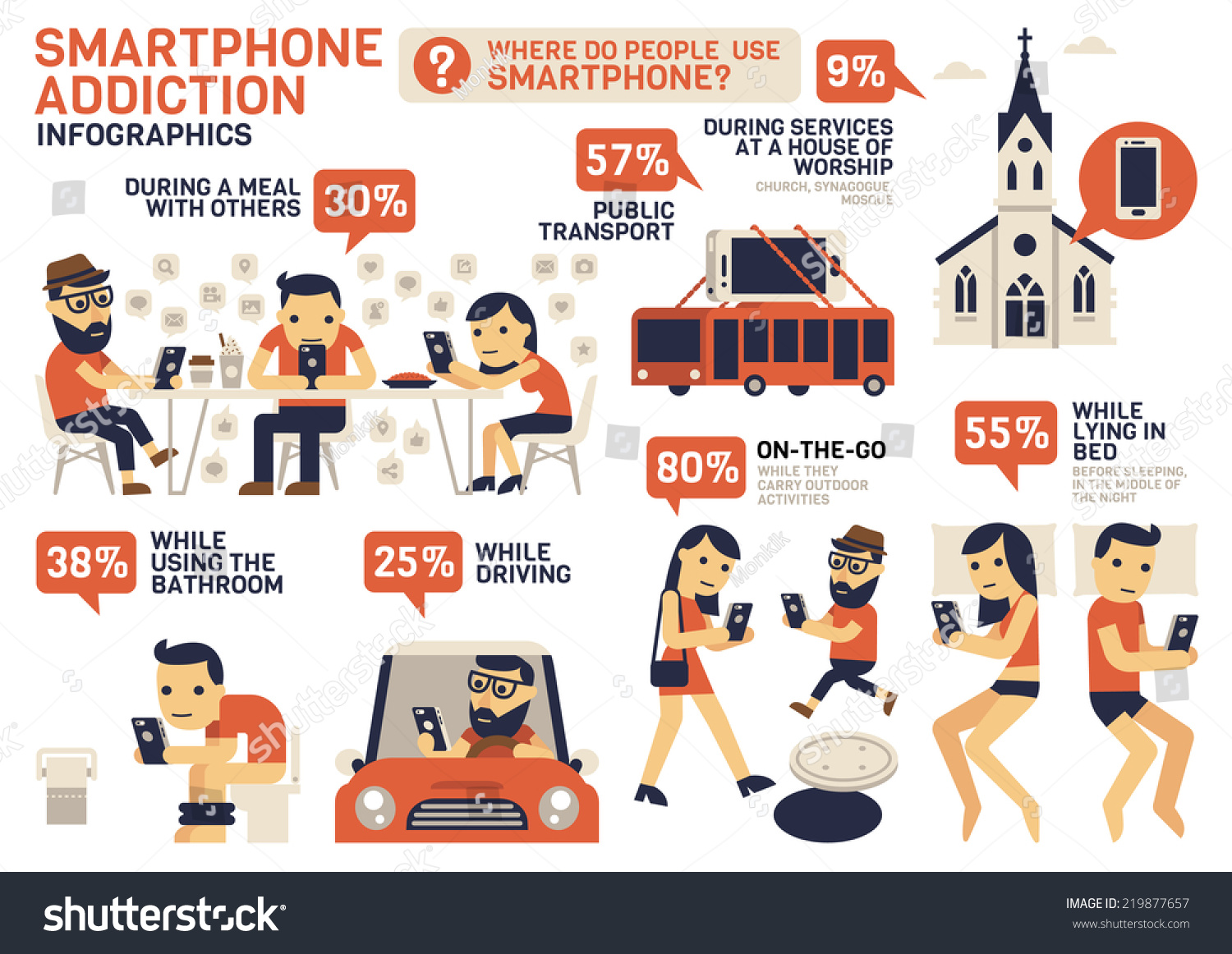
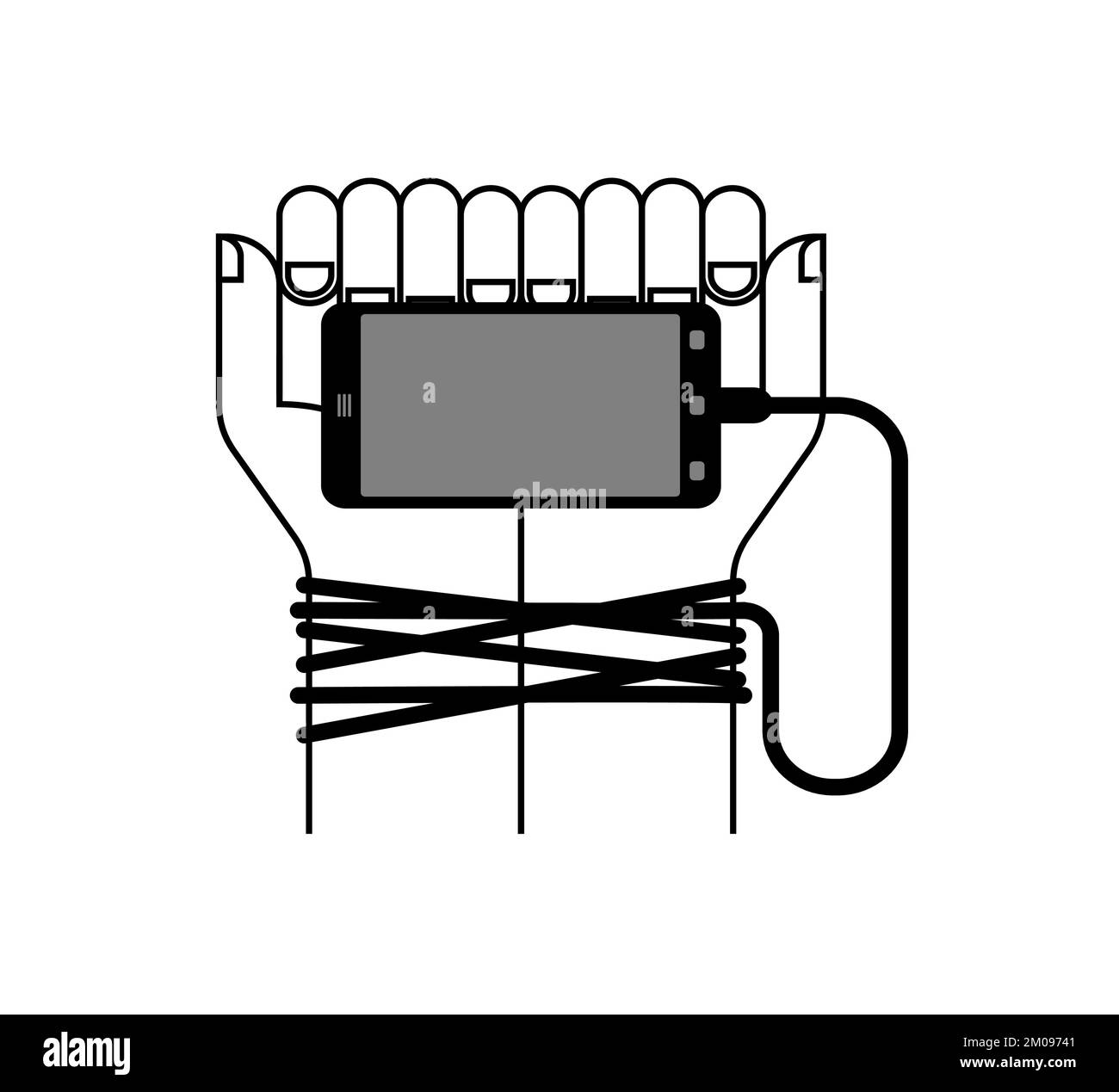
Smartphone Gadget Addiction: Understanding the Risks and Consequences
The rise of smartphones and social media has brought about significant changes in our society, with profound implications for mental health. While smartphones have transformed the way we communicate, learn, and entertain ourselves, their omnipresence can lead to compulsive use and a sense of dependency.
The Psychology of Smartphone Addiction
Smartphone addiction is a behavioral addiction characterized by an excessive and compulsive use of smartphones, often at the expense of personal, social, or professional responsibilities. People with a smartphone addiction may experience anxiety, agitation, and disorientation if they are unable to use their smartphone. This behavior is closely related to other forms of digital media overuse, such as social media addiction or internet addiction disorder.
The Consequences of Excessive Smartphone Use
Excessive smartphone use has been linked to various negative consequences, including:
- Impaired cognitive functioning and decreased productivity
- Poor sleep quality and increased risk of sleep disorders
- Decreased face-to-face social interaction and increased risk of loneliness
- Reduced attention span and increased risk of attention deficit hyperactivity disorder (ADHD)
- Increased risk of depression, anxiety, and other mental health disorders
Breaking the Cycle of Smartphone Addiction
Breaking the cycle of smartphone addiction requires a comprehensive approach that involves setting boundaries, establishing healthy habits, and seeking support when needed. Here are some strategies to help you overcome smartphone addiction:
- Set screen time limits and schedule phone-free times throughout the day
- Establish a pre-bedtime routine that involves disconnecting from your smartphone
- Engage in physical activities and hobbies that promote relaxation and stress relief
- Seek support from friends, family, or a therapist who can help you address underlying issues
- Consider using apps or tools that help you track and manage your smartphone use
The Importance of Parental Involvement
Parents play a critical role in preventing smartphone addiction in children. By setting clear boundaries, monitoring smartphone use, and modeling healthy behavior, parents can help their children develop a healthy relationship with technology. Here are some tips for parents:
- Set rules and guidelines for smartphone use and enforce them consistently
- Monitor your child's smartphone use and engage in conversations about their online activity
- Model healthy behavior by limiting your own smartphone use
- Encourage physical activities and hobbies that promote relaxation and stress relief
Conclusion
Smartphone gadget addiction is a growing concern that affects individuals and families worldwide. By understanding the risks and consequences of excessive smartphone use, setting boundaries, and seeking support when needed, we can break the cycle of addiction and develop a healthier relationship with technology. As parents, educators, and individuals, it is essential that we prioritize mental health, social responsibility, and digital literacy to create a healthier and more balanced society.