Unlocking Clear Skin: A Comprehensive Guide to Acne Treatment for Fungal Acne on Face
Fungal acne, also known as pityrosporum folliculitis or Malassezia folliculitis, is a skin condition characterized by an overgrowth of yeast on the skin that can lead to folliculitis, an infection of the tiny hair follicles. This infection results in small lesions or red bumps that resemble regular acne. When it comes to treating fungal acne on the face, understanding the causes and prevention methods is crucial for achieving clear skin.
What is Fungal Acne?
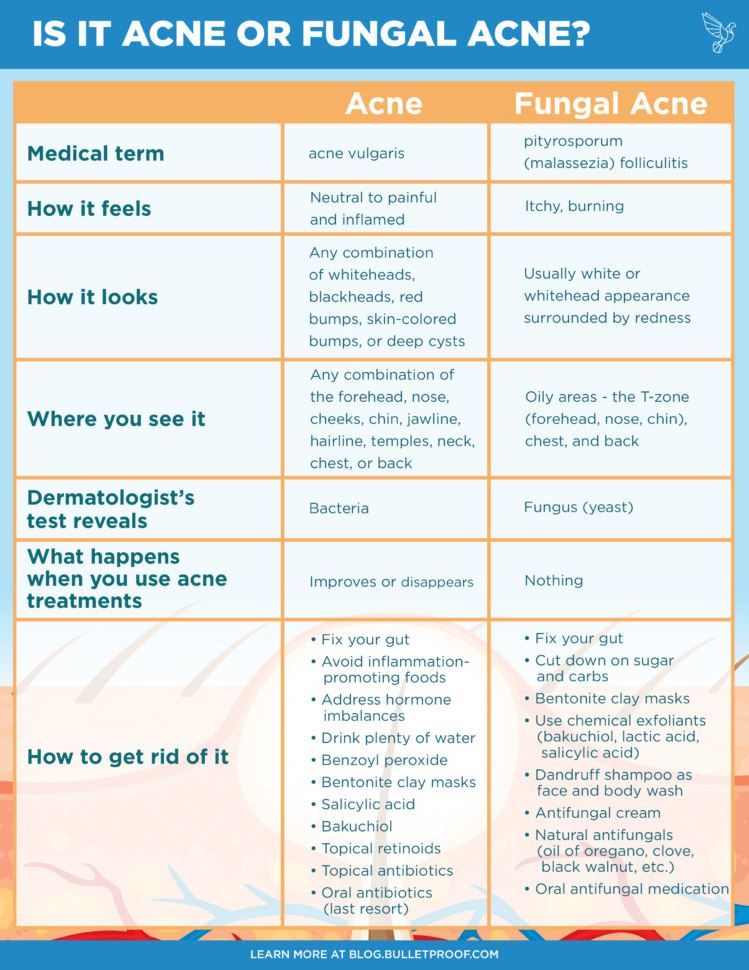
Fungal acne affects the skin's hair follicles, causing an infection in the follicle that typically results in pimples. Unlike bacterial acne, fungal acne is caused by an overgrowth of a normal skin yeast, making it essential to identify and treat it differently.
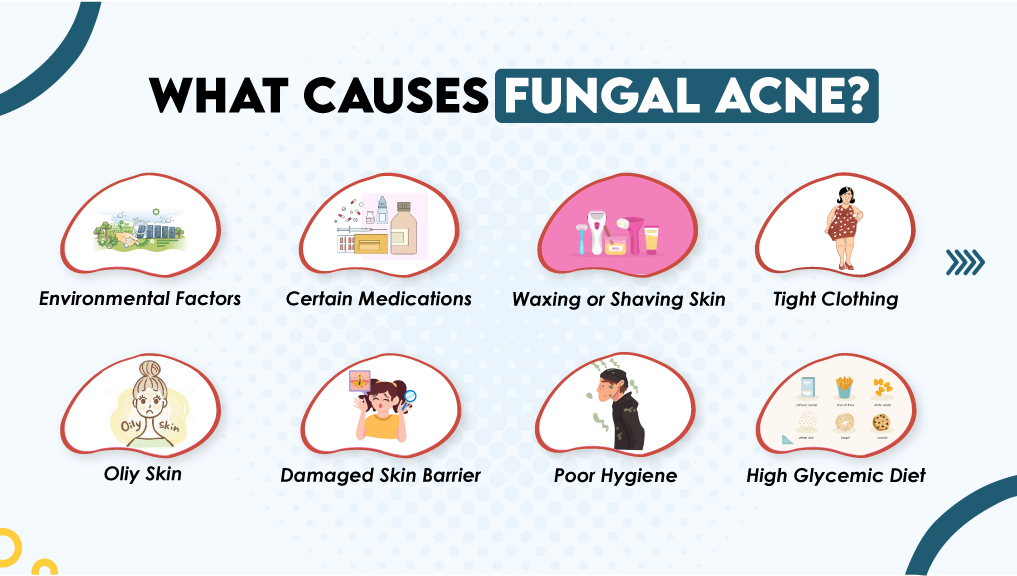
Causes and Risk Factors of Fungal Acne
- Overgrowth of Malassezia yeast: Malassezia is a type of yeast that naturally exists on everyone's skin. However, when it overgrows, it can lead to fungal acne.
- Damaged or blocked hair follicles: When hair follicles become damaged or blocked, it creates an ideal environment for the Malassezia yeast to overgrow and trigger inflammation.
- Sweating and tight clothing: Excessive sweating and wearing tight clothing can create a humid environment that fosters the growth of Malassezia yeast.
- Antibiotic use: Using antibiotics to treat bacterial acne can disrupt the skin's natural balance and lead to an overgrowth of Malassezia yeast.
Identifying Fungal Acne
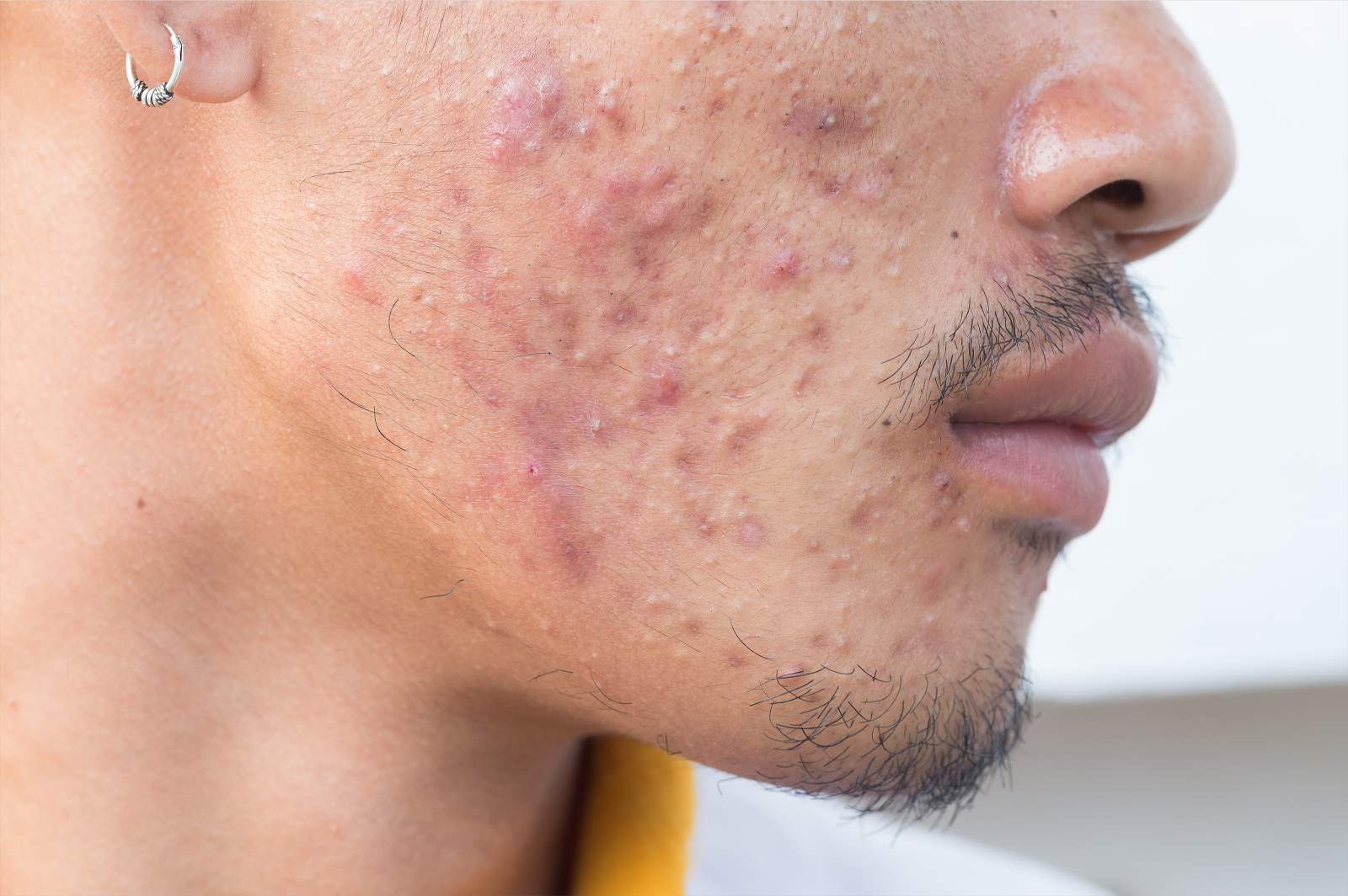
Fungal acne can be challenging to identify, but there are some telltale signs to look out for:
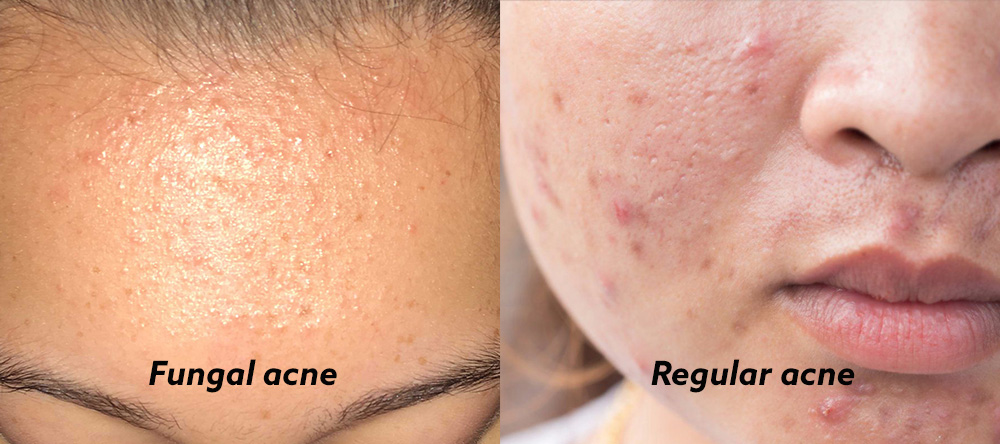
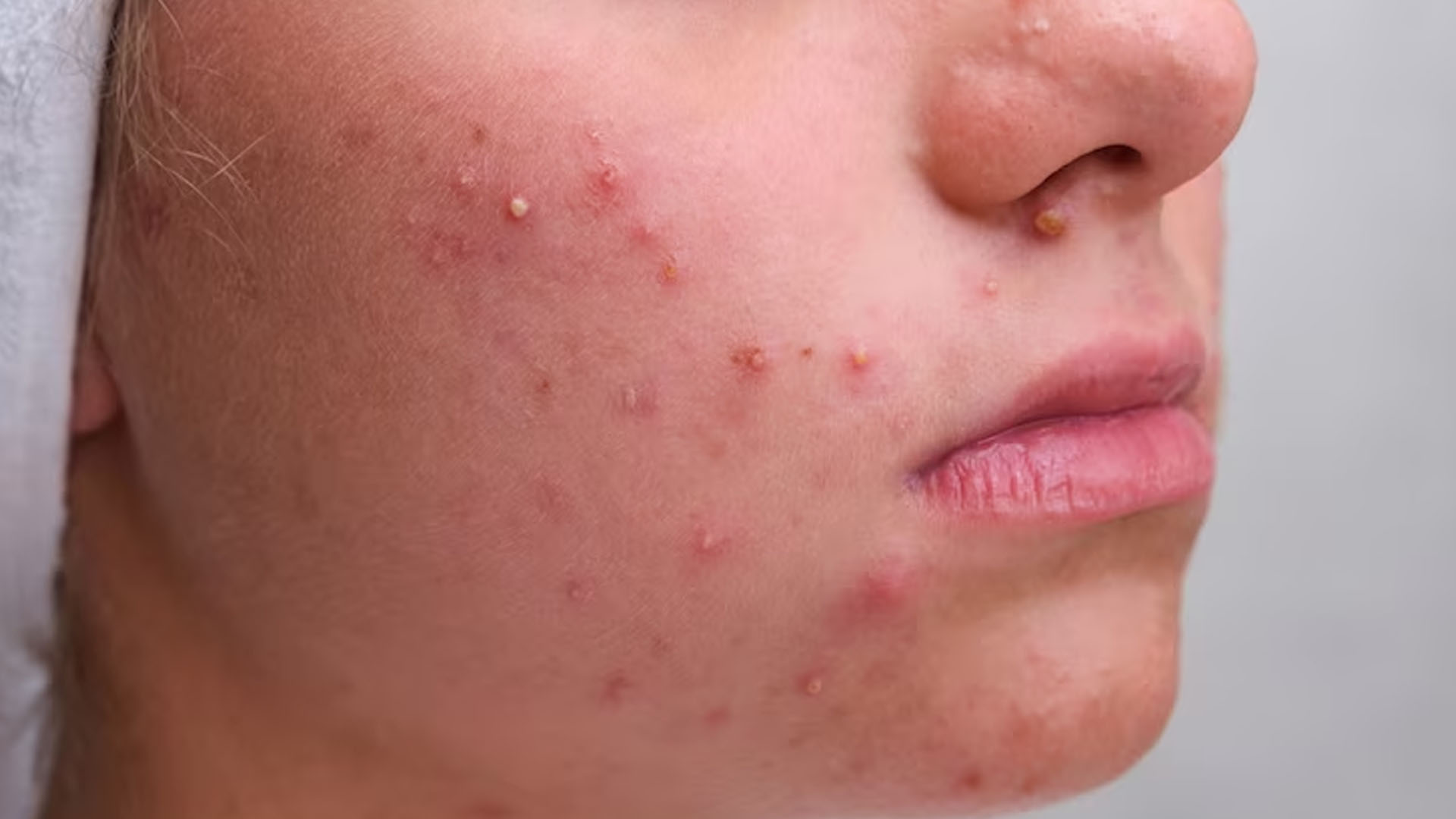
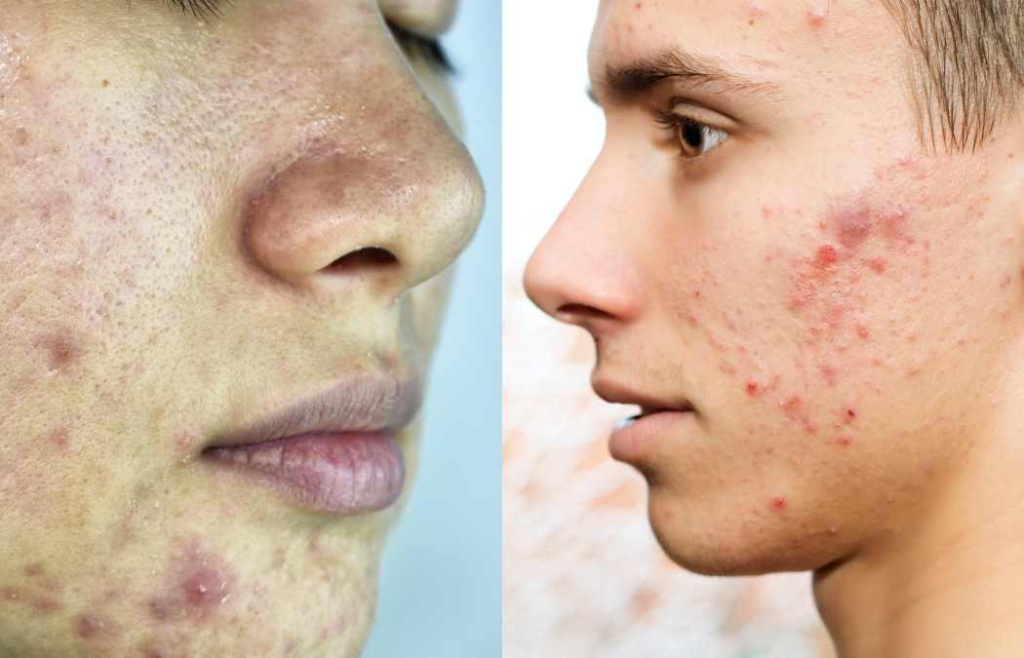
- Small, itchy, red bumps: Fungal acne typically presents as small, itchy, red bumps that resemble regular acne.
- Uniform size and distribution: Fungal acne bumps are often uniform in size and distribution, unlike regular acne which can be more varied.
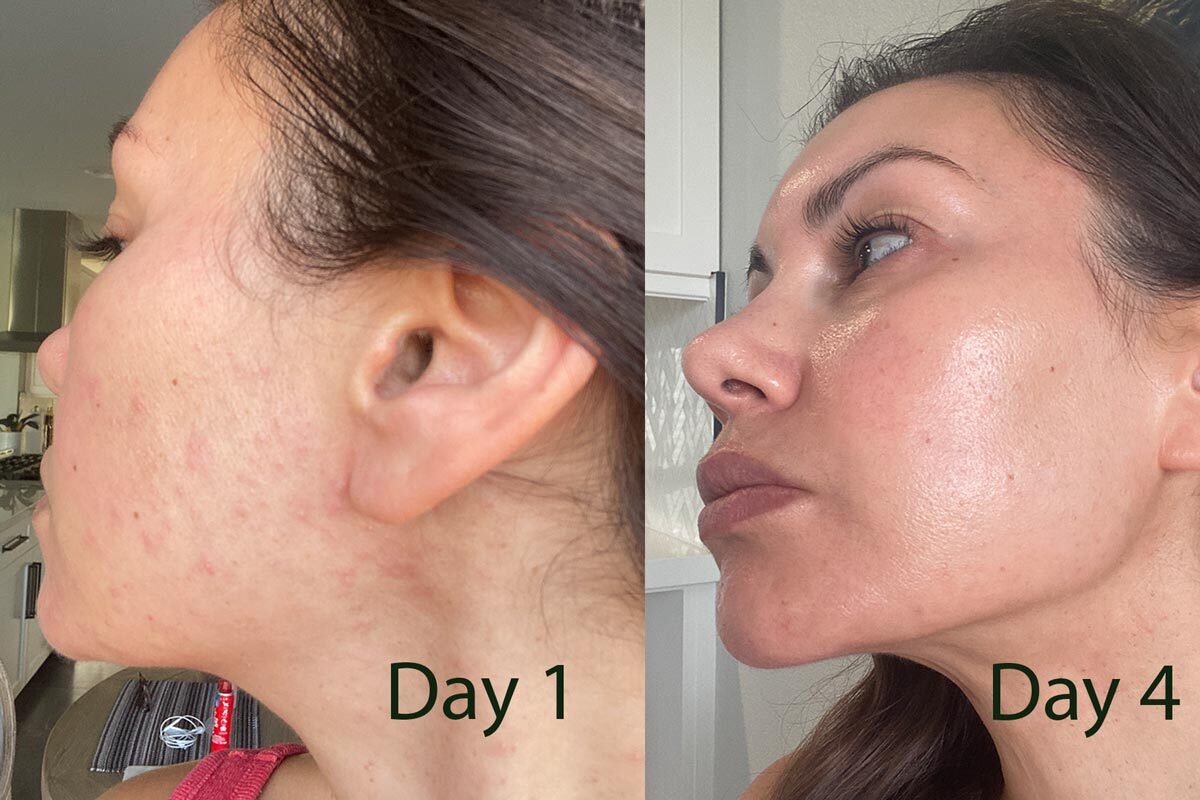
- Relief with antifungal treatment: Fungal acne responds well to antifungal treatments, which can provide relief from symptoms.
Best Acne Treatment for Fungal Acne on Face
For effective treatment of fungal acne on the face, combine topical and lifestyle changes. Topical treatments include antifungal creams and shampoos, while lifestyle changes involve maintaining good hygiene, avoiding tight clothing, and reducing stress.

Topical Treatments for Fungal Acne
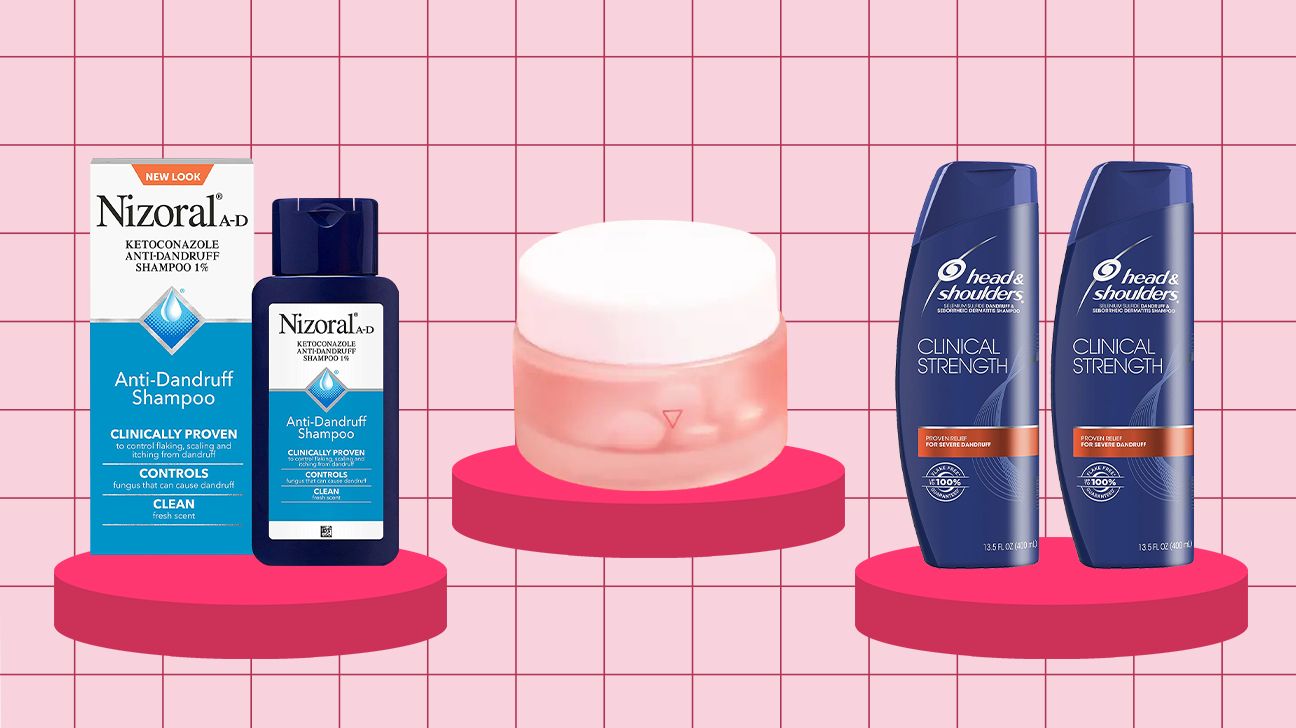
- Antifungal creams and shampoos: Antifungal creams and shampoos containing ingredients like ketoconazole, zinc pyrithione, or selenium sulfide can help control fungal acne.
- Salicylic acid: While salicylic acid is often used to treat regular acne, it is not effective for fungal acne and may even worsen symptoms.
- Tea tree oil: Some studies suggest that tea tree oil may have antifungal properties, but its effectiveness for fungal acne treatment is still being researched.
Prevention and Maintenance
Preventing and maintaining clear skin requires consistent attention to your skin care routine and lifestyle choices. Key prevention strategies include:
- Keeping your skin clean and dry
- Avoiding tight clothing and excessive sweating
- Reducing stress and anxiety
- Using antifungal creams and shampoos as needed
Unlocking Clear Skin: Expert Insights on Fungal Acne Treatment for 2025
Discover expert insights on fungal acne treatment for 2025 and explore effective remedies and long-term prevention strategies to maintain clear, healthy skin. By understanding the causes, prevention methods, and best treatments for fungal acne, you can unlock the secrets to achieving clear skin and a radiant complexion.
Conclusion
Fungal acne is a distinct skin condition that requires separate attention and treatment. By identifying the causes, prevention methods, and best treatments for fungal acne, you can unlock the secrets to achieving clear skin and a radiant complexion. Remember to maintain a consistent skin care routine, avoid tight clothing and excessive sweating, and use antifungal creams and shampoos as needed for effective prevention and treatment of fungal acne.