Wellbeing Tracking for Remote Teams: Strategies for a Healthy Workforce
In today's digital age, remote work has become the norm for many teams around the world. While it offers numerous benefits, such as increased flexibility and productivity, it also presents unique challenges for employee wellbeing and mental health. As a manager of a remote team, it's essential to prioritize wellbeing tracking to ensure the health and happiness of your team members.
Understanding the Importance of Wellbeing Tracking for Remote Teams
The remote work environment can lead to feelings of isolation, disconnection, and burnout. Without regular face-to-face interactions, team members may struggle to maintain a healthy work-life balance. Furthermore, the lack of physical activity and poor nutrition can exacerbate mental health issues, such as depression and anxiety.
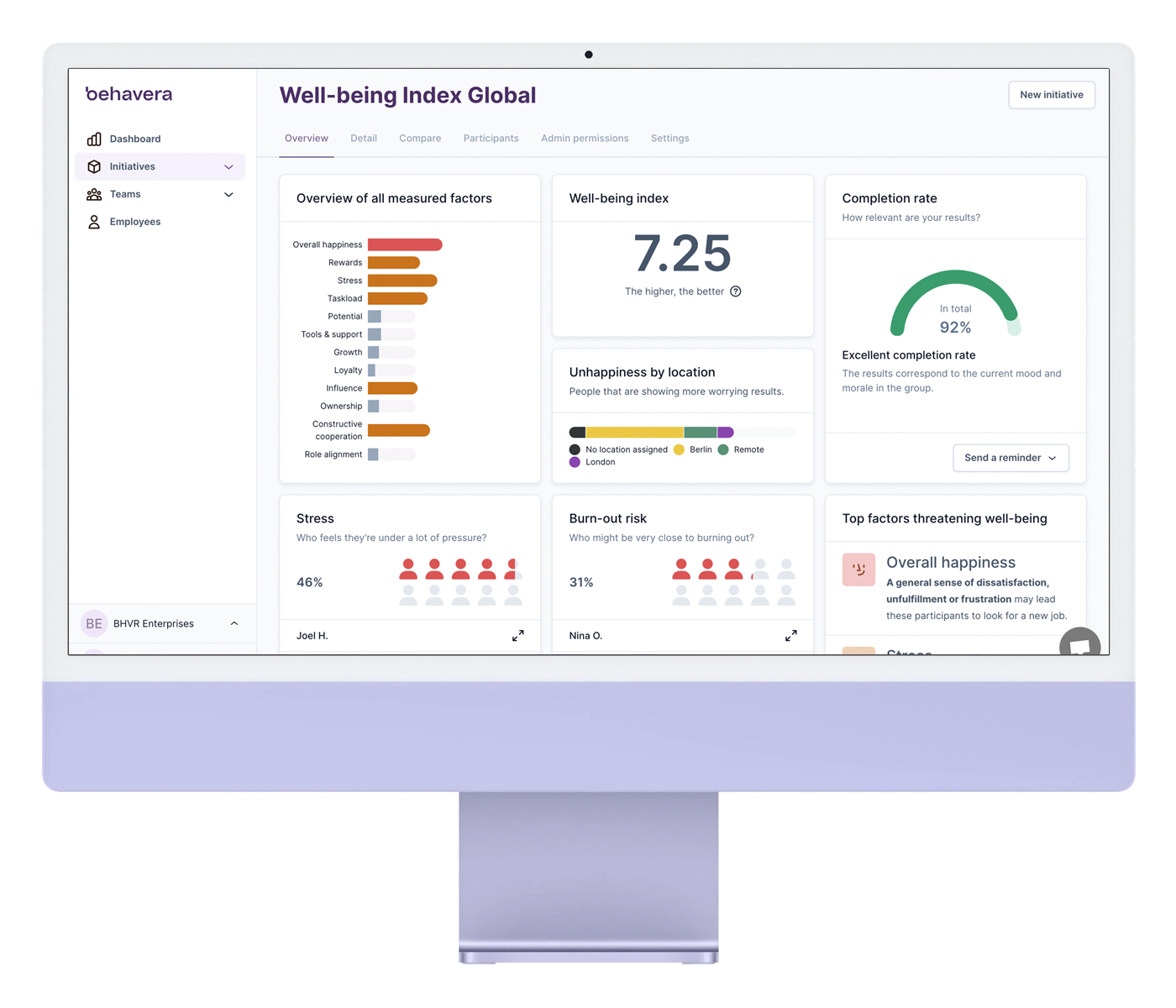
A wellbeing tracking system helps to identify potential issues before they become major problems. By monitoring key indicators, such as stress levels, motivation, inclusion, psychological safety, and alignment, managers can take proactive steps to support their team members' overall wellbeing.
Top Wellbeing Platforms for Distributed Teams
- TeamWell-BeingTracker: A robust platform for monitoring and improving team members' wellbeing
- AlagaHub: A comprehensive wellbeing platform that addresses both physical and mental health
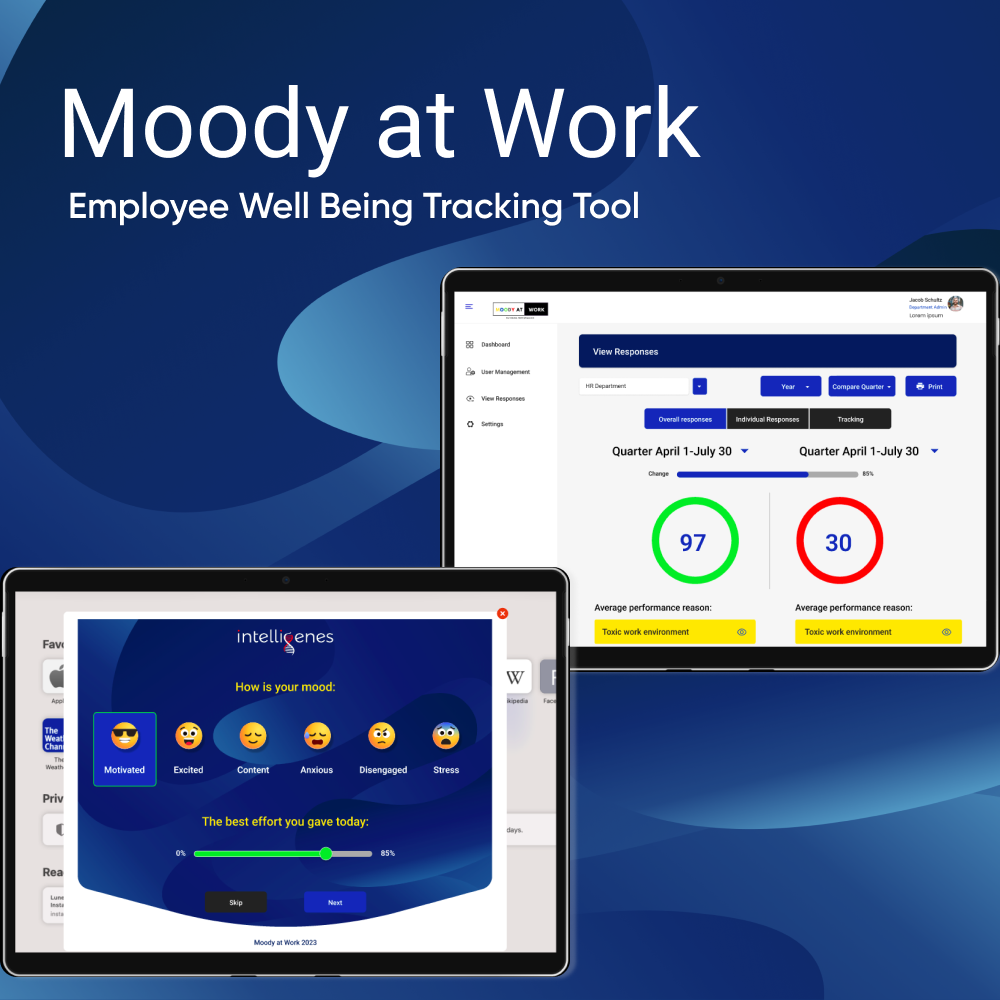
- Kona: A lightweight app that tracks emotional health through daily mood check-ins
- ActivTrak: A remote employee monitoring platform that enhances wellbeing, productivity, and trust
- Limeade Well-Being: A Microsoft Teams-integrated app for personalized wellbeing content and activities
Strategies for a Healthy Remote Team
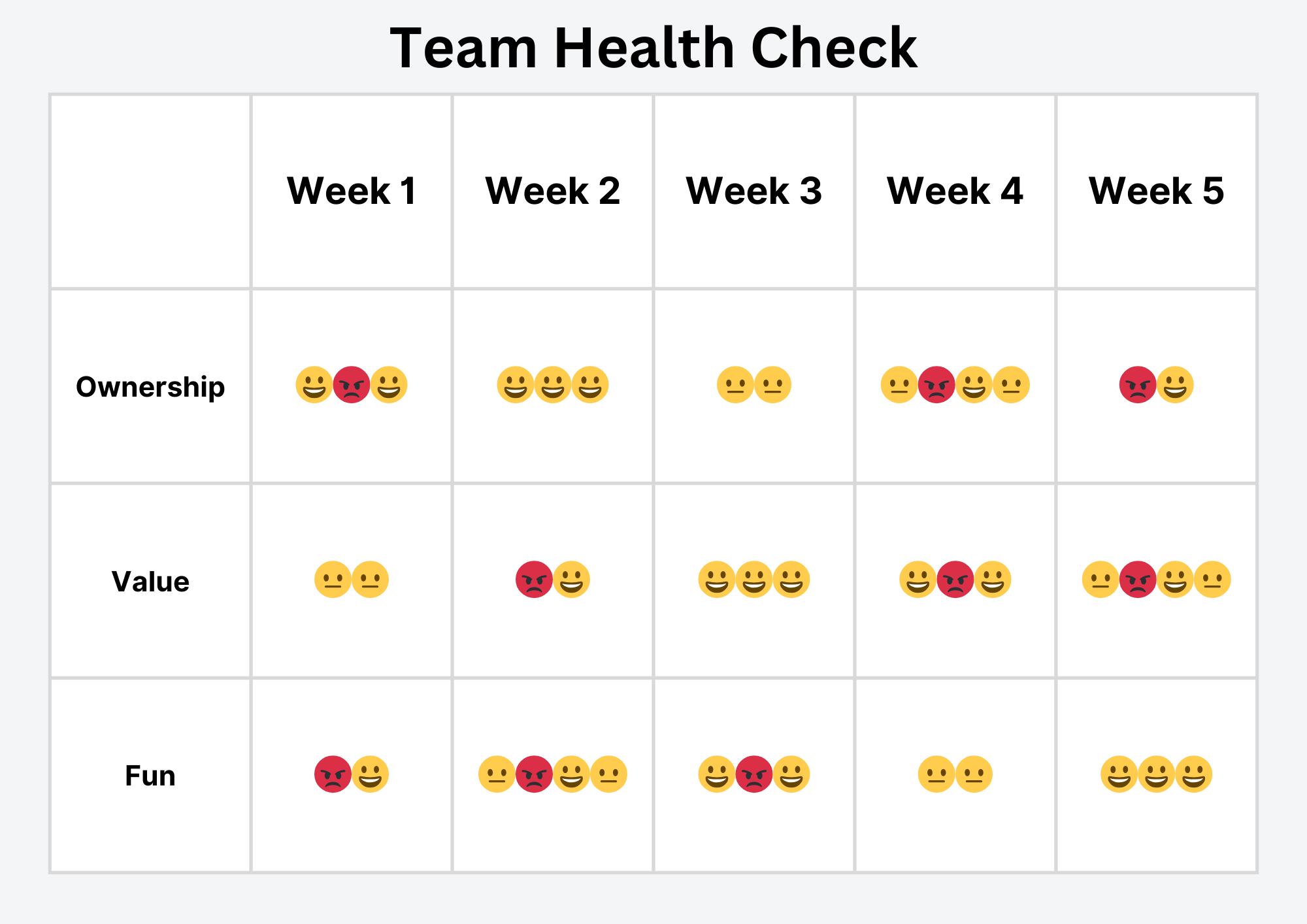
Implementing a wellbeing tracking system is just the first step. To foster a healthy remote team, consider the following strategies:
- Regularly schedule virtual check-ins and team meetings to encourage social interaction and connection
- Provide access to virtual fitness classes, nutrition resources, and mental health support
- Encourage team members to take breaks, practice self-care, and engage in activities that promote relaxation and stress relief
- Develop a culture of open communication, empathy, and inclusivity to ensure team members feel heard and valued
- Monitor productivity and work-life balance metrics to identify areas for improvement
- Develop a comprehensive employee wellbeing program that addresses both physical and mental health
Best Practices for Optimal Health and Productivity
By prioritizing wellbeing tracking and implementing strategies to support team members' health and happiness, managers can unlock the full potential of their remote workforce. Some best practices include:
- Clear communication: Regularly schedule virtual check-ins and encourage team members to ask questions and share concerns
- Ergonomic support: Ensure team members have access to comfortable and safe workspaces, even if they're working from home
- Mental health resources: Provide access to virtual mental health support, wellness programs, and employee assistance programs (EAPs)
- Recognition and rewards: Celebrate team members' achievements and provide incentives for meeting wellbeing goals
- Employee feedback: Regularly solicit feedback and suggestions from team members to improve wellbeing initiatives
Conclusion
Wellbeing tracking for remote teams is a vital aspect of managing a healthy and productive workforce. By understanding the importance of wellbeing tracking, utilizing top wellbeing platforms, and implementing strategies for a healthy remote team, managers can create a culture of positivity, inclusivity, and wellness. Remember, a happy and healthy team member is a productive and successful one.