Understanding Why Employees Engage in Phone Phubbing: A Complex Issue
Phone phubbing, or the act of choosing your phone over people in your presence, has become a pervasive issue in the workplace. This phenomenon is not limited to employees but also encompasses supervisors and managers who engage in boss phubbing, which has severe consequences on employee engagement, job satisfaction, and overall performance. In this article, we will delve into the complexities of phone phubbing, exploring the psychological factors that drive this behavior and its impact on employee relationships and well-being.The Psychological Antecedents of Phubbing
Research suggests that individuals are more likely to engage in phubbing behaviors with people they are close to, such as family members, friends, or significant others. This is because people tend to feel more comfortable and connected with their phones when interacting with those they are comfortable with (Chotpitayasunondh and Douglas, 2018). However, this comfort can quickly turn into a source of distress when the interaction shifts from phone-based to face-to-face communication.Boss Phubbing: A Threat to Employee Engagement
Boss phubbing, or phone-snubbing by supervisors, has been documented to have a significant impact on employee engagement and job satisfaction. By constantly checking their phones, supervisors risk losing the trust of their employees and ultimately, their engagement. Research has shown that supervisor phubbing can lead to feelings of social exclusion, decreased self-esteem, and a sense of disconnection among employees (Put down your phone and listen to me: How boss phubbing undermines the psychological conditions necessary for employee engagement).Why Employees Engage in Phubbing
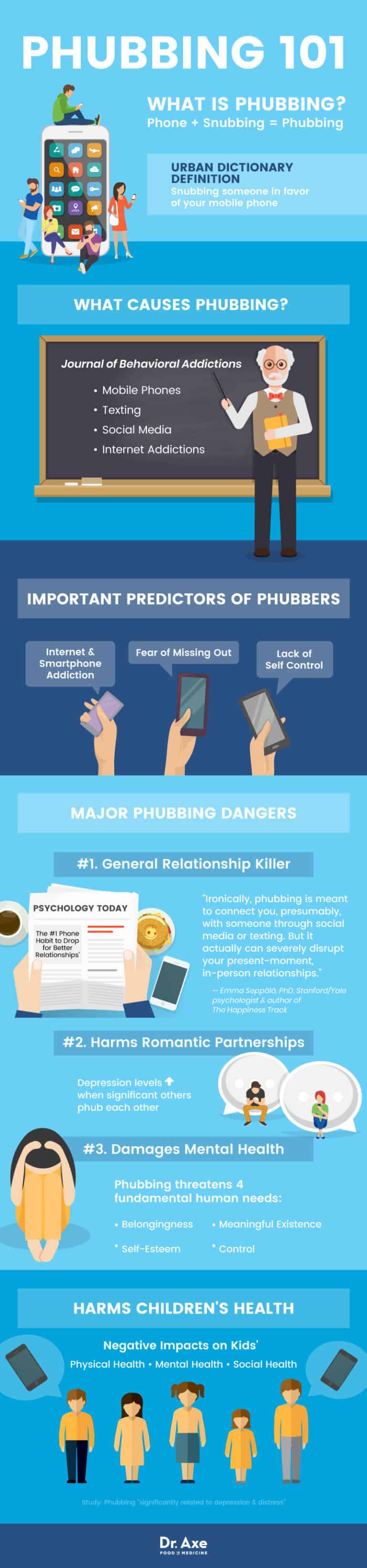
So, why do employees engage in phubbing? While it's easy to blame technology, the phenomenon of phubbing is driven by more complex psychological factors. Some common reasons include:- Shyness and Social Anxiety: Individuals who are shy or socially anxious may use their phones as a shield to avoid interacting with others or feeling uncomfortable in social situations.
- Avoidance Behaviors: People may engage in phubbing as a way to avoid difficult conversations or uncomfortable interactions.
- Fear of Missing Out (FOMO): The constant need to check for updates on social media or messages can create a sense of anxiety and fear of missing out on important information.
- Biological and Neurological Factors: Excessive phone use can activate the brain's reward system, releasing dopamine and creating a sense of pleasure, leading to addiction-like behavior.

Consequences of Phubbing on Relationships and Workplaces
The consequences of phubbing on relationships and workplaces are multifaceted and far-reaching:- Communication Breakdowns: Phubbing can lead to feelings of isolation, disconnection, and mistrust among individuals and groups.
- Decreased Job Satisfaction and Performance: Supervisor phubbing can negatively impact employee job satisfaction, engagement, and performance.
- Social Exclusion and Feelings of Disconnection: Regular phubbing can leave individuals feeling socially excluded, with decreased self-esteem and a sense of disconnection from others.
Breaking the Cycle of Phubbing
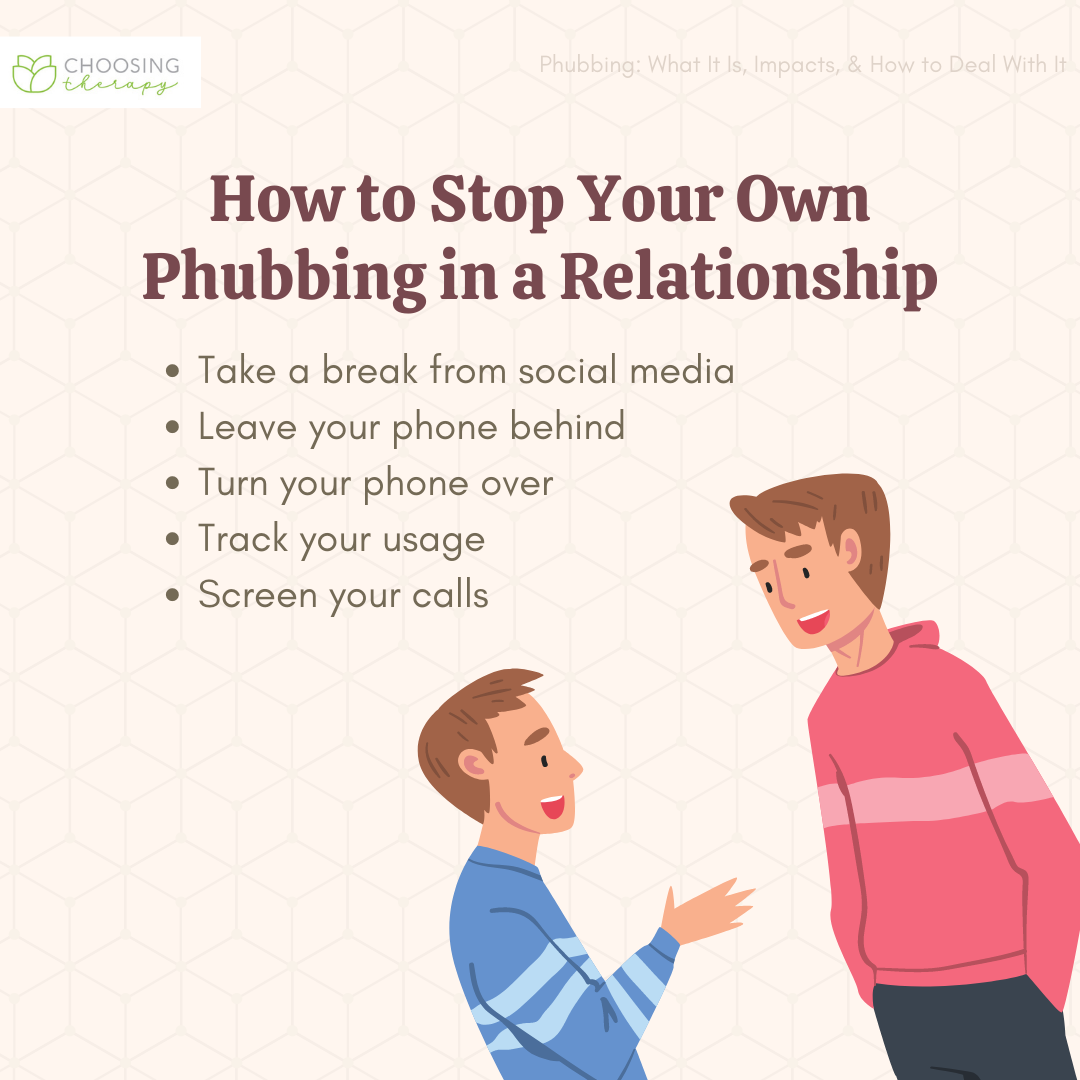
To foster healthier communication and work relationships, it's essential to address the root causes of phubbing and promote strategies that encourage employees to engage more fully with their colleagues and superiors. Some strategies include:- Implementing Phone-Free Policies: Encouraging employees to put away their phones during meetings, social gatherings, or communal breaks.
- Emphasizing Nonverbal Communication: Fostering a culture that values face-to-face communication, recognizing the importance of nonverbal cues like eye contact and body language.
- Providing Supervisory Training: Educating supervisors on the impact of boss phubbing on employee engagement and performance, promoting more compassionate and inclusive leadership styles.