Blue Light and Biological Rhythms: Understanding the Impact on Our Bodies
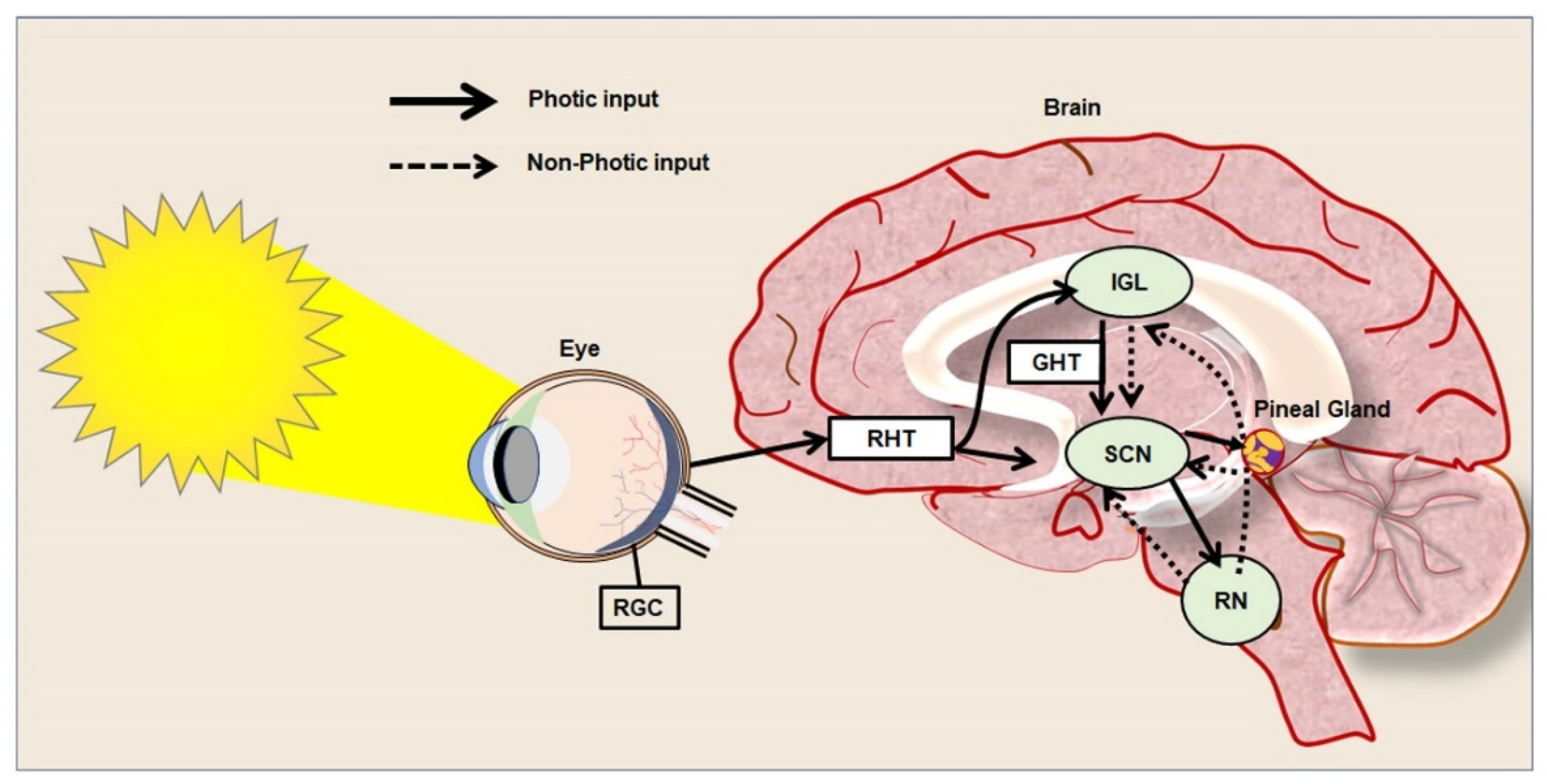
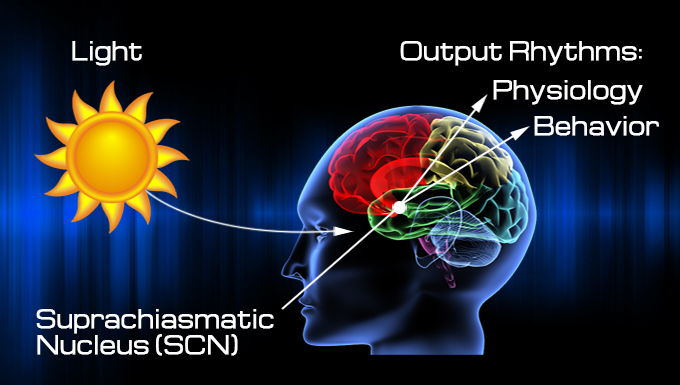
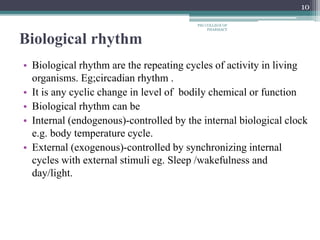
Have you ever wondered how the light we are exposed to affects our biological rhythms? From the harsh glow of LED lights to the gentle warmth of sunlight, light plays a crucial role in regulating our internal clock and influencing our physical and mental well-being. In this article, we will delve into the world of blue light and biological rhythms, exploring the impact of artificial light on our circadian rhythms and overall health.
What is Blue Light?
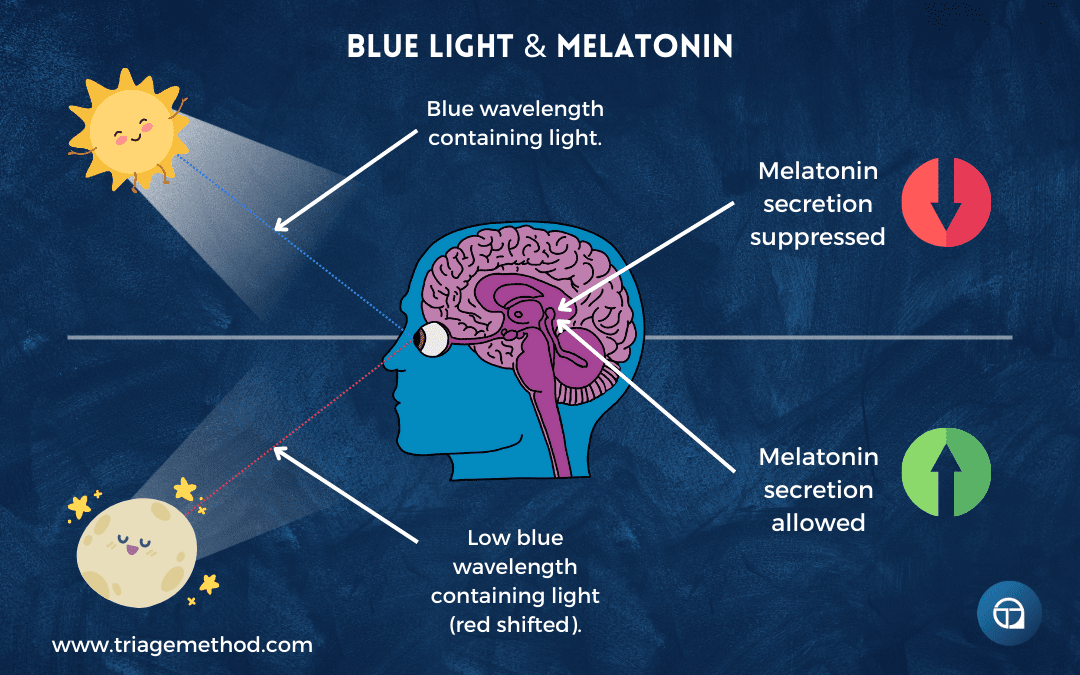
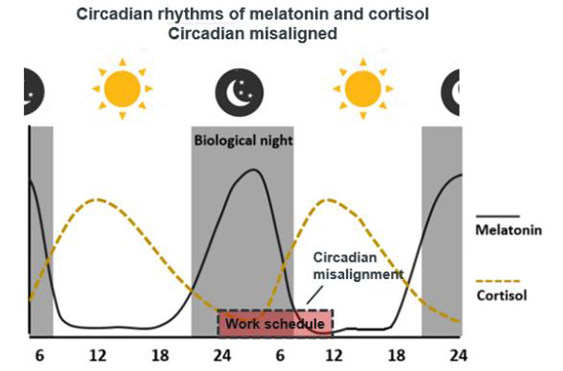
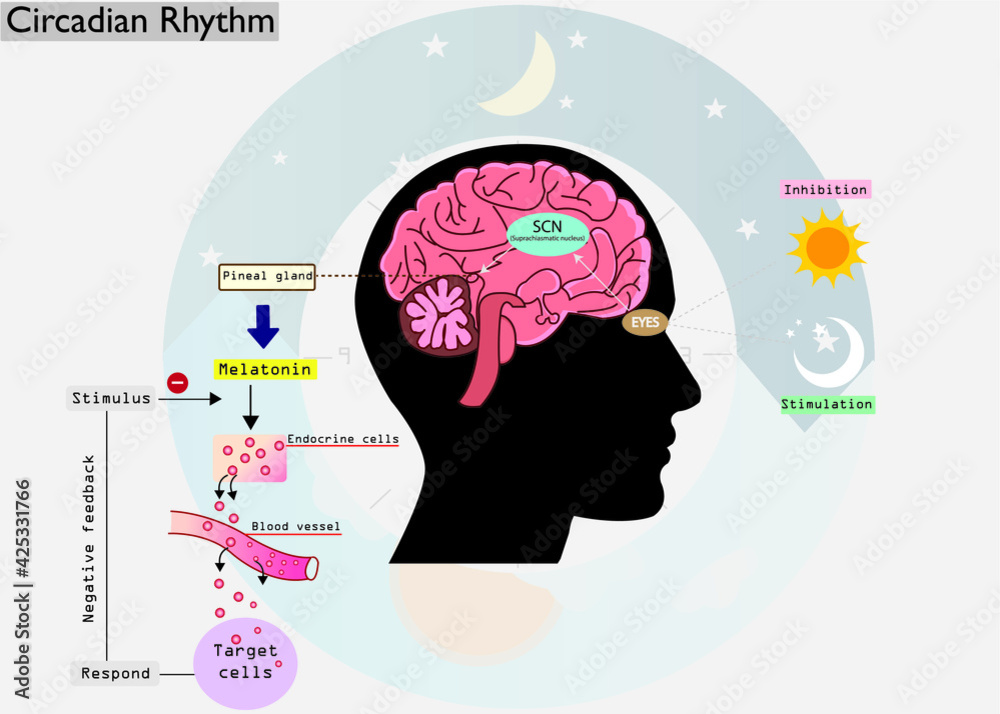
Blue light is a type of high-energy visible (HEV) light with a wavelength of around 400-450 nanometers. It is emitted by electronic devices such as smartphones, computers, and televisions, as well as by fluorescent light bulbs and LED lights. Blue light has a profound impact on our circadian rhythms, suppressing the production of melatonin, the hormone responsible for regulating sleep-wake cycles.
The Impact of Blue Light on Circadian Rhythms
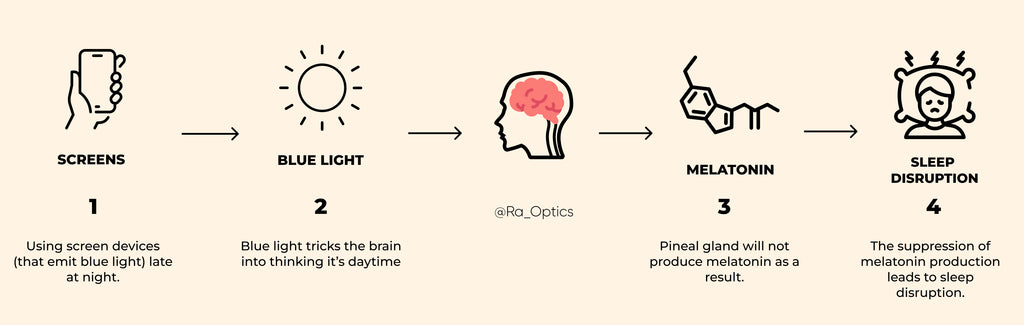
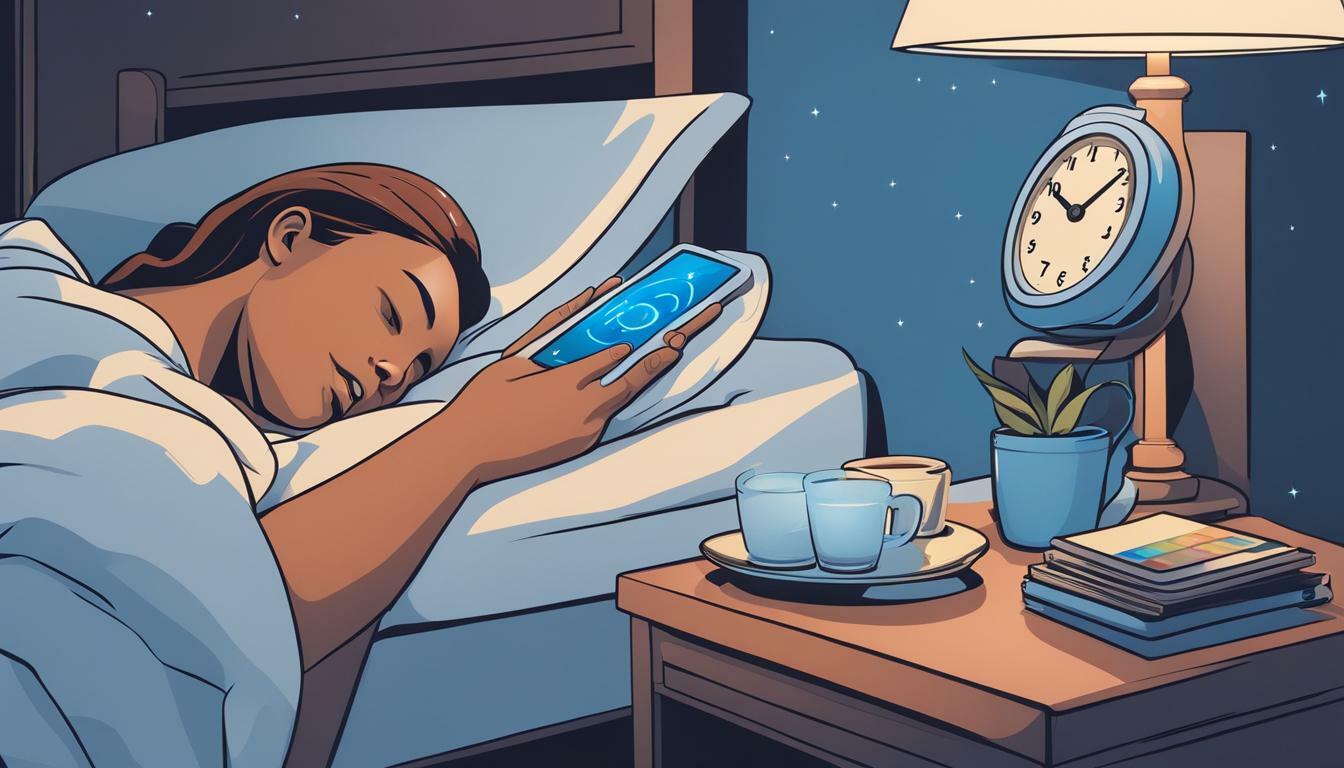
When we are exposed to blue light, particularly in the evening, it tricks our brain into thinking it's still daytime. This can lead to a range of problems, including:
- Insomnia and disrupted sleep patterns
- Increased risk of depression, anxiety, and other mental health issues
- Weight gain and obesity due to irregular eating habits
- Increased risk of developing chronic diseases such as diabetes and heart disease
How Does Blue Light Affect Biological Rhythms?
Blue light affects biological rhythms in several ways:
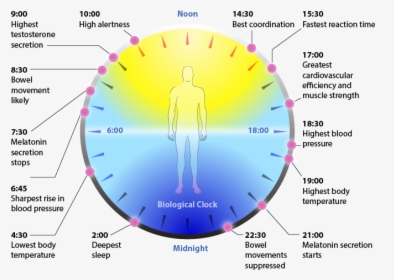
- Suppression of melatonin production: Blue light suppresses the production of melatonin, the hormone responsible for regulating sleep-wake cycles.
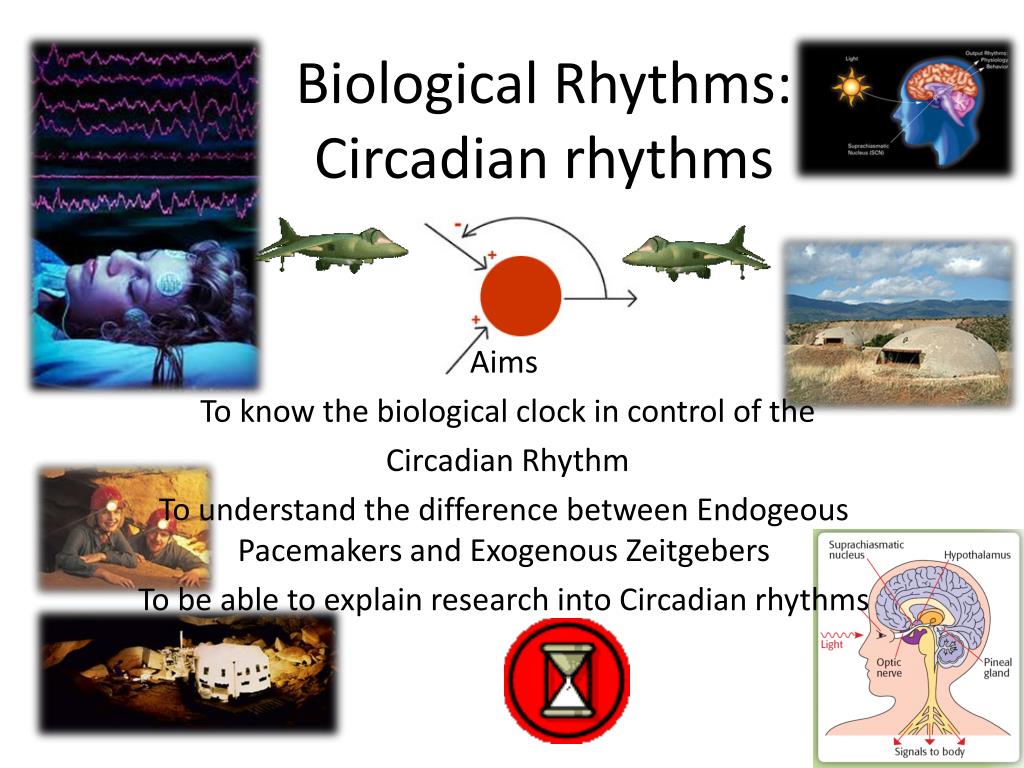
- Disruption of circadian rhythms: Blue light exposure can disrupt the body's natural circadian rhythms, leading to a range of problems including insomnia, depression, and anxiety.
- Impact on hormone regulation: Blue light can affect the regulation of hormones such as insulin, cortisol, and thyroid hormones, leading to a range of problems.
What Can We Do to Mitigate the Impact of Blue Light on Biological Rhythms?
While it's impossible to completely eliminate blue light from our lives, there are several steps we can take to mitigate its impact on our biological rhythms:
- Use blue light filtering glasses or screen protectors
- Dim or turn off electronic devices at least an hour before bedtime
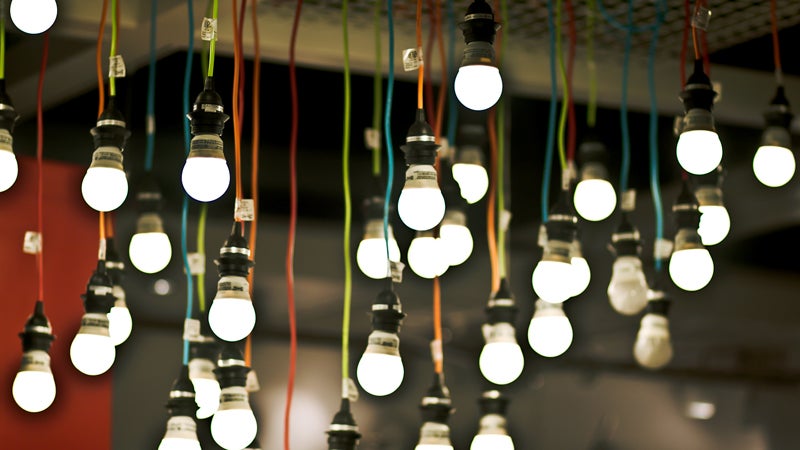
- Use warm-toned light bulbs in the evening to reduce blue light exposure
- Practice good sleep hygiene, such as establishing a consistent sleep schedule and avoiding caffeine and electronics before bedtime
Conclusion
Blue light and biological rhythms are intricately linked, and excessive exposure to artificial light can have a profound impact on our physical and mental health. By understanding the impact of blue light on our circadian rhythms and taking steps to mitigate its effects, we can promote healthier sleep habits, reduce our risk of chronic diseases, and improve our overall well-being.
References
The following sources were used in the preparation of this article:


.jpg_11.jpeg "Biological Clock Adjustment · Theme")