Business Performance Metrics: A Complete Guide
Measuring business performance doesn't have to be difficult. By implementing the appropriate metrics and control systems, you can seamlessly track strategic initiatives' progress. In this article, we'll explore what business performance metrics are, the different types of metrics, and how to calculate them.
What are Business Performance Metrics?
Business performance metrics measure and track business functions across a company. These metrics provide a clear snapshot of your business's health and effectiveness across key areas like marketing, sales, human resources, and management. They act as a compass, guiding you toward informed decisions, clear business objectives, streamlined business processes, and better outcomes.
Types of Business Performance Metrics
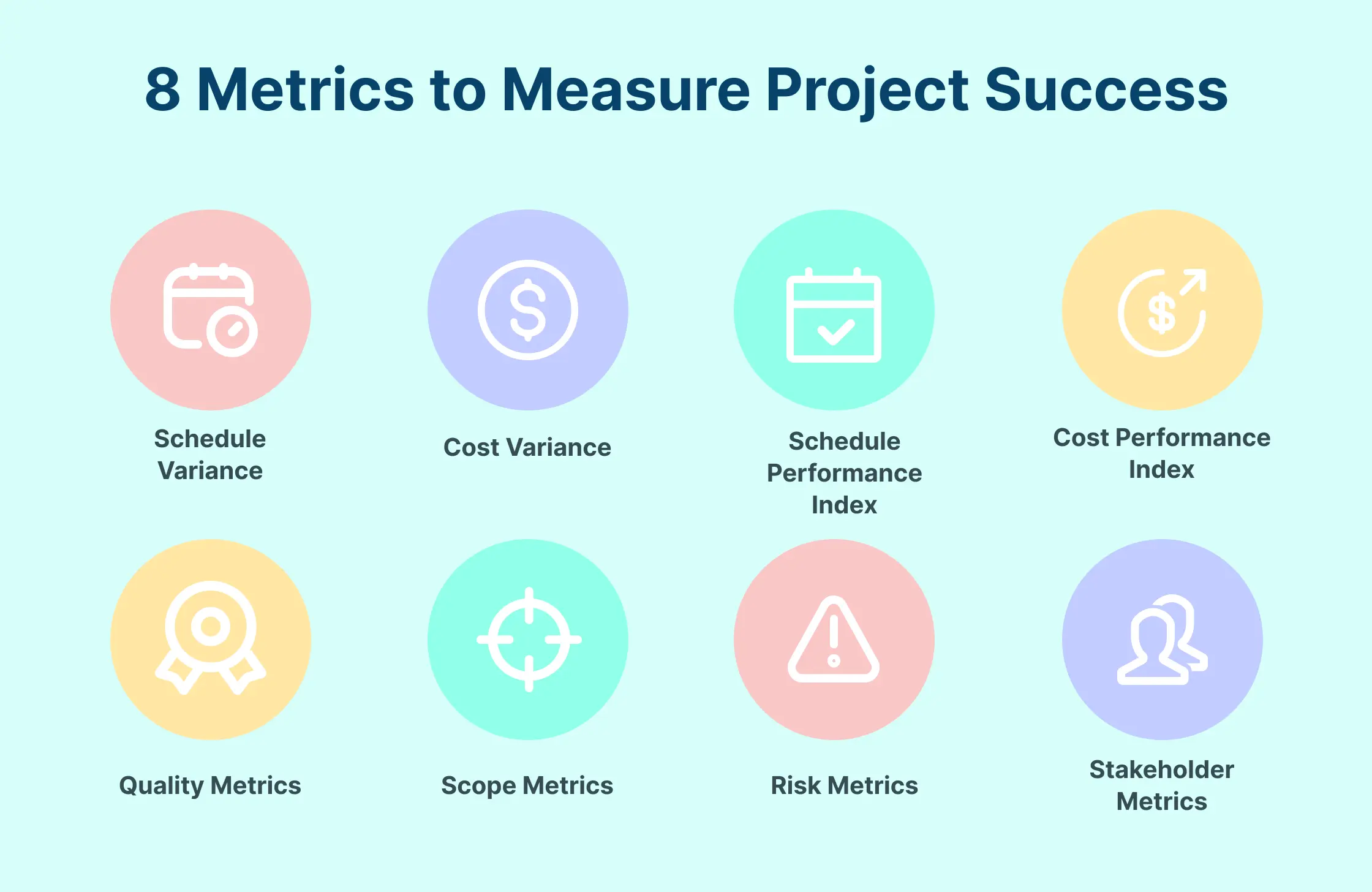
Business metrics can be categorized as performance metrics, which measure the different aspects of performance for an organization or a project. Financial metrics include aspects of financial performance that track sales turnover, profits, expenditures, assets, liabilities, and capital. Non-financial metrics, on the other hand, include aspects of performance that track customer satisfaction, employee engagement, and operational efficiency.
- Financial Metrics:
- Sales Turnover
- Profits
- Expenditures
- Assets
- Liabilities
- Capital
- Non-Financial Metrics:
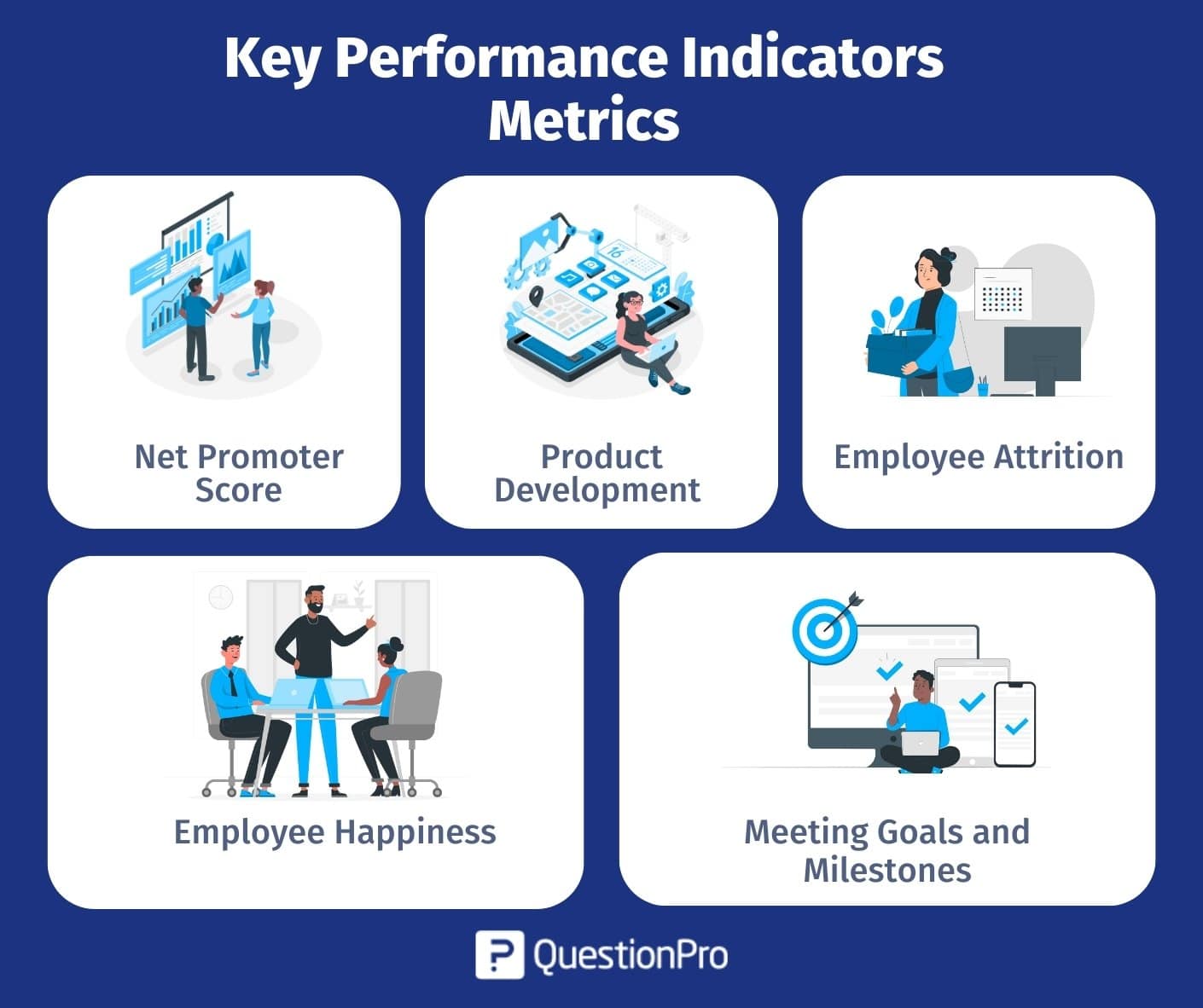
- Customer Satisfaction
- Employee Engagement
- Operational Efficiency
How to Calculate Business Performance Metrics
To calculate business performance metrics, you need to gather data from various sources and analyze it using mathematical formulas. The following are some common formulas used to calculate business performance metrics:
- Return on Investment (ROI): ROI = (Gain from Investment - Cost of Investment) / Cost of Investment
- Return on Equity (ROE): ROE = Net Income / Total Shareholder Equity
- Customer Satisfaction Score (CS): CS = (Number of Satisfied Customers / Total Number of Customers) x 100
Examples of Business Performance Metrics
Here are some examples of business performance metrics:
- Revenue Growth Rate
- Customer Acquisition Cost (CAC)
- Customer Retention Rate
- Employee Turnover Rate
- Operational Efficiency Index (OEI)
Benefits of Using Business Performance Metrics
Using business performance metrics provides several benefits, including:
- Improved Decision Making
- Increased Efficiency
- Enhanced Customer Satisfaction
- Better Resource Allocation
- Increased Competitiveness
Conclusion
Business performance metrics are essential tools for businesses to measure and track their performance. By understanding what business performance metrics are, the different types of metrics, and how to calculate them, businesses can make informed decisions, improve efficiency, and enhance customer satisfaction. Remember, measuring business performance doesn't have to be difficult. By implementing the appropriate metrics and control systems, you can seamlessly track strategic initiatives' progress.