The Alarming Causes of Mobile Phone Addiction: Understanding the Issue
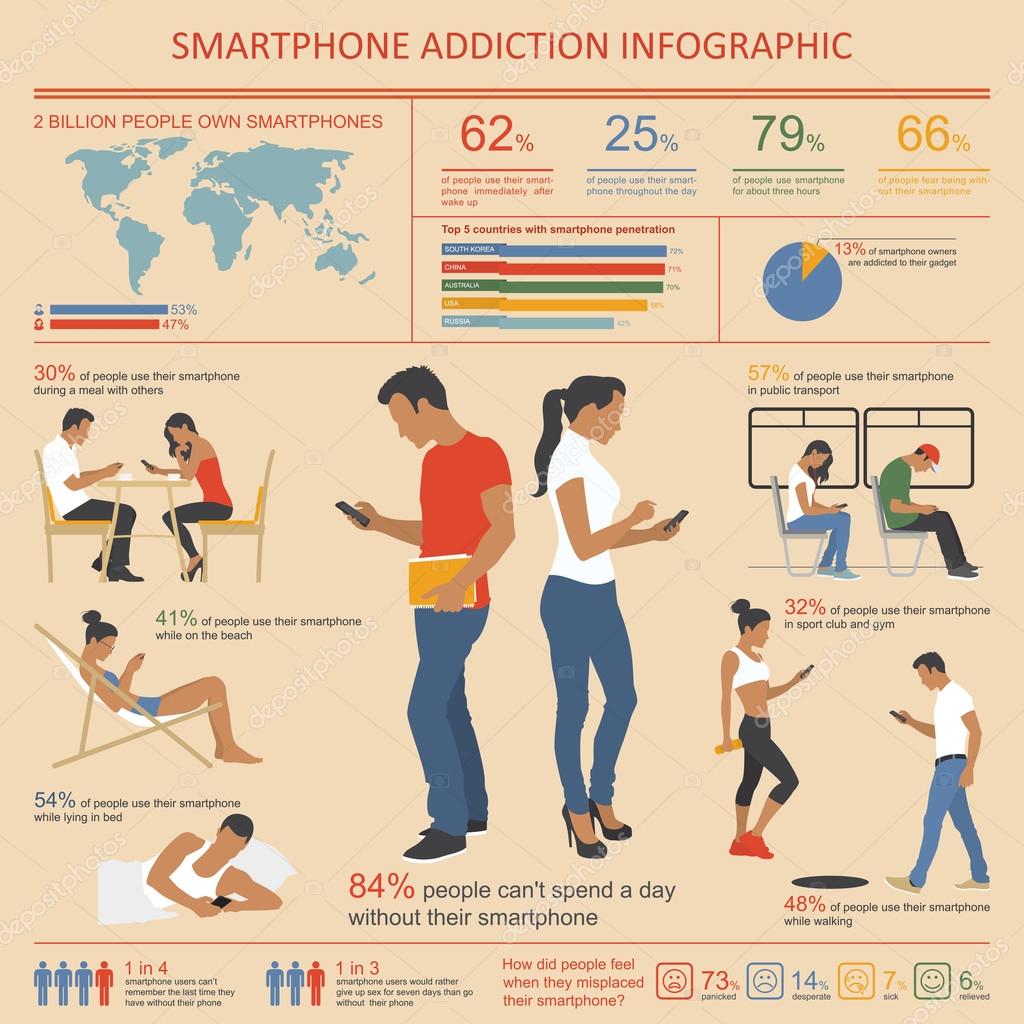
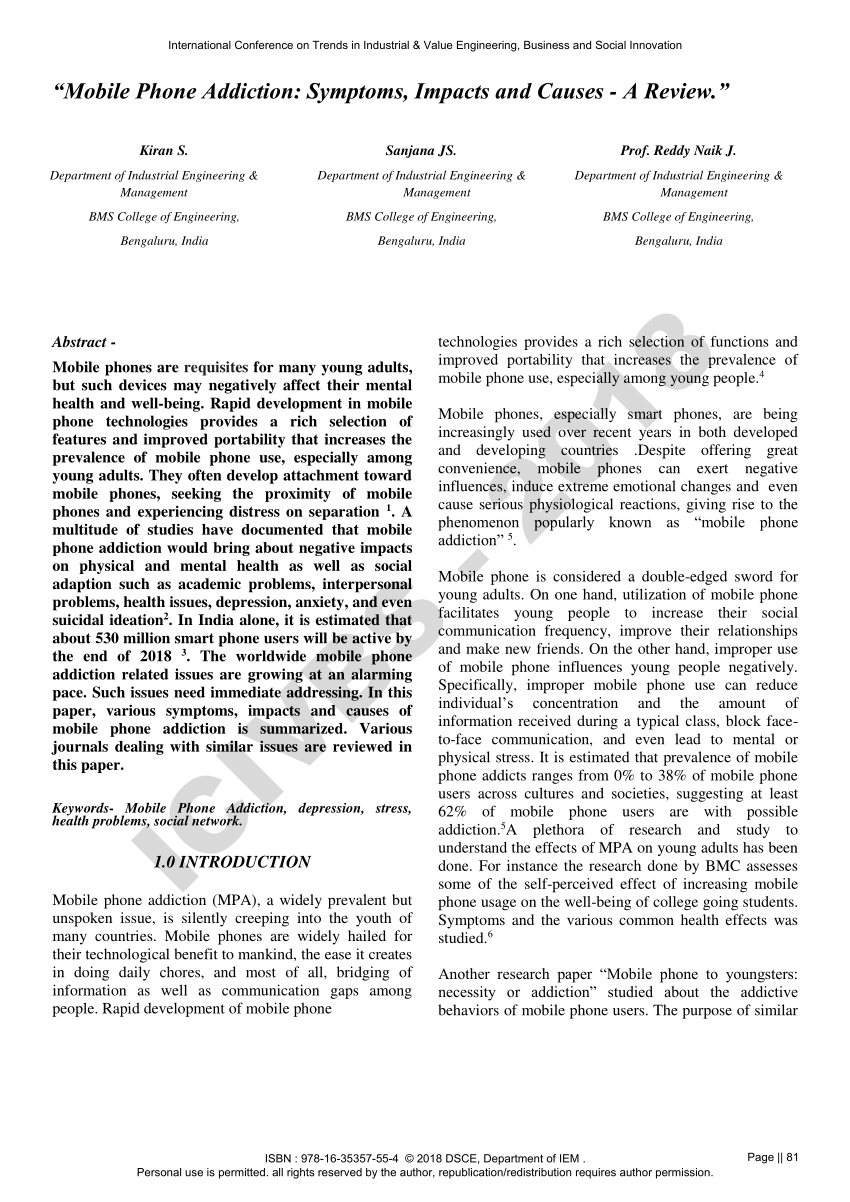
Mobile phone addiction has become a pervasive problem in today's digital age, with millions of people worldwide struggling with compulsive phone use. While some may view mobile phone addiction as a trivial issue, it can have severe consequences on mental and physical health, relationships, and overall well-being. In this article, we will delve into the causes of mobile phone addiction, explore its effects, and discuss strategies for overcoming this addictive behavior.
Causes of Mobile Phone Addiction
The causes of mobile phone addiction are complex and multifaceted. Some of the key factors that contribute to this phenomenon include:
- Dopamine-driven reinforcement: Mobile phones activate the brain's reward system, releasing dopamine, which reinforces habitual checking of notifications, social media, and apps.
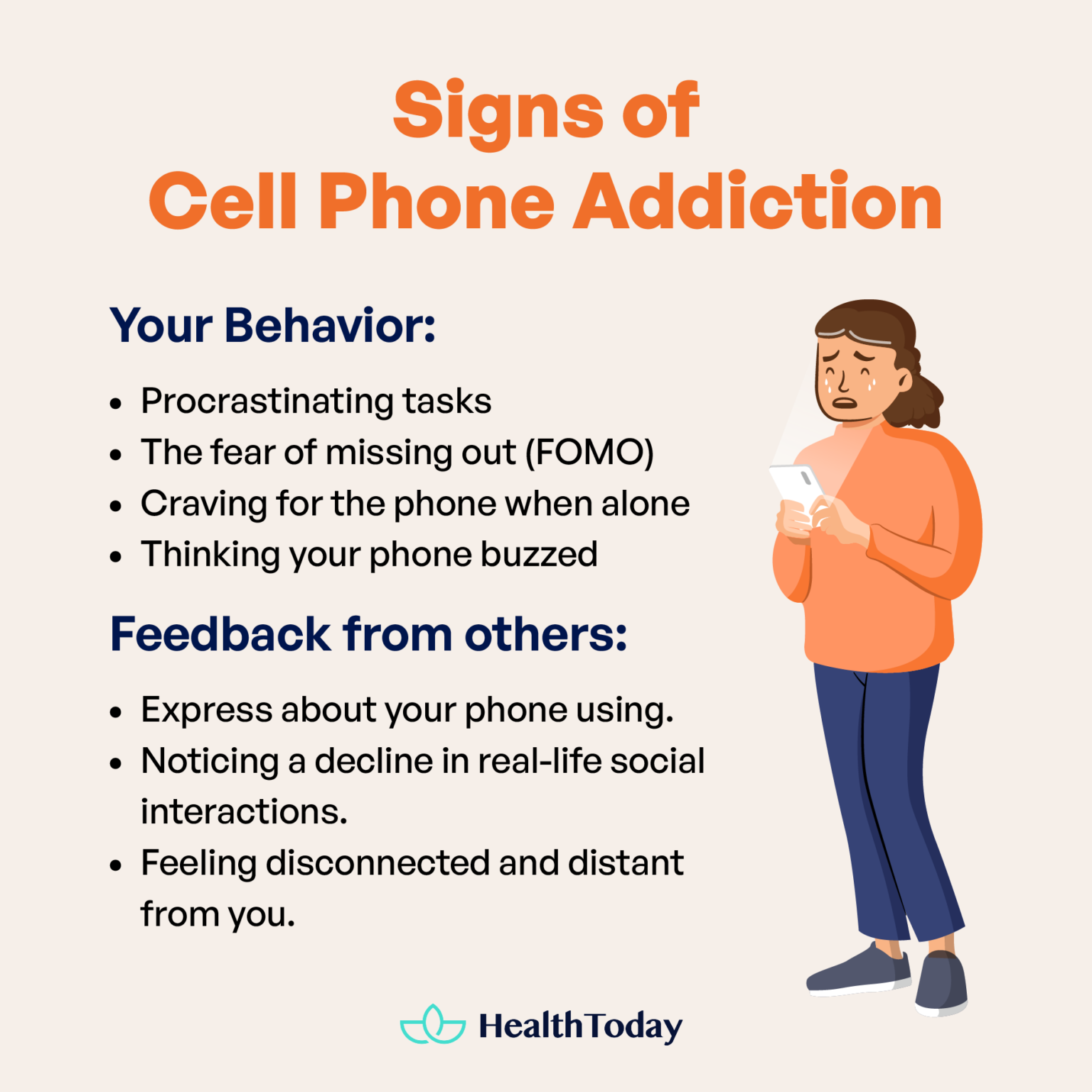
- Fear of missing out (FOMO): The constant stream of information on social media can create a sense of FOMO, leading individuals to feel compelled to check their phones constantly.
- Boredom and escapism: Mobile phones provide an instant escape from boredom, stress, or other negative emotions, leading to excessive use.
- App design features: Mobile apps are designed to be engaging and addictive, using tactics such as notifications, rewards, and social sharing to keep users hooked.
- Social media addiction: Social media platforms can fuel anxiety, depression, and other mental health issues, contributing to mobile phone addiction.
- Constant notifications: The constant stream of notifications can activate the brain's reward system, leading to compulsive checking of phones.
The Effects of Mobile Phone Addiction
Mobile phone addiction can have severe consequences on mental and physical health, relationships, and overall well-being. Some of the effects include:

- Mental health issues: Excessive mobile phone use has been linked to depression, anxiety, and other mental health problems.
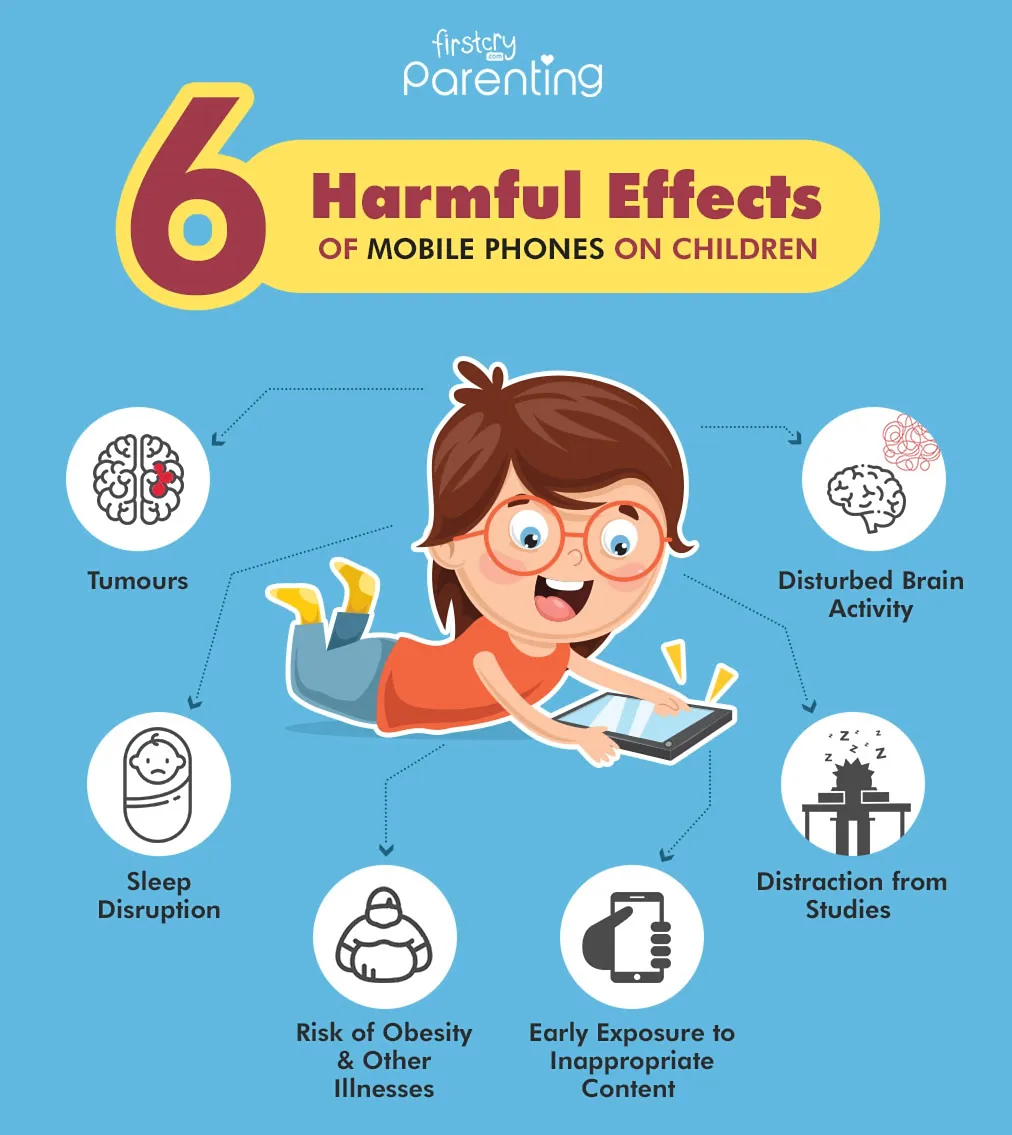
- Sleep disturbances: Exposure to screens and the constant notifications can disrupt sleep patterns, leading to sleep deprivation.
- Physical health problems: Sedentary behavior and excessive screen time can contribute to obesity, cardiovascular disease, and other physical health issues.
- Strained relationships: Mobile phone addiction can lead to social isolation, strained relationships, and decreased communication skills.
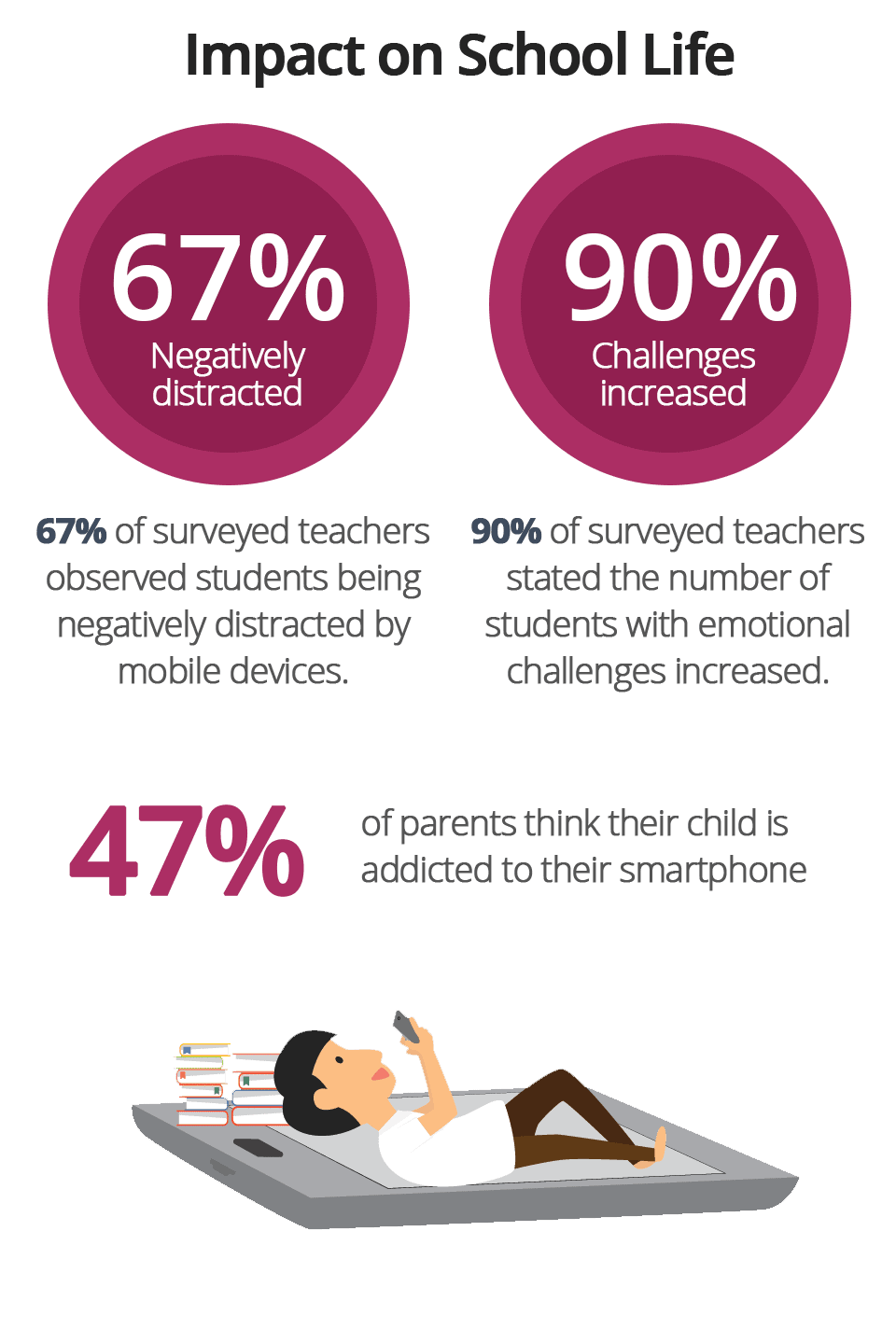
- Decreased productivity: Excessive mobile phone use can lead to decreased productivity, decreased attention span, and decreased cognitive function.
Breaking the Cycle of Mobile Phone Addiction
Breaking the cycle of mobile phone addiction requires a combination of self-awareness, strategies, and support. Some effective ways to overcome mobile phone addiction include:
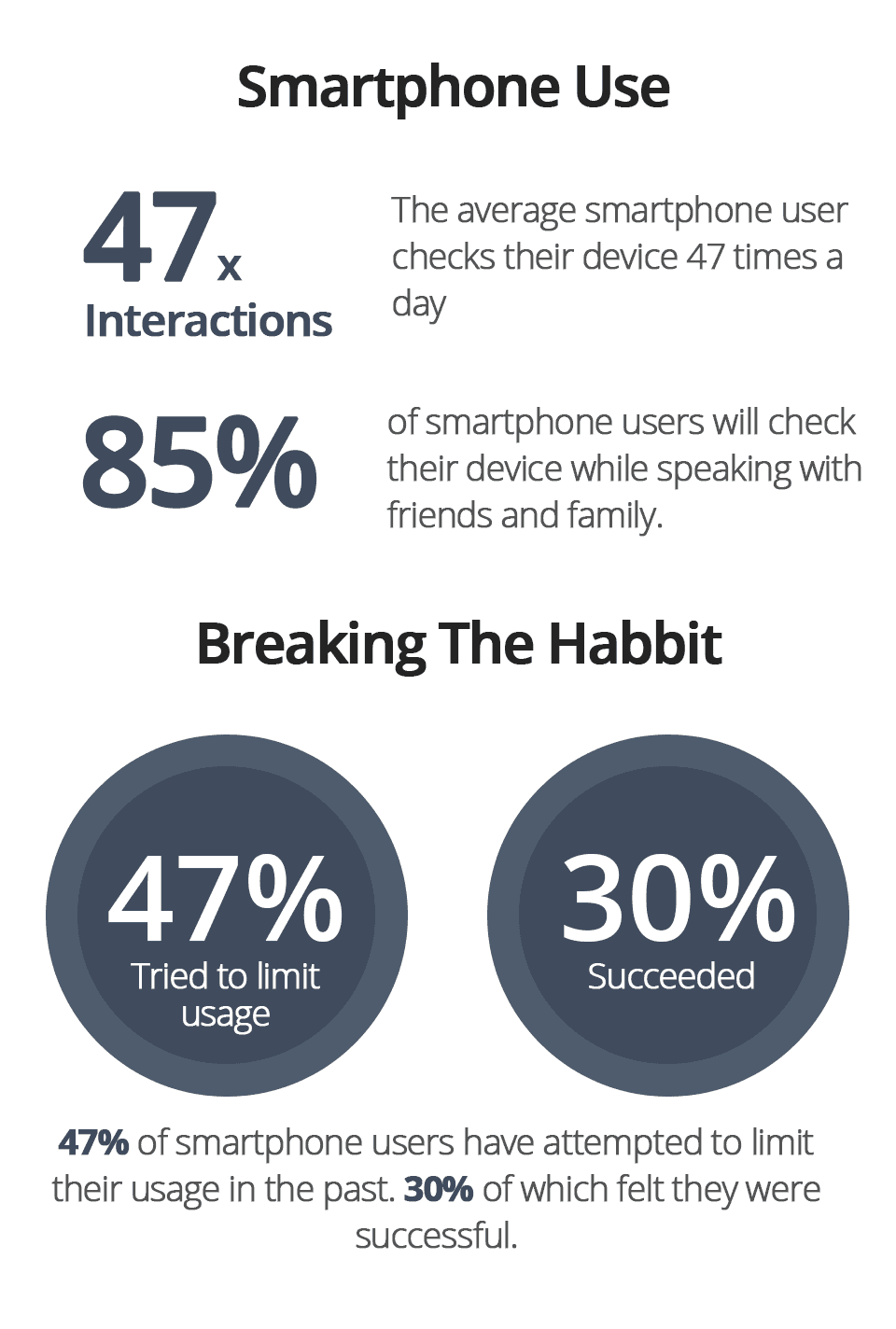
- Setting boundaries: Establishing limits on mobile phone use, such as designated phone-free zones or times, can help reduce excessive use.
- Using phone-tracking apps: Apps that track phone use can provide valuable insights into usage patterns and help individuals set goals for reduction.
- Engaging in alternative activities: Finding alternative activities, such as exercise, reading, or hobbies, can help reduce reliance on mobile phones.
- Seeking support: Joining a support group or seeking help from a mental health professional can provide valuable guidance and support in overcoming mobile phone addiction.
Conclusion
Mobile phone addiction is a complex issue that requires a comprehensive understanding of its causes and effects. By recognizing the signs of mobile phone addiction and implementing strategies for reduction, individuals can take control of their mobile phone use and improve their overall well-being. Remember, breaking the cycle of mobile phone addiction is a process that requires patience, self-awareness, and support.