Conceiving Quick with Fertility Drugs: A Comprehensive Guide
If you've been trying to conceive for months or even years without success, fertility drugs may be an option worth exploring. These medications can help stimulate ovulation, improve egg quality, and boost fertility, making it easier to get pregnant. In this article, we'll delve into the world of fertility drugs, discussing the types, uses, side effects, and success rates of these medications.
Fertility Drugs and Ovulation
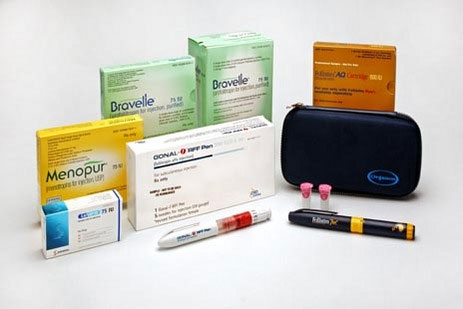
Fertility drugs are designed to regulate and stimulate ovulation, helping women release eggs and increase their chances of conception. Many of these medications are taken orally, while others are injected or administered via other routes. Clomid, Femara, and hormone shots like FSH, hMG, and hCG are among the most common fertility drugs used to induce ovulation.
Types of Fertility Drugs:
- Clomid (Clomiphene Citrate): A medication that regulates and stimulates ovulation
- Femara (Letrozole): A medication that stimulates ovulation and is often used for women with PCOS
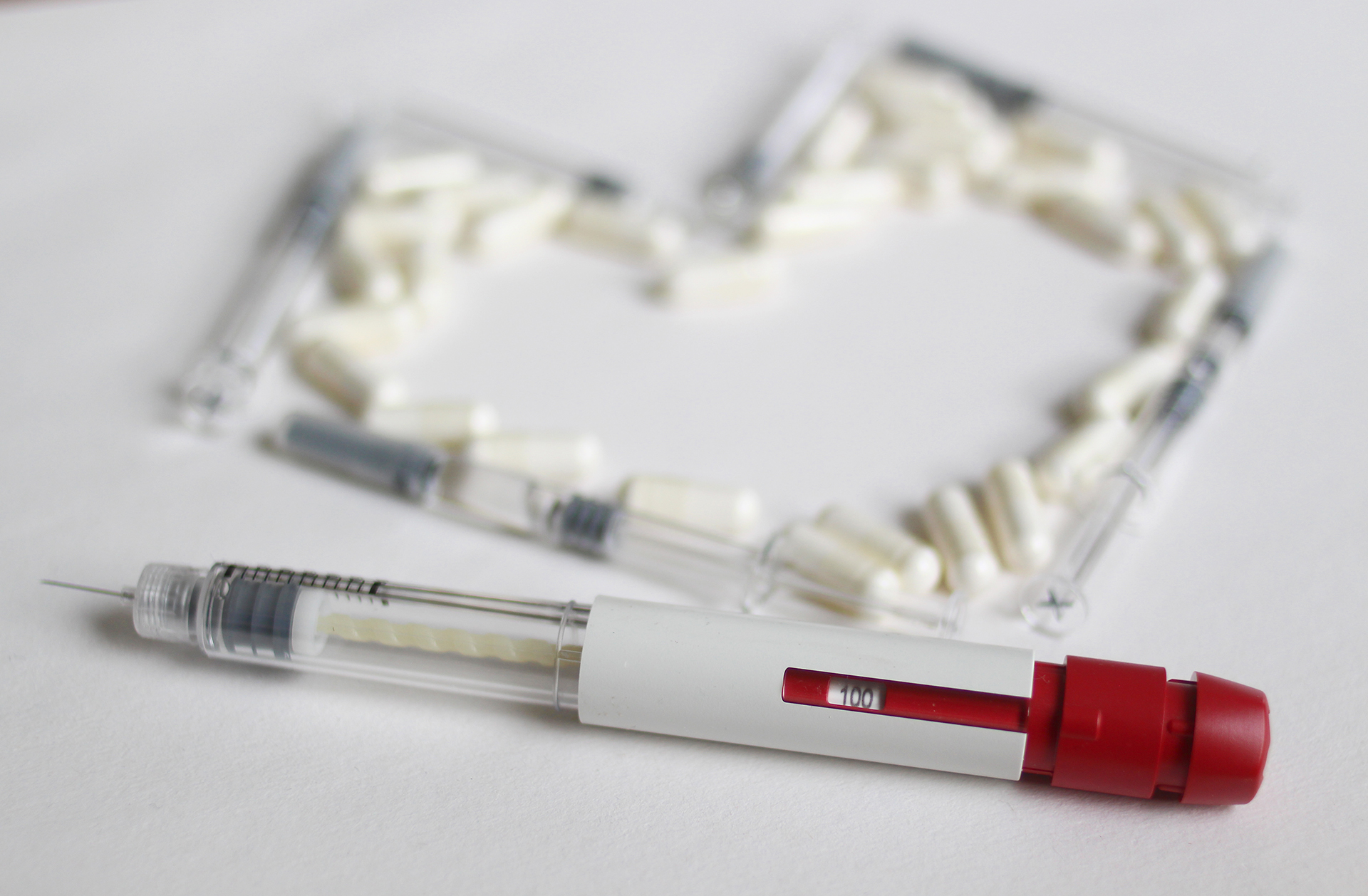
- Hormone shots (FSH, hMG, hCG): Intramuscular injections that stimulate ovulation and improve egg quality
How Do Fertility Drugs Work?
Fertility drugs work by stimulating the release of hormones that regulate ovulation, including FSH, LH, and estrogen. When taken correctly, these medications can help women produce multiple eggs and improve egg quality, making it easier to get pregnant. By regulating ovulation, fertility drugs can also help women with irregular periods, ovulation disorders, and endometriosis.
Side Effects and Risks of Fertility Drugs:
While fertility drugs can be effective, they also come with potential side effects, such as:

- Mild side effects: nausea, bloating, breast tenderness, and mood changes
- More severe side effects: multiple gestations (twins, triplets, or more), high blood pressure, and ovarian hyperstimulation syndrome (OHSS)
Success Rates of Fertility Drugs:
The success rates of fertility drugs vary depending on the medication, age, and individual circumstances. According to the American Society for Reproductive Medicine (ASRM), women under 35 have a 20-40% success rate per cycle of using Clomid, while those over 35 have a 10-20% success rate. For women with PCOS or other ovulation disorders, the success rate may be higher with the use of Letrozole or other fertility medications.
Expert Advice and Next Steps:
Conceiving quick with fertility drugs requires a comprehensive approach, including
Conclusion
Conceiving quick with fertility drugs can be a viable option for women struggling with infertility. By understanding the types, uses, side effects, and success rates of these medications, you can make an informed decision about what's best for your body and your fertility goals. Remember to consult with a healthcare provider or fertility specialist to determine the best course of treatment for your individual needs.